Article Contents:






Our factory also produces:


Get Consultation
The Gothic interior style originated in Germany in the distant 12th century, later spreading its influence to neighboring countries such as Czechia, Spain, Austria, and Italy.
In the mid-19th century, the term 'Neo-Gothic' appeared in common usage. It came to denote characteristic Gothic elements and artworks created during the eclectic period.
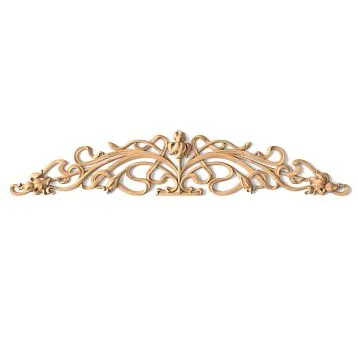
The main distinctive features of the interior in the 'Gothic' style include columns, spiral staircases, complex vaulted forms, lead window frames, vibrant mosaic stained glass, and delicate ornamentation. Wood engravings and oil portrait painting appear in interiors, with intricate decorative elements applied throughout. Wood Carving.
Regarding furniture characteristic of this interior style, it is generally simple and heavy. Wooden cabinets, which began to be used for storing items and clothing, replaced the traditional floor chests. In essence, the medieval era gave us prototypes of modern beds, cabinets, and chairs.
Specialists note that furniture produced during the historical period when Gothic motifs dominated castle and palace interiors was typically made using frame-and-panel joinery. Massive carved legs were commonly used for such furniture. This type of leg was applied to heavy, seemingly clumsy copies of church furniture, primarily cabinets with many doors. Local oak and walnut were used as materials for such furniture. However, these species were not always used everywhere. Further south and east, more common were juniper, larch, European cedar, spruce, and familiar pine.The best framing for such furniture becomes stone, marble, rich metalwork Hardware, ornate moldings and family crests, increasingly carved from wood.