Article Contents:
- Philosophy of Modern Decor: Between Function and Beauty
- Classification of Decorative Elements: From Details to Architecture
- Small Decor: Details That Create Atmosphere
- Medium Decor: Balance of Function and Aesthetics
- Large Architectural Decor: Foundation of Style
- Decor Materials: Traditions and Innovations
- Natural Materials: Eternal Classic
- Composite materials: technologies of the future
- Smart Materials: Decor with Functions
- Geography of Decor: Where to Look and What to Expect
- Metropolises: Centers of Concentrated Offerings
- Regional Centers: Optimal Ratio
- Small Towns: Unexpected Finds
- Sales Channels: Choosing the Optimal Path
- Specialized Salons: Expertise and Service
- Construction Hypermarkets: Accessibility and Choice
- Online Trading: Convenience and Savings
- Manufacturers: Direct Contracts
- Decor Style Directions: Find Your Path
- Classic styles: timeless beauty
- Modern Directions: Relevance and Functionality
- Eclecticism and Fusion: Freedom of Self-Expression
- Seasonality in Decor: Dynamics and Updates
- Spring Decor: Awakening and Freshness
- Summer Decor: Lightness and Nature
- Autumn Decoration: Coziness and Warmth
- Winter Decor: Magic and Traditions
- Psychology of Decor: Influence on Mood and Behavior
- Color Impact
- Textural Solutions
- Symbolic Meaning
- Technological Innovations in Decor
- Digital technologies
- Smart materials
- Interactive Decor
- Economic Aspects of Buying Decor
- Budget Planning
- Investment Value
- Saving Without Compromising Quality
- Regional Decor Features
- Northern Regions: Warmth and Coziness
- Southern Regions: Coolness and Lightness
- Capital Decor: Status and Prestige
- Future of Decor: Trends and Forecasts
- Eco-Friendly Decor
- Customization and personalization
- Virtual Reality in Decor Selection
- Practical Tips for Choosing Decor
- Care and Maintenance of Decorative Elements
- Color Harmony
- Functionality
- Seasonal Promotions and Great Deals
- New Year Sales
- Summer Sales
- Seasonal Collections
- Frequently Asked Questions About Buying Decor
- How to Determine the Quality of Decorative Elements?
- Can Decor from Different Styles Be Combined?
- How to calculate the required amount of decoration?
- What Decor Is Suitable for Rental Properties?
- How to care for decorative elements?
- Is It Worth Buying Expensive Decor?
- Can Decor Be Made Yourself?
- How Does Decor Affect Property Value?
- Conclusion: Decor as an Investment in Quality of Life

The question of where to buy decor Decor matters to everyone who strives to create a unique atmosphere in their home. In today's world, where individuality is valued above all else, decorative elements have become a key tool for self-expression and creating a cozy space.
Decor is not just decoration—it is the language your home speaks. Every element tells a story, reflects the character of the owner, and creates a unique atmosphere. The choice of the right decor determines whether your home will be merely a functional space or transform into a source of inspiration and pride.



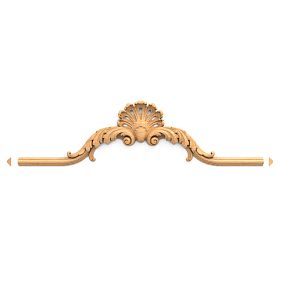
Philosophy of Modern Decor: Between Function and Beauty
Modern decor differs radically from the perceptions of previous decades. If decorations served solely aesthetic purposes in the past, today they must combine beauty with practicality, durability with accessibility, classicism with innovation.
What drives the modern consumer in choosing decorative elements? Primarily—the desire for individuality. In an era of mass production, people crave uniqueness and seek ways to stand out from the gray mass of typical solutions. Unique interior items Become not just a purchase, but an investment in one's own individuality.
The second important factor—conscious consumption. Modern buyers increasingly ask themselves: how eco-friendly is this material? How long will it last? Can it be recycled? These considerations significantly influence the choice of where to buy and what kind of decor to choose.
The third aspect—multifunctionality. Modern decor must not only decorate, but also solve practical problems. where to buy wall decor Quality and functional—question that interests those who understand: beautiful must be useful.




Classification of Decorative Elements: From Small Details to Architecture
Our factory also produces:


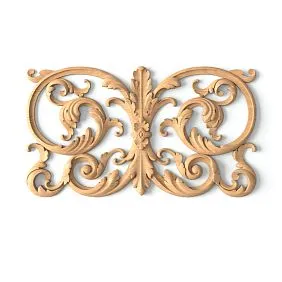

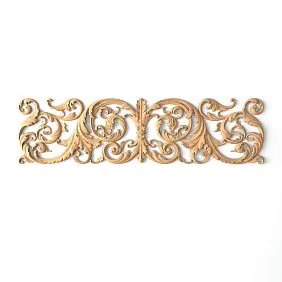
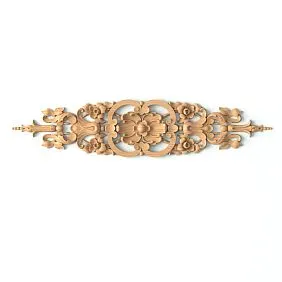
Small Decor: Details That Create Mood
Small decorative elements are punctuation in interior text. They set accents, create rhythm, add individuality. This category includes figurines, vases, candlesticks, decorative pillows, blankets, paintings, framed photographs.
It seems like minor details, but it is precisely these that often define the character of the space. The same room can appear strictly businesslike or romantically cozy depending on the chosen accessories.
When choosing small decor, it is important to remember the sense of proportion. An excess of ornaments creates a feeling of chaos and clutter, while a lack of them results in coldness and impersonality. Decorators' golden rule: better less, but better.
Get Consultation
Medium decor: balance of function and aesthetics
Medium decor includes elements that are noticeable but do not dominate the space. These are floor lamps, decorative panels, mirrors, clocks, plants in planters, decorative screens.
These elements often serve a dual function: they decorate and provide practical utility. A mirror visually expands the space, a floor lamp creates cozy lighting, plants purify the air.
where to buy furniture decor of medium size? This question is especially relevant for those who want to refresh the interior without major changes.
Large architectural decor: the foundation of style
Large decorative elements form the architectural appearance of a room. These are cornices, moldings, columns, arches, decorative panels, built-in niches.
These elements define the style of the interior and create its basic structure. They require a professional approach to selection and installation, but the result is worth the effort.
where to buy moldings for decoration of high quality? Choosing the right supplier of architectural decor is critically important, as these elements are installed permanently and must meet the highest quality standards.
Decor materials: traditions and innovations
Natural materials: eternal classic
Wood, stone, metal, glass, ceramics — these materials have served humanity for millennia in creating beauty. Their popularity has not diminished today; in fact, in the age of synthetics, natural materials have become especially valuable.
Wooden decor possesses a special warmth and coziness. Each element is unique due to the distinctive grain pattern. Wood combines well with any other materials and suits all interior styles.
Stone symbolizes reliability and solidity. Marble details add luxury, granite adds strictness, sandstone creates a sense of natural harmony.
Metallic decor can be rough and brutal (wrought iron) or refined and elegant (gilded bronze). Patina and special coatings allow creating amazing effects.
Composite Materials: Technologies of the Future
Modern composite materials combine the advantages of various components, creating new possibilities for decor. Polyurethane, fiberglass, composites based on natural fibers — these materials allow creating elements of complex shapes at relatively low cost.
The main advantage of composites is the ability to precisely reproduce any textures and shapes. Modern polyurethane molding can be practically indistinguishable from plaster molding, yet it is lighter, stronger, and cheaper.
Smart materials: decor with functions
Technological development has led to the emergence of "smart" decorative elements. These are panels with built-in lighting, elements with changing textures, materials that react to temperature or humidity.
Such solutions remain exotic for now, but they are already visible in the most advanced interior projects.
Geography of decor: where to look and what to expect
Metropolises: centers of concentrated offerings
Large cities offer the maximum variety of decorative elements. Moscow, Saint Petersburg, Yekaterinburg, Novosibirsk — here all leading manufacturers are represented, design centers operate, and exhibitions are regularly held.
Decor where to buy in Moscow quality and variety? The capital market is characterized by high competition, which positively affects the quality of offerings and service level.
The advantages of buying decor in a metropolis are obvious: wide selection, ability to compare offers, qualified consultations, fast delivery. However, there are also drawbacks: high prices, a large number of fakes on the market, difficulty parking when visiting stores.
Regional centers: optimal balance
Million-city towns offer a reasonable compromise between variety of offerings and price accessibility. Here, both federal networks and local manufacturers operate, creating healthy competition.
Regional centers often specialize in certain types of decor. For example, cities with a developed woodworking industry offer a rich selection of wooden decor, industrial centers — metal products.
Small towns: unexpected finds
Small towns often feature talented master craftsmen who create unique handmade items. Such decor cannot be purchased in chain stores — it is pure exclusivity.
Moreover, small towns often preserve traditional crafts passed down from generation to generation. Wood carving, artistic metalworking, ceramics — these traditions remain alive and evolve.
Sales channels: choosing the optimal path
Specialized boutiques: expertise and service
Profiled decor boutiques offer maximum service and expertise. Here, consultants who understand the nuances of styles, know material characteristics, and can provide qualified advice work.
In specialized boutiques, you can not only buy ready-made elements but also order custom-made items to individual specifications. Many boutiques offer designer services to help create a harmonious composition.
The drawback of boutiques is high prices, due to significant overhead costs and the need to maintain qualified staff.
Construction hypermarkets: accessibility and choice
Large construction centers offer a wide range of decorative elements at affordable prices. Here you can find budget solutions as well as products in the mid-price segment.
The main advantage of hypermarkets is the ability to buy everything needed for renovation, including tools and consumables, all at once. Many chains offer delivery and even installation services.
Where to Buy Decorative Planks at a reasonable price? Construction hypermarkets often offer the optimal price-to-quality ratio for mass decor.
Online trade: convenience and savings
Online decor purchases are becoming increasingly popular. Online stores offer maximum selection, price comparison, convenient ordering, and home delivery.
Modern online stores provide detailed product descriptions, high-quality photos, and customer reviews. Many offer virtual designer consultations and 3D interior visualization.
The main drawback of online purchases is the inability to physically assess the product before buying. Color on the monitor may differ from reality, texture cannot be felt, and dimensions may be misperceived.
Manufacturers: direct contracts
Buying directly from manufacturers ensures minimal prices and maximum product variety. Many manufacturers have their own showrooms where you can view the full assortment.
When working with manufacturers, you can order non-standard sizes, choose coating color, and agree on production timelines. Large orders often come with significant discounts.
Decor style directions: finding your path
Classical Styles: Time-Tested Beauty
Classic decor is always a safe choice. Baroque, Empire, Classicism, English style — these directions have evolved over centuries and have proven their viability.
Classic decor is characterized by symmetry, proportionality, and use of natural motifs. Floral ornaments, geometric patterns, gilding, carving — all these elements create an atmosphere of nobility and refinement.
Where to Buy Moldings for Wall Decoration In classic style? It is important to choose elements with correct proportions and high-quality detailing.
Modern directions: relevance and functionality
Modern decor strives for minimalism, functionality, and use of new materials and technologies. Minimalism, high-tech, loft, Scandinavian style — these directions meet the needs of modern people.
Modern decor is often multifunctional: a lamp can be an art object, a decorative panel — an acoustic screen, a decor element — a storage system.
Eclecticism and fusion: freedom of self-expression
Eclecticism allows combining elements of different styles to create unique compositions. This direction requires good taste and a sense of proportion, but the result can be astonishing.
Fusion goes even further, mixing not only styles but also cultures, eras, and traditions. African masks coexist with Victorian furniture, Japanese calligraphy — with industrial elements.
Seasonality in decor: dynamism and renewal
Spring decor: awakening and freshness
Spring is a time of renewal and cleansing. Spring decor leans toward light tones, natural materials, and botanical motifs. It’s the time when one wishes to let more light and air into the home.
Textile decor becomes lighter: heavy drapes are replaced by airy curtains, wool blankets by cotton bedspreads. Live flowers, branches with first greenery, Easter compositions appear.
Summer decor: lightness and nature
Summer allows the interior to be as close to nature as possible. Natural materials — linen, cotton, rattan, bamboo — create a feeling of coolness and freshness.
The color palette of summer decor is built on natural shades: the color of sea waves, sandy dunes, summer green. Plants — both live and stylized representations — are actively used.
Autumn decor: coziness and warmth
Autumn is the time of preparation for winter, creating a cozy nest. Autumn decor leans toward warm tones: gold, orange, terracotta, brown.
Textiles become denser and more textured. Blankets, cushions from soft materials, warm rugs appear. Natural materials are actively used: pinecones, nuts, dry leaves, branches.
Winter decor: magic and traditions
Winter is a time of magic and family traditions. Winter decor can be either restrained and elegant or bright and festive.
New Year decor is a special category governed by its own rules. Here, sparkle, tinsel, artificial snow, LED garlands are appropriate. After holidays, decor becomes calmer but retains the feeling of warmth and coziness.
Psychology of decor: influence on mood and behavior
Color impact
The color of decorative elements exerts a powerful psychological influence. Red stimulates activity, blue calms, green relaxes, yellow uplifts mood.
When choosing decor, it is important to consider the functional purpose of the room. In the bedroom, calming shades are appropriate; in the office, stimulating concentration; in the children’s room, cheerful and bright colors.
Textural Solutions
The texture of decorative elements also affects the perception of space. Smooth surfaces create a feeling of coolness and strictness, rough surfaces — warmth and coziness.
The play of light on different textures creates dynamics in the interior. Glossy surfaces reflect light, matte surfaces absorb it, textured surfaces create shadow play.
Symbolic Significance
Many decorative elements carry symbolic meaning that affects the subconscious. Images of animals, plants, geometric ornaments — all of this has deep cultural roots.
Unique Interiors They are created not only by beautiful elements, but also by their proper symbolic content.
Technological innovations in decor
Digital technologies
Modern technologies revolutionize the world of decor. 3D printing allows creating elements of the most complex shapes, which were previously impossible to manufacture using traditional methods.
Laser cutting ensures incredible precision in ornament execution. Computer modeling allows you to see the future interior even before purchasing decor.
Smart Materials
Materials with programmable properties are developing. Panels that change color depending on lighting, elements with built-in sensors, self-cleaning surfaces — this is no longer science fiction, but reality.
Interactive decor
Decor becomes interactive. Panels that respond to touch, voice-controlled elements, decor synchronized with music — these technologies make the interior alive and responsive.
Economic aspects of purchasing decor
Budget planning
Decor can consume a significant portion of the renovation budget, so it is important to plan expenses in advance. It is recommended to allocate 15-20% of the total finishing budget for decor.
With a limited budget, focus on key elements that create the main impression. It is better to buy a few quality items than many cheap ones.
Investment value
Quality decor can be considered an investment. Antique items, works by renowned designers, unique art objects may increase in value over time.
Moreover, properly chosen decor increases property value. An apartment with thoughtful decor sells faster and for a higher price.
Saving without compromising quality
There are many ways to save on decor without compromising quality. Buying at the end of the season, using promo codes, purchasing directly from manufacturers, group purchases — all of these significantly reduce expenses.
Where to buy wooden wall decor planks at a good price? Direct cooperation with manufacturers often provides the greatest savings.
Regional Decor Characteristics
Northern Regions: Warmth and Coziness
In northern regions, decor tends to create a sense of warmth and coziness. Warm tones, soft textures, and elements associated with a home hearth dominate.
Wooden items, natural fabrics, and fur accents are popular. Lighting is actively used — not only functional but also decorative.
Southern Regions: Coolness and Lightness
In southern regions, decor aims to create a sense of coolness and freshness. Light tones, lightweight materials, and elements associated with the sea and sun are popular.
Natural materials such as stone, shells, and driftwood are widely used. Mediterranean-style elements are popular.
Capital Decor: Status and Prestige
In megacities, decor often serves as a demonstration of status. Expensive materials, elements from well-known brands, and exclusive items are popular.
Unique Interior Designs In capital apartments, decor is often created with the involvement of professional designers.
The Future of Decor: Trends and Forecasts
Eco-Friendly Decor
Growing consumer eco-awareness stimulates the development of eco-friendly decor. Materials from recycled raw materials, biodegradable elements, and decor made from renewable resources are becoming increasingly popular.
Customization and personalization
Technology enables the creation of personalized decor. Elements with individual engravings, 3D printing based on personal sketches, and decor tailored to specific spaces.
Virtual Reality in Decor Selection
VR technologies allow you to 'try on' decor in a virtual space before purchasing. This revolutionizes the selection process, making it more accurate and efficient.
Unique Home Interior will be created using the most advanced technologies.
Practical Tips for Choosing Decor
Space Analysis
Before purchasing decor, it is important to carefully analyze the space. Room dimensions, ceiling height, lighting, and architectural features — all of these influence the choice of decorative elements.
Small rooms require a delicate approach: large decor can visually reduce space. In large rooms, conversely, small elements may get lost.
Color Harmony
Decor should harmoniously fit into the overall color scheme of the interior. This does not mean everything must be the same color, but colors should complement each other.
It is useful to create an interior color palette and choose decor according to it. You can use the 60-30-10 rule: 60% main color, 30% secondary, 10% accent.
Functionality
Modern decor should not only be beautiful but also functional. Elements that serve a dual purpose are preferable to purely decorative ones.
Unique apartment interior is created through the combination of beauty and practicality.
Seasonal Sales and Good Deals
New Year Sales
The period after New Year holidays is an excellent time to buy decor. Stores sell off leftover New Year collections and offer discounts on winter assortments.
Summer Sales
Summer is traditionally considered a low season for interior decor. Many stores offer significant discounts, clearing out warehouses before autumn shipments.
Seasonal Collections
Many manufacturers release seasonal decor collections. Buying items from last year's collections can provide significant savings while maintaining high quality.
Frequently Asked Questions About Buying Decor
How to determine the quality of decorative elements?
Decor quality is determined by several factors: material used, precision of details, finish quality, overall aesthetics. When purchasing, pay attention to the absence of defects, surface smoothness, and clarity of ornamentation.
For wooden items, it is important to have no cracks, knots, or unevenness. Metal elements should have uniform coating without chips or scratches.石膏 items should not have voids or flaking areas.
Can you combine decor from different styles?
Combining elements from different styles is possible, but requires a certain skill. Successful eclecticism is built on common elements: color palette, textures, proportions, or historical periods.
Beginners are advised to stick to one style or combine similar directions. With experience, you can move on to bolder experiments.
How to calculate the required amount of decoration?
Calculation depends on the type of decor and room characteristics. For trim items (cornices, baseboards, moldings), measure the total length of surfaces and add 10-15% for cutting allowance.
For individual items, create a placement plan and precisely determine the quantity. It is recommended to purchase 1-2 extra items in case of damage during installation.
What decor is suitable for rental housing?
For rental housing, it is better to choose mobile decor that is easy to remove and transport. This includes paintings, posters, textiles, small accessories, and plants.
Avoid stationary elements that require mounting to walls or ceilings. Unique Kitchen Interiors In a rental apartment, you can create using removable elements.
How to care for decorative elements?
Care depends on the material used. Wooden elements require periodic treatment with protective compounds, metal elements require corrosion protection, textile elements require regular cleaning.
General rules: regularly remove dust, avoid sudden temperature changes, protect from direct sunlight, use special cleaning agents.
Is it worth buying expensive decor?
Expensive decor is justified if it is indeed higher quality and more durable than cheaper alternatives. However, price does not always guarantee quality — sometimes you pay extra for the brand.
Evaluate the price-to-quality ratio, read reviews, compare offers from different manufacturers. Sometimes a less well-known manufacturer offers better quality at a more favorable price.
Can you make decor yourself?
Many types of decor can be made by hand. This primarily applies to textile decor, some wooden items, and decorative painting.
DIY decor allows you to create unique elements that fully match your needs and budget. However, complex elements (moldings, wrought iron items) are better to order from professionals.
How does decor affect property value?
Quality decor increases property attractiveness to buyers and can increase its value by 5-15%. Built-in architectural decor — cornices, moldings, niches — is especially valued.
However, overly specific or intrusive decor may repel potential buyers. When planning to sell, it is better to choose neutral, universally appealing elements.
Conclusion: decor as an investment in quality of life
Finding an answer to the question where to buy decor This leads to understanding that choosing decorative elements is not just a purchase, but an investment in the quality of your own life. Every element we place in our home becomes part of our daily environment, affects our mood, creates an atmosphere, and shapes impressions of guests.
The modern decor market offers limitless opportunities for self-expression and creativity. From classic, time-tested solutions to ultra-modern, high-tech elements — everyone can find what reflects their individuality and matches their lifestyle.
It is important to remember that successful decor is not necessarily the most expensive or the most fashionable. It is decor that harmoniously fits into the space, reflects the owner's personality, and creates a sense of comfort and beauty. Sometimes, one well-chosen element can dramatically transform an interior, while excessive decor can ruin even the most thoughtfully designed space.
When choosing where to buy decor, consider several criteria: product quality, variety of selection, level of service, and price-to-quality ratio. Equally important is the supplier’s reputation and the guarantees they provide.
STAVROS embodies all the best qualities of a reliable supplier of decorative elements. Extensive market experience, in-house production, strict quality control, a wide product range, and an individual approach to each client make STAVROS the ideal choice for those who value quality, reliability, and professionalism. By partnering with STAVROS, you receive not just decorative elements, but tools for creating your dream interior — items that will delight the eye and serve for many years.