Article Contents:
- Anatomy of molding: understanding the essence of decorative architecture
- Historical Heritage in Modern Interpretation
- Psychology of perceiving architectural lines
- Typology of modern moldings
- Molding materials: from classics to innovations
- Natural wood: soul and character
- Composite materials: technologies of the future
- Innovative solutions and smart materials
- Style directions and areas of application
- Classic styles: eternal values
- Modern directions: new aesthetics
- Ethnic styles: cultural diversity
- Modern Methods of Oak Wood Processing
- Traditional methods: handcrafted work
- Industrial production: precision and stability
- Innovative technologies: the future is here
- Installation and operation of moldings
- Fastening systems: reliability for decades
- Fastening technologies: reliability and aesthetics
- Maintenance and servicing: preserving beauty
- Economic aspects of purchasing moldings
- Pricing: cost factors
- Cost optimization: sensible savings
- Investment attractiveness
- Regional specifics of the molding market
- Moscow market: capital standards
- Regional centers: balance of accessibility
- International shipments: global standards
- Trends and innovations in molding design
- Ecological trends
- Technological Innovations
- Personalization and customization
- Frequently asked questions about purchasing moldings
- How to choose the right molding profile for a specific interior?
- What material is best for moldings in wet areas?
- Can moldings be installed by yourself?
- How to calculate the required amount of moldings?
- How to care for installed moldings?
- Do moldings affect the acoustics of a room?
- Can ready-made moldings be painted?
- How to combine moldings with other decorative elements?
- Conclusion: moldings as an investment in beauty
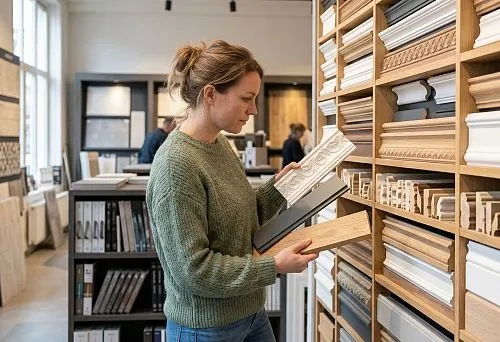
Moldings — these are elements capable of instantly transforming a space, endowing it with nobility and elegance. Moldings — exactly such elements that, like a conductor’s baton, control the perception of the interior, creating rhythm, accents, and depth. But where to buy moldings for decorationto obtain not just a decorative element, but a true tool of architectural expressiveness?
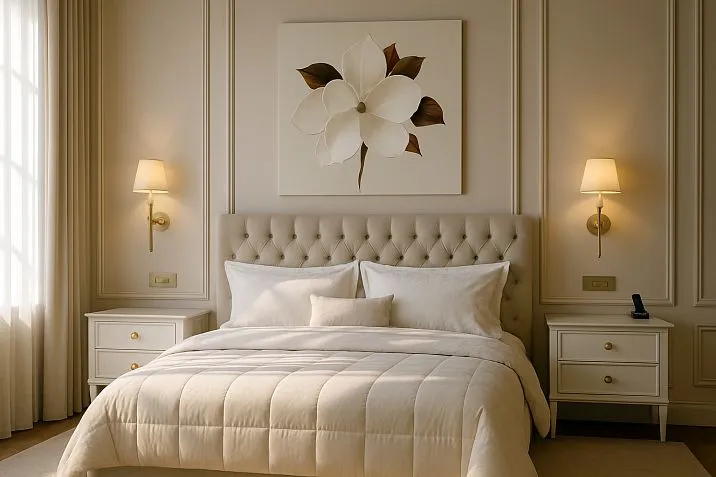
Moldings are more than decoration. They are the language of architecture, through which spaces speak. They are capable of visually altering the proportions of a room, creating an illusion of height or width, adding volume to flat surfaces or, conversely, calming overly active textures. Properly selected moldings become that invisible force which transforms an ordinary room into a work of art.


The anatomy of moldings: understanding the essence of decorative architecture




Historical Heritage in Modern Interpretation
Moldings trace their history back to ancient times, when ancient architects discovered the secret of how simple convex and concave lines can create visual effects of incredible power. Roman basilicas, Greek temples, Byzantine cathedrals — all were lavishly adorned with moldings, creating plays of light and shadow, rhythm, and movement.
Modern moldings have preserved this ancient wisdom, but enriched with new materials, manufacturing technologies, and design concepts. Today where to buy furniture decor and architectural elements of the highest quality, those who understand know: true beauty is born from the synthesis of traditions and innovations.
Our factory also produces:


Psychology of perception of architectural lines
Why do moldings possess such magical power to influence human perception? The answer lies in the peculiarities of our vision and psychology. The human eye automatically follows lines, especially clearly defined contours. Moldings create these lines, guiding the gaze, organizing space, creating a sense of order and harmony.
Horizontal moldings visually expand space, creating a sense of stability and calm. Vertical elements direct the gaze upward, creating dynamism and grandeur. Diagonal lines add movement and modernity. Curved moldings introduce softness and coziness.
Get Consultation
Typology of modern moldings
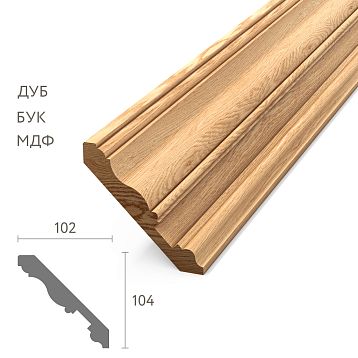
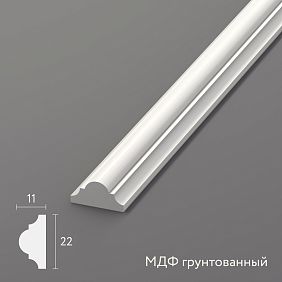
Modern classification of moldings is based not only on their shape but also on their functional purpose. Ceiling moldings create a transition between wall and ceiling, visually lifting it and adding grandeur to the room. Wall moldings organize the wall surface, create panels, frame openings.
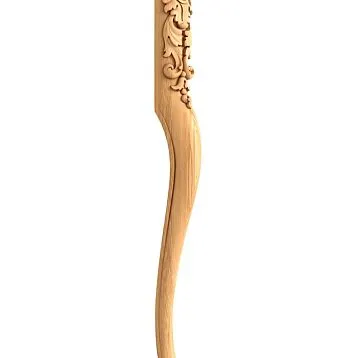
Furniture moldings — a special category requiring maximum precision in execution and ideal surface quality. They must harmoniously integrate into furniture construction, emphasizing its style and enhancing the aesthetic value of the product.
Molding materials: from classics to innovations
Natural wood: soul and character
Wooden moldings remain the gold standard of decorative art. Each wood species possesses unique characteristics that determine its application area and processing methods. Oak — the king among molding materials. Its dense structure allows creating sharp, thin profiles, while its pronounced texture imparts nobility and solidity to the finished product.
Ash attracts designers with its plasticity and ability to take on the most complex forms. Ash moldings are ideal for creating curved elements and complex profiles with multiple transitions. Beech is characterized by uniform structure and neutral color, making it a universal material for any stylistic solutions.
Exotic species — veneer, padauk, ebony — are used to create exclusive moldings with unique decorative properties. These materials require special processing technologies, but the result exceeds all expectations.
Composite Materials: Technologies of the Future
High-density MDF allows creating moldings with perfectly smooth surfaces and precise geometric parameters. Modern laminating technologies enable them to imitate any wood species with photographic accuracy. Where to Buy Moldings for Wall Decoration What about high-quality MDF? It is important to choose materials with low formaldehyde content and high density.
Polyurethane moldings are gaining popularity due to their lightness, moisture resistance, and ease of installation. They do not deform under temperature fluctuations, do not crack, and are easy to paint. Modern polyurethane moldings are virtually indistinguishable from wooden ones in appearance, but surpass them in performance characteristics.
Innovative solutions and smart materials
The development of technologies leads to the emergence of fundamentally new materials for moldings. Composites based on wood fibers and polymer binders combine the ecological properties of natural wood with the practicality of synthetic materials.
Moldings with integrated LED lighting transform decorative elements into light sources. Smart materials capable of changing color or texture depending on lighting conditions open new possibilities for interactive design.
Stylistic directions and areas of application
Classic styles: eternal values
Classicism, baroque, and Empire — these styles established the canon of molding usage in interior design. Strict geometric profiles, symmetrical compositions, noble proportions — the foundation of the classical approach to decorating with moldings.
Classic moldings require flawless craftsmanship. Any imperfection in geometry, surface roughness, or uneven coating immediately becomes noticeable and ruins the overall impression. Therefore, choosing a supplier of classic moldings is a matter of fundamental importance.
Modern trends: new aesthetics
Minimalism uses moldings as a means of organizing space, creating clear lines and accents. Here, functionality—not decoration—and precision of execution—not profile richness—are paramount.
High-tech integrates moldings into interior technological systems. Moldings with built-in lighting, touch-controlled elements, interactive surfaces — all of this has become a reality of modern design.
Loft uses moldings as a counterpoint to the brutality of industrial aesthetics. Thin metallic profiles and deliberately simple wooden strips create an interesting contrast with brick walls and concrete surfaces.
Ethnic styles: cultural diversity
Each culture has created its own unique tradition of using decorative elements. Russian carving, Scandinavian simplicity, Mediterranean luxury, Eastern refinement — all of this is reflected in modern moldings.
Unique Interiors Often built upon the thoughtful use of ethnic elements adapted to modern living conditions. Moldings play a key role in this, creating a cultural context for the interior.
Production technologies and quality control
Traditional methods: handcrafted work
Handmade moldings are an art passed down from generation to generation. The master carver works individually with each piece, considering the material’s characteristics and creating unique details. Such moldings have soul, character, and individuality.
Handcrafted work allows creating moldings of any complexity, adapting standard profiles to specific tasks, and restoring historical samples. However, the manufacturing time and cost of such items are significantly higher than those of mass-produced analogs.
Industrial production: precision and stability
Modern CNC machines ensure ideal geometric repeatability, high productivity, and stable quality. Computer control eliminates human factors, guaranteeing precision for each item.
Automated finishing lines ensure uniform coating, stable color, and durable protective layer. Multi-stage quality control at every production stage guarantees compliance with the highest standards for finished products.
Innovative technologies: the future is already here
3D printing opens new possibilities for creating moldings with complex geometry. The technology allows manufacturing elements impossible to create using traditional methods. Laser processing ensures ideal cutting precision, the ability to create complex ornaments and microtextures.
Nanotechnologies allow creating coatings with unique properties: self-cleaning surfaces, antibacterial coatings, materials with changing properties.
Installation and maintenance of moldings
Preparatory work: the foundation of quality
The quality of molding installation depends 80% on surface preparation. Walls must be perfectly level, cleaned of dust, and primed. Any irregularities will be emphasized by moldings, especially under side lighting.
Marking is a critically important stage. Using laser levels, special templates, and precise measurements ensure geometric accuracy of the composition. Errors in marking are practically impossible to correct without dismantling the entire structure.
Fastening technologies: reliability and aesthetics
Modern technologies offer various ways to fasten moldings. Adhesive bonding ensures invisible fasteners, but requires perfectly prepared surfaces and precise fitting of elements.
Mechanical fastening guarantees reliability, but requires additional operations to conceal fastening elements. Combined systems combine the advantages of both methods.
Maintenance and care: preserving beauty
Proper care extends the lifespan of moldings and preserves their original appearance. Regular dust cleaning, periodic renewal of protective coatings, and timely repair of minor damages — the foundation of long-term durability of decorative elements.
What new-generation furniture is made of — a question customers must receive comprehensive answers to. Eco-friendliness, durability, ease of care — specific advantages speak louder than abstract 'innovation'. And moldings in modern production? Knowledge of materials helps properly organize care for the items.
Economic aspects of purchasing moldings
Pricing: Cost Factors
The cost of moldings is influenced by many factors. The material used is the primary pricing element. Exotic wood species cost many times more than local ones, but possess unique decorative properties.
Profile complexity significantly affects the price. Simple rectangular moldings are affordable, while elements with complex geometry, multiple transitions, and decorative inserts cost significantly more.
Cost optimization: sensible economy
Smart planning can significantly reduce molding costs. Buying material in one batch ensures color and texture uniformity. Ordering standard sizes is cheaper than custom ones.
DIY installation of simple moldings can save up to 50% of the project cost. However, complex structures are better left to professionals — installation errors may cost more than the savings from labor.
Investment Appeal
Quality moldings are an investment in the long-term aesthetic value of the interior. They not only beautify the space today but also increase property value. Properly chosen moldings never go out of style.
Restoration moldings, made according to historical patterns, may increase in price over time, especially if the building has historical value.
Regional characteristics of the molding market
Moscow market: capital standards
The Moscow molding market is distinguished by the highest quality requirements and a wide range of offerings. It features both global brands and domestic high-class manufacturers. Competition drives continuous improvement in product and service quality.
Capital consumers are willing to pay for quality, uniqueness, exclusivity. This creates favorable conditions for the development of the premium market segment and the adoption of innovative technologies.
Regional centers: balance of accessibility
Major regional centers offer a compromise between capital quality and regional pricing. Local manufacturers often specialize in specific product types, achieving high expertise in their niche.
Proximity to raw material bases gives regional manufacturers advantages in working with natural materials. Control over the entire production chain ensures stable product quality.
International shipments: global standards
Imported moldings expand designers' options, offering unique materials, profiles, and technologies. European manufacturers traditionally lead in classic styles, while Asian manufacturers excel in innovative technologies.
However, imported products require more careful quality control, consideration of climatic conditions, and adaptation to Russian installation standards.
Trends and innovations in molding design
Ecological trends
Growing consumer environmental awareness stimulates the development of eco-friendly materials and molding production technologies. FSC certification, use of renewable resources, and waste-free technologies are becoming competitive advantages.
Recycling and reuse of materials open new opportunities for creating unique decorative elements with history and character.
Technological Innovations
Integrating electronics into decorative elements creates a new direction — functional decor. Moldings with built-in lighting, climate control, and acoustic systems transform decorative elements into technological solutions.
Smart coatings, capable of changing their properties depending on external conditions, open possibilities for creating adaptive interiors.
Personalization and Customization
Digital production technologies make molding customization accessible to mass consumers. Personal ornaments, individual sizes, and unique color solutions have become the norm, not the exception.
Modular systems allow creating infinite composition variations from standard elements, combining the cost-effectiveness of mass production with the individuality of the designer's approach.
Frequently asked questions about purchasing moldings
How to choose the right molding profile for a specific interior?
The choice of molding profile depends on the interior style, room size, ceiling height, and functional purpose of the element. Classic interiors suit complex multi-step profiles with rich detailing. Modern styles prefer minimalist geometric forms.
In small rooms, it is recommended to use moldings with simple profiles to avoid overcrowding the space. In spacious rooms, more expressive elements can be used. Ceiling height also affects the choice: low ceilings require delicate moldings, while high ceilings allow the use of substantial elements.
What material is best for moldings in humid areas?
For bathrooms, kitchens, and other humid areas, it is recommended to choose moisture-resistant materials. Polyurethane moldings have excellent moisture resistance and do not deform due to humidity fluctuations.
If a natural material is essential, choose hardwoods with quality moisture protection. Larch, oak, and exotic woods have natural resistance to moisture.
Can moldings be installed by oneself?
Installation of simple moldings is accessible to homeowners with basic tool-handling skills. Required tools: circular saw, level, tape measure, adhesive or fasteners. Accurate marking and tight fitting of elements are crucial.
Complex constructions, illuminated moldings, and restoration work are best entrusted to professionals. Errors in installation may require complete redoing.
How to calculate the required amount of moldings?
The calculation depends on the room's configuration and design concept. For perimeter moldings, measure the length of all walls and add 10-15% for trimming and possible errors. When creating panels or decorative compositions, create a detailed plan with precise dimensions.
Consider standard molding lengths (usually 2-2.4 m) when planning joints. Minimizing the number of connections improves the appearance of the finished structure.
How to care for installed moldings?
Care depends on the molding material. Lacquered wooden elements require regular dry cleaning and periodic renewal of the protective layer. Polyurethane moldings can be cleaned with a damp cloth and mild cleaning agents.
Avoid using abrasive materials and aggressive chemicals. In case of damage, consult professionals for professional restoration.
Do moldings affect the acoustics of a room?
Moldings can improve the acoustic properties of a room by dispersing sound waves and reducing echo. Especially effective are elements with complex profiles, creating multiple reflective surfaces.
To enhance the acoustic effect, sound-absorbing materials can be placed behind moldings. In home theaters and music rooms, moldings are often integrated into the acoustic treatment system.
Can ready-made moldings be painted?
Most moldings can be repainted, but the technology depends on the material and existing finish. Lacquered wooden moldings require surface preparation — sanding and priming.
Polyurethane moldings accept water-dispersible paints without special preparation. For a professional result, it is recommended to use an airless sprayer or high-quality brushes.
How to combine moldings with other decorative elements?
Moldings should harmonize with the overall interior style and other decorative elements. In classical interiors, they combine with stucco, cornices, pilasters. Modern styles combine moldings with metal profiles, glass panels.
It is important to observe proportions and not overload the interior with decorative elements. It is better to use fewer elements, but ensure their high quality and proper placement.
Conclusion: moldings as an investment in beauty
Finding an answer to the question where to buy moldings for decoration It leads to understanding that moldings are not just decorative elements, but tools for creating architectural expressiveness. They can radically change the perception of space, create the desired atmosphere, highlight the individuality of the owner.
The modern market offers unlimited opportunities for creativity — from traditional handcrafted wooden items to high-tech composite materials with unique properties. The key is to find a balance between aesthetic preferences, functional requirements, and budgetary possibilities.
Quality moldings are a long-term investment in the beauty and comfort of living space. They are not subject to fashion whims, always remain relevant, and increase property value. Properly selected and professionally installed moldings serve for decades without losing their appeal.
Technological progress makes high-quality moldings more accessible, opens new possibilities for personalization and functionality. Ecological trends stimulate the development of sustainable materials and technologies.
When choosing a molding supplier, consider not only price but also product quality, consultants' professionalism, product range, and availability of additional services. where to buy decor Highest quality with a guarantee of professional service? Choosing a reliable supplier is the key to successfully implementing the most ambitious design projects.
The company STAVROS embodies the best traditions of decorative element production, combining long-standing experience with a readiness for innovation. In-house production, strict quality control at all stages, wide product range, and individual approach to each project make STAVROS an ideal partner for those who value quality, reliability, and professionalism. Working with STAVROS, you receive not just moldings, but tools for creating interiors that will delight the eye and serve for many years, confirming the correctness of your choice every day.