Article Contents:
- History and significance of wood materials
- Modern trends in wood usage
- Main types of wood materials
- Solid wood
- Plywood
- Particle board (PB)
- MDF (Medium Density Fiberboard)
- Laser Cutting
- Routing and sanding
- Thermal treatment
- Chemical treatment and lacquering
- Wood species
- Raw material condition
- Surface Treatment
- Ecological certifications
- Cost and quality guarantee
- Construction and Architecture
- Furniture manufacturing
- Interior and decorative design
- Landscape Design
- Restoration and reconstruction
- Market analysis and supplier selection
- Sample Quality Assessment
- Storage and transportation conditions
- Warranties and after-sales service
- Comparison with synthetic materials
- Increase in property value
- Ecological trends and support for sustainable development
- Interior projects
- Architectural objects
- Furniture manufacturing
In today's world, where the desire for eco-friendliness and naturalness is becoming increasingly relevant, the question of where tobuy wood materialspurchase wood materials assumes special importance for builders, designers, craftsmen, and simply enthusiasts of natural materials. Wood has always been a symbol of warmth, comfort, and durability, and modern technologies allow not only to preserve its natural beauty but also to ensure high-quality processing. In this article, we will consider all aspects of purchasing wood materials, their types, application specifics, as well as discuss the criteria that should be considered when choosing to ensure the purchase is as cost-effective and long-lasting as possible.


History and significance of wood materials
Wood is one of the oldest construction and finishing materials used by humanity since ancient times. For centuries, wood has been valued for its strength, unique appearance, and ability to create a cozy atmosphere. From wooden houses and carved items to modern designer structures — wood has always remained a symbol of naturalness and durability.
The advantage of natural material lies not only in its eco-friendliness but also in the possibility of creating unique items with an individual character. That is why many specialists recommendbuy wood materialsbecause they can bring warmth and natural aesthetics to the interior, as well as create conditions for long-term use of buildings and structures.




Modern trends in the use of wood
Modern construction and design actively use wood due to its versatility and ecological safety. In recent decades, there has been an increase in demand for solid wood products, which is due to several factors:
● Ecological safety. Natural raw material does not contain harmful impurities and is safe for health.
● Aesthetic appeal. Wood has unique textures, shades, and patterns, allowing for the creation of exclusive items.
● Durability and strength. When properly processed, wood retains its properties for decades.
● Ease of processing. Modern technologies allow for precise and rapid processing of wood, transforming it into items of any complexity.
Thus, the decisionbuy wood materials becomes a reasonable choice for those who value quality, ecology, and aesthetic harmony in the interior.
Our factory also produces:


Main types of wood materials
When selecting wooden materials, it is necessary to consider not only appearance but also the physical and mechanical properties of different species. Below are the main types of materials that can be purchased:
Get Consultation
Solid wood
Solid wood is a whole material obtained from a natural trunk without veneer or glued joints. It is valued for its high strength, durability, and unique texture. When choosing solid wood, attention should be paid to even coloring, absence of knots and cracks, as well as proper drying of the material.
Using solid wood in the interior allows creating an atmosphere of luxury and comfort, as well as ensuring high wear resistance of structures. If you planbuy wood materials to create exclusive furniture or decorative elements, solid wood will be an ideal choice.
Plywood
Plywood is made by gluing several layers of wood under high pressure. This material is characterized by dimensional stability, strength, and uniform texture. Plywood is widely used for furniture manufacturing, interior finishing, as well as in construction for creating partitions and structures.
When choosing plywood, it is important to consider the material class, as it determines its operational characteristics. When purchasing plywood for critical structures, it is better to choose higher-grade products that ensure longevity and resistance to loads.
MDF (Medium Density Fiberboard)
MDF is a material obtained by pressing wood fibers with the addition of binders. It has high strength and is used for making furniture, shelves, and other items. Despite its lower cost, MDF requires quality finishing and protection to avoid deformation and damage from moisture.
MDF (Medium Density Fiberboard)
MDF is a material made from wood fibers pressed using resins and adhesives. It has a uniform structure, allowing its use for manufacturing items with complex decorative elements. MDF is widely used in furniture production, especially for creating smooth surfaces ready for painting or varnishing.
Woodworking technologies
Quality wood processing is the key to the longevity and aesthetic appeal of the final product. Modern production lines are equipped with advanced technologies that significantly improve the physical and chemical properties of the material and ensure high processing accuracy.
Laser cutting
One of the most innovative technologies is laser cutting. This method allows cutting complex patterns and shapes with minimal tolerances, which is especially important when creating decorative elements and exclusive structures. Laser cutting ensures a clean cut, minimizing the risk of chips and cracks.
Milling and sanding
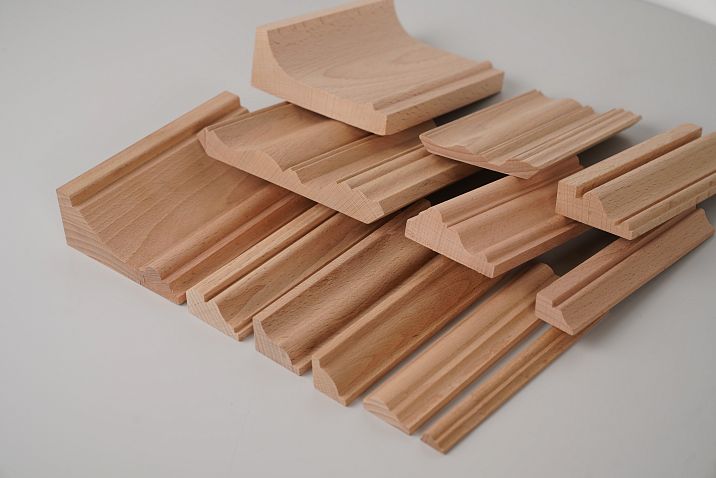
Milling is a process in which special equipment is used to process the wood surface, creating complex relief patterns. Sanding completes the processing, giving the item a smooth and even surface ready for protective coatings.
Thermal treatment
Thermal treatment of wood increases its resistance to biological pests and improves mechanical properties. At the same time, the natural qualities of the material are not lost, and its appearance becomes more saturated and attractive.
Chemical treatment and lacquering
Special chemical compounds and lacquers are used to protect wood from moisture, fungi, and insects. Lacquering not only protects the surface but also highlights the natural texture and color of the wood, making the product more durable and aesthetically appealing.
Advantages of purchasing natural materials
Solutionbuy wood materials has several obvious advantages that make it attractive to a wide range of customers:
- Ecological safety. Natural wood does not emit harmful substances and does not cause allergic reactions, which is especially important for residential and public buildings.
- Durability. With proper treatment and maintenance, wooden items can last for decades, preserving their aesthetic and functional qualities.
- Aesthetic value. Wood has a unique texture and shades, allowing for the creation of exclusive interiors and items that reflect the owner's individuality.
- Restorability. In case of damage, wooden items can be easily restored using modern restoration methods.
- Warmth and comfort. Natural material creates an atmosphere of coziness and harmony, contributing to a comfortable microclimate in the room.
How to choose wood materials: quality criteria
When purchasing wood materials, it is necessary to consider many factors to ensure the selected material meets your expectations and operational requirements. Let us consider the main criteria to pay attention to:
Wood species
Each wood species has its own unique properties. For example, oak is known for its high strength and resistance to wear, while beech has elasticity and ease of processing. When selecting material, it is important to understand for what purposes it will be used and choose a species that meets specific requirements.
Raw material condition
Quality wood should be properly dried, free of cracks, knots, and other defects that may affect its performance. Carefully inspect the material before purchase to ensure its uniformity and consistency.
Surface treatment
Different processing technologies can significantly affect the final quality of the product. For example, solid wood processed with laser cutting and subsequent sanding will have a perfectly smooth surface, while unprocessed material may contain roughness and irregularities.
Ecological certificates
When selecting materials, special attention should be paid to the ecological purity of the product. Reliable manufacturers are always ready to provide certificates of quality and ecological safety, guaranteeing the absence of harmful impurities in the material.
Cost and quality warranty
Price is an important, but not the only criterion. Do not choose the cheapest option if it does not meet quality standards. It is better to invest in proven materials that will last long and continue to please you with their appearance and performance.
Application of wood materials in various fields
Wood materials are widely used in various industries. Let us consider the main areas of their application.
Construction and architecture
In construction, wood is used to create frames, support structures, facade cladding, and interior partitions. Natural material allows for creating unique architectural solutions that combine traditional style with modern technologies. With a proper approach, the use of wood materials ensures not only aesthetic appeal but also high structural strength.
Furniture production
Furniture production is one of the most in-demand applications of wood. Manufacturing furniture from natural solid wood or high-quality wood panels allows creating exclusive items with high durability and unique texture. Each detail, whether a table, chair, or cabinet, adds a special charm and naturalness to the interior.
Interior and decorative design
Wood is actively used to create decorative elements in interior design: panels, cladding, carved ornaments, and decorative partitions. Natural textures imprinted in the material create an atmosphere of coziness and warmth, bringing elements of living nature into the room. This approach not only refreshes the appearance of the space but also gives it individuality and exclusivity.
Landscape design
In landscape design, wood is used to create gazebos, pergolas, garden furniture, and decorative elements. Natural material blends organically with the surrounding nature, helping to create harmonious and cozy zones for rest and socializing.
Restoration and reconstruction
When restoring historical buildings and reconstructing cultural heritage sites, the use of natural wood allows preserving the authenticity and historical value of the objects. Restoring original wooden structures, interior details, and decorative elements helps revive past beauty and create an atmosphere of antiquity.
Practical advice on purchasing wood materials
If you have decidedbuy wood materialsIt is useful to know what to pay attention to when choosing a supplier and concluding a deal. Below are the main recommendations:
Market analysis and supplier selection
Conduct market analysis before purchasing, study offers from different suppliers, compare prices, delivery conditions, and warranty service. Pay attention to customer reviews, presence of quality certificates, and company history. A reliable supplier will always be ready to provide full information about the origin and characteristics of the materials.
Sample quality assessment
If possible, request material samples for quality assessment. Examine the surface, check color uniformity, absence of defects, and texture consistency. Such a test will help ensure that the material meets the stated specifications and will successfully be used in your project.
Storage and transportation conditions
Wood materials require special storage and transportation conditions to avoid deformation and damage. Clarify how delivery will be organized, whether the material will be protected from moisture and temperature fluctuations. These aspects are especially important when ordering large batches of raw materials for construction or furniture production.
Warranties and After-Sales Service
A reliable supplier provides a warranty on their products and ensures support in case of defects or non-conformity. Discuss return and exchange conditions to be able to promptly resolve any issues if necessary.
Economic benefit and investment attractiveness
Purchasing natural materials is not just an expense item, but also a long-term investment. High-quality wood can last for decades, providing structural stability and maintaining aesthetic appeal. Investments in natural raw materials pay off through minimal repair and restoration costs, as well as increasing the value of finished products and real estate.
Comparison with synthetic materials
Unlike synthetic analogs, natural materials have advantages such as resistance to mechanical damage, ecological safety, and restorability. Despite a slightly higher purchase cost, the longevity and high operational reliability of wood make it an economically advantageous choice.
Increase in property value
Using natural materials, especially in construction and furniture production, contributes to increasing the market value of properties. Homes decorated with quality wood are in high demand, and furniture made from natural solid wood becomes a source of pride and a prestigious investment.
Ecological trends and support for sustainable development
Current economic and ecological trends aim to support sustainable development and environmentally clean technologies. By purchasing natural materials, you not only contribute to creating a comfortable and healthy space, but also support projects aimed at preserving forests and rational use of natural resources.
Examples of successful application of wood materials
To highlight the practical value of natural raw materials, consider several examples of successful wood application in various projects:
Interior design projects
In one of the modern design solutions, solid wood panels were used to clad the living room walls. Thanks to the natural texture and warm tone of the material, the interior acquired a unique coziness and elegance. Such a project demonstrates that properly selected materials can create an atmosphere of harmony and luxury in any space.
Architectural objects
Historical buildings undergoing restoration often use natural wood. Preserving original structures and applying modern processing technologies allow not only to maintain historical value but also to improve the operational characteristics of the objects. In such cases, purchasing quality materials becomes a guarantee of successful restoration.
Furniture production
Many furniture companies choose natural wood to create exclusive furniture collections. Items made from solid wood, produced using innovative technologies and traditional processing methods, are distinguished by high strength and unique design. These projects become examples of how to combine traditional craftsmanship with modern design trends.
Future of natural materials: innovations and sustainability
As technology for wood processing improves each year, it enables achieving new heights in product quality and aesthetics. New processing methods, such as digital modeling, laser cutting, and nanotechnology applications, open up limitless possibilities for creating exclusive solutions in construction, design, and furniture production.
The development of eco-friendly technologies and support for sustainable development play a key role in the future of natural materials. Modern research enables optimization of drying processes, improvement of chemical treatments, and development of innovative methods for protecting wood from biological damage. This makes purchasing high-quality materials especially attractive for those aiming to create durable, aesthetically pleasing, and safe objects.
Conclusion
The market for natural wood materials offers a wide range of opportunities for those who wishbuy wood materials to realize their ideas. Regardless of whether you are building a house, involved in furniture production, or implementing design projects, wood remains a choice that combines ecological safety, durability, and aesthetic appeal.
Choosing natural materials, you invest in quality, safety, and beauty that do not lose their relevance over time. Proper selection of wood, consideration of all technological and ecological aspects, and cooperation with trusted suppliers allow creating products capable of pleasing the eye and serving for many years.
Modern processing technologies, innovative protection methods, and support for sustainable development make purchasing natural materials especially advantageous and promising. By acquiring quality raw materials, you not only ensure reliability and longevity but also support the development of environmentally clean technologies contributing to nature conservation.
Thus, the decisionbuy wood materials This is an investment in the future that combines traditional values with modern scientific and technological achievements. It is an opportunity to create unique, eco-friendly, and long-lasting objects capable of inspiring and delighting for many years.
Natural wood is not just a material, but a living element that brings warmth, comfort, and individuality to a space. Approach the selection of wooden materials thoughtfully, considering all quality criteria, and you will surely find the ideal solution for realizing your projects. Let every project executed using natural materials become a testament to the fact that the beauty of nature and modern technology can go hand in hand, creating a future full of harmony and stability.
In conclusion, purchasing natural wooden materials is not merely a commercial transaction, but the beginning of a journey where traditional knowledge and innovative technologies unite to create something truly unique and enduring. Choose quality, eco-friendliness, and proven technologies, and let every element of your project tell a story of eternal beauty and enduring value of nature.