Article Contents:
- Evolution of furniture decor: from craft to art
- Psychology of perceiving furniture decor
- Classification of furniture decor: variety of choice
- Applied decorative elements: the heart of furniture art
- Hardware as a decorative element
- Legs and supports: the foundation of style
- Materials for furniture decor: choice for centuries
- Natural Wood: Classic Beyond Time
- Modern composite materials
- Metallic Elements
- Stylistic directions in furniture decoration
- Classic styles: traditions and luxury
- Manufacturing and Installation Technologies for Fireplace Surrounds
- Production technologies of furniture decor
- Traditional wood carving
- CNC machining
- Casting and molding
- Regional characteristics of the furniture decor market
- Moscow market: the epicenter of innovations
- Saint Petersburg: traditions of craftsmanship
- Regional centers: specialization and accessibility
- Criteria for choosing quality furniture decor
- Style and proportions compatibility
- Material quality and manufacturing
- Functionality and ergonomics
- Installation and mounting of furniture decor
- Surface Preparation
- Mounting methods
- Final finishing
- Care and maintenance of furniture decor
- Regular Cleaning
- Preventive maintenance
- Restoration
- Trends in Furniture Decoration Development
- Eco-Friendly Materials
- Smart technologies
- Personalization
- Economic aspects of purchasing furniture decor
- Price-to-Quality Ratio
- Investment attractiveness
- Frequently Asked Questions
- Conclusion
Have you ever stood before an ordinary chest or cabinet and thought: 'How I wish this furniture could speak, tell its story, become part of the soul of the home'? It is precisely in such moments that one realizes how important furniture decor is. But here lies the paradox of modernity: in the age of mass production, finding truly quality decorative elements has become harder than finding a pearl in the depths of the sea. where to buy furniture decorWhich will not just decorate, but transform your interior items? This question troubles millions of people striving to create a dream home.
Furniture decor is not just decoration. It is the language your interior speaks. Every applique, every carved detail, every hardware element tells a story about the owner's taste, their understanding of beauty, their pursuit of perfection. In a world where individuality has become luxury, a correctly chosen furniture decor becomes an investment in one's own uniqueness.



Evolution of furniture decor: from craft to art
Furniture decor has undergone an amazing journey from simple functional elements to high art. Looking into history, the first decorative elements appeared not from a desire for beauty, but from practical necessity. Cast appliques protected the corners of chests from damage, carved elements concealed joints of parts, hardware ensured the reliability of structures.
But human nature is such that even the most utilitarian things we strive to make beautiful. Gradually, protective appliques turned into works of art, simple handles became jewelry, and ordinary supports became architectural elements.




Psychology of perceiving furniture decor
Why does the same furniture with decor and without it appear fundamentally different? The answer lies in the peculiarities of human perception. The brain automatically seeks details that can tell the story of an object. Smooth surfaces of mass production do not provide food for imagination. But a carved applique, an elegant handle, a decorative leg — each element becomes a hook for imagination.
Neuropsychologists claim: objects with rich detailing activate brain areas responsible for creative thinking and positive emotions. That is why people feel more comfortable and confident in rooms with well-decorated furniture.
Our factory also produces:


Furniture Decor Classification: Variety of Choices
Modern furniture decor can be divided into several main categories, each performing its own functions and creating a specific atmosphere in the interior.
Get Consultation
Applied decorative elements: the heart of furniture art
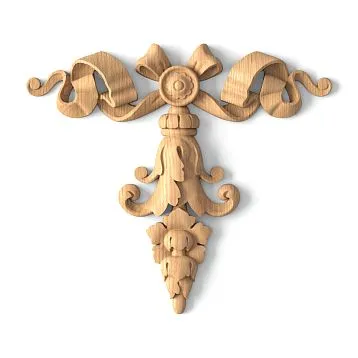
Appliances are, perhaps, the most expressive part of furniture decor. They can radically change the perception of an object, turning an ordinary facade into a work of art. Modern Inlays for furniture are amazed by the variety of shapes, sizes, and styles.
Carved wooden appliques retain the warmth of the master's hands. Each grain, each swirl tells of hours of meticulous work. Such elements are especially valued in classical and neoclassical interiors, where connection with traditions is important.
Polymer appliques open up boundless opportunities for realizing the boldest design ideas. Modern technologies allow creating elements of incredible complexity and detail, unavailable when working with natural materials.
Metallic appliques bring an industrial chic or classic luxury to furniture, depending on the chosen material and finish. Bronze, brass, steel, aluminum — each metal creates its own mood.
Hardware as a decorative element
The times when hardware was purely functional have long passed. Modern Furniture Handles are full-fledged decorative elements capable of setting the tone for the entire interior.
Solid wood handles create a sense of naturalness and eco-friendliness. Each wood species has its own character: oak — solid and reliable, walnut — noble and warm, beech — dynamic and modern.
Wrought iron handles highlight the uniqueness of furniture, making each piece unique. Hand-forging allows creating elements of any complexity, from simple geometric forms to intricate floral ornaments.
Designer hardware made from modern materials opens new horizons for creativity. Combining different textures, playing with light and shadow, unusual shapes — all this makes modern hardware a work of art.
Legs and supports: the foundation of style
Furniture legs are not just structural elements, but the foundation of the style of the entire piece. Changing the legs can radically transform furniture, giving it an entirely different character.
Turned legs in classic forms create a sense of stability and tradition. Such elements are ideal for furniture in Provence, shabby chic, and English classic styles.
Carved legs with rich decoration turn furniture into luxurious interior pieces. Floral ornaments, geometric patterns, stylized animal motifs — each detail carries a meaningful load.
Modern designer legs are characterized by minimalist forms and unusual materials. Combining wood with metal, using composite materials, playing with proportions create unique visual effects.
Materials for furniture decor: a choice for centuries
Choosing a material for furniture decor determines not only the appearance, but also durability, performance characteristics, and compatibility with various interior styles.
Natural wood: classic beyond time
Wood remains the king of materials for furniture decor. Wood materials for furniture possess unique properties that cannot be artificially reproduced.
Oak is a symbol of strength and longevity. Decorative elements made of oak can serve for centuries, acquiring a noble patina over time. The large, expressive texture of oak creates memorable visual images.
Walnut is valued for its beauty and plasticity. This species is ideal for creating complex carved elements requiring fine detailing. The color range of walnut, from light brown to dark chocolate, allows selecting the optimal option for any interior.
Beech is distinguished by high strength and clearly expressed texture. Contrasting annual rings create a dynamic pattern, especially effective in modern interiors.
Birch attracts with its fine, uniform texture and ability to take on various shades when stained. This species is ideal for decorative elements in Scandinavian style.
Modern composite materials
Technological advancements have opened new possibilities for creating furniture decor. Modern composite materials combine the best properties of various components.
High-density MDF allows creating elements of complex shapes with clear detailing. The ability to mill thin details makes this material indispensable for reproducing classic profiles.
Polyurethane composites have high detail at low weight. They are not afraid of moisture, do not crack, are easy to assemble and can be painted in any color.
Wood-polymer composites (WPC) combine the beauty of natural wood with the practicality of plastic. These materials require no special care, are not susceptible to insect or mold damage.
Metal elements provide dimensional stability and high strength. Their geometry remains unchanged during operation, simplifying calculations and ensuring compliance with safety standards throughout the service life.
Metal in furniture decor is always an accent, a statement of style and character of the interior. Different metals create radically different moods.
Brass and bronze bring notes of classic luxury. These metals are especially effective when combined with dark wood tones — creating a contrast of textures and colors.
Stainless steel fits perfectly into modern interiors. Its cool sheen highlights the technology and functionality of furniture.
Blackened metal creates an industrial aesthetic, popular in loft style. Intentionally rough texture contrasts with the elegance of other materials.
Stylistic Directions in Furniture Decoration
Each interior style has its own requirements for furniture decor. Understanding these specifics helps make the right choice.
Classic styles: traditions and luxury
Classic interiors require decor that adheres to historical canons. Here, beauty is important, but so is proportion, use of traditional ornaments and materials.
Baroque implies maximum ornamentation. Carved appliqués with floral motifs, gilded elements, complex curved forms — all must demonstrate luxury and status.
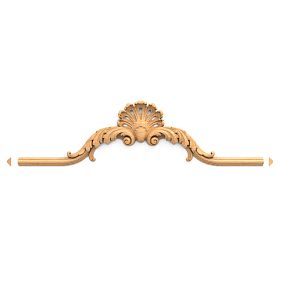
Rococo requires more delicate, refined forms. Asymmetrical ornaments, shell and scroll motifs, pastel tones — characteristic features of this style.
Empire is distinguished by strictness and symmetry. Geometric ornaments, military symbolism, use of bronze and gold create a solemn atmosphere.
Modern styles: functionality and minimalism
Modern styles impose different requirements on furniture decor. Here, opulence is not important, but functionality is; detail is not important, but simplicity is.
Minimalism requires extreme simplicity of forms. Decorative elements should be practically invisible, emphasizing the furniture's structure rather than distracting from it.
Scandinavian style implies using natural materials in their natural form. Light wood, simple shapes, functionality — core principles.
Loft allows for roughness and deliberate simplicity. Metal elements with rust patina, untreated wood, industrial hardware create an authentic atmosphere.
Technologies for producing furniture decor
Modern production technologies allow creating decorative elements of unprecedented complexity and quality.
Traditional wood carving
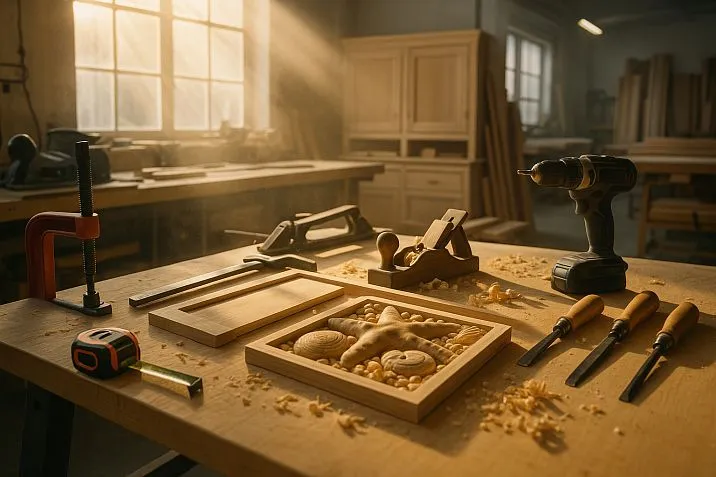
Hand carving remains the pinnacle of craftsmanship in creating furniture decor. Each element is unique, bearing the mark of the artisan's personality. Traditional carving techniques are passed down from generation to generation, preserving a connection to historical roots.
Flat carving creates ornaments on the surface of wood without significant changes in thickness. This technique is ideal for decorating flat surfaces.
Relief carving allows creating three-dimensional compositions of any complexity. Floral ornaments, figurative images, architectural details — possibilities are limited only by the master's imagination.
Through carving creates lace-like elements made of wood. This technique requires the highest level of skill and is used to create exclusive items.
CNC milling
Modern CNC milling machines have revolutionized furniture decor production. Computer control ensures perfect repeatability of elements and allows creating profiles of any complexity.
3D milling opens up possibilities for creating volumetric elements with high detail. Complex reliefs, imitating handwork, can be reproduced with perfect accuracy.
Multi-axis machines allow processing blanks of complex shapes in a single setup, significantly improving quality and reducing production costs.
Casting and Molding
Polymer decorative elements are produced by casting into special molds. This technology allows creating elements of complex shapes with high detail at relatively low cost.
Silicone molds ensure accurate transfer of all original details. Modern polymer materials allow creating elements indistinguishable from carved wooden analogs.
Rotational molding is used to create large hollow elements. This technology allows significantly reducing the weight of items while maintaining strength.
Regional characteristics of the furniture decor market
Moscow market: the epicenter of innovation
Moscow, as the capital of Russia, has concentrated the finest examples of furniture decoration. Here you will find leading global brands as well as innovative Russian manufacturers. where to buy decor Of the highest quality in Moscow — this question has many answers.
Moscow design centers offer a full range of services, from consultations to custom manufacturing. High competition stimulates continuous improvement in quality and expansion of the product range.
Proximity to European suppliers ensures access to the latest developments and materials. Many Moscow companies have exclusive contracts with leading European manufacturers.
Saint Petersburg: traditions of craftsmanship
The Northern capital is renowned for its traditions in decorative and applied arts. Petersburg masters preserve and develop classical techniques, creating furniture decoration elements of museum-quality.
Imperial traditions are reflected in modern items. Complex multi-tiered compositions, rich gilding, delicate detailing — characteristic features of the Petersburg school.
Regional centers: specialization and accessibility
Regional manufacturers often specialize in certain types of furniture decoration, achieving high mastery in their niche. This allows them to offer quality products at more accessible prices.
Tula masters are renowned for artistic metalworking. Wrought decorative elements created by Tula artisans adorn furniture around the world.
Vologda carvers continue the traditions of Russian wooden toys, creating unique decorative elements with national character.
Criteria for selecting quality furniture decoration
Choosing furniture decoration is a responsible decision that affects not only the appearance of the furniture but also its durability, functionality, and cost.
Style and proportions compatibility
Decorative elements must harmonize with the overall style of the furniture and interior. A baroque applique on a minimalist facade will look ridiculous, as will a simple handle on a luxurious chest of drawers.
Proportions play a key role. Too large elements overwhelm the furniture, while too small ones disappear and fail to fulfill their decorative function.
Material quality and craftsmanship
Quality furniture decoration must be made from quality materials and meet all technological requirements. Surface irregularities, chips, cracks, and dimensional inaccuracies are signs of low quality.
Wooden elements must be properly dried. Moisture above 12% may lead to deformation and cracking. The surface must be smooth, without scratches or chips.
Metallic elements must have quality coatings protecting against corrosion. Surface imperfections, drips, inclusions — are unacceptable.
Functionality and ergonomics
Decorative elements should not interfere with furniture use. Protruding details may snag clothing, sharp edges — may injure users.
Handles must be comfortable to grip, legs — ensure furniture stability, appliques — should not hinder opening drawers or doors.
Installation of furniture decoration
Quality installation is the guarantee of durability and aesthetic appeal of furniture decoration. Different elements require different installation approaches.
Surface preparation
The furniture surface must be carefully prepared before installing decorative elements. Cleaning from dust and contaminants, degreasing, and if necessary — sanding — ensures quality adhesion.
Marking must be done with maximum precision. Using templates and measuring tools eliminates errors that may ruin the overall appearance.
Methods of mounting
The choice of mounting method depends on the decoration material, base, requirements for disassembly, and aesthetic considerations.
Adhesive bonding provides maximum aesthetic appeal — no visible fasteners. Modern adhesives create bonds stronger than the materials themselves.
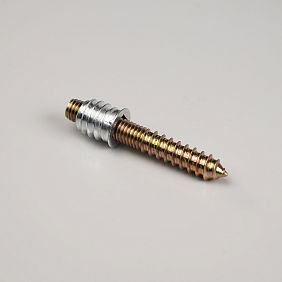
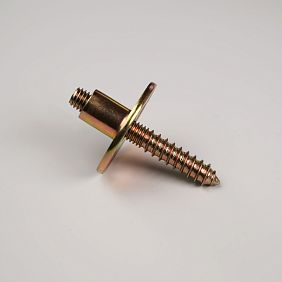
Mechanical fastening is more reliable and allows for disassembly if needed. Self-tapping screws, bolts, and special fasteners are chosen depending on specific conditions.
Combined fastening combines the advantages of both methods. Adhesive ensures even load distribution, while mechanical fastening provides additional reliability.
Final finishing
After installing decorative elements, additional processing may be required. Fitting joints, sanding, painting, and varnishing — all these operations affect the final result.
A well-executed installation should create the impression that decorative elements have always been part of the furniture. No gaps, unevenness, glue marks, or fasteners.
Care and maintenance of furniture decor
Proper care extends the lifespan of furniture decor and preserves its original beauty.
Regular cleaning
Different materials require different cleaning methods. Wooden elements are best cleaned with a dry, soft cloth or specialized wood cleaners.
Metallic elements can be wiped with a damp cloth and mild cleaning agents. Abrasive materials may damage the finish.
Polymer elements are the least demanding in care. They are easily cleaned with regular household cleaners.
Preventive Maintenance
Periodic inspection of decorative elements allows problems to be identified early. Loose fasteners, cracks, or peeling finishes—all require immediate attention.
Timely correction of minor defects prevents them from developing into serious problems.
Restoration
Even high-quality decor may require restoration over time. Modern materials and technologies allow elements to be restored almost to their original state.
Professional restoration can revive even severely damaged elements of antique furniture.
Trends in furniture decoration development
The world of furniture decor is constantly evolving, with new materials, technologies, and design approaches emerging.
Eco-Friendly Materials
Growing attention to ecology stimulates the development of new, safer materials for furniture decor. Biodegradable polymers, recycled materials, and natural composites open up new possibilities.
Smart Technologies
Integrating electronic components into furniture decor creates new functional capabilities. Lighting, sensors, wireless charging—furniture becomes smart.
Personalization
3D printing and other digital technologies make furniture decor customization accessible. Each element can be unique, designed specifically for a particular interior.
Economic aspects of purchasing furniture decor
Price-to-quality ratio
The price of furniture decor can vary over a very wide range. It is important to understand what you are paying for and choose the optimal price-to-quality ratio for your needs.
Cheap mass-produced elements may be suitable for temporary solutions, but they are unlikely to ensure longevity and aesthetics.
Mid-range priced items often offer the optimal quality-to-price ratio for most applications.
Handmade exclusive items are expensive, but justify their cost through uniqueness and craftsmanship quality.
Investment Appeal
Quality furniture decor is an investment in the long term. Good elements can serve for decades without losing their appeal.
Moreover, furniture with quality decor has a higher resale value.
Frequently asked questions
Can decor from different manufacturers be used on one piece of furniture?
Yes, but it is important to ensure stylistic and color harmony. It is better to choose elements from the same collection or at least the same style. Mixing different styles requires professional design intuition.
How to determine the quality of furniture decor when purchasing?
Pay attention to manufacturing precision, surface quality, and conformity to stated dimensions. Quality elements have smooth edges, a smooth surface, and clear pattern details.
What to give a cabinetmaker on a professional holiday?
Handmade decorative elements are always appreciated by professionals. This may be a carved inlay, a forged handle, or a set of quality hardware.
How long does it take to make custom decor?
The production time depends on the complexity of the element and the production workload. Simple elements may be ready in a few days, while complex exclusive items may take several weeks or months.
Can furniture decor be installed by oneself?
Simple elements (handles, small inlays) can be installed independently if you have basic skills and tools. Complex elements are better left to professionals.
How to care for gilded elements?
Gilded elements require delicate care. Use only soft fabrics and special gold cleaning agents. Avoid abrasive materials and aggressive chemical cleaners.
Is modern hardware compatible with antique furniture?
With proper selection, modern Furniture hardware can harmoniously complement antique pieces. It is important to consider the style, proportions, and materials of the original furniture.
Does decoration affect the strength of furniture?
Properly installed decoration can even increase the strength of furniture by reinforcing critical areas. However, improper installation or using heavy elements on lightweight structures may cause problems.
Conclusion
Furniture decoration is not just ornamentation — it is a way to express individuality, create a unique interior, and invest in the comfort and beauty of your home. Thoughtfully chosen elements can transform ordinary furniture into exclusive interior pieces.
The modern market offers limitless opportunities for creativity — from classic solutions to avant-garde experiments. The key is to find a balance between beauty and functionality, tradition and innovation, individuality and harmony.
Choosing a reliable supplier of quality furniture decoration is key to successfully implementing any design project. Decor where to buy in Moscow and other regions of Russia — this question has a clear answer for those who value professionalism, quality, and individualized approach.
For many years, STAVROS has remained a leader in the production and supply of high-quality furniture decoration. The combination of long-term experience, modern technologies, deep understanding of customer needs, and strict adherence to quality standards makes STAVROS the ideal partner for realizing the boldest design ideas. In-house full-cycle production, extensive product range, individual approach to each order, and professional support at every stage of cooperation — these are what distinguish STAVROS from competitors and make the choice obvious for those striving for perfection.