Article Contents:
- What determines the superiority of oak timber
- Natural protection and biostability
- Size range and technical specifications
- Quality grades and sorts
- Application areas: versatility of oak timber
- Structural construction
- Decorative and finishing works
- Economic aspects: investment in quality
- Ownership cost in the long term
- Impact on property value
- Production technologies and quality control
- Raw Material Preparation and Processing
- Modern processing methods
- Criteria for selection and quality assessment
- Visual material inspection
- Technical requirements for the material
- Comparative Analysis with Alternative Materials
- Oak versus other hardwoods
- Advantages over artificial materials
- Installation and operational features
- Preparatory work
- Long-term durability
- Ecological advantages and safety
- Natural eco-friendliness
- Sustainable development and recycling
- Modern usage trends
- Innovative Processing Technologies
- Design solutions and architectural trends
- Regional market characteristics
- Russian Quality Standards
- International requirements
- Practical recommendations for buyers
- Choosing a Reliable Supplier
- Cost optimization when purchasing
- Development Prospects and Innovations
- Growing demand for eco-friendly materials
- Technological innovations
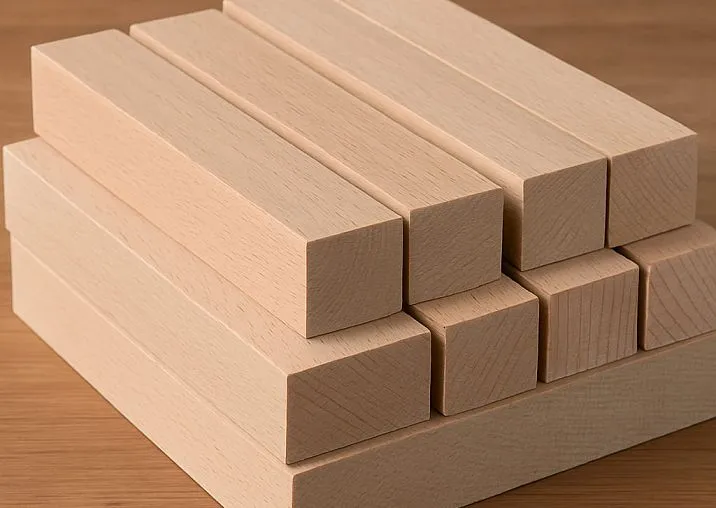
Choosing building material is always a compromise between price and quality, but when it comes to oak, compromises disappear. Buy oak beams It means investing in reliability that surpasses your most daring expectations. In an era of synthetic materials and quick solutions, oak timber remains an island of constancy, where every fiber tells a story of decades of growth and natural perfection.

What determines the superiority of oak timber
Oak is not just wood — it is a philosophy of construction, where longevity is measured in centuries, and quality becomes an inheritance. The density of oak wood reaches 700 kilograms per cubic meter, which is 1.5 times higher than most coniferous species. But numbers merely reflect physical reality; true value lies in the unique combination of strength and beauty.
The elasticity coefficient of oak is 12.3 GPa — a figure that many modern composite materials would envy. Under static bending, the material withstands loads up to 87 MPa, making it indispensable for critical structures.




Natural protection and biostability
Oak wood contains natural tannins — substances that act as a natural barrier against fungal decay, mold, and insect pests. This biological protection means that oak structures do not require aggressive chemical treatments, preserving ecological purity and safety for humans.
The remarkable feature of oak is that over the years, the material does not lose its strength—it becomes even harder and more durable. Historical examples confirm this: oak piles in Venice have served for over a thousand years, and medieval cathedral structures continue to bear loads for centuries.
Our factory also produces:




Size Range and Technical Specifications
The modern market offers oak beams in an impressive range of sizes. Standard cross-sections vary from compact 50×50 mm to massive 300×300 mm, with lengths reaching up to 6 meters. The most in-demand sizes are 100×100, 150×150, and 200×200 mm—they optimally combine strength and cost-effectiveness.
The moisture content of the finished beam is 12±2%—this is the ideal indicator ensuring dimensional stability and excluding deformations during operation. Geometric tolerances do not exceed ±2 mm, allowing the material to be used in precise constructions without additional processing.
Get Consultation
Quality grades and sorts
Oak beams are classified into several quality categories. Material of the 'Extra' class is practically free of visible defects, has a uniform texture and ideal geometry. First-grade material allows for minor natural features of wood—small knots, minor resin pockets—which do not affect strength but may add character to the finished product.
Second and third grades are suitable for structural applications where aesthetics are secondary to functionality. Such material is used for concealed structural elements, rough construction, and temporary structures.
Application areas: the versatility of oak beams
Structural construction
Buy oak beams For structural purposes—a solution that proves its worth over decades of flawless service. The material is used for the first row of log cabins, where maximum resistance to moisture and loads from the entire structure is required. In industrial construction, oak beams are indispensable for under-shoe pads under heavy equipment, crane brake supports, and insulators.
Hydraulic construction is another field where oak demonstrates its unique qualities. Dams, sluices, and dock structures made of oak beams serve for decades, becoming even stronger over time under the influence of water.
Decorative and finishing works
In interior design, oak beams are valued for their combination of functionality and aesthetics. Oak mantel shelves, decorative beams, and staircase elements create an atmosphere of solidity and elegance. The material is ideal for interiors in country, classic, and modern loft styles.
Landscape designers actively use oak beams to create small architectural forms. Gazebos, bridges, and fences made of oak blend harmoniously into the natural environment and serve for decades, practically requiring no maintenance.
Economic Aspects: Investment in Quality
Ownership cost in the long term
Purchasing high-quality oak beams requires significant initial investment. The cost of the material may be 3–5 times higher than that of coniferous analogs, but project economics should be considered over the long term.
The service life of oak structures is measured in centuries. The material practically requires no maintenance—there is no need for regular replacement of elements, expensive repairs, or frequent application of protective coatings. After 20–30 years of operation, the economic efficiency of oak beams becomes evident.
Impact on property value
Using oak materials significantly increases the market value of real estate. Houses and spaces where high-quality oak beams are applied are always valued higher than similar properties. This makes investments in premium materials not only practical but also financially justified.
Manufacturing technologies and quality control
Log Preparation and Raw Material Preparation
The quality of the finished product is established during the raw material preparation stage. Trees aged 80–120 years, grown in temperate climates on poor soils, possess the best characteristics. Such wood has high density, minimal defects, and uniform structure.
The drying process of oak wood requires a special approach and strict adherence to technological regimes. The material is dried in special chambers with controlled temperature and humidity. Gradual moisture removal allows reducing the moisture content to the required level without forming cracks or internal stresses.
Modern processing methods
The final finishing of oak beams is aimed at highlighting the natural beauty of the material. Primary methods include impregnation with natural oils for protection and texture enhancement, lacquering to create a protective coating, and staining to alter the wood’s color.
Thermo-treatment is a modern technology that improves dimensional stability and increases the material’s resistance to biological agents. Special impregnations provide additional properties—fire resistance, water repellency, and UV protection.
Criteria for selection and quality assessment
Visual material diagnostics
When selecting oak beams, attention should be paid to several key parameters. Quality wood has a uniform color without dark spots or streaks indicating the onset of decay. The surface should be smooth, free of deep cracks, chips, and mechanical damage.
Annual rings should be clearly visible and aligned parallel to the beam’s edges. Diagonal fiber orientation may indicate cutting errors or use of inferior raw material.
Technical Requirements for the Material
The moisture content of the finished product should not exceed 15% for interior applications and 18% for exterior use. Exceeding these values may lead to material deformation during operation.
Geometric parameters must match specifications with a tolerance of no more than ±3 mm. Large deviations will complicate installation and may reduce the final result’s quality.
Comparative analysis with alternative materials
Oak versus other hardwoods
Among hardwoods, oak competes with beech, walnut, and hornbeam. Beech surpasses oak in hardness (4.0 HB vs. 3.8 HB), but lags behind in biological and moisture resistance. Hornbeam is nearly equal to oak in hardness but is significantly more difficult to process due to the structure of its fibers.
Beech has a beautiful light texture and is easy to process, but significantly lags behind oak in resistance to moisture and biological damage. This limits its application in critical structures and outdoor works.
Advantages over artificial materials
Compared to modern composite materials, oak possesses several indisputable advantages. Ecological purity, the ability to "breathe", and the creation of a healthy microclimate — qualities that cannot be artificially reproduced.
Repairability of oak products allows for the removal of local damage without replacing the entire structure. Composite materials, when seriously damaged, require complete replacement.
Installation and operational features
Preparation Work
Before installation, oak beams must undergo acclimatization under the conditions of intended use. The material must remain on-site for at least one week to equalize humidity and temperature with the surrounding environment.
Oak beams are fastened using special stainless steel screws or bolts. Ordinary black screws may cause dark stains due to reaction with tannins in the wood.
Long-term operation
A properly installed oak beam requires virtually no maintenance during operation. The only recommended procedure is periodic renewal of protective coating — every 5-10 years depending on usage conditions.
Oak beams are an absolutely eco-friendly material, containing no toxic substances and emitting no harmful compounds. Unlike many artificial materials containing formaldehyde and other chemical components, oak creates a healthy microclimate in the room.
Ecological advantages and safety
Natural eco-friendliness
Oak timber is an absolutely eco-friendly material, free of toxic substances and emitting no harmful compounds. Unlike many artificial materials containing formaldehyde and other chemical components, oak creates a healthy microclimate in the room.
Scientific research confirms that natural wood positively affects human psycho-emotional state. Oak belongs to donor trees capable of creating positive energy in space.
The long service life of polyurethane products reduces the need for frequent replacements and, consequently, the volume of waste generated. This aligns with the principles of sustainable development and rational resource use.
At the end of their service life, oak products do not create ecological problems. Wood decomposes naturally without polluting the environment. Moreover, old oak structures often find secondary use — aged wood is especially valued in interior design.
Modern usage trends
Innovative processing technologies
Modern technologies allow creating oak materials with improved characteristics. Thermomodification increases dimensional stability and biostability without using chemicals. Vacuum impregnation ensures deep penetration of protective compounds.
Glued oak beams combine the advantages of solid wood with enhanced dimensional stability. The technology allows creating large-sized elements without length restrictions, expanding architectural possibilities.
Design Solutions and Architectural Trends
Modern architects and designers actively use oak’s contrasting properties — the combination of natural strength and refined elegance. Oak beams become central elements in eco-design, modern classic, and industrial loft styles.
Combining oak elements with modern materials — metal, glass, concrete — creates unique architectural solutions where the natural beauty of wood is enhanced by innovative technologies.
Regional market specifics
Russian quality standards
In Russia, the quality of oak timber is regulated by state standards defining requirements for moisture content, geometric parameters, and allowable wood defects. Compliance with these standards guarantees receipt of quality products.
Domestic manufacturers actively develop technologies for producing oak lumber, implementing modern equipment and quality control methods. This enables offering products meeting the best global standards.
International requirements
European quality standards for wooden materials are particularly strict regarding ecological characteristics and dimensional stability. Oak beams meeting European requirements undergo multi-stage control at all production stages.
Practical recommendations for buyers
Choosing a supplier
When selecting a supplier of oak beams, attention should be paid to the company’s reputation, presence of quality certificates, and availability of samples. It is important to ensure compliance with production technology and proper storage conditions for the material.
A reliable supplier is always ready to provide detailed information about the origin of the wood, processing methods, transportation, and storage conditions. Quality Oak Beam — is the result of complying with technological requirements at every production stage.
Cost optimization when purchasing
The cost of oak beams can be optimized in several ways. Ordering large batches allows significant discounts. Choosing standard sizes avoids additional charges for non-standard items. Planning purchases in advance enables taking advantage of seasonal offers.
It is important to consider not only the cost of the material itself, but also transportation, unloading, and storage expenses. Quality logistics helps avoid damage and additional costs.
Development prospects and innovations
Growing Demand for Eco-Friendly Materials
Modern construction trends indicate growing interest in natural, eco-friendly materials. Buy oak beams Today — means keeping pace with global sustainable development trends.
Advancements in wood processing technologies allow creating new types of oak materials with improved characteristics. This expands application areas and makes oak even more attractive for various projects.
Technological innovations
Introducing digital technologies into production enables achieving the highest precision of processing and quality stability. Automated drying and processing lines ensure optimal parameters for finished products.
Development of logistics networks makes high-quality oak beams accessible in any region. Modern packaging and transportation systems guarantee material integrity during long-distance delivery.
STAVROS, a company operating in the construction and finishing materials market for many years, offers a wide range of oak beams in various sizes and applications. Rich experience and deep understanding of customer needs enable the company to guarantee top-quality products and professional service at every stage of cooperation.
Choosing oak timber from STAVROS invests in the longevity, reliability, and timeless beauty of your projects. Oak wood is not just a building material—it is a philosophy of quality, where every product becomes part of a legacy passed down to future generations.