Article Contents:
- Saint Petersburg climate: a challenge for any material
- Humidity as a determining factor
- Temperature fluctuations and their impact
- Ultraviolet radiation of the white nights
- Saint Petersburg market: features of choosing suppliers
- Large construction hypermarkets
- Specialized stores and showrooms
- Manufacturers with their own retail outlets
- Online stores and marketplaces
- Logistical features of Saint Petersburg
- Transport Accessibility
- Delivery features to the historic center
- Seasonal factors
- Wood species: what to choose for Saint Petersburg climate
- Coniferous species: proven northern solution
- Deciduous species: elegance and practicality
- Imported species: exotic in the northern capital
- Size range: what is popular in Saint Petersburg
- Standard ceiling height
- Features of historical buildings
- Modern housing
- Interior styles: Saint Petersburg preferences
- Classical styles
- Modern directions
- Technical requirements for Saint Petersburg conditions
- Wood moisture
- Protective Treatment
- Quality of finishes
- Professional installation under Saint Petersburg conditions
- Foundation Preparation
- Material acclimatization
- Choice of fasteners and adhesives
- Temperature gaps
- Seasonality of purchases: when it's better to buy in St. Petersburg
- Construction season
- Off-season
- New Year holidays
- Economic aspects: budgeting for purchase in St. Petersburg
- Average prices on the market
- Additional Costs
- Ways to save
- Warranty and Service: What to Pay Attention To
- Quality warranty
- Technical Support
- Post-Sales Service
- Market Development Trends in St. Petersburg
- Ecological trends
- Technological Innovations
- Customization
- Features of application in different types of rooms
- Living Spaces
- Commercial spaces
- Wet Areas
- Country houses
- Quality Inspection Upon Receiving Goods
- External Inspection
- Checking dimensions
- Wood moisture
- Document Flow
- STAVROS: Leader of the St. Petersburg Market for Wooden Products
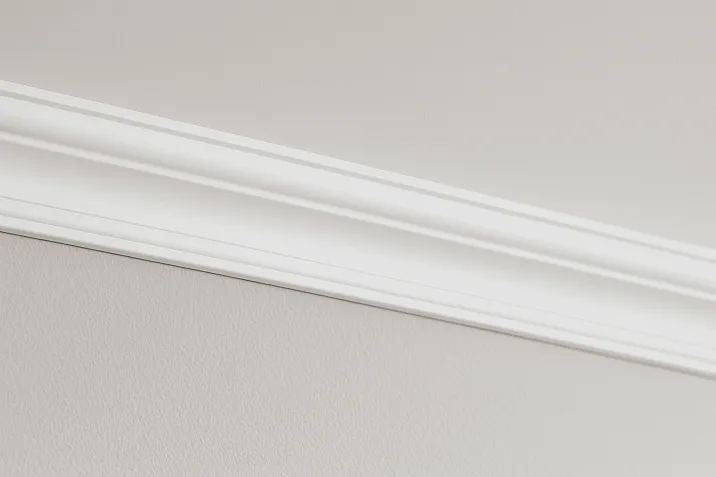
Saint Petersburg — a city where every house breathes history, where the spirit of great masters of the past lingers in the air. And if you have decided Buy wooden moldings in St. Petersburgthen you are making a choice worthy of this magnificent city. For what could be more fitting in a city of palaces and mansions than natural wood, which for centuries adorned the interiors of aristocratic residences?
But modern St. Petersburg is not just an open-air museum. It is a living, developing metropolis where traditions seamlessly blend with innovations, where every resident strives to create an atmosphere of comfort and beauty in their home. And precisely here, among the white nights and drawbridges, the need for high-quality, reliable materials capable of withstanding the whims of the northern climate is especially acute.
Why is the choice of wooden cornices especially relevant in St. Petersburg? The answer lies in the unique climatic conditions of the city on the Neva, its architectural traditions, and the particular mentality of its residents, who have always distinguished themselves by refined taste and a pursuit of perfection.


St. Petersburg Climate: A Test for Any Material
The climatic conditions of Saint Petersburg impose special requirements on finishing materials. High humidity, sharp temperature fluctuations, long winters, and a short but intense summer — all of this creates serious challenges for any construction structures.




Humidity as a determining factor
The average annual humidity in St. Petersburg is about 78%, significantly higher than the norm for most regions of Russia. During certain periods, it may reach 95-98%, creating conditions similar to tropical ones. wooden cornice In such conditions, the material must possess special moisture resistance characteristics.
Plastic imitations, under constant high humidity, begin to deform, condensation forms on their surface, leading to mold and mildew. Quality wood, properly treated and protected with modern compounds, not only withstands such loads but also actively regulates the microclimate of the room, absorbing excess moisture and releasing it when necessary.
Our factory also produces:



Temperature Fluctuations and Their Impact
St. Petersburg winters with temperatures down to -30°C and hot summers with temperatures up to +30°C create a temperature amplitude of 60 degrees. Such fluctuations cause significant deformation of synthetic materials, leading to gaps, cracks, and delamination.
Natural wood, due to its fibrous structure, possesses a natural ability to compensate for temperature deformations. The linear expansion coefficient of wood is several times lower than that of plastic, ensuring structural stability throughout the entire service life.
Get Consultation
Ultraviolet Radiation of the White Nights
The unique phenomenon of white nights, making St. Petersburg especially attractive to tourists, imposes additional loads on finishing materials. Nearly continuous exposure to ultraviolet radiation during summer months may lead to rapid fading and degradation of synthetic coatings.
Quality wooden cornices with properly selected protective coatings not only withstand such loads but also acquire a noble patina over time, becoming even more attractive.
St. Petersburg Market: Characteristics of Supplier Selection
The St. Petersburg market for construction and finishing materials is characterized by high competition and diverse offerings. Yet, precisely this diversity often becomes a problem for buyers — how not to get lost among thousands of offers and find a genuinely quality product?
Large Construction Hypermarkets
Networks such as 'Leroy Merlin', 'Petrovich', 'OBI' offer a wide range of cornices from various manufacturers. The advantage of such shopping centers is the ability to compare offers from different brands in one place, competitive prices due to large purchase volumes.
However, there are also drawbacks: limited expertise of sales consultants, a standardized approach without considering the specifics of a particular project, difficulties in obtaining professional advice on installation and operation.
Specialized Showrooms and Showrooms
In St. Petersburg, numerous specialized showrooms operate, targeting professional designers and discerning private clients. Here, you can receive qualified consultation, view high-quality samples, and order custom solutions.
Examples of such companies: showrooms on Moskovsky Prospekt, in the 'Parnas' district, in the city center. Each has its own specialization and specific approach to working with clients.
Manufacturers with Their Own Retail Outlets
The most advantageous option for serious projects is working directly with manufacturers. This guarantees the best prices, the possibility of ordering non-standard sizes, and direct communication with technical specialists.
Online stores and marketplaces
Online trading is actively developing in the field of construction materials. The advantages are obvious: wide selection, ability to compare prices, customer reviews. The disadvantages — inability to physically inspect the product, risks during delivery, difficulties with returns.
Logistics specifics of St. Petersburg
The geography of St. Petersburg creates certain features in the logistics of delivering construction materials, which must be considered when planning a purchase.
Transport accessibility
St. Petersburg is a major transportation hub with a well-developed network of roads, railways, and waterways. This ensures good accessibility of materials from Russian and foreign manufacturers.
Main logistics centers are located on the outskirts of the city — in Suschary, Kolpino, on Sofiyevskaya Street. From there, goods are distributed to retail points and directly to customers.
Delivery features to the historic center
Restrictions on heavy vehicle entry into the central part of the city create additional delivery challenges. Many companies use intermediate warehouses or special logistics to operate in the center.
When ordering trim with delivery to the city center, it is important to clarify in advance the possibilities and cost of such a service.
Seasonal factors
Traffic jams in St. Petersburg, especially during winter, can significantly increase delivery time. Plan for receiving materials with a buffer, especially if work is tied to specific deadlines.
The summer tourist influx also creates additional strain on the city's transportation system.
Wood species: what to choose for St. Petersburg's climate
Choosing wood species for wooden cornice In St. Petersburg conditions, one must consider the specifics of the local climate and regional traditions.
Coniferous species: a proven northern solution
Karelian and Archangelic pines are traditional materials for the northwestern region. These species developed under similar climatic conditions and possess natural adaptation to high humidity and temperature fluctuations.
The density of northern pine is higher than southern analogs — up to 550 kg/m³, providing better mechanical strength. High resin content provides natural protection against moisture and biological damage.
Finnish spruce is supplied to St. Petersburg from neighboring Finland and is distinguished by exceptional quality. Slow growth in harsh climate conditions forms dense, uniform wood with minimal knots.
Siberian larch — a premium choice for humid climates. The natural biostability of this species exceeds even oak, and density up to 650 kg/m³ ensures longevity measured in centuries.
Deciduous species: nobility and practicality
Oak remains the benchmark of quality even under St. Petersburg conditions. Oak baseboard It excellently withstands humidity due to tannins — natural preservatives contained in the wood.
Beech requires more careful protective treatment in humid climates, but with proper preparation, it serves for decades. Beech baseboard It is especially suitable for classic interiors.
Ash demonstrates excellent stability in humid conditions and is ideal for modern interiors with its distinctive texture.
Imported species: exotic materials in the northern capital
Thanks to the developed trade through the St. Petersburg port, the city has access to trim made from exotic species — merbau, teak, wenge. These materials possess exceptional moisture resistance and decorative qualities, but require a special approach to installation and maintenance.
Size range: what is popular in St. Petersburg
St. Petersburg's architecture, with its high ceilings and large spaces, imposes special requirements on the dimensions of finishing elements. Wooden molding dimensions which must match the scale of the rooms.
Standard ceiling height
In Stalin-era buildings, ceiling heights reach 3–3.5 meters, allowing the use of moldings up to 80–120 mm in height. In Khrushchev-era and modern buildings with standard 2.5–2.7 m ceilings, optimal sizes are 40–70 mm.
Features of historical buildings
In pre-revolutionary buildings, of which there are many in St. Petersburg, ceiling heights can reach 4–5 meters. Here, moldings up to 150–200 mm in height are appropriate, and sometimes even composite structures made of several elements.
Modern housing
New constructions of recent years usually have ceilings 2.7–3 meters high, corresponding to European standards. For such rooms, medium-sized moldings — 50–80 mm — are suitable.
Interior styles: St. Petersburg preferences
Cultural traditions of St. Petersburg form unique preferences in interior design, influencing the choice of molding types and styles.
Classic styles
St. Petersburg Empire style — a style born in the city on the Neva during the reign of Alexander I. Characterized by strict, solemn forms, rich profiling, use of gilding and patination.
Peter the Great Baroque requires complex molding profiles with abundant decoration. Plant motifs, multi-level profiles, rich finishes — all create an atmosphere of palace luxury.
The Catherine Classicism style features more restrained forms while preserving nobility and elegance. Moldings of medium complexity with classical elements — ovals, flutes, beads.
Modern trends
Modern Classicism is the most popular direction in St. Petersburg interiors. Combines traditional forms with modern materials and technologies.
Scandinavian style is gaining popularity due to the similarity of climate and mentality. Simple forms, light tones, natural materials.
Loft is relevant for converted industrial buildings, of which there are many in St. Petersburg. Rough textures, deliberate simplicity, industrial motifs.
Technical requirements for St. Petersburg conditions
The climate and operating conditions in St. Petersburg impose special requirements on the technical characteristics of wooden moldings.
Wood moisture content
In high-humidity conditions, it is especially important to comply with moisture content requirements for finished products. It should not exceed 8–10% to prevent deformation during operation.
Protective treatment
It is mandatory to treat with antiseptic compounds to protect against mold and mildew. In St. Petersburg conditions, it is recommended to use deep-penetration compounds with biocidal additives.
Finish coating quality
Finish coatings must have enhanced moisture resistance. Preference should be given to polyurethane varnishes and special compounds for humid operating conditions.
Professional installation under St. Petersburg conditions
Jointing of wooden moldings In St. Petersburg conditions, installation has its own features related to climate and characteristics of local buildings.
Foundation preparation
Walls in old St. Petersburg buildings often have deviations from vertical and unevenness. Careful preparation of the base with leveling and priming is required.
Material acclimatization
In high-humidity conditions, it is especially important to acclimate moldings in the room before installation. Recommended duration — at least 72 hours.
Selection of fasteners and adhesives
For humid conditions, moisture-resistant adhesives and galvanized fasteners must be used. Polyurethane adhesives show the best results in humid climates.
Temperature expansion gaps
When installing, compensatory gaps for thermal deformation must be provided. Recommended gap — 1–2 mm per every 3 meters of length.
Seasonal purchasing: when to buy in St. Petersburg
Planning the timing of purchase can significantly affect the price and quality of service.
Construction Season
The peak activity in St. Petersburg occurs from May to September. During this time, prices and installation crew workload are at their highest, but the product assortment is the best.
Off-season
October to April — time for discounts and promotions. Many suppliers aim to clear their warehouses before the new season.
New Year holidays
Traditional period of sales and special offers. Good time to buy if you have storage space available.
Economic aspects: budgeting for purchases in St. Petersburg
Average market prices
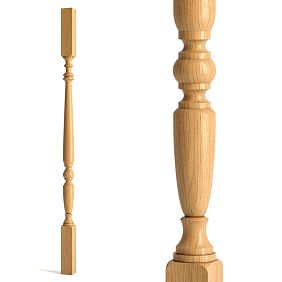
The cost of wooden balusters in St. Petersburg varies widely depending on the species, profile complexity, and manufacturer.
Simple-profile pine balusters: 150–300 rubles per linear meter
Medium-profile oak balusters: 800–1500 rubles per linear meter
Exotic complex-profile species: from 2000 rubles per linear meter
Additional expenses
When planning your budget, consider additional expenses:
- City delivery: 1000–3000 rubles
- Elevator lift: 100–200 rubles per floor
- Installation work: 200–500 rubles per linear meter
Ways to save
Buying directly from the manufacturer can save up to 30%. Ordering larger quantities also reduces cost due to wholesale discounts.
Warranties and service: what to pay attention to
When selecting a supplier Buy wooden moldings in St. Petersburg It is important to pay attention to warranty obligations and service quality.
Quality warranty
Serious suppliers provide a warranty on their products for a period of at least one year. The warranty should cover defects in material and manufacturing.
Technical support
The presence of an in-house technical service capable of advising on installation and maintenance issues is an important advantage for the supplier.
Post-purchase service
The ability to purchase additional material from the same batch later, repair and restoration services, and maintenance advice — all of these add value to the purchase.
Market development trends in St. Petersburg
Ecological Trends
Demand is growing for products with FSC and PEFC eco-certifications. Consumers are paying more attention to the origin of the wood.
Technological Innovations
Balusters with integrated features — LED lighting, communication channels, "smart" elements — are emerging.
Customization
Technologies for individual production are developing, allowing the creation of unique profiles based on the customer's sketches.
Application specifics in different types of rooms
Residential spaces
Floor wooden cornice In apartments, it must match the overall interior style and consider the level of usage.
Commercial spaces
Offices, shops, and restaurants require increased resistance to abrasion and ease of maintenance.
Wet areas
Wooden ceiling molding In bathrooms and saunas, it requires special moisture-resistant treatment.
Country houses
Ceiling wooden molding on paneling On dachas and country houses, it must withstand a wider range of temperature and humidity.
Quality inspection upon receipt of goods
External inspection
Upon receiving the moldings, visually inspect each element. Check for chips, cracks, and profile defects.
Size verification
Use a caliper or ruler to verify that dimensions match the stated specifications. Allowable deviations must not exceed ±0.5 mm.
Wood moisture content
If a moisture meter is available, check the material's moisture content. It should be within 8–12%.
Document flow
Ensure all documents are present — invoice, delivery note, quality certificate, warranty card.
STAVROS: leader of the St. Petersburg market for wooden products
In the dynamic world of the St. Petersburg construction market, where competition reaches unprecedented levels, STAVROS has taken a unique leadership position, combining advanced technologies with a deep understanding of the needs of the northern capital.
What makes STAVROS special for the St. Petersburg market? Primarily — a deep understanding of local specifics. The climate of the city on the Neva, its architectural traditions, and the peculiarities of building operation — all these factors are considered when developing products and forming the assortment.
STAVROS does not merely produce wooden products — it creates solutions perfectly adapted to the conditions of St. Petersburg. Each molding undergoes special treatment, taking into account the high humidity and temperature fluctuations characteristic of the region.
STAVROS's production facilities are equipped with the most modern equipment, enabling the creation of items of any complexity with precision measured in fractions of a millimeter. However, technology is merely a tool in the hands of true masters. Every employee of the company has undergone years of training in working with wood, understands its nature, and knows the secrets of revealing the material's natural beauty.
STAVROS's logistics network in St. Petersburg is designed with all the city's peculiarities in mind — from transportation restrictions in the city center to the challenges of delivering to islands. A fleet of vehicles with climate control ensures cargo safety under any weather conditions.
The company's service center in St. Petersburg provides a full range of services — from consultation on selection to post-sales support. The team of technical specialists is ready to visit the site for measurements, installation consultations, and quality control.
STAVROS's warehouse in the northern capital continuously maintains stock of the most popular items, enabling quick dispatch without long waiting. At the same time, it is possible to manufacture items to custom sizes and sketches in the shortest possible time.
STAVROS's ecological policy is especially relevant for St. Petersburg, given its status as a cultural capital and heightened attention to environmental issues. All wood is supplied from certified suppliers guaranteeing sustainable forestry.
Choosing STAVROS, residents of St. Petersburg receive not just quality products, but also confidence that their homes will be adorned with items created with understanding and love for the great city on the Neva. This is an investment in beauty, comfort, and prestige, worthy of a gem of Russian architecture.