Article Contents:
- Visual Documentation as an Art of Motivation
- Emotional Impact of Transformation
- Forming Aesthetic Preferences Through Imagery
- Technical Side of Photo Documentation of the Process
- Planning a Restoration Photo Session
- Lighting Techniques for Furniture Photography
- Compositional Techniques for Furniture Photography
- Stylistic Categorization Through Visual Images
- Minimalism in Photography: The Beauty of Simplicity
- Vintage Aesthetics in Visual Representation
- Industrial Style Through the Camera Lens
- Creating Step-by-Step Photo Guides
- Structuring Visual Content
- Macro Photography Techniques for Detailing
- Color Psychology in Furniture Photography
- Warm Tones: Creating Coziness
- Cool Tones: Elegance and Freshness
- Neutral Base: Universality in Action
- Social Networks as a Platform for Creative Self-Expression
- Content Features for Different Platforms
- Creating Viral Content
- Monetizing Furniture Restoration Photo Content
- Creating Educational Products
- Affiliate Programs and Sponsorship
- Technical Aspects of Photo Editing
- Basics of Color Correction
- Compositional Correction
- The Future of Visual Content in DIY
- Virtual and Augmented Reality
- Artificial Intelligence in Design
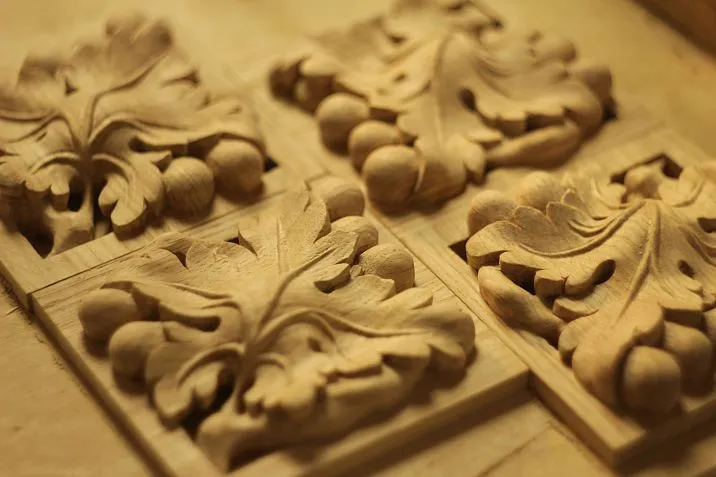
Every old item in the house carries a mark of time, but what if you turned this flaw into its main feature? When it comes to how to update old furniture photo becomes a powerful tool for inspiration and a practical guide at the same time. Each image tells a story of transformation, demonstrates limitless possibilities of creative renovation, and proves: beauty does not require massive investments — it requires vision.
In the era of digital content, photographs have attained the status of a universal language of creativity. One image can convey more information than pages of text, inspire bold experiments, and show real results of labor. Visual documentation of the furniture renovation process has become an indispensable part of DIY culture, turning home craftsmen into true interior artists.
The modern trend of mindful consumption makes furniture restoration not just an economically advantageous solution, but also an ethical choice. Every restored item is a small victory over the culture of disposability, a creative act of resistance against mass production.


Visual documentation as an art of motivation
The psychology of visual information processing is such that images are processed by the brain 60,000 times faster than text. This explains the magical effect of high-quality "before and after" photos, which instantly spark creative enthusiasm and dispel doubts about one's own abilities.




Emotional impact of transformation
The drama of transformation is created by the contrast between the initial state and the final result. A worn wooden chair transformed into an elegant vintage-style armchair tells a full story of rebirth. Such visual stories evoke deep emotional responses, convincing viewers of their own capabilities.
Each transformation photograph carries a powerful subconscious message: if this craftsman could create such beauty from an old item, then I am capable of such a miracle. The psychological effect of "reproducibility" becomes the driving force behind creative activity.
Visual proof of achievability removes the main barrier between desire and action — uncertainty about the result. When a person sees step-by-step photos of the process, a complex task breaks down into understandable stages, each of which appears achievable.
Our factory also produces:


Forming aesthetic preferences through images
Exposure — a key concept in developing artistic taste. Regular study of high-quality photos of updated furniture gradually forms an understanding of harmony, proportions, color combinations. The eye learns to distinguish successful and unsuccessful solutions, and develops an intuitive sense of style.
Professional designers spend years studying visual examples, building a knowledge base of what works and what doesn't. Enthusiasts can accelerate this process by deliberately studying photos of successful restoration projects.
Cultivating one's own style occurs through analyzing and reflecting on liked images. A person begins to notice recurring elements in the images they choose: a certain color palette, stylistic techniques, types of textures. This forms an individual creative signature.
Get Consultation
Technical side of photographing the process
Creating high-quality photos of the furniture renovation process requires not only an artistic eye but also an understanding of technical aspects of photography. Properly captured process becomes invaluable educational material and a source of pride for the craftsman.
Planning a restoration photo session
Preparing the shooting space begins even before the first touch of old furniture. The work area must have sufficient lighting, a neutral background, and free space for camera maneuvering. The ideal option — natural light from a large window, supplemented by reflectors to soften shadows.
Professional masters recommend creating a permanent shooting zone where all photos will be taken under identical conditions. This ensures visual consistency across the entire series and simplifies subsequent image processing.
Choosing angles for each stage requires prior planning. The "before" state should be captured from multiple points: an overall shot showing the scale of damage, close-ups of defects, details of construction. Each angle carries a specific informational load.
Lighting techniques for furniture photography
Natural light remains the gold standard for photographing furniture. Soft, diffused light from a north-facing window provides even illumination without harsh contrasts. Direct sunlight creates unwanted glare and deep shadows, distorting perception of colors and textures.
The time of day critically affects the quality of natural lighting. Morning and evening hours provide warm, soft light that emphasizes coziness and homeliness. Midday sun creates cold, contrast-heavy lighting, better suited for showcasing sharp lines and geometric forms.
Artificial lighting opens up more opportunities for creative control over the lighting scene. A combination of main and fill lighting allows creating a dimensional, professional image. It is important to avoid mixing different types of light sources with different color temperatures.
Compositional techniques for furniture photography
The rule of thirds works flawlessly when photographing furniture. Placing key elements of the object at the intersection of imaginary lines dividing the frame into nine parts creates a dynamic and appealing composition. Central placement of the object is suitable only for strictly symmetrical items.
Using leading lines helps create depth in the image and guide the viewer's gaze to the main subject. Lines of the floor, walls, or other furniture items can serve as compositional elements, enhancing the perception of the main subject.
Playing with scale adds expressiveness to photographs. Including familiar objects (books, tableware, decorative elements) in the frame helps the viewer assess the actual size of the furniture. This technique is especially important when photographing large items.
Stylistic categorization through visual images
Each interior style has its own distinctive features, which are vividly revealed in photographs of updated furniture. The ability to "read" stylistic codes in images helps better understand the principles of each direction and apply them to one's own projects.
Minimalism in photographs: the beauty of simplicity
Clean lines and forms — the main characteristic of minimalist furniture, which is especially well conveyed through photography. The absence of unnecessary details, geometric clarity, functional beauty — all this creates a unique aesthetic, immediately understandable at first glance.
Photographs of minimalist furniture require a special approach to composition. Negative space becomes an equal element of the frame, highlighting the elegance of the main object. Each element must have its place and purpose.
The restrained color palette of minimalism is expressed in a limited range — white, gray, black, natural wood tones. Photographs of such furniture demonstrate how a small number of colors can create a rich and expressive image through the play of shades and textures.
Vintage aesthetics in visual representation
The noble patina of time — the hallmark of vintage style, which especially looks striking in photographs. Scratches, dents, signs of use transform from flaws into virtues, telling the story of the object and giving it a special charm.
Photographing vintage furniture requires understanding how to properly highlight the effects of aging. Side lighting reveals the relief of wear, macro photography shows the details of patina, wide shots demonstrate the harmony of aged elements.
The decorative richness of vintage style is expressed in an abundance of ornaments, carved elements, complex hardware. Photographs should show the richness of details without overwhelming perception. The balance between detail and overall impression — the key to successful vintage furniture photography.
Industrial style through the camera lens
The rough functionality of a loft requires a special approach to photography. Metallic elements, visible bolts, deliberate incompleteness — all of this must look stylish, not sloppy. Contrast lighting highlights textures and creates a dramatic atmosphere.
Photographs of industrial furniture often rely on the contrast between rough and refined elements. A massive metal frame of a table with a delicate wooden top, crude rivets on an elegant chair — such combinations create a unique aesthetic of the style.
The color palette of a loft leans toward dark, saturated tones — black, gray, brown, with bright accents of red or orange. Photographs should convey the richness of shades in a dark palette, showing the play of light on metallic surfaces.
Creating step-by-step photo guides
Step-by-step documentation of the furniture refurbishment process is not just recording stages of work, but creating a complete educational material. A quality photo guide can become a source of income and a way to share knowledge with the DIY enthusiast community.
Structuring visual content
The logical sequence of stages should be obvious even without textual explanations. Each photograph is a frame in a larger film about transformation, and the viewer should easily follow the development of the plot. A clear structure helps create a sense of control over the process.
Professional photo guides include not only the main stages of work, but also preparatory moments: tool selection, workspace preparation, material testing on inconspicuous areas. These "boring" details often turn out to be critically important for the success of the project.
Demonstrating alternative solutions enriches the educational value of the photo guide. Showing different ways to perform one operation gives the viewer the opportunity to choose the one suitable for their conditions and skills. This is especially important when working with different types of furniture and materials.
Macro photography technique for detailing
Close-ups of tools show the correct grip, angle of impact, technique of movement. These details cannot be conveyed by wide shots, but they often determine the quality of the result. Macro photography of the master's hands with tools becomes a mini-masterclass in technique.
Photographing the process of applying paint, creating decorative effects, working with hardware requires special attention to details. Each brushstroke, each tool movement must be captured so that the viewer can replicate the action.
Intermediate results are documented with particular care. Photographs after each layer of paint, each stage of processing show the gradual development of the project and help the viewer control their own progress when repeating the technique.
Color psychology in furniture photographs
Color is a powerful tool for emotional impact, and its proper use in photography can dramatically change the perception of refurbished furniture. Understanding color psychology helps create more attractive and memorable images.
Warm tones: creating coziness
The red spectrum in furniture photographs creates a sense of energy, passion, celebration. A crimson sofa in the living room, burgundy chest in the bedroom, terracotta chairs in the kitchen — each shade of red carries its own emotional weight. Photographs should convey not only the color, but also its effect on the atmosphere of the space.
When photographing red furniture, it is important to correctly set the white balance, as red tones are especially sensitive to color distortion. Incorrect color rendition may turn noble burgundy into a glaring magenta or vice versa.
Orange tones add warmth and cheerfulness to photographs. Peach, apricot, pumpkin — these colors look especially striking under warm lighting. They create a sense of home comfort and coziness, which is especially important for furniture in living rooms.
Cool tones: elegance and freshness
A blue palette in furniture photographs creates a sense of calm, reliability, and nobility. From soft blue to deep indigo — each shade of blue has its own character and application area. Photographs should highlight these differences and showcase the versatility of the blue palette.
Blue tones are especially demanding in terms of lighting. Under warm light, they may appear dull and unremarkable, while cool lighting reveals their full beauty. This is important to consider both during shooting and when planning furniture placement in interiors.
Green tones symbolize nature, growth, and harmony. From mint to emerald — the green palette offers a vast range of possibilities. Photographs of green furniture often benefit from including live plants, which create a natural harmony of colors.
Neutral base: universality in action
White furniture in photographs requires special shooting skills. It is important to show not just flat whiteness, but the richness of shades — from warm cream to cold Arctic. The play of light and shadow on white surfaces creates depth and dimension in the image.
Photographing white furniture becomes more complex due to the need to avoid overexposure while preserving detail in light tones. Using reflectors and diffusers helps create soft, even lighting without losing detail.
The gray palette has become a symbol of modern elegance. From light gray to charcoal black — this palette offers endless possibilities for creating stylish interiors. Photographs should show how different shades of gray interact with each other and with other colors.
Social networks as a platform for creative self-expression
Modern social networks have become the main platform for showcasing creative achievements in furniture renovation. Understanding the specifics of each platform will help present your projects effectively and find your audience.
Content features for different platforms
Visually-oriented platforms require a special approach to content creation. Each photograph should be self-contained and tell a story even without text. Image quality, composition, and color harmony become critically important factors for success.
Social media algorithms favor content that holds users' attention. Photographs of renovated furniture should not only be beautiful but also intriguing, compelling viewers to pause and examine details.
Interactive formats open new possibilities for presenting furniture renovation projects. Image carousels allow showing the transformation process step by step, videos demonstrate techniques dynamically, and live streams create a sense of presence.
Creating viral content
Emotional impact is key to creating content people want to share. 'Before and after' photographs have a special magic, making viewers empathize with the fate of old furniture and rejoice in its transformation. This emotional engagement turns viewing into an event.
The story of transformation should be dramatic. The more hopeless the item looked at the beginning and the more impressive the result, the greater the chance for the content to go viral. People love resurrection stories, especially when it comes to things.
The educational value of content increases its viral potential. Users are eager to share materials that can be useful to their friends. Furniture renovation photo guides, material selection tips, demonstrations of unusual techniques — all of this has high chances of spreading.
Monetizing furniture restoration photo content
High-quality photographs of the process and results of furniture renovation can become a source of additional income. There are many ways to monetize creative skills through visual content, from direct sales to affiliate programs.
Creating educational products
Step-by-step photo tutorials in electronic courses are in high demand among DIY enthusiasts. Detailed photo guides supplemented with video materials and text explanations can become the foundation for creating a comprehensive educational product.
The value of such courses is determined not only by the quality of the final result but also by the detail of the process. The more nuances and secrets the author reveals, the higher the audience's willingness to pay for access to this knowledge.
Printed guides and books with author photographs find their niche among people who prefer physical media. High-quality printing highlights the author's professionalism and increases the perceived value of the product.
Affiliate programs and sponsorship
Collaborating with tool and material manufacturers opens opportunities for income through affiliate programs. Demonstrating the use of specific products during furniture renovation can become the basis for mutually beneficial cooperation.
It is important to maintain a balance between commercial interests and audience trust. Overt advertising repels viewers, while organic integration of products into content is positively perceived and can increase sales.
Creating your own brand in furniture renovation allows you to reach a new level of monetization. Author techniques, signature methods, recognizable style — all of this can become the foundation for building a business in interior design.
Technical aspects of photo processing
Photo post-processing is an important stage in creating high-quality visual content. Proper processing can turn an ordinary photo into a work of art, highlight the strengths of renovated furniture, and conceal minor flaws.
Basics of color correction
White balance is the first thing that needs to be adjusted when processing furniture photos. Incorrect color temperature can drastically distort the perception of finish colors, making warm tones appear cold or vice versa.
When shooting under mixed lighting (natural light plus incandescent lamps), precise white balance adjustment is especially important. Even minor deviations can make white furniture appear yellowish or bluish, negatively affecting the perception of work quality.
Color saturation and brightness should reflect reality, yet still be sufficiently appealing to viewers. Over-saturated colors appear unnatural, while under-saturated ones look dull. Finding the golden middle ground is key to creating attractive photos.
Compositional correction
Cropping allows improving the composition of already shot material. Removing unnecessary elements, adjusting frame proportions, and highlighting the main subject — all of this can be corrected during post-processing.
When cropping furniture photos, it is important to preserve the sense of space and context. Too tight cropping may deprive viewers of understanding scale and surroundings, while excessive empty space can scatter attention.
Perspective correction is especially important when shooting large furniture. Horizon tilts and distorted vertical lines can ruin the impression of even the highest-quality work. Modern graphic editors allow easily correcting these flaws.
The future of visual content in DIY
Technological innovations constantly change the ways visual content is created and consumed. Understanding these trends will help stay at the forefront of progress and maximize the use of new opportunities for creative self-expression.
Virtual and Augmented Reality
AR color and style previews on existing furniture are already becoming a reality. Special apps allow pointing a smartphone camera at an old chair and seeing how it would look in various colors and finishes. This revolutionizes the planning process for renovation projects.
Such technologies make decision-making more informed and reduce the risk of disappointment. The ability to 'try on' different finishes before starting work saves time, money, and nerves.
Immersive virtual masterclasses in the creation process will allow learning from top masters without leaving your own home. The ability to view every master’s movement from any angle, in slow motion, with hints and commentary will make learning maximally effective.
Artificial intelligence in design
Automatic idea generation based on user preference analysis is no longer science fiction. AI can analyze saved images, determine stylistic preferences, and suggest new ideas in the same style.
Such systems will become increasingly sophisticated, taking into account not only visual preferences but also practical constraints: available materials, room size, and user skill level.
Automatic photo enhancement using AI will make creating high-quality visual content accessible to everyone. Systems will automatically adjust lighting, remove defects, and improve composition, transforming amateur photos into professional-quality images.
The world of visual creativity in furniture renovation is experiencing a true renaissance. Every day, thousands of enthusiasts share their projects, creating an endless gallery of inspiration and educational materials. Photos have become not just a means of documenting results, but a powerful tool for motivation, learning, and creative development.
When we talk about how to update old furniture photo they transform from simple documentation into an endless source of inspiration. Each image tells a story of transformation, demonstrates the possibilities of creative approaches, and proves that beauty is accessible to anyone willing to pick up a brush and paint.
Modern technologies make creating high-quality visual content increasingly accessible. But no technical innovations will replace the most important thing — love for creativity, the desire to create beauty with one’s own hands, and the willingness to share this joy with others.
The future of visual content in DIY promises even more opportunities for self-expression and learning. New platforms, formats, and technologies will emerge, but the human desire for beauty and the wish to share discoveries with the world will remain unchanged.
STAVROS understands the importance of high-quality materials for creating results worthy of the best photographs. Professional paints, innovative coatings, reliable hardware — all of this helps bring creative ideas to life at the highest level. Choosing STAVROS means choosing quality that will delight not only during the work process but also in the final photos showcasing your craftsmanship and creative vision.