Article Contents:
- Materials of the new generation: a revolution in architectural decoration
- Polyurethane — Material of the 21st Century
- Technological advantages of modern materials
- Classification of architectural decoration: from functional to decorative elements
- Purely decorative architectural elements
- Decorative Architectural Elements
- Stylistic Directions in Modern Facade Decoration
- Classic architectural styles
- Modern architectural trends
- Regional characteristics of facade decoration application
- Climate factors and materials
- Regional architectural traditions
- Technical aspects of choosing and installing decoration
- Load calculation and fastening systems
- Installation Technologies
- Economic aspects of facade decoration application
- Lifecycle Cost Analysis
- Impact on property value
- Innovations and development prospects
- Digital technologies in production
- Smart Materials of the Future
- Practical recommendations for choosing decoration
- Stylistic Compatibility
- Color solutions
- Features of decorating different types of buildings
- Private residential homes
- Commercial buildings
- Modern trends in architectural decoration
- Ecological requirements
- Energy efficiency
- Answers to popular questions
- How long does modern facade decoration last?
- Can Decoration Be Installed by Yourself?
- Does polyurethane decoration require special care?
- Can decoration be used in northern regions?
- How to choose the color of facade decoration?
- Does Decoration Affect Building Insulation?
- Can decoration made of different materials be combined?
- How to calculate the required amount of decoration?
- Conclusion

Homeowner stands before a choice: remain in the shadow of faceless boxes or create an architectural masterpiece? The solution is obvious —Facade decoration for house exterior purchasemeans investing in the future of one's home. Every element of exterior decoration transforms an ordinary building into a work of art capable of inspiring and delighting for decades.
Architectural expressiveness — not luxury, but a necessity of modern construction.Outdoor decorationallows the homeowner to make a statement, demonstrate individuality, and create a unique atmosphere. The days of dull, standard facades have passed — the era of personal architectural self-expression has arrived.


Materials of the new generation: a revolution in architectural decoration




Polyurethane — material of the 21st century
The modern construction market offers innovative solutions that fundamentally change perceptions of decoration possibilities.Facade decoration made of polyurethanehas become a breakthrough in architectural design. This unique material combines the strength of stone, the lightness of polystyrene, and the plasticity of clay.
Why has polyurethane won the recognition of leading architects worldwide? The answer lies in its phenomenal characteristics. The material density is only 500-700 kg/m³, making it five times lighter than concrete. At the same time, its compressive strength reaches 40 MPa — a figure comparable to high-quality construction brick.
Buy outdoor decorationMade of polyurethane means acquiring virtually eternal architectural elements. The material withstands temperatures from -50°C to +80°C without deformation or loss of initial properties. The water absorption coefficient is less than 1.5%, guaranteeing geometric parameter stability under any climatic conditions.
Our factory also produces:



The technological advantages of modern materials
production technologies have reached such perfection thatOutdoor decoration elementsthey are reproduced with jewel-like precision. Digital milling ensures the identity of each element, eliminating manual manufacturing errors. Modern polymers contain UV stabilizers that prevent degradation from ultraviolet radiation.
Ecological safety is another indisputable advantage of modern materials.Outdoor home decorationHigh-quality polyurethane does not emit harmful substances, meets the strictest ecological standards, and can be used in children's facilities.
Get Consultation
Classification of architectural decoration: from functional to decorative elements
Constructive decorative elements
A thoughtful approach to selecting architectural decoration requires understanding the functional purpose of each element. Constructive details perform a dual role — they adorn the facade and protect the building from atmospheric influences.Facade DecorationThis category includes cornices, eaves, foundation elements, and other details with practical significance.
Cornices — protect walls from rainwater. A properly designed cornice diverts moisture away from the facade, preventing efflorescence and deterioration of wall materials. ModernFacade decoration elementscan integrate systems for water drainage, concealed lighting, and ventilation.
Decorative architectural elements
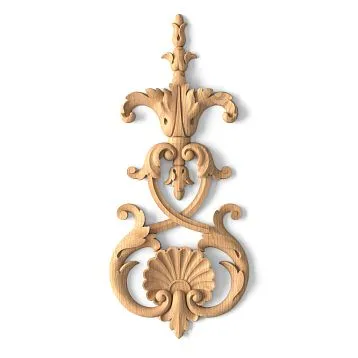
Purely decorative details create an artistic image of the building, define its stylistic affiliation and emotional impact.decor for exterior wallsmay include pilasters, bas-reliefs, rosettes, ornamental friezes, and many other elements.
Pilasters — flat columns attached to walls — create an illusion of monumentality and grandeur. They visually increase the height of the building and impart vertical dynamism to the facade. Modern technologies allow creating pilasters of any size and proportions, from miniature decorative elements to impressive architectural landmarks.
Stylistic directions in modern facade decoration
Classic architectural styles
Classicism never goes out of fashion.Architectural facade decorationIn classical execution, it embodies ideals of harmony, proportionality, and nobility. The order system developed by ancient Greeks and Romans remains the standard of architectural perfection.
Baroque — a style of luxury and theatricality. Curvilinear forms, abundance of decorative details, play of light and shadow create an atmosphere of festivity and grandeur.Facade molding decorationIn the Baroque style, it requires masterful execution — every detail must be crafted with jewel-like precision.
Neoclassicism — a style of imperial grandeur. Strict forms, symmetry, use of military symbolism create a sense of power and stability.Outdoor decoration for a dachaIn the neoclassical style, it suits country residences aspiring to status and respectability.
Modern architectural trends
Minimalism — a philosophy of 'less is more'. Concise forms, clear lines, absence of excessive decoration create an atmosphere of calm and focus.buy facade decorIn a minimalist style, it means choosing simple geometric forms with ideal proportions.
High-tech — a style of technological aesthetics. Use of modern materials, demonstration of structural elements, play with reflections and refractions of light create a futuristic image. This approach is especially relevant for commercial buildings and modern residential complexes.
Regional characteristics of facade decoration application
Climate factors and materials
Russian climatic conditions impose special requirements on facade materials. Sharp temperature fluctuations, high humidity in some regions, aggressive urban environment — all of this must be considered when selecting decorative elements.Facade decoration for a houseIt must not only decorate the building, but also protect it from destructive external influences.
Freeze resistance — a critically important characteristic for Russian conditions. High-quality polyurethane elements withstand more than 300 freeze-thaw cycles without loss of operational properties. This guarantees decades of flawless service even in harsh Siberian climate.
Regional architectural traditions
Russian wooden architecture — a unique phenomenon in world architecture. Traditional elements — window surrounds, cornices, and panels — can be interpreted in a modern context using innovative materials.Decor for an outdoor doorIn a Russian style, it creates an atmosphere of coziness and connection with national traditions.
Northern regions of Russia have developed their own unique aesthetic — simple yet expressive forms, weather-resistant materials, and functional elements. Southern areas tend toward more decorative, refined solutions borrowed from Mediterranean architectural traditions.
Technical aspects of selecting and installing decorative elements
Load and fastening system calculations
Professional installation of facade decoration begins with precise engineering calculations. Even lightweight polyurethane elements generate wind loads that must be properly transferred to the building's load-bearing structures.Facade decoration for house exterior purchasemust account for all mounting technical nuances.
Modern fastening systems provide secure fixation of decorative elements of any size and weight. Chemical anchors, mechanical dowels, adhesive compounds — each type of fastener has its specific application. The choice depends on the wall material, element size, climatic conditions, and other factors.
Installation technologies
Installing polyurethane decoration is a process requiring professional skills and specialized equipment. Each element must be installed strictly level, adhering to project dimensions and gaps.Facade decoration priceincludes not only material costs but also expenses for professional installation.
Joint sealing is a critically important stage of work. High-quality sealants must have strong adhesion to polyurethane, elasticity, UV resistance, and resistance to temperature deformation. Proper sealing ensures the monolithic integrity of the decorative system and prevents moisture penetration.
Economic aspects of applying facade decoration
Life Cycle Cost Analysis
The initial cost of quality facade decoration may seem high, but an analysis of total ownership cost demonstrates the economic justification of such a solution. The longevity of modern materials, minimal maintenance costs, energy-saving properties — all of this ensures rapid return on investment.
Traditional materials — natural stone, plaster molding — require regular maintenance, repair, and periodic replacement. Polyurethane decoration retains its original appearance for decades, requiring no special care except for periodic washing.
Impact on property value
Quality architectural finishing significantly increases the market value of real estate. Expert assessments show thatFacade decoration for windowsand other exterior elements can increase a home's value by 15–25%. This makes investments in decoration not only aesthetically but also economically justified.
Innovations and development prospects
Digital technologies in production
Modern facade decoration production uses the most advanced technologies. 3D modeling allows creating an accurate virtual model of the future product, identifying and eliminating structural flaws even during the design stage. CNC milling ensures ideal geometry and repeatability of elements.
Additive technologies open new horizons in creating complex decorative forms. 3D printing allows producing prototypes and small batches of unique elements not achievable through traditional manufacturing methods.
Smart materials of the future
Development of next-generation materials aims to create self-cleaning, self-repairing, energy-active surfaces. Photocatalytic coatings break down pollutants under sunlight. Thermochromic materials change color depending on temperature, creating dynamic, 'living' facades.
Practical recommendations for choosing decoration
Stylistic compatibility
Choosing an architectural style should consider numerous factors — from the architecture of surrounding buildings to the owner's personal preferences. Classical styles suit most architectural contexts, while modern solutions require a more cautious approach.
Proportionality is a key principle of successful architectural design. Large decorative elements may overwhelm a small building, while small details may be lost on the facade of a large structure. Professional architects help find the optimal balance between expressiveness and harmony.
Color Solutions
Color scheme of the facade plays no less important a role than the shape of decorative elements. Monochromatic solutions emphasize the plasticity of architectural forms, while contrasting ones create striking accents. Modern coloring technologies allow achieving any colors and shades, including metallic and pearlescent effects.
Features of decorating different types of buildings
Private residential homes
A country house is both a fortress and a work of art. Facade decoration should reflect the owner's character and preferences, creating a cozy, welcoming atmosphere. Classical elements — columns, balustrades, gables — lend the house solidity and prestige.
Modern-style cottages require a more minimalist approach to decoration. Simple geometric forms, clear lines, minimal decorative details create an elegant, contemporary look. However, it is important not to overdo minimalism — complete absence of decoration makes the building faceless.
Commercial buildings
Office centers, shopping complexes, hotels require a special approach to architectural finishing. Decoration should emphasize the prestige and reliability of the establishment, creating a positive first impression for visitors. Practicality is also important — commercial buildings are used more intensively than residential ones.
Modern trends in architectural decoration
Ecological Requirements
Environmental safety has become one of the key requirements for building materials. Consumers are paying more attention to the origin of materials, methods of their production, and possibilities of recycling. High-quality polyurethane decoration meets the strictest environmental standards.
Energy efficiency
Modern facade decoration can contribute to improving the energy efficiency of a building. Properly designed cornices protect walls from overheating in summer and heat loss in winter. Light colors reflect solar radiation, while dark colors absorb it, which can be used to regulate the building's thermal regime.
Answers to Popular Questions
How long does modern facade decoration last?
High-quality polyurethane decoration is designed to last 30-50 years without loss of appearance or operational properties. The warranty period for most manufacturers is 15-20 years, indicating confidence in the durability of their products.
Can decor be installed by oneself?
Light elements of small size can be installed by oneself with basic construction skills. However, large elements, complex compositions, and work at height require professional installers. Incorrect installation may result in damage to the decoration and facade of the building.
Does polyurethane decoration require special care?
Polyurethane elements require almost no maintenance. It is sufficient to periodically wash them with water and a mild detergent to remove dust and dirt. In case of coating damage, local repainting is possible without dismantling the elements.
Can decoration be used in northern regions?
High-quality polyurethane decoration is specifically designed for operation in harsh climatic conditions. The material withstands temperatures down to -50°C without losing elasticity or strength. Special frost-resistant compositions ensure reliability in any climate.
How to choose the color of facade decoration?
Color selection depends on the building's style, surrounding environment, and personal preferences. Classic light tones — white, beige, ivory — suit most architectural solutions. Dark colors create more striking contrasts but require careful application.
Does decor affect building insulation?
Properly installed facade decoration can improve the building's thermal insulation, eliminating cold bridges and protecting walls from atmospheric effects. Some decorative elements can be integrated into facade insulation systems.
Can decoration made of different materials be combined?
Combining different materials is possible, but requires a professional approach. It is important to consider material compatibility, differences in coefficients of thermal expansion, and specific installation characteristics of each type of element.
How to calculate the required amount of decoration?
The quantity of decorative elements is calculated based on the architectural project or detailed measurements of the building. It is important to account for all elements — from large cornices to small rosettes — and to provide allowance for trimming and possible defects during installation.
Conclusion
ModernFacade decoration for house exterior purchaseIt means investing in the beauty, durability, and prestige of your home. Innovative materials and technologies open up limitless possibilities for architectural creativity, allowing you to realize any design concept.
Choosing quality decoration is a decision for decades ahead. Modern polyurethane elements combine the beauty of classic materials with the practicality of innovative technologies. They are not afraid of frost and heat, do not fade in the sun, and require no constant maintenance.
Facade architectural decoration is an art of balancing functionality and aesthetics, tradition and innovation, individuality and harmony with the surrounding environment. Every home deserves to be unique, reflecting the character and dreams of its inhabitants.
STAVROS offers a full range of solutions for creating expressive and long-lasting facades. Premium materials, advanced manufacturing technologies, and professional technical support make STAVROS a reliable partner in realizing architectural dreams. Entrusting your home to professionals ensures a result that will be a source of pride and admiration for many years.