Article Contents:
- Evolution of Decorative Structures: From Necessity to Aesthetics
- Technological Innovations in the Production of Decorative Elements
- Materials Science: From Classics to Innovations
- Design Concepts: Style and Functionality
- Practical Aspects of Application
- Installation Technologies and Engineering Solutions
- Stylistic Directions and Color Solutions
- Maintenance and Longevity
- Innovative Solutions and Future Trends
- Economic Aspects and Profitability
- Conclusion: Legacy of Quality and Craftsmanship

When it comes to creating an atmosphere of nobility and refinement in a modern home, false beam becomes the designer’s secret weapon, capable of transforming the most mundane space into a true masterpiece of architectural art. These decorative elements, like a magic wand, turn an ordinary ceiling into the majestic vault of an ancient castle, and a modern apartment into a cozy nest with character and history.
What makes these architectural elements so appealing to modern homeowners? Perhaps it lies in the subconscious human desire to connect with nature, to feel security and solidity, which natural wood provides. Or maybe the secret lies in the versatility of these items, capable of fitting organically into almost any stylistic context — from brutalist loft to refined classicism.


Evolution of Decorative Structures: From Necessity to Aesthetics
The history of beam usage in architecture goes back centuries, when these elements served exclusively practical purposes — supporting floors and bearing the entire weight of the structure. However, with the development of construction technologies and the emergence of new materials, the need for visible load-bearing elements disappeared, but their aesthetic value only increased.
Modern false beams represent a brilliant solution that allows one to obtain all the visual advantages of traditional wooden beams without their structural limitations. These decorative elements create an illusion of massiveness and solidity, while remaining lightweight and easy to install.
The psychological aspect of perceiving wooden elements in interior design plays a significant role. Studies show that the presence of natural wood in living spaces contributes to reducing stress levels, improving concentration, and overall enhancing the quality of life. Even imitation of wood grain has a beneficial effect on a person’s psycho-emotional state.
The aesthetic function of decorative beams lies not only in creating visual interest but also in forming a certain mood in the room. Roughly processed beams with pronounced texture create an atmosphere of rustic coziness, while smooth, painted elements emphasize the modernity and technological sophistication of the space.
The cultural significance of beams in various traditions cannot be underestimated. In Scandinavian culture, they symbolize a connection with nature and durability; in Mediterranean countries — family traditions and hospitality; and in modern urban environments — a desire for authenticity and individuality.




Technological Innovations in the Production of Decorative Elements
Modern production of decorative beams involves a complex technological process combining traditional woodworking methods with innovative approaches to creating imitation materials. The variety of available technologies allows creating items that are practically indistinguishable from solid wooden beams, yet possess several significant advantages.
The production technology of I-shaped structures is the most common in modern industry. These items are created by joining three planks at a right angle, forming a hollow interior box. Such a construction ensures significant weight reduction of the finished product while preserving all the aesthetic qualities of a solid beam.
The use of high-tech equipment for surface processing allows creating incredibly realistic textures. Brushing — an artificial aging process of wood — imparts a distinctive relief to the surface, highlighting the natural structure of annual rings. This effect is achieved using special brushes that remove soft wood fibers, leaving hard areas untouched.
Modern lacquering materials open up boundless possibilities for decorating surfaces. Patination techniques allow creating an effect of noble aging, when a new item acquires the appearance of an antique piece with a rich history. Multi-layer application of various shades followed by partial sanding creates a complex interplay of color and light on the surface.
Innovative adhesive compositions guarantee the longevity of connections even under varying humidity and temperature conditions. Modern polyurethane adhesives create bonds that surpass the strength of wood itself, ensuring structural stability for decades.
Computer modeling allows accurately calculating optimal dimensions and proportions of decorative elements for a specific room. Three-dimensional modeling programs enable visualizing the result even before production begins, significantly reducing the risk of errors and ensuring perfect alignment with the client’s expectations.
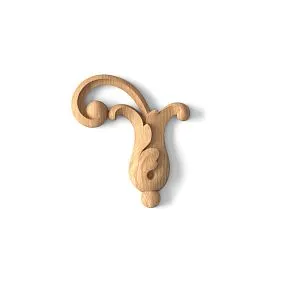
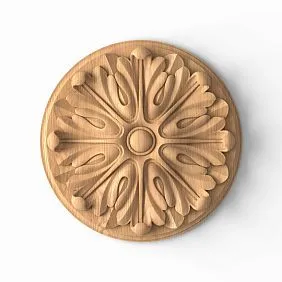
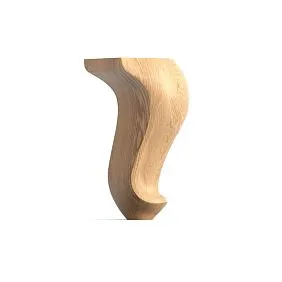
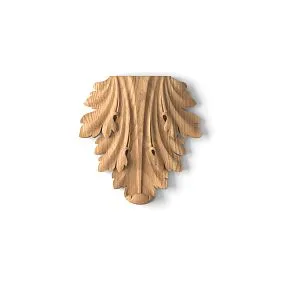
Our factory also produces:
Materials Science: From Classics to Innovations
Choosing the material for manufacturing decorative beams is a key factor determining not only the appearance of the finished product but also its operational characteristics, durability, and cost. The modern industry offers a wide range of materials, each with its unique advantages and areas of application.
Solid natural wood remains the benchmark of quality and prestige in the world of decorative elements. Oak beams possess exceptional strength and noble texture, which only becomes more beautiful with time. Natural tannins protect the wood from pests and fungal damage, ensuring the longevity of the product.
Pine structures are attractive due to their accessibility and ease of processing. The resinous structure of coniferous wood has natural antiseptic properties, making such items resistant to biological damage. The characteristic aroma of pine creates a countryside house atmosphere in a room, even if it's an urban apartment.
Larch combines the strength of hardwoods with the relative accessibility of conifers. Its high resin content makes this wood practically impervious to moisture, allowing larch products to be used even in rooms with high humidity.
Engineered materials are the result of long-term research into creating composite materials with specified properties. High-density MDF ensures ideal product geometry and dimensional stability under any climatic conditions. The absence of internal stresses eliminates cracking and deformation even with significant humidity fluctuations.
Veneered surfaces allow achieving the appearance of expensive wood species using more accessible bases. Vacuum pressing technology ensures perfect veneer adhesion to the base, creating a surface indistinguishable from solid premium wood.
Laminated finishes with photo printing offer unlimited possibilities for imitating any textures — from exotic wood species to stone and metal. Modern technologies allow creating finishes with a tactile effect, where the surface not only looks like natural wood but also feels like it upon touch.
New-generation polymer materials combine lightness, strength, and resistance to external influences. Polyurethane beams are not afraid of moisture, do not rot, and do not attract insects. At the same time, modern coloring technologies allow creating surfaces visually indistinguishable from natural wood.
Composite materials based on wood flour and polymer binders combine the advantages of natural wood and synthetic materials. Such products have the natural appearance of wood but lack its drawbacks — susceptibility to cracking, rotting, and deformation.
Get Consultation
Design concepts: style and functionality
Integration false beams Incorporating decorative beams into a modern interior requires a deep understanding of stylistic features and compositional space-building principles. These decorative elements can radically change the perception of a room, creating an illusion of high ceilings, zoning space, or drawing attention to specific architectural features.
Scandinavian minimalism finds its perfect embodiment in uncolored wooden beams. Light shades of birch or pine create a sense of airiness and spaciousness characteristic of northern interiors. The geometric clarity of lines emphasizes the functionality of space, while the natural wood texture adds warmth to a cool color palette.
Combining decorative beams with other elements of Scandinavian style creates a harmonious composition. Wooden moldings Beams of the same wood species as the beams unite different planes of the room into a single whole, creating a sense of thoughtful and complete design.
Industrial loft offers a completely different approach to using decorative beams. Here, they become elements of brutalist aesthetics, combining with exposed utilities, brick walls, and metal structures. Artificially aged beams with deliberately rough finishes create an atmosphere of repurposed industrial space.
The contrast between the warmth of wood and the coldness of metal is the basis of loft aesthetics. Decorative beams can serve as a base for hanging fixtures in an industrial style, creating functional and aesthetically pleasing compositions.
A classic interior requires a special approach to selecting and decorating decorative beams. Here, proportions and craftsmanship are important, but so is adherence to historical canons. Carved elements, gilding, patination — all these techniques help create an atmosphere of palace luxury.
A comprehensive interior solution involves using decorative beams in combination with other elements of classical architecture. Wooden beams и Wooden skirting boards Elements of the same stylistic approach create a unified architectural ensemble, where each element complements and enhances the overall impression.
Provence style finds its romantic aesthetic embodied in decorative beams. Artificially aged surfaces with a peeling paint effect, pastel shades, and deliberately simple finishes — all this creates an atmosphere of a French village with its unhurried rhythm of life and closeness to nature.
Color solutions in Provence style require special attention to color harmony. Beams in milk-white, lavender, or olive colors become not just decorative elements, but carriers of a specific mood, creating a countryside house atmosphere in an urban apartment.
Practical Aspects of Application
The functionality of decorative beams goes far beyond purely aesthetic tasks. These elements can solve numerous practical problems related to space organization, concealing utilities, and creating additional opportunities for placing various equipment.
Concealing utilities is one of the most in-demand functions of decorative beams. Modern apartments and houses are filled with various engineering systems — electrical wiring, communication cables, ventilation ducts, pipes. All these utilities spoil the appearance of the room and create problems during interior planning.
Hollow false beams provide an ideal solution for concealing wiring. The spacious internal cavity allows not only cables but also larger engineering elements to be placed. At the same time, access to utilities remains possible due to the removable construction of most decorative beams.
Zoning space using decorative beams allows creating functional zones without erecting permanent partitions. Beams placed in a specific manner on the ceiling visually divide space, creating the impression of separate rooms within a single room.
This technique is especially effective in studio apartments, where it is necessary to clearly distinguish living areas, kitchens, and workspaces. Decorative beams help create psychological comfort by organizing space according to the functional needs of the residents.
Correcting room proportions is another important function of decorative beams. In rooms with disproportionately high ceilings, beams create a sense of coziness and intimacy, visually reducing the height to a comfortable level. The direction of beam placement affects the perception of space — transverse beams widen the room, longitudinal beams elongate it.
The play of light and shadow created by decorative beams adds volume to the ceiling surface. This is especially important in rooms with low ceilings, where properly placed beams can create an illusion of greater height through light and shadow play and visual fragmentation of the plane.
Integrating lighting into the structure of decorative beams opens new possibilities for creating an effective lighting design. Built-in LED strips, spotlights, hanging elements — all this can be organically integrated into the beam structure, creating not only functional but also decorative lighting.
Modern technologies allow creating smart lighting systems, where the intensity and color temperature of light can be adjusted depending on the time of day or the mood of the inhabitants. Decorative beams become not just interior elements, but part of a high-tech home environment control system.
Installation technologies and engineering solutions
Quality installation of decorative beams requires a professional approach and deep understanding of the structural features of both the beams themselves and the base on which they are mounted. Incorrect installation can not only spoil the interior's appearance but also create a safety hazard.
Preparing the base is a critically important stage of installation work. The ceiling surface must be carefully checked for strength and ability to withstand additional load. Even lightweight decorative beams create significant load over long spans, especially considering possible dynamic loads.
Marking mounting points requires mathematical precision and use of professional measuring tools. Laser levels allow creating perfectly straight marking lines, which is critically important for achieving a professional result. Even minor deviations from specified parameters will be noticeable after installation and may spoil the overall impression of the interior.
Modern decorative beam mounting systems are engineering solutions that account for various types of bases and operational loads. For concrete slabs, anchor systems are used, ensuring maximum mounting reliability. Metal profiles distribute load over a larger area, preventing localized damage.
When installing on gypsum board structures, special butterfly anchors or embedded elements installed during the frame construction stage are used. It is important to note that the load-bearing capacity of gypsum board systems is limited, so for heavy beams, the frame may require reinforcement.
Connecting elements over long beam spans requires special attention to joint quality. Modern connection systems ensure invisible seams and preservation of the decorative finish. Using special connecting plates or internal clamps allows creating structures of any length without visible joints.
Compensation for thermal deformations is especially important when installing long beams. Natural wood is subject to dimensional changes due to fluctuations in humidity and temperature. Professional mounting systems include compensating gaps and movable joints, preventing structural deformation.
Final finishing after installation includes sealing mounting points, trimming ends, and final surface finishing. Special mastics and putties, matched in color to the base material, are used. Quality finishing makes all installation traces invisible, creating the impression that beams are an integral part of the building's architecture.
Stylistic directions and color solutions
Color solutions for decorative beams play a decisive role in forming the overall impression of the interior. A properly chosen color can either harmonize different space elements into a cohesive composition or create striking accents that draw attention to specific areas of the room.
Natural wood tones remain a classic choice for most interior solutions. Warm honey tones of pine create a cozy, home-like atmosphere, especially effective in bedrooms and living rooms. Elegant brown tones of oak highlight sophistication and solidity, making them an ideal choice for offices and libraries.
Cool grayish tones of ash or white oak fit perfectly into modern minimalist interiors, where neutrality of the color palette and absence of distracting accents are important. Such tones serve as an ideal backdrop for bright furniture or art pieces.
Toning and patination open up limitless possibilities for creating unique color effects. Multi-layer toning techniques allow creating complex color transitions that mimic natural wood aging under the influence of time and external factors.
Patination — the art of creating a noble patina of antiquity — transforms new items into pieces with a rich history. Gold, silver, or copper patina adds luxury to classic interiors, emphasizing their connection to palace art traditions.
Modern lacquer technologies allow creating coatings that not only protect wood but also radically change its appearance. Matte finishes create a sense of naturalness and closeness to nature, while glossy finishes highlight geometric forms and modern design.
Metallic finish coatings open up new possibilities for creating futuristic interiors. Beams with bronze, copper, or steel finishes become elements of high-tech design, where traditional materials receive a modern interpretation.
Contrasting solutions are used to create dynamic interiors where decorative beams become the main compositional elements. Dark beams on a light ceiling create a graphic spatial structure, visually organizing the space and adding expressiveness.
Color accents using brightly painted beams allow introducing elements of play and creativity into the interior. Such solutions are especially effective in children's rooms, where bright colors stimulate imagination and create a joyful atmosphere.
Technical maintenance and longevity
Proper care of decorative beams ensures preservation of their original appearance and extends their service life for decades. Different materials and coatings require individual maintenance approaches, but general principles remain unchanged for all types of products.
Regular cleaning is the foundation of preventive care for decorative elements. Dust and dirt not only spoil the appearance but may contain aggressive substances that gradually degrade protective coatings. A soft dry cloth or special anti-static cloth effectively removes surface dirt without risking surface damage.
Wet cleaning is permissible for most modern coatings but requires caution and use of special agents. Alkaline cleaning agents may damage some types of lacquers and paints, so preference should be given to neutral compositions or specialized wood care products.
Control of the microclimate in the room is critically important for preserving decorative beams made of natural wood. Sudden fluctuations in humidity and temperature may cause cracking, deformation, or coating delamination. Optimal air humidity is 45-65%, and temperature should be maintained within 18-24°C.
Using humidifiers during the heating season helps prevent wood drying and associated deformations. In rooms with high humidity, effective ventilation must be ensured to prevent condensation formation.
Preventive coating renewal allows maintaining protective properties of the surface and refreshing the appearance of the product. The frequency of renewal depends on the type of coating, operating conditions, and intensity of room use.
Oil-based coatings require renewal every 2-3 years, lacquer-based every 5-7 years. Modern polyurethane coatings can retain their properties for 10-15 years with proper care. Timely renewal of the protective layer prevents deep penetration of contaminants and significantly simplifies subsequent repairs.
Repair of damage should be performed immediately to prevent its spread. Minor scratches and chips can be removed using special wax pencils or touch-up compounds matched in color to the base coating.
More serious damage requires professional intervention. Local sanding, priming, and application of a new coating allow restoring the original surface appearance. It is important to use materials compatible with the existing coating to avoid delamination or color changes.
Innovative solutions and future trends
The modern industry of interior decorative elements is in a state of continuous development, where traditional materials and technologies are supplemented by innovative solutions, opening new possibilities for designers and architects.
Smart materials are beginning to find application in the production of decorative beams. Wood impregnated with silver nanoparticles acquires antibacterial properties, which is especially important for spaces with high hygiene requirements. Photocatalytic coatings are capable of breaking down harmful substances in the air, transforming decorative elements into components of an air purification system.
Thermochromic coatings change color depending on temperature, creating dynamic visual effects. Such materials open up new possibilities for creating interactive interiors that respond to the presence of people or changes in external conditions.
Integration of technologies transforms decorative beams into multifunctional elements of a modern smart home. Built-in sensors for motion, temperature, and humidity allow automatic regulation of lighting and climate in the room. Wireless charging devices integrated into the beam structure provide convenience for mobile device usage.
Acoustic systems hidden within the cavities of decorative beams create immersive sound without visible speakers. Modern directional sound technologies allow creating zones with different acoustic accompaniment within a single room.
Ecological innovations are becoming increasingly important in modern manufacturing. Use of renewable materials, non-toxic binders, and eco-friendly coatings meets the growing demand for sustainable building materials.
Waste recycling technologies from the woodworking industry enable the creation of high-quality composite materials with improved performance characteristics. Such materials combine ecological sustainability with high technical performance.
Digital manufacturing technologies revolutionize the creation process of decorative elements. Additive technologies allow creating complex shapes impossible with traditional processing. Laser engraving and CNC milling ensure ideal precision and reproducibility of results.
Virtual and augmented reality are transforming the design and selection process of decorative elements. Clients can see the result in their space even before production begins, significantly reducing the risk of dissatisfaction with the outcome.
Economic aspects and profitability
Investing in quality decorative beams represents a long-term investment in improving living environments and increasing property value. Properly selected and professionally installed elements not only enhance interior aesthetics but also solve practical problems, making them economically justified.
The lifecycle cost of quality decorative beams is significantly lower than budget alternatives, thanks to their long service life and minimal maintenance requirements. Initial costs are recouped due to the absence of frequent repairs or replacements.
Energy efficiency of integrated lighting and climate control systems reduces operating costs. LED lighting embedded in decorative beams consumes 10 times less electricity compared to traditional incandescent lamps and lasts 25 times longer.
Impact on property value is a key factor when deciding on investments in decorative elements. A well-executed interior using natural materials can increase the market value of real estate by 10-15%.
The uniqueness of design solutions makes the property more attractive to potential buyers or renters. In the premium real estate segment, the presence of quality decorative elements often becomes a decisive factor in selection.
Tax advantages in certain jurisdictions provide benefits for using eco-friendly materials and energy-efficient technologies. This can further reduce the overall project cost and accelerate investment return.
Conclusion: Legacy of quality and craftsmanship
In a world where mass production often sacrifices quality for cost savings, false beams they represent an island of authenticity and craftsmanship. These decorative elements embody centuries-old woodworking traditions, enhanced by modern technologies and innovative materials.
Choosing quality decorative beams is an investment not only in the beauty of your home, but also in creating a special atmosphere where each day begins with joy from appreciating beauty. This is the choice of those who understand the difference between mere existence and a full life surrounded by beautiful and functional things.
Modern technologies enable the creation of items that combine aesthetic perfection with practical functionality. Wooden trim becomes not just a decorative element, but part of a comprehensive system for organizing living space, where every detail has its purpose and place.
Ecological responsibility in modern manufacturing ensures that choosing natural materials does not harm the environment. Sustainable forestry, use of non-toxic coatings, and recycling technologies make decorative beams a choice for conscious consumers.
The future of interior decorative elements lies at the intersection of tradition and innovation, where centuries of master craftsmanship is complemented by the possibilities of modern technologies. Smart materials, integrated systems, personalized design — all this opens new horizons for creativity and self-expression.
STAVROS embodies the best traditions of furniture craftsmanship, creating items that become not just interior elements, but part of family history. Every STAVROS product is the result of deep understanding of modern human needs and respect for the traditions of quality craftsmanship. STAVROS is the choice of those who value perfection in all its manifestations and understand that true beauty is born at the intersection of craftsmanship, innovation, and love for one’s craft.