Article Contents:
- Biophilic Revolution: Nature as the Foundation of Modern Living Spaces
- Green Architecture of Interior Spaces
- Natural Materials as the Basis of Emotional Comfort
- Technological Harmony: Smart Home Without Showcasing Technology
- Invisible Intelligence of Space
- Climate Technologies of the New Generation
- Color Psychology: Palette of Emotional Well-being
- Natural Palette as the Basis of Harmony
- Accent Dramaturgy
- Revolution of Forms: From Geometry to Organic Design
- Architecture of Soft Lines
- Textural Symphony
- Personalization as a Design Philosophy
- Interior as Autobiography
- Art of Blending Styles
- Multifunctionality as a Response to the Challenges of the Time
- Transformable Spaces
- Hidden Systems of Organization
- Kitchen as a Culinary Laboratory
- Technological Heart of the Home
- Ecological Consumption
- Bedroom as a Sanctuary of Recovery
- Science of Healthy Sleep
- Integration of Wellness Technologies
- Bathroom as a Home Spa
- Hydrotherapy on a New Level
- Natural Materials in High-Humidity Conditions
- Children's Spaces: Design for Development
- Stimulating Creative Potential
- Safety Through Design
- Workspaces in the Era of Remote Work
- Home Office as an Extension of Personality
- Technological Solutions for Efficiency
- Ecological Responsibility as a New Luxury
- Circular Economy in Interior Design
- Local Production as a Trend
- Lighting as an Art of Mood Management
- Architectural Lighting of the New Generation
- Decorative Lighting Objects
- Sound and Scents: Invisible Elements of Design
- Acoustic Comfort as the Foundation of Well-being
- Aromatherapy as an Element of Wellness Design
- Conclusion: Design as an Investment in Quality of Life
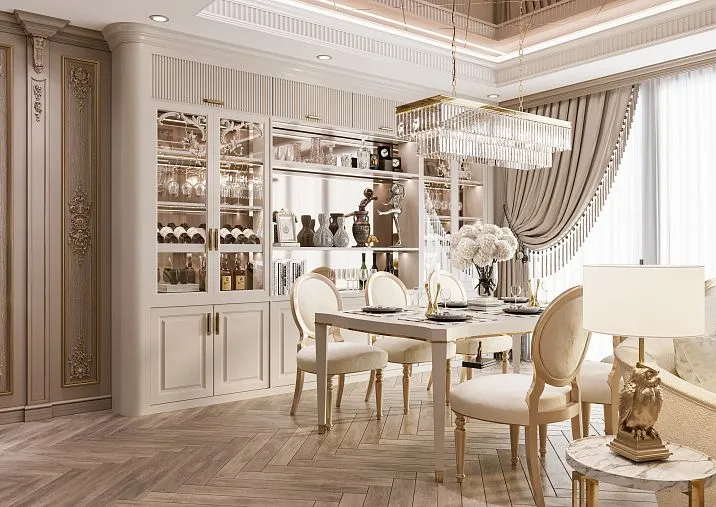
Home is not just walls and roof. It is a microcosm reflecting our aspirations, dreams, and notions of beauty. In the world of interior design, a true revolution is taking place: if just yesterday spaces were created merely to demonstrate status, then modern interior design trends 2025 they dictate entirely different rules of the game. Today, every square meter must serve human well-being, be a source of inspiration and emotional balance.
In the era of global change, design becomes a tool for creating a personal sanctuary from the chaos of the external world. Modern housing is a multifunctional ecosystem where technology seamlessly integrates into daily life, and every item carries deep meaning and purpose. Let’s dive into the world of new design trends and explore how they are reshaping our understanding of comfort and beauty.


Biophilic Revolution: Nature as the Foundation of Modern Living




Green Architecture of Interior Spaces
Biophilic design has ceased to be merely a fashionable trend — it has become a philosophy for creating healthy living spaces. Scientific research irrefutably proves: the presence of natural elements in interiors dramatically improves quality of life. Living plants not only purify the air but also reduce cortisol levels in the blood, enhance concentration, and improve overall emotional state.
At the forefront of this movement are vertical gardens, which transform ordinary walls into picturesque green canvases. Fitting walls of various configurations — from compact modular systems to grand installations spanning the entire ceiling height — have become compositional centers of modern interiors. Automated irrigation and lighting systems make caring for such green oases exceptionally simple.
Terrariums and florariums have become art objects, where miniature ecosystems create mesmerizing compositions of mosses, succulents, and tropical plants. Hanging gardens integrated into window structures allow growing fresh herbs and greens directly on the kitchen, making food preparation more meaningful and eco-friendly.
Our factory also produces:


Natural materials as the foundation of emotional comfort
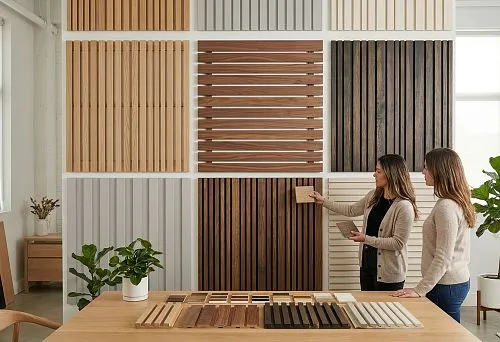
modern interior design trends 2025 emphasize the importance of tactile interaction with natural materials. Solid oak, walnut, and ash with preserved natural texture create a sense of connection with living nature. Brushed wood, where soft fibers are removed by special processing, acquires an expressive relief, pleasant to the touch.
Natural stone returns to interiors not as a luxury display of wealth, but as a source of energetic balance. Travertine with its porous structure, slate with distinctive layered veins, sandstone in warm honey tones — each material carries unique energy and creates an irreplaceable atmosphere.
Clay and terracotta in various forms — from large-format tiles to decorative panels — bring earthy warmth and primal beauty into interiors. Modern technologies allow creating complex architectural forms from these materials while preserving their natural appeal.
Get Consultation
Technological Harmony: Smart Home Without Showcasing Technology
Invisible Intelligence of Space
Modern technologies in interior design operate on the principle of 'maximum functionality with minimum visual presence.' Smart home systems become an organic part of architecture, integrating into walls, ceilings, and furniture so that their presence is practically invisible.
Sensory control panels are disguised as mirrors or paintings, voice assistants are embedded into ceiling structures, and projectors are hidden in specially designed niches. Multimedia systems transform into invisible assistants, creating the ideal atmosphere for work, relaxation, or entertainment.
Adaptive lighting has become real art of mood management. Systems mimicking the natural course of the sun automatically adjust the intensity and color temperature of light throughout the day. In the morning, cool white tones stimulate activity, while in the evening, warm golden glow prepares the body for sleep.
Climate technologies of the new generation
Air purification and ionization systems are integrated into ventilation grilles and decorative panels, operating silently and efficiently. Smart thermostats consider not only residents' temperature preferences but also their daily rhythms, activity levels, and even outdoor weather conditions.
Air humidifiers take the form of decorative fountains or sculptural objects, combining functionality with aesthetic impact. Sound-absorbing materials with active properties not only improve room acoustics but also neutralize unpleasant odors.
Color Psychology: Palette of Emotional Well-being
Natural Palette as the Basis of Harmony
Color solutions for 2025 are built on a deep understanding of the psychological impact of shades on humans. The palette is based on complex natural colors that soothe the nervous system and create a sense of stability. Terracotta with its earthy warmth, various shades of olive, ochre-yellow reminiscent of sunlight — these tones form the emotional foundation of modern interiors.
Mocha Mousse — a deep chocolate-brown shade — becomes the base color around which the entire color concept is built. This complex color possesses an amazing ability to create a sense of protection and comfort without overwhelming perception.
Various shades of smoky green — from delicate sage to rich coniferous — bring freshness and vitality to interiors. These shades are especially effective when combined with natural wood and textile textures.
Accent Dramaturgy
After a long period of dominance by neutral interiors, the trend is returning toward emotionally charged color accents. Coral, with its life-affirming energy, deep indigo, evoking mystery and depth, lavender, with its calming effect — these colors are used selectively, creating emotional focal points within a calm overall palette.
It is important to understand that modern color accents are not loud patches, but delicate strokes that enliven space without disrupting its harmony. They can appear in artworks, textile accessories, ceramic objects, creating emotional focal points.
Revolution of Forms: From Geometry to Organic
Soft-Line Architecture
modern interior design trends 2025 Demonstrate a clear transition from rigid geometry to soft, organic forms. Arched openings of various configurations — from classical semicircular to modern elliptical — return to interior architecture as symbols of harmony and fluidity.
Curved furniture becomes a distinctive feature of modern design. Sofas with gently curved backs, oval dining tables, chairs replicating the natural curves of the human body — all these elements create a sense of comfort and safety.
Ceiling structures adopt smooth, wave-like forms, concealing technical utilities and creating a sense of spatial dynamism. Suspended elements of various configurations — from simple geometric forms to complex sculptural compositions — zone space without creating visual barriers.
Textural Symphony
Modern design is built on the richness of tactile sensations. Decorative plaster with pronounced texture imitates natural surfaces — from rough tree bark to smooth river pebbles. Three-dimensional panels create play of light and shadow, changing depending on the time of day.
Textile textures become full-fledged architectural elements. Bouclé, with its characteristic looped structure, velour with deep pile, shenille with its shimmering surface — these materials are not only pleasant to the touch but also create visual depth in interiors.
Personalization as a Design Philosophy
Interior as an Autobiography
Mass designer solutions give way to deeply personalized spaces, where each element tells the story of its owner. Collecting becomes not just a hobby, but a way to create a unique atmosphere. Special display systems — from illuminated vitrines to rotating stands — transform the presentation of collections into a theatrical performance.
Vintage items with history acquire special value not as antiques, but as carriers of emotions and memories. Family heirlooms, items brought from travels, works by local artisans — all of this creates a unique energy of space that cannot be replicated or copied.
Art of Mixing Styles
Eclecticism ceases to be a sign of poor taste and becomes a high art. Modern designers masterfully combine elements from different eras and styles, creating harmonious compositions. Scandinavian functionality can coexist with luxurious Art Deco elements, while minimalist furniture can be paired with rich oriental rugs.
The key to successful eclecticism is the presence of a unifying idea — whether it be a color palette, material, or conceptual approach. Professional designers create invisible connections between disparate elements, transforming apparent chaos into a coherent composition.
Multifunctionality as a response to the challenges of time
Transformable Spaces
Modern life demands maximum adaptability from interiors. Transformable furniture is no longer just a convenient solution for small apartments, but a philosophy of rational space use. Tables that transform into consoles, sofas with integrated workspaces, beds hidden in wardrobes — all these solutions allow one space to perform multiple functions.
Mobile partitions of various configurations — from classic screens to modern glass constructions — allow space to be instantly transformed according to the needs of the moment. Sliding systems, folding elements, rotating mechanisms — technologies make changing the layout a simple and quick process.
Hidden Organization Systems
Modern storage systems operate on the principle of maximum functionality with minimal visual load. Built-in cabinets integrated into the room's architecture, hidden niches, concealed compartments — all this allows maintaining perfect order without compromising the aesthetics of the space.
Smart organization systems include pull-out drawers with automatic lighting, rotating mechanisms for corner spaces, lift systems for tall cabinets. Each item gets its own place, and access to it becomes maximally convenient and fast.
Kitchen as a culinary laboratory
The technological heart of the home
The modern kitchen transforms into a high-tech space where the cooking process becomes a creative act. Integrating professional equipment into home interiors allows creating culinary masterpieces at the level of restaurant kitchens.
Induction surfaces with precise temperature control, combi-ovens allowing cooking at low temperatures, sous-vide systems for molecular gastronomy — all these technologies make home cooking more creative and effective.
Large kitchen islands become multifunctional centers, combining preparation, presentation, and social interaction zones. Integrated island systems — from built-in aquariums for fresh fish to wine refrigerators — transform the kitchen into a true gastronomic theater.
Eco-conscious consumption
Water filtration and purification systems have become mandatory elements of modern kitchens. Smart refrigerators with freshness control functions help minimize food waste. Composters integrated into kitchen furniture convert organic waste into fertilizer for indoor plants.
Induction stoves with energy-saving functions, dishwashers with minimal water consumption, LED-based lighting — all this reduces the ecological footprint of modern kitchens.
Bedroom as a recovery sanctuary
The science of healthy sleep
Modern bedrooms are designed with the latest sleep science achievements. Orthopedic mattresses with zonal support, memory foam pillows, adjustable bed bases — all this ensures maximum comfort for body recovery.
Microclimate control systems maintain optimal temperature and humidity for quality sleep. Air purifiers with ionization functions create the ideal atmosphere for rest. Various types of blackout systems — from traditional blackout curtains to modern electrochromic glass — ensure complete darkness necessary for melatonin production.
Integration of wellness technologies
Aromatherapy systems with programmable diffusers create personalized aromatic programs for relaxation and recovery. Color therapy systems integrated into lighting help regulate circadian rhythms.
Meditative zones with special acoustics for mindfulness practices, yoga spaces with non-slip surfaces and mirrored surfaces — all this turns the bedroom into a personal wellness center.
Bathroom as a home spa
Hydrotherapy on a new level
Modern bathrooms become spaces for hydrotherapy procedures. Deep bathtubs with hydromassage systems, shower cabins with various water treatment modes — from gentle rain showers to intense massage — turn daily hygiene routines into therapeutic sessions.
Saunas and steam rooms adapted for home use allow regular detoxification procedures. Infrared cabins with precise temperature control provide gentle body warming, stimulating metabolic processes.
Natural materials in high-humidity conditions
Modern technologies allow using materials previously considered unsuitable for humid spaces in bathrooms. Teak with its natural water resistance, travertine with special protective treatment, bamboo panels — all these materials create a sense of connection with nature even in the technogenic environment of a bathroom.
Plants adapted to high-humidity conditions transform the bathroom into a tropical retreat. Automatic watering systems and special lighting for plants make creating such a green oasis simple and convenient.
Children's spaces: design for development
Stimulating creative potential
Children's rooms are designed as developmental environments where every element contributes to the child's intellectual and creative growth. Interactive walls with magnetic and marker surfaces allow children to freely express their ideas. Special zones for experiments and research are equipped with safe materials and tools.
Interior-scale modular construction sets allow children to independently organize their space, developing spatial thinking and creative abilities. Transformable furniture grows with the child, adapting to his changing needs.
Safety through design
Modern child safety is achieved not through restrictions, but through thoughtful design. Rounded corners, non-slip surfaces, eco-friendly materials without toxic components — all this is integrated into the design seamlessly, without compromising the aesthetics of the space.
Air monitoring systems control the air quality in the child's room, automatically activating air purifiers when exceeding permissible limits. Smart lighting adapts to children's biological rhythms, supporting healthy sleep and wakefulness patterns.
Workspaces in the era of remote work
Home office as an extension of personality
Remote work has permanently changed the requirements for home workspaces. A modern home office is not just a desk with a computer, but a carefully designed environment for maximum productivity and creativity. Ergonomic furniture with adjustable settings ensures comfort during prolonged work sessions.
Acoustic solutions create focus zones in open layouts. Sound-absorbing panels disguised as art, soft partitions made of natural materials — all of this helps create a work atmosphere without isolating from family life.
Technological solutions for efficiency
Video conferencing systems with professional lighting and acoustics transform a home office into a full-fledged telestudio. Projection systems allow creating presentation zones for client work. Intelligent document management systems minimize the physical presence of paper-based media.
Biometric access control systems protect confidential information, while activity monitoring systems help maintain a healthy work-life balance.
Ecological responsibility as a new luxury
Circular economy in interior design
Principles of circular economy are penetrating interior design, changing the approach to material and furniture selection. Reclaimed wood from old buildings receives new life as exclusive furniture with unique patina. Metal elements from recycled materials do not fall short in quality compared to primary materials, but have significantly lower carbon footprint.
Upcycling — creative rethinking of used items — is becoming a high-design trend. Old industrial parts are transformed into stylish lamps, vintage suitcases into original storage systems, and wooden boxes into furniture elements.
Local production as a trend
Supporting local manufacturers and artisans is not only ecologically, but also socially responsible. Furniture from local carpentry workshops, ceramics from regional artists, textiles from local weavers — all of this creates a unique atmosphere and supports traditional crafts.
Short supply chains reduce transportation costs and carbon footprint, while the opportunity to personally meet the artisan adds emotional value to each item in the interior.
Lighting as art of mood management
Architecture of new-generation lighting
Modern lighting systems go far beyond simple functionality. Architectural lighting creates dramatic effects, highlighting material textures and adding depth to space. LED strips integrated into architectural elements create the illusion of floating ceilings and walls.
Dynamic lighting changes throughout the day, supporting natural human biological rhythms. Systems mimicking the aurora borealis or campfire flicker add elements of natural magic to the interior. Projection systems can turn any wall into a canvas of changing landscapes or abstract compositions.
Decorative light objects
Lamps become full-fledged art objects, creating visual accents even when turned off. Sculptural chandeliers made of natural materials, tabletop lamps with unusual organic shapes, floor lamps resembling trees or flowers — all of this transforms lighting into an element of artistic decor.
Interactive lamps react to human presence, creating personalized lighting scenarios. Smart systems remember user preferences and automatically create optimal lighting atmospheres for different activities.
Sound and scents: invisible design elements
Acoustic comfort as the foundation of well-being
Sound design has become an indispensable part of creating a harmonious interior. Active noise-cancellation systems neutralize unwanted urban sounds, creating quiet islands in a noisy metropolis. Sound-absorbing materials are integrated into decorative elements — panels, paintings, upholstery.
Spatial sound systems create immersive acoustic environments for relaxation and meditation. Sounds of nature — ocean waves, bird songs, rustling leaves — are reproduced with such precision that they create a complete illusion of being in nature.
Aromatherapy as a wellness design element
Aromatic design uses the power of scent to create emotional states and memories. Each area of the home can have its own characteristic scent: invigorating citrus in the bathroom, relaxing lavender in the bedroom, stimulating mint notes in the workspace.
Aromatization systems with programmable diffusers create complex aromatic compositions that change throughout the day. High-quality natural essential oils not only provide a pleasant scent but also therapeutic effects.
Conclusion: Design as an investment in quality of life
modern interior design trends 2025 Demonstrate a fundamental shift in understanding the role of design in our lives. Interior design is no longer just an attractive shell — it becomes an active participant in our well-being, a tool for maintaining health, and a source of inspiration.
Creating a modern interior is a complex process requiring deep professional knowledge and rich experience. Understanding color psychology, knowledge of material properties, ability to integrate technology, sense of proportion and style — all of this is necessary to create a truly harmonious space.
It is important to understand that following modern trends does not mean blindly copying ready-made solutions. Each interior should be a unique reflection of personality, lifestyle, and the specific needs of a family. Trends offer directions and tools that can be creatively adapted to individual characteristics.
Each element of a modern interior, from material selection to space planning, is based on scientific research into the impact of environment on humans. Biophilic design, technological integration, personalization, ecological responsibility — all these principles work synergistically to create spaces that are not only beautiful but also beneficial for physical and emotional health.
The future of interior design is a harmonious blend of beauty, functionality, ecological responsibility, and care for people. It is spaces that not only impress visually but also support our health, stimulate creativity, and create a sense of happiness and harmony.
STAVROS Company has been a leader for many years in creating exclusive interior solutions that perfectly align with modern trends and individual client needs. Our specialists deeply understand the philosophy of contemporary design and possess all the necessary competencies to bring even the boldest design ideas to life.