












































































Article Contents:
- Technological Revolution in the World of Decoration
- From Gypsum to Polyurethane: A Qualitative Leap
- Variety of Forms and Stylistic Solutions
- Art of Composition: Creating Harmonious Spaces
- Strategic Approaches to Placement of Decorative Elements
- Color Solutions and Textural Effects
- Functional Aspects of Modern Molded Decoration
- Final reflections: Home as a reflection of the soul
- Ease of installation and disassembly
- Stylistic Universality and Adaptability
- Classic Directions in Modern Interpretation
- Modern stylistic directions
- Economic Advantages and Accessibility
- Democratization of Luxury
- Energy efficiency and eco-friendliness
- Technical aspects of application
- Features of installation work
- Integration with engineering systems
- Russian traditions of wooden architecture
- Adaptation to Climatic Conditions
- Compliance with Russian Construction Standards
- Development Prospects and Innovations
- Digital Technologies in Decoration Design
- Individualization and customization
- Psychological Aspects of Perception
- Influence of Decorative Elements on Emotional State
- Cultural Memory and Historical Continuity
- Conclusion: Mastery as Philosophy of Space
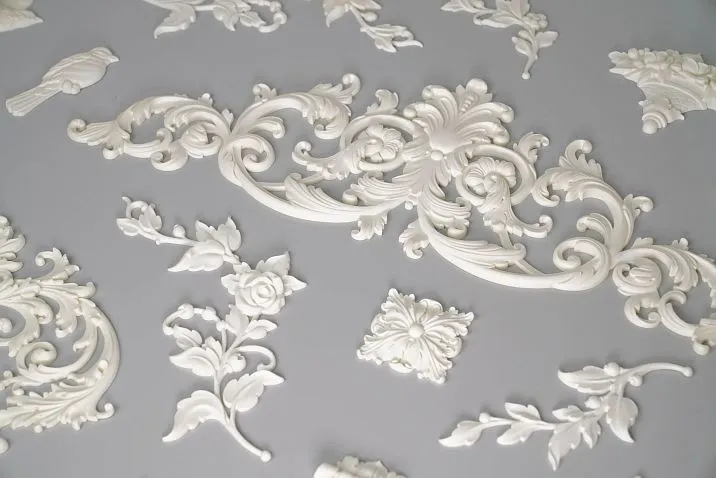
In an era when interior design ceased to be a privilege of palace halls and aristocratic mansions, the art of decorative space arrangement has acquired new dimensions and possibilities. Modern Relief Decoration represents a unique symbiosis of classical traditions and innovative technologies, where each element can radically transform the atmosphere of any room.
Today's view of interior decorative design radically differs from perceptions of past centuries. If previously stucco was associated exclusively with the luxury of Baroque and the pomp of Empire, modern solutions demonstrate remarkable universality and adaptability to various stylistic directions.


Technological Revolution in the World of Decoration




From Gypsum to Polyurethane: A Qualitative Leap
Revolutionary changes in the production of decorative elements occurred with the introduction of polyurethane as the primary material. This modern polymer fundamentally altered perceptions of the possibilities of molded decoration, providing designers and architects with an unprecedented tool of flexibility and functionality.
Polyurethane compositions possess unique characteristics that make them an ideal material for creating decorative elements. The high density of the material ensures the clarity of ornament details while maintaining the remarkable lightness of the final product. This quality is especially important when creating large compositional elements that must securely attach to walls and ceilings without risk of collapse.
Polyurethane's moisture resistance opens up limitless possibilities for applying decorative elements in high-humidity rooms. Bathrooms, kitchens, pools, and saunas can now be decorated with the same elegance as grand reception halls. The material does not absorb moisture, does not deform under steam, and does not create a favorable environment for fungal microorganisms.
Our factory also produces:


Variety of Forms and Stylistic Solutions
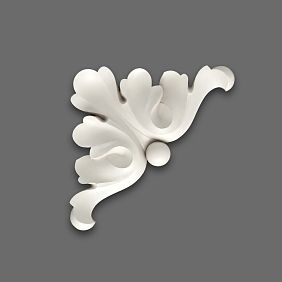
Modern Relief Decoration offers practically unlimited opportunities for creative self-expression. The technology of pressure casting allows creating elements of any complexity — from delicate floral ornaments to large-scale architectural compositions.
Classic motifs have received a new embodiment in modern execution. Traditional rosettes, friezes, and cornices can now be adapted to any stylistic concept. Minimalist interiors are enriched with concise geometric forms, while admirers of historical styles gain the opportunity to recreate the authentic atmosphere of palace interiors.
Get Consultation
Art of Composition: Creating Harmonious Spaces
Strategic Approaches to Placement of Decorative Elements
Professional use of molded decoration requires a deep understanding of composition principles and spatial perception. Each element must not merely decorate a surface, but also perform a specific functional role within the overall interior concept.
Strategic placement of decorative elements can visually alter the proportions of a room. Horizontal moldings visually expand the space, creating a sense of openness even in compact rooms. Vertical elements, on the contrary, visually increase ceiling height, which is especially relevant for standard apartments with limited height.
Creating accent zones using relief decoration allows for proper zoning of space without using physical partitions. Decorative framing of a fireplace area, highlighting a dining group, or creating a gallery wall — all these techniques help structure the interior, making it more functional and aesthetically appealing.
Color Solutions and Textural Effects
The ability to repaint polyurethane elements multiple times opens up limitless possibilities for interior color design. The classic white finish remains the most popular choice, providing versatility and elegance in decoration.
However, modern design trends increasingly turn to bold color solutions. Contrasting decoration of elements creates dynamic accents that draw attention to architectural features of the room. Tonal coloring matching wall colors, on the contrary, provides a subtle emphasis on surface relief.
Using special decorative coatings allows for imitation of various textures — from noble patina to metallic sheen. Gilding, silvering, and aging techniques restore relief decoration with historical authenticity, creating a sense of centuries-old interior history.
Functional Aspects of Modern Relief Decoration
Practicality and durability
Modern Relief Decoration Polyurethane material demonstrates outstanding operational characteristics, significantly surpassing traditional materials in durability and practicality. Resistance to mechanical impacts ensures preservation of the original appearance for decades.
Chemical inertness of the material guarantees resistance to household chemicals and atmospheric pollutants. This quality is especially important in urban conditions, where air is saturated with various impurities that can negatively affect decorative surfaces.
Antistatic properties of polyurethane prevent dust accumulation on decorative element surfaces, significantly simplifying maintenance and preserving the aesthetic appearance of the interior. Regular wet cleaning is sufficient to maintain the ideal condition of relief decoration.
Ease of Installation and Removal
The mounting technology of modern decorative elements is designed with the needs of both professional craftsmen and DIY enthusiasts in mind. Using specialized adhesive compositions ensures secure fixation without the need for drilling holes or mechanical fasteners.
The low weight of polyurethane items allows for installation without additional labor. One person can handle even large decorative elements, significantly reducing the cost of interior design work.
The possibility of removing and reusing elements makes polyurethane relief decoration an ideal solution for those who periodically update their interiors or plan to move. Carefully dismantled elements retain their operational characteristics and can be used in a new space.
Stylistic Universality and Adaptability
Classic Directions in Modern Interpretation
Fans of historical styles gain a unique opportunity to recreate authentic atmospheres of various eras using modern materials and technologies. Baroque scrolls and rococo ornaments acquire new life in polyurethane execution, retaining the elegance and luxury of original samples.
Empire motifs, with their strict geometry and majestic proportions, adapt perfectly to modern interiors, creating a sense of grandeur and respectability. Classicism, with its order and harmony of forms, resonates with those who value tranquility and elegance in interior design.
Modern stylistic directions
The remarkable plasticity of polyurethane allows creating decorative elements that match the most modern design trends. Minimalist interiors are enriched with concise geometric forms that highlight architectural features of the space without disrupting the overall concept of restraint.
Scandinavian style, with its inclination toward simplicity and functionality, finds a delicate ally in relief decoration. Subtle yet refined elements add depth and character to interiors while preserving the sense of lightness and airiness.
Loft interiors, seemingly contradicting the idea of decoration, gain new opportunities for self-expression through the use of industrial motifs in relief decoration. Imitation of metallic structures and technological forms creates an organic link between the raw aesthetics of industrial spaces and the comfort of living areas.
Economic Advantages and Accessibility
Democratization of Luxury
One of the most significant achievements of the modern decorative materials industry has been the democratization of what was previously accessible only to the elite. Relief Decoration Polyurethane has made it possible to create luxurious interiors within a limited budget, without sacrificing quality or aesthetic appeal.
Mass production of decorative elements using modern technologies has significantly reduced the cost of finished products compared to traditional materials. At the same time, the quality of execution and ornament detail often surpasses that of handcrafted work from past eras.
The economic efficiency of using polyurethane decoration is evident not only in the initial cost of materials but also in the long-term perspective. The absence of the need for regular repair and restoration of elements makes this choice financially advantageous over many years of use.
Energy efficiency and eco-friendliness
Modern polyurethane compositions are produced in strict compliance with ecological standards. The material does not emit harmful substances during use, making it safe for use in residential spaces, including children's rooms and bedrooms.
The thermal insulation properties of polyurethane contribute to improving the energy efficiency of a room. Decorative elements create an additional thermal insulation layer, which is especially relevant when decorating exterior walls and spaces requiring special temperature regimes.
The possibility of recycling polyurethane makes relief decoration an environmentally responsible choice. At the end of their service life, elements can be recycled into new products, aligning with modern principles of sustainable development and environmental care.
Technical aspects of application
Features of installation work
Professional installation of molded decoration requires understanding of the specific properties of the material and technological nuances of mounting. Surface preparation plays a critically important role in ensuring the longevity of the mounting and aesthetic result.
Cleaning and degreasing the surface ensures optimal adhesion of the adhesive composition. Using specialized primers improves material bonding and prevents possible deformations during operation.
Accuracy of marking and adherence to technological intervals during installation guarantee the ideal geometry of the finished composition. Using professional tools and following the manufacturer's recommendations for adhesive compositions are the guarantee of a successful result.
Integration with engineering systems
Modern interiors are filled with various engineering systems that must be organically integrated with decorative elements. Relief Decoration Provides unique opportunities for concealing utilities and technical elements.
Lighting systems can be integrated into decorative elements, creating an effective backlighting and additional lighting accents. Concealed lighting of cornices and moldings creates a soft diffused light, visually enlarging the space and adding intimacy to the interior.
Ventilation systems and air conditioning can be organically incorporated into the overall decorative composition. Specifically designed elements allow concealing technical grilles and ducts while maintaining their functionality.
Regional characteristics and cultural traditions
Adaptation to Climatic Conditions
Russian climatic conditions impose special requirements on materials used in interior decoration. Significant temperature and humidity fluctuations, characteristic of a continental climate, require decorative elements to have high stability and resistance to deformation.
Polyurethane Relief Decoration Demonstrates excellent adaptation to Russian operating conditions. The material retains its properties over a wide temperature range, not losing elasticity at low temperatures and not softening at elevated temperatures.
The frost resistance of polyurethane makes it possible to use it in unheated rooms and for facade decoration of buildings. This property is especially important for suburban construction and restoration of historical objects.
Compliance with Russian construction standards
Modern polyurethane compositions fully comply with Russian construction standards and safety regulations. Product certification guarantees compliance with sanitary-hygienic requirements and fire safety standards.
The fire resistance class of polyurethane decoration allows its use in public buildings and premises with heightened fire safety requirements. The self-extinguishing properties of the material provide additional protection in extreme situations.
Development prospects and innovations
Digital technologies in decorative design
Modern CAD technologies have revolutionized the process of creating decorative elements. Three-dimensional modeling allows creating unique compositions, accurately calculating their interaction with architectural features of a specific room.
Virtual reality provides clients with the opportunity to see the future interior even before work begins, eliminating disappointments and allowing adjustments during the design phase. This technology is especially valuable when working on large-scale projects and exclusive interiors.
Individualization and customization
The trend toward individualizing interior solutions has led to the development of technologies for creating unique decorative elements tailored to specific client needs. 3D printing and milling allow realizing the most daring design ideas.
Customized Relief Decoration may include family crests, initials of owners, or unique ornaments specifically developed for a particular interior. This approach makes each project truly unique and irreplaceable.
Psychological Aspects of Perception
Influence of decorative elements on emotional state
Scientific research confirms the significant influence of the surrounding environment on a person's psychological state. Decorative elements play an important role in forming the emotional background of a room, creating a sense of comfort and security.
The rhythmicity of ornaments has a calming effect on the nervous system, promoting relaxation and stress relief. This quality is especially valuable in today's world, saturated with information flows and emotional loads.
The sense of luxury and refinement created by molded decoration enhances the self-esteem of the occupants and fosters a positive attitude toward the surrounding space. A beautiful interior becomes a daily source of inspiration and good mood.
Cultural memory and historical continuity
Using molded decoration in modern interiors supports a connection with cultural traditions and historical memory. Classic motifs, given a new embodiment in modern materials, convey to future generations aesthetic values and artistic traditions of the past.
This continuity is especially important in the era of globalization, when cultural boundaries are blurred and national identity is lost. Molded decoration becomes a means of preserving and transmitting cultural heritage in a modern interpretation.
Conclusion: craftsmanship as a philosophy of space
The modern world of interior design offers boundless opportunities for creative self-expression, and Relief Decoration made of polyurethane occupies a special place in this diversity. It represents a unique synthesis of traditions and innovations, where classical beauty meets modern functionality.
Choosing decorative interior design is choosing beauty, comfort, and individuality. Each element of stucco decoration carries a piece of its creators' soul and becomes an indispensable part of living space, forming a unique atmosphere in the home.
In an era of standardization and uniformity, stucco decoration remains an island of individuality, allowing each person to create a space reflecting personal preferences and aesthetic views. This is an investment not only in interior beauty but also in the quality of life, daily enjoyment of a beautiful and harmonious environment.
STAVROS stands at the forefront of this industry, offering clients not just decorative elements, but comprehensive solutions for creating truly unique interiors. Years of experience, attention to detail, and pursuit of perfection make STAVROS products a benchmark of quality in the world of stucco decoration. Choosing STAVROS means choosing a reliable partner in creating the interior of your dreams, where every element embodies beauty and functionality.


