Article Contents:
- 1. Minimalism: simplicity that impresses
- Main features of minimalism:
- Which decor elements are suitable?
- Example of arrangement:
- Tips for arranging:
- Photo example for inspiration:
- Main features of Scandinavian style:
- Which decor elements are suitable?
- Example of Scandinavian interior arrangement:
- Tips for arranging:
- Photo example for inspiration:
- Main features of baroque:
- Which decor elements are suitable?
- Example of interior arrangement in baroque style:
- Tips for arranging:
- Photo example for inspiration:
- Main features of rustic style:
- Which decor elements are suitable?
- Example of interior arrangement in rustic style:
- Tips for arranging:
- Photo example for inspiration:
- Main Features of Modern Style:
- Which decor elements are suitable?
- Example of interior arrangement in modern style:
- Tips for arranging:
- Photo example for inspiration:
- 6. Photo examples of decor in different styles: inspiration for your interior
- 7. Tips for choosing accessories to maintain stylistic harmony
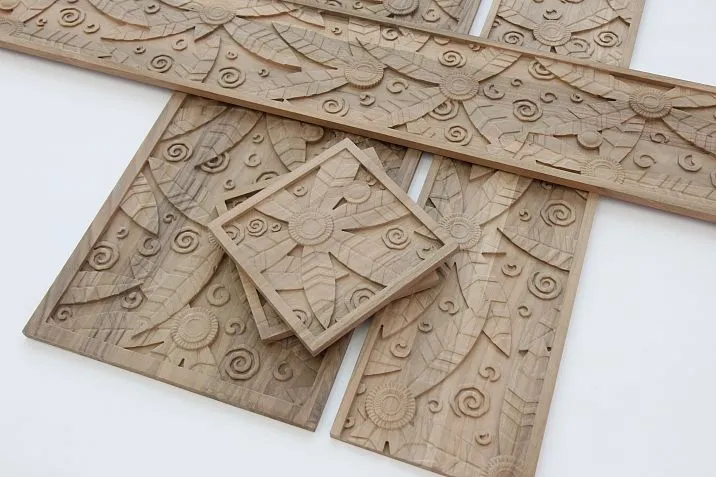
Decorating space is not only a way to make the interior more attractive, but also an opportunity to express individuality and highlight the character of the room. Decor elements in styleplay a key role in creating a harmonious atmosphere. Each decor style has its own features, accents, and rules that help convey its uniqueness. In this article, we will consider popular interior styles and explain how to choose decor elements for each of them.


1. Minimalism: simplicity that impresses
Minimalism is the art of eliminating the unnecessary, leaving only the essential. This style emphasizes clean lines, functionality, and order.Decor elements of the room are selected with special care in minimalism, as each of them becomes an accent capable of setting the tone for the entire space.




Main features of minimalism:
- Minimalist forms. Preference is given to simple geometric lines and clear silhouettes. For example, moldings without complex patterns or rectangular pictures in monochrome tones.
- Limited color palette. White, gray, black, and pastel tones form the base, complemented by rare bright accents.
- Functionality. Each decorative element should be not only beautiful but also useful – from wall clocks to decorative shelves.
Our factory also produces:

Which decorative elements are suitable?
● wooden decorative elements, such as simple frames or stands.
● Monochrome accessories – black-and-white posters, solid-colored vases, strict geometric shapes.
● Simple moldings on walls, emphasizing the interior’s lines.
Get Consultation
Example of arrangement:
For a minimalist living room, use light-colored walls with moldings forming rectangular frames, solid gray curtains, and a glass coffee table. The central element could be a black lamp with a simple shade.
Design tips:
- Use maximum light. Minimalistdecorative elements, such as mirrors or lamps, will help visually enlarge the space.
- Maintain balance. Do not overload the interior – one painting or vase against a clean wall will create an accent.
- Choose natural materials. Wood, glass, and metal – ideal companions for minimalism.
Photo example for inspiration:
Minimalist kitchen with white cabinets, black geometric lamps, and wooden wall shelves. Every detail looks simple yet elegant.
2. Scandinavian style: comfort and natural harmony
Scandinavian style embodies simplicity, warmth, and closeness to nature. It is ideal for creating a cozy and bright space where every interior element emphasizes functionality and comfort.Decor elements of the room In Scandinavian style, achieving harmony between minimalism and aesthetics helps.
Key features of Scandinavian style:
- Natural materials.
Natural materials such as wood, linen, cotton, and wool form the basis of Scandinavian interior design.Wooden decor elements This is an essential component that adds warmth and naturalness. - Light color palette.
White is the base, but it is often softened with gentle shades of gray, blue, green, and beige. - Minimal clutter.
Scandinavian-style interiors do not tolerate an abundance of small details. Decoration is used selectively to emphasize the main mood of the space. - Functionality.
Each element should not only decorate but also serve a practical function – whether it’s a vase for flowers, a shelf, or a candle holder.
Our factory also produces:
Which decorative elements are suitable?
- Wooden accessories.
Use simple wooden frames for photos, figurines made of solid wood, or decorative shelves. - Textiles.
Add coziness with cushions, blankets, and rugs made of natural fabrics with soft patterns, such as checkered or striped. - Lighting.
Soft lighting is an essential feature of Scandinavian style. Choose lamps and candles in minimalist candle holders. - Plants.
Simple ceramic pots with greenery will enliven the space, making it warmer and more welcoming.
Example of Scandinavian interior design:
Imagine a cozy living room with white walls adorned with wooden shelves holding books and ceramic vases. On the floor — a soft geometric-patterned blanket, on the sofa — several pastel-toned cushions. The centerpiece could be a wooden coffee table with an open-grain texture, on which sits a candle and a small vase with eucalyptus.
Design tips:
- Maintain simplicity.
Do not overload the interior, avoid excessive detail. Scandinavian style loves minimalism. - Use natural tones.
The color white can be complemented with soft natural tones — light brown, gray, or green. - Make accents.
Withvivid decorative elements Add small accents, for example, a colorful cushion or a patterned blanket. - Choose functional decor.
Select items that combine aesthetics and practicality, such as wooden bookshelves or beautiful yet convenient storage baskets.
Photo example for inspiration:
On the websiteSTAVROS Photos of ready-made Scandinavian interiors are presented. For example, a bedroom with a wooden bed adorned with a blanket and pastel-toned cushions, white walls with moldings and a natural rug create an atmosphere of coziness and harmony.
3. Baroque: luxury and elegance
Baroque is a style that embodies grandeur, richness, and elegance. It originated in Europe in the 17th century and remains a symbol of aristocracy and splendor. Baroque decorative elements help transform any room into a true work of art, where every element highlights the owner's refined taste.
Main features of Baroque:
- Complex ornaments and patterns.
Baroque is characterized by rich decoration: stucco, carved details, gold and silver elements. - Saturated colors.
The style prefers deep shades, such as burgundy, emerald, gold, dark blue, and black. - Materials.
Luxurious materials are used in finishing — velvet, silk, marble, and carved wood. - Asymmetry.
Although the style is renowned for its complexity, it also plays with asymmetry in details, adding uniqueness. - Refined lighting.
Crystal chandeliers and large candlesticks with whimsical shapes are mandatory elements.
Our factory also produces:
Which decorative elements are suitable?
- Moldings.
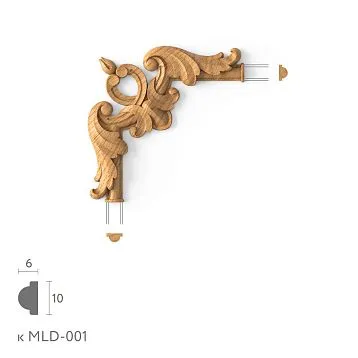
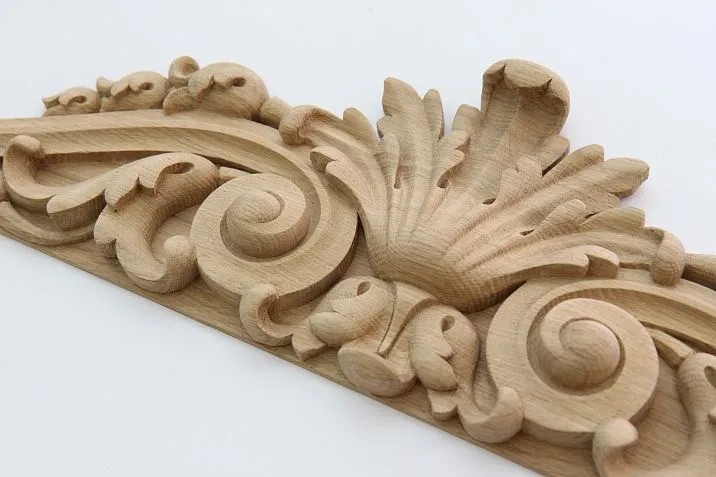
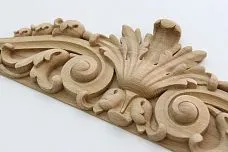
UseRelief Decoration Elements For decorating ceilings, walls, and window openings. Baroque moldings often include floral ornaments, angels, and other intricate patterns. - Carved frames and mirrors.
Mirrors in gilded or silvered carved frames will become a focal point of the interior. - Textiles.
Curtains and cushions made of velvet or silk with tassels and fringe will add additional luxury to the room. - Furniture.
Furniture elements with carving, gilding, and soft upholstery are the central part of the baroque interior style.
Example of interior design in the baroque style:
Imagine a living room with high ceilings adorned with ornate cornices and a central rosette beneath a crystal chandelier. Walls are covered with dark burgundy velvet panels framed by gold moldings. Against the wall stands a large mirror in a carved gilded frame, and beside it are chairs upholstered in velvet. The central focal point of the room is a carved fireplace decorated with ornamental elements.
Design tips:
- Do not be afraid of gold.
Gilded details are a key accent in baroque style. Use them in frames, furniture elements, chandeliers, and candlesticks. - Maintain balance.
To avoid a cluttered look, use bold colors combined with neutral backgrounds such as white or cream. - Choose quality materials.
Only high-quality fabrics, wood, and metal will convey the spirit of baroque. - Add antique elements.
If possible, use vintage mirrors, vases, or furniture — this adds authenticity.
Photo example for inspiration:
On the websiteSTAVROS You will find examples of interiors decorated with moldings and carvings in the baroque style. For example, a bedroom with a canopy, soft lighting, and gilded moldings creates an atmosphere of royal luxury.
4. Rustic: warmth and natural harmony
Rustic style is a true ode to nature and simplicity. It originated in rural homes and was initially based on the use of natural materials. Today, rustic style is relevant both for country houses and city apartments, adding coziness, warmth, and a touch of authenticity.house decoration elements Help highlight natural aesthetics and create a cozy atmosphere.
Key features of rustic style:
- Natural materials.
The foundation of this style is wood, stone, clay, and textiles made from natural fibers. Their natural textures and warm tones create coziness and harmony. - Rough finish.
Rustic style is characterized by deliberately unpolished surfaces — rough wooden beams, stone walls, and carvedwooden decor elements. - Warm tones.
Brown, beige, gray, and green shades dominate the palette, emphasizing naturalness and calm. - Functionality.
Every item in the interior should be functional, and decor should accentuate this functionality.
Our factory also produces:
Which decorative elements are suitable?
- Wooden items.
Wooden decor elementssuch as carved beams, shelves, and mirror frames, add authenticity to the interior. - Textiles.
Use linen curtains, knitted blankets, cushions with ethnic patterns, and handcrafted rugs. - Ceramics and clay.
Clay pots, ceramic tableware, and decorative elements harmonize beautifully with the overall style. - Wrought iron details.
Wrought iron candle holders, frames, hooks, or towel racks add charm to interiors.
Example of interior design in rustic style:
Rustic-style kitchen: a massive wooden dining table with rough finish, featuring ceramic tableware and woven placemats. Walls are adorned with open shelves holding clay jugs and wooden plates. The central accent is a fireplace decorated with carved wooden elements and candles in wrought iron candle holders.
Design tips:
- Use raw wood.
Leave the wood texture visible — this will emphasize the authenticity of the style. - Add soft lighting.
Hanging lamps with warm light or candles will create a cozy atmosphere. - Combine materials.
Mix wood with stone and metal – this will make the interior deeper and more expressive. - Add a little greenery.
Small plants in ceramic pots or dried flowers will be a great addition.
Photo example for inspiration:
On the websiteSTAVROS Examples of rustic-style interiors are presented. For example, a cozy bedroom with a wooden headboard, warm lighting, and decorative pillows with ethnic patterns, emphasizing a rustic vibe.
5. Modern style: freedom, creativity, and dynamism
Modern style is a combination of minimalism, functionality, and bold accents. It suits those who appreciate clean lines, open space, and unusual design solutions.Modern decor elements help to enliven the space, making it expressive and dynamic.
Main features of modern style:
- Contrast.
Modern interiors often play with contrasts: dark and light colors, smooth and textured surfaces, matte and glossy materials. - Simplicity and functionality.
Each decor element has its purpose and emphasizes the practicality of the style. - Experiments with shapes.
Geometric patterns, unusual lines, and asymmetry make the modern style interesting and dynamic. - Technological aspects.
Modern interiors often integrate smart home elements, lighting, and other technological solutions.
Our factory also produces:
Which decorative elements are suitable?
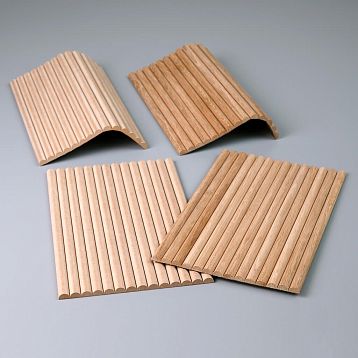
- Minimalist moldings and panels.
Usewall decor elements, to add depth and highlight specific zones. - Geometric accessories.
Decorative vases, lamps, figurines – all of this emphasizes the relevance and creativity of the style. - Technological elements.
Hanging lamps with unusual design, integrated lighting in furniture and on walls add a futuristic touch to the interior. - Saturated accents.
Modernvivid decor elements, such as cushions, rugs, or paintings, help add energy to the interior.
Example of interior design in modern style:
Living room in modern style: large geometric panels on the wall, highlighted by built-in lighting. The centerpiece is a soft sofa with cushions in saturated tones, and a glass-and-metal coffee table adds lightness. Lighting is provided by several hanging lamps with black matte shades.
Design tips:
- Maintain balance.
Contrasts are important, but do not overload the interior with too sharp transitions. - Use accents.
For example, choose one bright detail – a geometric rug or a large-format painting. - Focus on materials.
Metal, glass, and wood in minimalist forms – this is the ideal choice for modern interiors. - Integrate lighting.
Lighting built into furniture or walls makes the interior stylish and functional.
Photo example for inspiration:
On the websiteSTAVROS You will find many examples of modern decor. For example, a bedroom with illuminated moldings, a black bed headboard, and minimalist bedside tables looks elegant and dynamic.
6. Photo examples of decor in different styles: inspiration for your interior
Ready-made photo examples are a great way to understand how to adaptDecor elements in style to different interior solutions. Visualization helps to imagine how certain details will look in real space, and also to find fresh ideas for implementation.
Photo example for minimalism: simplicity and light
The living room in a minimalist style is decorated with light walls and geometric moldings. The centerpiece is a gray sofa adorned with a pair of neutral-toned cushions. A white coffee table emphasizes clean lines, and next to it stands a lamp with a simple shade. The composition is completed by smallDecor elements of the room, such as a vase with dried flowers and a painting in a single-tone frame.
Photo example for Scandinavian style: natural harmony
A bright kitchen with wooden elements: shelves made of solid pine, on which glass jars and ceramic dishes are placed. On the walls – simple frames with minimalist posters, emphasizing the style. The white table is adorned with a linen tablecloth, and on it – a composition of candles and green branchesWooden decor elements add warmth and coziness to the room.
Photo example for Baroque: luxury and richness
A luxurious bedroom in Baroque style: walls adorned with gilded moldings, the central part of which is a mirror in a heavy carved frame. On the ceiling – a chandelier with crystal pendants, creating a play of light. The bed is covered with a deep burgundy velvet coverlet, complemented by cushions with gold trim. On the bedside tables stand exquisite lampsBaroque decorative elements emphasize the luxurious character of the interior.
Photo example for rustic: warmth of village coziness
A living room in a rustic style with a massive wooden table adorned with woven dish holders. On the walls – decorative beams, creating the effect of a traditional village house. In the center of the room is a fireplace with a wrought iron grate decorated with candles. As decor, knitted blankets, baskets, and ceramic pots are used.house decoration elements create an authentic atmosphere.
Photo example for modern style: dynamism and creativity
The dining area in modern style is decorated using contrasting colors: black chairs and light wooden table. On the walls – moldings with lighting, highlighting zoning. On the table arevivid decor elements: geometric vases, candles, and floral arrangements. Lamps with unusual glass shades complete the dynamic and stylish look.
How to use photo examples?
- Draw inspiration.
Study ready-made solutions on the websiteSTAVROS, to understand how to combine decor elements in your interior. - Adapt to your taste.
Choose a style that suits you and add personal accents. - Experiment.
Photo examples inspire new solutions – try mixing styles or adding bright details.
7. Tips for choosing accessories to maintain stylistic harmony
Choosing accessories is a key stage in creating a harmonious interior. Properly selecteddecorative elements highlight the stylistic direction and make the space complete. To ensure the decor looks organic and expressive, it is important to consider several simple but effective rules.
1. Consider the interior style
Each style dictates its own design rules. Accessories must align with the overall concept, supporting its key elements.
● Minimalism: Prefer simple forms and neutral palette. Usemodern decorative elements, such as geometric shapes or simple moldings.
● Scandinavian style: Choose natural materials — wood, ceramics, textiles.Wooden decor elements This will emphasize coziness and warmth.
● Baroque: Suitable are gilded frames, moldings, and textured textiles such as velvet and silk.
● Rustic: Add woven baskets, ceramic tableware andhouse decoration elements to create an authentic rustic coziness.
2. Set accents
Accessories are an opportunity to set accents in the interior. Usevivid decor elements, to draw attention to key zones.
● Area above the sofa: Decorate it with paintings or moldings.
● Dining table: A central composition of candles, vases, or flowers will create an accent in this zone.
● Windows: Add patterned curtains or decorative valances.
3. Combine textures and materials
Mixing textures makes the interior interesting and layered. For example, in modern style, combine smooth glass surfaces with matte wooden elements. In rustic style, use rough wood and soft textiles.
4. Maintain balance
It is important not to overload the interior. Excessive decor may make the space chaotic and deprive it of harmony. It is better to choose a few keydecor elements for the roomthat will play the main role.
5. Pay attention to scale
Decor accessories should match the size of the room. In spacious rooms, use large items – heavy frames, large clocks, or vases. For smaller spaces, miniature details such as small candlesticks or figurines will be suitable.
6. Choose universal accessories
Some elements suit different styles. For example,Relief Decoration Elements can be used in both classic and modern interiors.
7. Look for inspiration
On the websiteSTAVROS There are many ideas for interior design presented. Ready-made solutions will help you understand which accessories will suit your home specifically.
Creating a harmonious interior is an engaging process that allows you to express your individuality. Choose quality and stylish decorative elementsto make the space cozy, functional, and inspiring.