Article Contents:
- Philosophy of Decorative Ornamentation: From Function to Emotion
- Evolution of Decorative Thinking
- Psychology of perception of decorative elements
- Typology of Decorative Elements: Variety of Forms and Purposes
- Wall-mounted decorative elements
- Corner Decorative Solutions
- Wall Decorative Compositions
- Materials and Technologies: From Traditions to Innovations
- Wood as the Foundation of Decorative Art
- MDF: Democratizing Beauty
- Ornamental Traditions in Modern Interpretation
- Botanical Motifs: Eternal Classic
- Geometric Compositions: Mathematics of Beauty
- Color Solutions and Finishing of Decorative Elements
- Monochromatic Aesthetics
- Polychromy and Gilding
- Stylistic Directions in Decorative Art
- Classical tradition
- Modern Interpretations
- Decorative Interior Accents in Various Rooms
- Living Room: Theater of Everyday Life
- Bedroom: Intimacy and Coziness
- Office: Status and Functionality
- Precision Manufacturing
- Modern Production of Decorative Elements
- Quality control at all stages
- Installation and Mounting: The Art of Final Assembly
- Preparatory work
- Joining technologies
- Care and Restoration: Preserving Beauty for Years
- Regular maintenance
- Restoration and repair
- Trends and development prospects
- Ecological Sustainability as a New Standard
- Personalization and customization
- Integration with smart technologies
- Frequently Asked Questions
- Conclusion: STAVROS – Workshop of Decorative Perfection
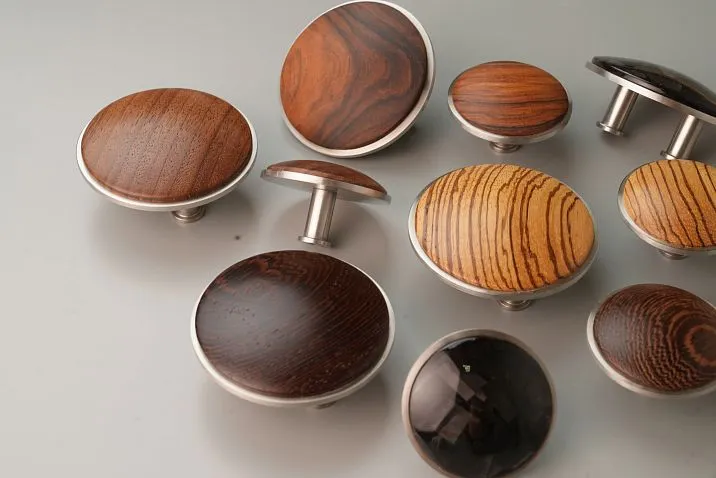
Imagine an interior without a single decorative detail. Bare walls, simple furniture, absence of accents. Such a space resembles a theater stage before the performance begins – functional, yet devoid of soul. Precisely decorative ornamentation element transforms an indifferent space into a living, breathing environment, filled with character and individuality.
Each decorative element is a small story told through the language of forms, textures, and lines. It can instantly change the mood of a room, giving it grandeur or coziness, strictness or playfulness. In the world of interior design, decorative elements play the role of artistic brushstrokes on the canvas of architectural space.


Philosophy of Decorative Ornamentation: From Function to Emotion




Evolution of Decorative Thinking
What motivates a person to decorate their home? This question delves into the depths of human psychology. Since ancient times, people have sought not merely to shelter from the elements, but to create a space reflecting their inner world, status, and aesthetic preferences.
Decorative elements in architecture and interior design have undergone a long evolutionary journey. From primitive rock drawings to intricate Gothic carvings, from Baroque opulence to minimalist restraint — each era has created its own language of decorative art.
Modern decorative ornamentation element This is a synthesis of humanity's thousand-year experience in aesthetics and modern manufacturing technologies. It combines the beauty of classical forms with the practicality of contemporary materials and production methods.
Our factory also produces:


Psychology of Perception of Decorative Elements
Why does one ornament evoke a sense of calm, while another triggers dynamic excitement? The secret lies in the psychology of perception of forms and rhythms. Smooth, rounded lines soothe the nervous system, creating a sense of protection and comfort. In contrast, sharp angles and abrupt transitions activate attention, generating energetic tension.
Rhythm in decorative compositions works similarly to musical rhythm. The even repetition of elements creates a sense of stability and order. Disrupting the rhythm with accentuated details introduces an element of surprise and liveliness, preventing monotony in perception.
Get Consultation
Typology of decorative elements: variety of forms and purposes
Wall-mounted decorative elements
Decorative Accents for Furniture represent a special category of interior accessories. These elements do not merely decorate a surface — they fundamentally alter the character of the object they are applied to.
Furniture appliqués can transform a simple chest into a work of art. Carved rosettes, botanical ornaments, geometric compositions — each element carries a specific stylistic message. Baroque opulence is expressed through abundance of scrolls and leaves, classical rigidity — through symmetrical compositions with clear geometry, modernism — through fluid, natural forms.
The technology of manufacturing appliqué elements requires special craftsmanship. Modern manufacturers use high-precision milling equipment, allowing them to create details with relief depth up to 25 mm. Such depth ensures expressive play of light and shadow, creating a three-dimensional effect even for small-sized elements.
Corner decorative solutions
Corner decorative elements occupy a special place in the hierarchy of interior decorations. Corners are the areas of maximum visual tension in space. It is here that the gaze stops, seeking support for further movement through the interior.
A well-designed corner element performs several functions simultaneously. Structurally, it ensures a smooth transition between intersecting planes, conceals technological joints and irregularities. Aesthetically — it creates accent points, establishing the rhythm of the entire decorative composition.
The variety of corner solutions is breathtaking. From simple quarter-rounds to complex multi-tiered compositions with botanical motifs — each project requires an individual approach to selecting corner decor.
Wall decorative compositions
Wall decorative ornaments open up boundless opportunities for creative self-expression. The wall is the designer’s canvas, on which decorative elements play the role of artistic accents.
Modern wall decorations can imitate historical styles or create entirely new artistic images. Botanical ornaments of the modern era, geometric compositions of Art Deco, classical motifs of antiquity — the entire arsenal of world decorative art is accessible to contemporary designers.
Placement of wall elements requires understanding of compositional laws. Central rosettes create focal points, corner elements frame space, linear details define the direction of the viewer’s gaze. A professional designer knows how to combine all these elements into a harmonious system.
Materials and technologies: from traditions to innovations
Wood as the basis of decorative art
Wood remains one of the most noble materials for creating decorative elements. The natural beauty of wood grain, the warmth of the material, and the possibility of fine processing make it indispensable in creating exclusive interiors.
Different wood species possess unique decorative properties. Oak impresses with the power of its texture, beech — with the delicacy of its tones, walnut — with the refinement of its pattern. Each species requires a special approach to processing and finishing.
Modern woodworking technologies allow creating decorative elements of any complexity. Five-axis milling centers are capable of reproducing the finest details of an original design while preserving the natural beauty of the material.
MDF: democratization of beauty
The emergence of MDF revolutionized the industry of decorative elements. This composite material combines the best qualities of natural wood with the technological advantages of industrial production.
The uniform structure of MDF allows creating elements with extremely fine detailing. The absence of knots, cracks, and other natural defects guarantees an ideal surface quality. At the same time, the cost of MDF decor remains accessible to a wide range of consumers.
The ecological characteristics of modern MDF meet the strictest standards. E1 emission class ensures safe use in residential spaces, including children’s rooms.
Ornamental traditions in modern interpretation
Botanical motifs: eternal classic
Decorative ornaments patterns of botanical character remain among the most popular in interior design. Natural forms possess universal appeal, understandable and pleasing to human perception on a subconscious level.
Acanthus leaves, rosettes, garlands, grapevines — these motifs originated in antiquity and continue to adorn modern interiors. But today they are executed using advanced technologies, ensuring precision and detail unattainable for ancient craftsmen.
Modern botanical ornaments do not blindly copy historical samples. Designers creatively reinterpret classical motifs, adapting them to the aesthetics of the 21st century. Styling may be barely noticeable or radical, transforming recognizable forms into abstract compositions.
Geometric compositions: mathematics of beauty
Geometric decoration is based on different principles of perception. If botanical ornaments appeal to emotions, geometric ones appeal to reason. Correct proportions, mathematical precision, rhythmic organization create a sense of order and stability.
The history of geometric ornamentation spans millennia. From the meanders of ancient Greek temples to modern minimalist compositions—geometry remains an inexhaustible source of inspiration for decorators.
Modern technologies allow creating geometric decorations of incredible complexity. Fractal compositions, three-dimensional optical illusions, parametric forms—mathematics becomes art.
Color solutions and finishing of decorative elements
Monochromatic aesthetics
The color of a decorative element significantly affects its perception. White decor creates a sense of lightness and airiness, black adds drama and contrast, natural wood tones bring warmth and coziness.
Monochromatic solutions are especially popular in modern interiors. White decorative elements on white walls create subtle texture and form play without disrupting the overall harmony of the space. This approach requires special craftsmanship in relief detailing—light and shadow become the primary expressive means.
Black decorative elements function as graphic accents. They can radically alter the character of the interior, making it more modern and dynamic. Especially striking is black decor against contrasting compositions with white walls.
Polychromy and gilding
Colored decor requires a special understanding of interior color schemes. Bright elements can become the highlight of a space or, if poorly used, destroy its harmony.
Gilding remains a symbol of luxury and refinement. Modern technologies allow creating finishes indistinguishable from real gold, yet more practical for use. Patination adds an element of noble antiquity.
Stylistic directions in decorative art
Classic Tradition
Classic decor is based on principles developed by European art over centuries. Symmetry, proportionality, use of the order system, reference to classical motifs—all this creates an atmosphere of solemnity and respectability.
Baroque decor is characterized by opulence and dynamism. Asymmetric compositions, abundance of scrolls and volutes, plant motifs in motion—all this creates a sense of festivity and abundance.
Neoclassicism, on the contrary, leans toward strictness and geometry. Correct proportions, symmetrical compositions, restrained color palette—such decor emphasizes the status and good taste of the owners.
Modern Interpretations
Modernism brought a fundamentally new approach to decorative art. Rejection of historical canons, turn toward natural forms, asymmetry as an artistic device—all this radically changed perceptions of beauty.
Art Deco synthesized modernist innovations with classical solidity. Geometric forms, stylized plant motifs, use of new materials—this style perfectly suits modern interiors.
Minimalism took functionalist ideas to their logical conclusion. Simplicity of forms, absence of unnecessary details, focus on material quality and perfection of proportions—this approach requires special craftsmanship from the designer.
decorative interior ornaments in various rooms
Living room: theater of everyday life
The living room is the home’s calling card, the space where family members receive guests and spend time together. Decorative elements here should create an atmosphere of hospitality and comfort.
The fireplace traditionally becomes the compositional center of the living room. Its framing with decorative elements transforms a functional element into a work of art. Columns, pilasters, cornices, friezes—entire classical architecture arsenal can be used to create a grand portal.
Ceiling rosettes under chandeliers add grandeur to the living room. Even a simple modern chandelier, framed by a classical rosette, acquires a completely different character and becomes part of a thoughtfully designed decorative system.
Bedroom: Intimacy and Coziness
The bedroom requires a special approach to decoration. Here, overly active, dynamic forms are inappropriate. Decorative elements should promote relaxation and rest.
The headboard of the bed is a natural place for placing decorative accents. Carved appliqués, soft shapes, pastel tones create an atmosphere of coziness and safety. Symmetrical compositions contribute to a sense of stability and calm.
Textile decor in the bedroom is especially important. Decorative elements must harmonize with curtains, throws, and pillows, creating a unified ensemble.
Office: status and functionality
Home office—space where decorative elements should emphasize the seriousness of intentions and the status of the owner. Here, strict geometric forms, noble materials, restrained color palette are appropriate.
Bookshelves framed with decorative elements become not just storage places, but symbols of erudition and culture. Carved appliqués on a writing desk transform it into a representative piece of furniture.
Manufacturing Technology and Quality Control
Modern production of decorative elements
Creating a quality decorative element is a synthesis of art and technology. The process begins with design development, which must consider not only aesthetic but also technological requirements.
Computer modeling allows visualizing future elements in three-dimensional space, assessing their proportions, refining details. CAD systems ensure precision unattainable through manual design.
Manufacturing is carried out on high-precision equipment with numerical control. Milling centers can process parts with accuracy down to hundredths of a millimeter, creating elements of perfect geometry.
Quality control at all stages
The quality of a decorative element is established at all stages of production. Incoming raw material inspection ensures uniformity and stability of material properties. Operational control guarantees compliance with technological parameters.
Final inspection includes checking geometric dimensions, surface quality, and conformity to the design project. Each element undergoes visual assessment by an experienced inspector.
Packaging and transportation also affect the quality of the final product. Special protective materials prevent damage during transport and storage.
Installation and mounting: the art of final assembly
Preparation Work
Quality installation of decorative elements begins with careful surface preparation. Walls must be perfectly flat, clean of dust and dirt. Even minor irregularities may become noticeable after installing decor.
Marking is a critically important stage of installation. Decorative elements must be placed strictly along symmetry axes, with equal intervals, at the same height. Laser levels ensure the necessary accuracy of marking.
Mounting technologies
The choice of mounting method depends on the size and weight of the decorative element, the material of the base, and operating conditions. Lightweight parts can be mounted using special adhesives, while heavier ones require mechanical fastening.
Modern adhesive compositions provide reliable bonding with most construction materials. Polyurethane adhesives are distinguished by high adhesion and the ability to compensate for minor surface irregularities.
Mechanical fastening is performed in hidden ways to avoid disrupting the element's aesthetics. Mounting holes are placed in areas concealed by decorative relief and carefully sealed after installation.
Care and restoration: preserving beauty for years
Regular Maintenance
Decorative elements require regular but gentle care. Dust is the main enemy of relief surfaces. It accumulates in ornament recesses, gradually filling them and depriving decoration of expressiveness.
Dry cleaning with soft brushes remains the primary method of care for decorative elements. For hard-to-reach areas, specialized brushes with curved working parts are used.
Wet cleaning is permissible only for elements with moisture-resistant coatings. Weak solutions of neutral cleaning agents are used, excluding damage to the decorative coating.
Minor damage to oak balusters can be repaired yourself using special wax pencils or wood putty. It is important to select the material to match the wood tone precisely for an undetectable repair.
Even with the most careful handling, decorative elements may sustain damage. Chips, scratches, and surface abrasions can all be restored with appropriate skills and materials.
Minor damages are repaired with putty and subsequent painting. For serious defects, partial replacement of the element or manufacturing a new part according to the original may be required.
Professional restoration allows decorative elements to regain their original appearance even after many years of use.
Trends and development prospects
Ecological safety as a new standard
Modern consumers are increasingly paying attention to the ecological safety of interior materials. Decorative elements are no exception. Manufacturers actively develop new binder compositions that reduce emissions of harmful substances.
Natural materials are experiencing a renaissance. Solid wood, despite higher cost, enjoys steady demand due to its ecological properties.
Personalization and Customization
The era of mass production gives way to individual solutions. Consumers want unique interiors that reflect their personality and tastes. This creates demand for customized decorative elements.
Modern technologies enable the production of individual items with economically justified costs. CAD systems and CNC machines make small-batch production according to individual projects possible.
Integration with smart technologies
The future of decorative elements may include integration with smart home systems. Lighting embedded in ornament relief, motion sensors hidden in decorative outlets – technologies open new possibilities for designers.
Frequently asked questions
How to choose the right style of decorative elements for your interior?
Style selection should be based on the overall interior concept. Classical elements suit formal, prestigious spaces. Modern minimalist forms harmonize with minimalist interiors. The main rule – decorative elements should complement, not compete with, the overall style.
Can decorative elements of different styles be combined in one interior?
Combining different styles is possible but requires a professional approach and good sense of proportion. Eclecticism can create a rich, multi-layered interior, but may also lead to chaos. It is recommended to use no more than two to three stylistic directions, with one clearly dominating.
What materials are best to choose for decorative elements in a child's room?
For children's rooms, ecological safety of materials is critically important. Prefer natural wood or E1 class MDF. Coatings should be water-based, without solvents. Avoid small detachable parts that may pose a danger to young children.
How to correctly calculate the number of decorative elements for a room?
The amount of decor depends on room size, functional purpose, and personal preferences. General rule – better to have less decor than too much. Start with one or two accent pieces and gradually add elements, evaluating the result. In small rooms, limit to 2-3 elements; in spacious rooms, more can be used.
How long does it take to manufacture custom decorative elements?
Production times depend on element complexity and factory load. Simple standard shapes may be ready in 3-5 working days. Complex individual projects require 2-3 weeks. Exclusive elements with hand-finishing may take up to a month. Always confirm delivery times when placing an order.
How to care for gilded decorative elements?
Gilded surfaces require especially gentle care. Use only dry cleaning with soft brushes or special cloths for precious metals. Avoid wet cleaning and chemical agents. In case of dullness, consult professional restoration specialists – attempts at self-restoration may damage the coating.
Can decorative elements be installed by oneself?
Simple lightweight elements can be installed independently with basic tool-handling skills. However, for complex compositions, heavy parts, or high-altitude work, it is recommended to consult professionals. Incorrect installation may not only damage appearance but also create a safety hazard.
How to determine the quality of a decorative element when purchasing?
Pay attention to the clarity of relief – all ornament details should be well-defined. The surface should be smooth, without chips or cracks. Check the element's geometry – warping is not allowed. Quality items have compliance certificates and manufacturer warranties.
Conclusion: STAVROS – workshop of decorative perfection
The world of decorative elements is infinitely diverse and constantly evolving. From ancient canons to modern interpretations, from hand-carving to high-tech production – the art of creating beauty knows no boundaries.
In this diversity, it is important to find a reliable partner who combines respect for traditions with openness to innovation. The company STAVROS has been a leader in the production of decorative interior elements for many years.
Our production is equipped with the most modern equipment, enabling us to create elements of any complexity with flawless quality. A team of experienced designers and technicians is ready to bring to life the most ambitious projects, whether it's an exact replica of a historical ornament or a cutting-edge original composition.
STAVROS offers a full range of services — from consultations on style selection to professional installation of ready-made elements. We understand that every project is unique, and we approach each order with maximum attention to detail.
Choosing STAVROS means investing in quality that will delight you for many years. Our decorative elements are not just ornaments — they are embodiments of your taste, status, and pursuit of beauty. Let us help you create the dream interior, where every detail will testify to your impeccable sense of style.