Article Contents:
- Psychology of choice: why natural wood wins hearts
- Emotional connection with the material
- Technological secrets: from ancient crafts to modern innovations
- Innovative Drying and Stabilization Methods
- Precision surface processing
- Wood species: character and possibilities of each tree
- Luxurious Hardwood Species
- Coniferous species: natural beauty and practicality
- Exotic Woods: Luxury and Exclusivity
- Individual approach: from idea to realization
- Design stage: turning dreams into blueprints
- 3D modeling: virtual reality of the future product
- Application areas: from interior to exterior
- Furniture: functionality and beauty in every detail
- Decorative elements: details that create atmosphere
- Architectural elements: when wood becomes part of a building
- Production technology: from sketch to finished product
- Material preparation: the foundation of quality
- Mechanical Processing: Precision and Mastery
- Assembly and gluing: where craftsmanship meets science
- Finishing and protection: preserving beauty for decades
- Modern finishes: balance of beauty and protection
- Innovative Finishing Technologies
- Ergonomics and design: when function defines form
- Anthropometric Data in Design
- Psychology of perception of shape and color
- Ecological aspects: Responsibility to nature
- Sustainable forestry: balance between consumption and regeneration
- Carbon footprint: wood as a CO₂ absorber
- Local production: reducing transportation footprint
- Economic aspects: investment in quality
- Pricing: Factors Influencing Cost
- Comparison with alternative materials
- Return on investment: long-term perspective
- Trends and Innovations: Looking to the Future
- Digital Technologies in Woodworking
- Hybrid materials and composites
- Personalization and customization
- Care and maintenance: preserving beauty for generations
- Daily Care: Simple Rules
- Seasonal maintenance: professional approach
- Restoration and renewal: returning youth
- Cultural heritage: wood in human history
- Traditional crafts: legacy of masters
- Regional characteristics: diversity of traditions
- Future of the industry: challenges and opportunities
- Sustainable development: balance of needs and opportunities
- Technological challenges
- Ordering wooden items: step-by-step guide
- Planning stage: from idea to technical specification
- Contractor Selection: Evaluation Criteria
- Implementation Process: From Contract to Delivery
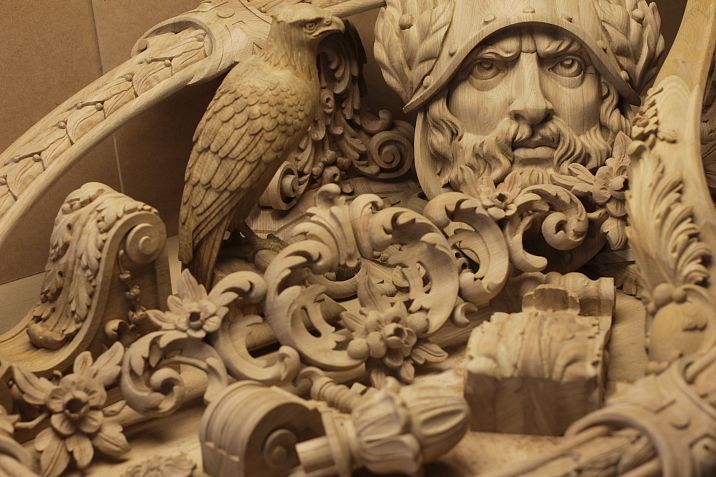
Have you ever wondered why touching natural wood evokes special sensations? Why, in an age of high technology and synthetic materials, do people increasingly seek to surround themselves with products made from living wood? The answer lies in the very nature of humans — we instinctively gravitate toward the natural, authentic, toward what carries the energy of living wood. When you decide to order from natural wood a unique item, you choose quality, durability, and unmatched beauty.
The modern world offers an endless variety of materials, but none can replace the nobility and warmth of natural wood. Each annual ring, each fiber curve tells a story — the story of a tree that grew for decades, absorbing sunlight and the strength of the earth. It is this living energy that is transferred to items crafted from solid wood.


Psychology of Choice: Why Natural Wood Captivates Hearts
What happens in our minds when we see a beautiful wooden item? Psychologists assert that natural materials activate deep archetypes associated with home, safety, and connection to nature. Wooden surfaces reduce stress levels and create a sense of harmony in space.
Choosing items made from solid wood, we subconsciously strive for:
- Authenticity — in a world of fakes and imitations, wood remains genuine
- Uniqueness — each item is unique, like a fingerprint
- Durability — quality wood serves for generations
- Ecological safety — natural material is safe for health
- Energy — wood creates a special atmosphere of warmth and coziness




Emotional Connection with the Material
Why are we willing to pay more for wooden furniture than for plastic? It's not only about practicality — wood creates an emotional connection. Touching the warm surface of solid wood evokes pleasant tactile sensations, and the natural aroma of wood affects mood and well-being.
Items made from natural wood have the ability to 'mature' alongside their owner — over time, the surface acquires a special patina that adds character and individuality to each item. It is a living material that responds to its environment and retains memories of touches.
Our factory also produces:


Technological Secrets: From Ancient Crafts to Modern Innovations
Working with wood is a synthesis of traditional craftsmanship and advanced technologies. Modern processing methods allow us to fully reveal the potential of each wood species while preserving all the advantages of natural material.
Get Consultation
Innovative Drying and Stabilization Methods
One of the main challenges when working with natural wood is moisture control. Modern vacuum drying chambers allow wood moisture to be reduced to optimal 6-8%, eliminating deformation and cracking of finished items.
The stabilization process includes:
- Slow drying at controlled temperature
- Impregnation with special compounds to strengthen structure
- Multi-stage treatment against pests
- Final geometric parameter calibration
Precision surface processing
Modern CNC equipment allows creating items with micron-level precision while preserving the natural beauty of wood. Laser engraving and milling open up limitless possibilities for personalizing each order.
Final finishing stages:
- Sanding — from rough to mirror polish
- Staining — highlighting the natural wood grain
- Protective coating — oils, waxes, and latest-generation varnishes
- Final polishing — achieving perfect smoothness
Wood Species: Characteristics and Possibilities of Each Tree
Choosing a wood species is not just a technical decision—it is choosing the character of the future product. Each tree possesses unique properties that determine its application area and the aesthetic qualities of the finished product.
Fine Hardwoods
Oak — the king among trees. Its dense structure, expressive texture, and exceptional strength make it ideal for creating furniture and decorative elements. Oak products can serve for centuries, acquiring a noble patina over time.
Oak Technical Characteristics:
- Density: 700-900 kg/m³
- Hardness by Brinell: 3.7-4.2
- Moisture Resistance: High
- Form Stability: Excellent
Walnut — embodiment of elegance. Chocolate tones and contrasting texture create a unique play of light and shadow on the surface. Walnut wood is easy to process and polishes beautifully to a mirror finish.
Ash — a combination of strength and flexibility. Light-colored wood with an expressive grain pattern is ideal for modern interiors. High elasticity makes ash indispensable for items subjected to dynamic loads.
Coniferous Species: Natural Beauty and Practicality
Spruce — accessible beauty. Resinous wood with a distinctive aroma and golden hue. Ease of processing and affordable price make spruce a popular choice for garden and outdoor furniture.
Larch — northern strength. High resin content provides natural protection against moisture and pests. Over time, larch becomes even stronger, making it ideal for outdoor structures.
Cedar — aristocrat among conifers. Pinkish hue, delicate aroma, and medicinal properties. Cedar products create a unique microclimate in rooms and positively affect health.
Exotic Species: Luxury and Exclusivity
Buying furniture made of exotic wood species is acquiring a true work of art. Redwood, wenge, and padauk — these names sound like music to connoisseurs of beauty.
Redwood (mahogany) — symbol of luxury and status. Rich reddish-brown hue and silky texture make each item a unique masterpiece.
Wenge — African exoticism. Dark chocolate color with black veins creates a dramatic contrast in interiors. Exceptional hardness and density ensure the longevity of products.
Individual approach: from idea to realization
When working on custom orders, each stage requires special attention to details. Custom-made wooden items are always a compromise between the client’s wishes, material properties, and production capabilities.
Design Stage: Turning Dreams into Drawings
Creating a unique item begins with a deep understanding of the client’s needs. An experienced designer does not merely draw beautiful pictures — they create a technical solution that will be functional, durable, and aesthetically perfect.
Key Design Aspects:
- Analysis of the product’s operating conditions
- Selection of the optimal wood species
- Calculation of structural strength
- Development of connection systems
- Planning of final finishing
3D Modeling: Virtual Reality of the Future Product
Modern 3D modeling programs allow the client to see the future product even before production begins. The virtual model helps assess proportions, identify potential issues, and make necessary adjustments during the design phase.
Advantages of 3D Visualization:
- Exact representation of the product's appearance
- Ability to experiment with finishes
- Accurate calculation of material quantities
- Optimization of technological processes
- Elimination of errors and misunderstandings
Applications: from interior to exterior
Solid wood tables are merely the tip of the iceberg of natural wood possibilities. Modern technologies allow creating virtually any item, from miniature decorative elements to large-scale architectural structures.
Furniture: functionality and beauty in every detail
Solid wood furniture has always been and remains the benchmark of quality and style. Each piece of solid wood furniture is an investment in the comfort and beauty of your home.
Solid wood bedroom furniture:
- Bed frames with handcrafted headboards
- Comodes and chests with inlays
- Cupboard wardrobes with carved fronts
- Bathroom vanities with mirrors
Living room zone:
- Walls and racks for electronics
- Coffee tables with mosaic
- Chairs and sofas with wooden frames
- Display cabinets for collections
Kitchen furniture:
- Sets made from moisture-resistant species
- Bar counters and islands
- Buffets and sideboards
- Wine cabinets with climate control
Decorative elements: details that create atmosphere
It is precisely in the details that true craftsmanship and taste are revealed. Wooden decorative elements can radically change the perception of space, adding individuality and charm.
Wall decor:
- Carved panels and pictures
- Shelves and niches with complex shapes
- Moldings and Cornices
- Mirror and Picture Frames
Ceiling structures:
- Beams and rafters in loft style
- Coffered Ceilings
- Decorative rosettes
- Chandeliers and lamps
Architectural elements: when wood becomes part of a building
The possibilities of using natural wood in architecture are practically limitless. From load-bearing structures to the smallest decorative details — wood allows creating unique architectural solutions.
Stairs and railings:
- Solid wood spiral staircases
- Handcrafted balusters and handrails
- Inlaid treads
- Landings and flights
Entrance groups:
- Doors from solid wood
- Portals and window casings
- Canopies and awnings
- Steps and ramps
Production technology: from sketch to finished product
Creating a quality product from natural wood is a complex multi-stage process requiring highly skilled craftsmen and modern equipment. Each stage is critically important to achieve a result that will delight the client for many years.
Material preparation: the foundation of quality
Working with natural wood begins long before the item is manufactured. Proper material preparation is the guarantee of the longevity and stability of the finished product.
Wood selection and sorting:
- Visual quality control of each board
- Moisture checking with electronic instruments
- Detection of hidden defects using ultrasound
- Geometric parameter calibration
The acclimatization process is especially important when working with lumber from different origins. The wood must adapt to the workshop conditions to prevent deformations during processing.
Mechanical Processing: Precision and Craftsmanship
Modern CNC machines allow achieving incredible processing accuracy, while preserving all the advantages of handwork in areas where human craftsmanship is irreplaceable.
Main operations of mechanical processing:
- End-cutting — obtaining precise dimensions of blanks
- Planing — creating perfectly flat surfaces
- Milling — forming profiles and decorative elements
- Drilling — preparing holes for fasteners
- Sanding — achieving the required surface finish
Assembly and gluing: where craftsmanship meets science
Joining parts made of natural wood is an art based on a deep understanding of wood properties. Properly executed joints must not only be strong but also account for the natural movement of the material.
Types of Joints in Woodworking:
- Dowel Joints — Classic of Woodworking Craftsmanship
- Laminated Joints — Modern Alternative to Dowels
- Adhesive Joints — For Creating Panel Constructions
- Mechanical Fastening — Hidden Fixation Systems
Modern wood adhesives provide stronger bonds than the wood itself, while remaining environmentally safe and reversible for restoration.
Finishing and Protection: Preserving Beauty for Decades
Final finishing is not merely a decorative operation — it is a protective system for wood against external influences and the optimal way to fully reveal the material's natural beauty.
Modern Coatings: Balance of Beauty and Protection
The choice of coating type depends on the item's purpose, usage conditions, and the client's aesthetic preferences. A modern-style wooden table may require a completely different finishing approach compared to traditional furniture.
Oil finishes:
- Highlight the natural wood grain
- Create pleasant tactile sensations
- Easily restorable when needed
- Ensure wood's 'breathability'
Wax Coatings:
- Provide a noble matte sheen to the surface
- Create a water-repellent effect
- Suitable for items with minimal load
- Require regular renewal
Lacquer Systems:
- Provide maximum surface protection
- Create various effects from matte to mirror-like
- Suitable for heavily used items
- Require professional application
Innovative finishing technologies
Modern technologies allow creating coatings with unique properties that were unavailable just a few years ago.
Nanoceramic Coatings:
- Create a super-hard protective film
- Possess self-cleaning properties
- Resistant to scratches and chemical exposure
- Preserve the natural appearance of wood
UV-curing lacquers:
- Instantly polymerize under ultraviolet light
- Form an environmentally friendly coating
- Provide high performance
- Create a perfectly smooth surface
Ergonomics and design: when function defines form
Creating truly high-quality wooden items requires not only mastery of technology but also a deep understanding of ergonomics and design principles. Beautiful wooden tables should not only be visually appealing but also comfortable to use.
Anthropometric data in design
When designing furniture and other items for humans, anthropometric data of various population groups must be considered. Properly designed furniture should suit the widest possible range of users.
Key parameters for furniture:
|
Type of item |
Height (cm) |
Depth (cm) |
Features |
|
Dining table |
72-76 |
60-80 |
Legroom no less than 60 cm |
|
Workbench |
70-75 |
60-70 |
Adjustable height |
|
Chair |
42-45 |
40-45 |
Backrest inclination angle 95-105° |
|
Armchair |
38-42 |
50-60 |
Armrests at table height |
Psychology of shape and color perception
The shape and color of an item exert a powerful influence on a person's psychological state. Properly chosen proportions and wood tones can radically alter the perception of space.
Influence of shape on perception:
- Round shapes create a sense of softness and coziness
- Rectangular shapes are associated with stability and order
- Triangular shapes add dynamism and energy
- Asymmetric shapes attract attention and create interest
Psychology of wood color:
- Light tones visually expand space
- Dark tones create a sense of solidity and luxury
- Warm colors promote relaxation and comfort
- Contrasting combinations add expressiveness
Ecological aspects: responsibility toward nature
In the era of ecological awareness, choosing natural materials becomes not only an aesthetic but also an ethical decision. When you decide to order from natural wood on a product, it is important to understand the ecological consequences of this choice.
Sustainable forestry: balance of consumption and regeneration
Responsible manufacturers work only with wood sourced from certified forests, where sustainable management is practiced. This means that for every tree cut down, several new ones are planted, and the forest ecosystem is preserved.
Certifications of ecological responsibility:
- FSC (Forest Stewardship Council) — international standard
- PEFC (Programme for Endorsement of Forest Certification) — European system
- SFI (Sustainable Forestry Initiative) — American standard
Carbon footprint: wood as a CO₂ absorber
Wood has a unique property — it absorbs carbon dioxide from the atmosphere and retains it within its structure. Even after being transformed into furniture or decorative elements, wood continues to store the absorbed carbon, contributing to the fight against climate change.
Ecological advantages of wooden products:
- Negative carbon footprint with proper forestry management
- Full biodegradability at the end of its life cycle
- No emission of harmful substances indoors
- Possibility of recycling and reuse
Local production: reduction of transportation footprint
Using local wood species and manufacturing products in the region of consumption significantly reduces the product's ecological footprint. Materials made from natural Russian-origin wood not only support the domestic economy but also minimize environmental impact.
Economic Aspects: Investment in Quality
Solution to order from natural wood A product requires certain financial investments, but it is an investment that pays off multiple times due to the longevity, beauty, and functionality of the result.
Pricing: Factors Influencing Cost
The cost of wooden products is formed by multiple factors, each of which affects the quality and characteristics of the finished product.
Main pricing factors:
- Wood species — from affordable pine to exclusive wenge
- Processing complexity — number of operations and their technological sophistication
- Product dimensions — material consumption and labor costs
- Finish type — from simple oil to multi-layer lacquer systems
- Individual features — carving, inlay, complex geometry
- Production timelines — urgent orders demand a premium
Comparison with alternative materials
When comparing the cost of wooden products with alternative materials, it is important to consider not only initial costs but also the total cost of ownership over the entire life cycle.
Wooden furniture vs. alternatives:
|
Criterion |
Solid wood |
Laminated board/MDF |
Plastic |
Metal |
|
Initial cost |
High |
Low |
Very low |
Medium |
|
Service Life |
50+ years |
5–10 years |
3-5 years |
20-30 years |
|
Restoration possibility |
Yes |
Limited |
No |
Yes |
|
Ecological |
Excellent |
Medium |
Low |
Medium |
|
Aesthetic qualities |
Unique |
Standard |
Limited |
Specific |
Return on investment: long-term perspective
Quality wooden items not only retain their value, but often increase it over time. Antique solid wood furniture is an object of collection and investment.
Factors of value growth:
- Uniqueness of design and execution
- Historical value (age of the item)
- Rarity of the wood species used
- Craftsmanship
- Preservation and care of the item
Trends and innovations: Looking to the future
The world of woodworking is constantly evolving, introducing new technologies and approaches to creating wooden items. Future solid wood tables will combine traditional craftsmanship with advanced technologies.
Digital technologies in woodworking
The introduction of digital technologies revolutionizes the process of creating wooden items, making possible what was once considered science fiction.
Key technological trends:
- Parametric design — creating items with adjustable parameters
- Additive technologies — 3D printing with wooden materials
- Robotized processing — automation of complex operations
- Artificial intelligence — optimization of cutting and minimization of waste
- Virtual reality — immersion in the project before its realization
Hybrid materials and composites
The future of woodworking lies in creating hybrid materials that combine the advantages of natural wood with the properties of modern technological materials.
Promising directions:
- Wood-polymer composites — increased moisture resistance
- Reinforced wood — increased strength characteristics
- Smart coatings — self-repairing surfaces
- Biomaterials — growing wood in laboratory conditions
Personalization and Customization
Modern consumers increasingly seek uniqueness and personalization. Future technologies will enable the creation of items perfectly tailored to the individual needs of each customer.
Personalization options:
- Biometric adaptation — furniture adjusting to body parameters
- Emotional tuning — changing characteristics based on mood
- Functional modularity — ability to change configuration
- Interactivity — built-in sensors and control systems
Care and maintenance: preserving beauty for generations
Proper care for wooden items made of natural wood is the key to their longevity and preservation of their original beauty. Wooden items require attentive, but not complicated, care.
Daily Care: Simple Rules
The foundation of the longevity of wooden items is regular, yet gentle care. Proper daily procedures help preserve the beauty of wood for decades.
Basic care rules:
- Water resistance — immediate removal of spilled liquids
- Temperature control — avoiding fluctuations and extreme values
- Sun protection — preventing fading and drying out
- Regular cleaning — removing dust with soft cloths
- Use of stands — protection from hot objects
Seasonal maintenance: professional approach
Seasonal changes affect air humidity, which may cause natural movement of wood. Seasonal maintenance helps minimize these effects.
Spring-summer period:
- Humidify indoor air
- Check the condition of joints
- Updating protective coatings
- Deep cleaning of hard-to-reach areas
Autumn-winter period:
- Control humidity when heating is turned on
- Additional protection against drying out
- Check for cracks appearing
- Preventive treatment with oils
Restoration and renewal: returning to youth
One of the main advantages of wooden items is the possibility of their complete restoration and renewal. What means the end of service for other materials, for wood — is merely an opportunity for renewal.
Stages of restoration:
- Diagnosis — assessment of condition and determination of scope of work
- Disassembly — if necessary, removal of movable elements
- Cleaning — removal of old coatings and contaminants
- Repair — elimination of defects, replacement of damaged elements
- Sanding — preparation of surface for new coating
- Finishing — application of protective and decorative coatings
- Assembly — restoration of structure and adjustment of mechanisms
Cultural heritage: wood in the history of humanity
Wood has accompanied humanity throughout its entire history. From the first tools of labor to modern works of art — wood remains one of the most important and beloved materials.
Traditional crafts: the legacy of masters
Woodworking art is passed down from generation to generation, preserving traditional techniques and secrets of craftsmanship. Modern masters carefully preserve this heritage, adapting ancient techniques to contemporary requirements.
Traditional woodworking techniques:
- Carving — from simple geometric patterns to complex sculptural compositions
- Inlay — the art of creating images from pieces of different wood species
- Marquetry — decorating surfaces with thin plates of valuable wood species
- Turning — creating turned items on a lathe
- Carpentry — making barrels and other containers
Regional characteristics: diversity of traditions
Each region of the world has developed its own unique woodworking traditions, reflecting local cultural, climatic, and available wood species characteristics.
Regional schools of woodworking:
- Scandinavian — simplicity of forms, light-colored woods, functionality
- Japanese — minimalism, precision of joints, philosophy of material
- Russian — rich carving, use of birch and pine, folk motifs
- Italian — luxurious finishes, inlays, artistic value
Future of the industry: challenges and opportunities
The woodworking industry stands at the threshold of radical changes. New technologies, shifting consumer preferences, and environmental requirements are shaping a new industry paradigm.
Sustainable development: balancing needs and opportunities
The future of woodworking is inextricably linked to the principles of sustainable development. The industry must find a balance between meeting growing demands and preserving forest resources for future generations.
Sustainable development strategies:
- Forest certification — ensuring legal and sustainable origin of raw materials
- Zero-waste production — maximum utilization of every cubic meter of wood
- Alternative raw materials — use of fast-growing species and waste
- Localization of production — reducing transportation costs and supporting local economies
Accelerating pace of technological changes requires continuous investment in equipment upgrades and staff training. Enterprises unable to keep up with progress risk losing competitiveness.
Implementing new technologies requires significant investments in equipment and staff training. However, those who succeed in adapting to these changes will gain significant competitive advantages.
Key technological directions:
- Production automation — robots and AI in woodworking
- Process digitization — from design to quality control
- New materials — composites and hybrid solutions
- Customization — mass production of unique items
Ordering wooden items: step-by-step guide
The process of ordering a unique wooden item requires careful preparation and interaction with the manufacturer. Proper organization of this process is the key to obtaining a result that fully meets your expectations.
Planning stage: from idea to technical specification
A successful project begins with a clear understanding of goals and requirements. Before contacting the manufacturer, it is important to define your needs and expectations.
Self-assessment questions:
- What function should the item perform?
- Under what conditions will it be used?
- What is the estimated project budget?
- What are the size and weight constraints?
- What are your aesthetic preferences?
Choosing a contractor: evaluation criteria
Selecting an executor is a critically important decision that will determine the quality of the result and your satisfaction with the collaboration process.
Key selection criteria:
- Portfolio of work — quality and variety of completed projects
- Technical equipment — modern equipment and technologies
- Staff qualifications — experience and expertise of craftsmen
- Certification — compliance with quality standards
- Reputation — customer reviews and recommendations
- Warranty obligations — responsibility for the result
Implementation process: from contract to delivery
A well-organized production process includes clear stages with checkpoints and the possibility of adjustments at each stage.
Main implementation stages:
- Technical specification — detailed description of requirements
- Conceptual design — initial solution variants
- Project approval — finalization of technical parameters
- Contract signing — legal formalization of relations
- Production — manufacturing with intermediate control
- Acceptance — verification against technical specifications
- Delivery and installation — installation at the place of use
When you decide to order from natural wood Exclusive item — you choose quality, individuality, and longevity. This is an investment not only in a functional object, but also in emotions, comfort, and aesthetic pleasure for many years.
Natural wood possesses an amazing ability to create a unique atmosphere in any space. It brings warmth and coziness, connects us with nature, and reminds us of enduring values of quality and craftsmanship. In a world of mass production and synthetic materials, wooden solid pieces become islands of authenticity and individuality.
STAVROS Company embodies the finest woodworking traditions, combining centuries-old craftsmanship with modern technologies. Each item is created with love for the material and respect for the client, becoming not just interior decor, but part of the family’s life. STAVROS — the choice of those who value quality, understand the beauty of natural wood, and are ready to invest in long-lasting solutions that will delight not just one generation.