Article Contents:
- Historical perspective: evolution of door casing
- From functionality to art
- Renaissance and Baroque: Peak of Ornamentation
- Classicism and Historicism: Returning to Origins
- Modernism and Contemporary Design: New Forms and Materials
- Anatomy of door casing: key elements and their functions
- Casing moldings: the foundation of framing
- Moldings: accents and transitions
- Cornices and sash moldings: top finish
- Pilasters and Columns: Vertical Accents
- Rosettes and brackets: decorative accents
- Materials for door casing: traditions and innovations
- Wood: Classic, Time-Tested
- MDF and particleboard: modern alternatives
- Polyurethane and polystyrene: lightness and flexibility
- Metal: strength and modernity
- Stone and ceramic: luxury and durability
- Stylistic directions in door casing
- Classic Style: Timeless Elegance
- Baroque and Rococo: luxury and theatricality
- Modern and Art Deco: elegance and originality
- Minimalism and Modern Trends
- Manufacturing and installation technologies for door casing
- Traditional carpentry methods
- Modern manufacturing technologies
- Installation and mounting: key aspects
- Restoration and updating of door casing
- Assessment of Condition and Work Planning
- Techniques for restoring wooden elements
- Updating finishes and protective coatings
- Prevention and regular maintenance
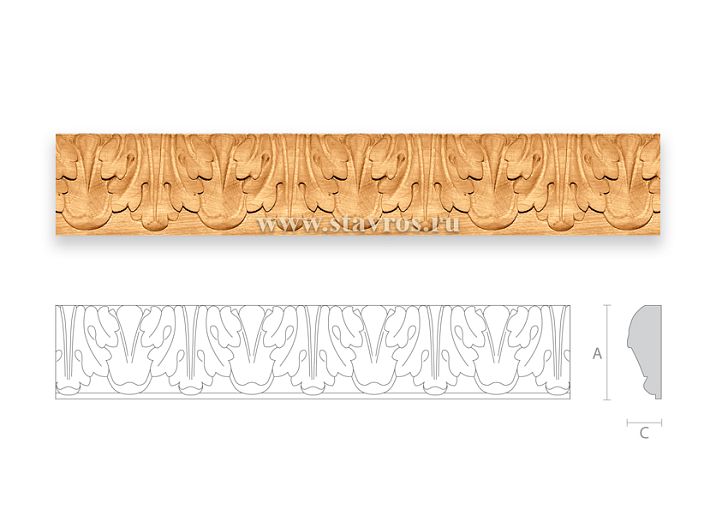
In the world of architectural design, there are elements that, despite their apparent secondary importance, play a key role in forming the overall look of the interior. One such element is door frame trimwhich not only completes the composition of the door opening but also becomes an important accent, highlighting the style and character of the room.
door frame trim This is a complex of decorative and functional elements surrounding the door opening and creating a transition between the door and the wall. It includes casing moldings, moldings, cornices, pilasters, and other architectural details that together form a unified composition harmoniously integrated into the interior.
In this article, we will delve into the fascinating world of door casings, examining their historical development, variety of styles and materials, technological aspects of manufacturing and installation, as well as modern trends in this field. Whether you are a professional designer, architect, or simply appreciate beauty and harmony in your home, this information will help you better understand the significance and potential doorway framing in creating a unique and expressive interior.
Historical perspective: evolution of door casing




From functionality to art
History doorway framing counts thousands of years and is closely linked to the development of architecture and construction technologies. In ancient civilizations – Egypt, Mesopotamia, Greece – door openings were already adorned with carved elements that not only served a decorative function but also had a sacred significance, protecting the dwelling from evil spirits.
In ancient Rome, door casings became an important architectural element reflecting the social status of the house owner. The Romans developed an order system that determined the proportions and decorative elements of casings depending on the importance of the building. It was precisely during this period that elements such as architraves, friezes, and cornices emerged, which are still used in classical door frame.
The Middle Ages brought a new understanding of door framing. In the Romanesque and Gothic periods, doors of cathedrals and castles were framed by complex stone portals featuring religious scenes and symbolism. These portals not only adorned the entrance but also served as a kind of 'Bible for the illiterate,' telling biblical stories through sculptural compositions.
Our factory also produces:



Renaissance and Baroque: Peak of Ornamentation
The Renaissance era was marked by a return to classical forms and proportions. door frame trim This period is characterized by harmony, symmetry, and the use of classical motifs. Renaissance architects, such as Palladio and Brunelleschi, developed canons of proportion for doorways, which became models for imitation for centuries to come.
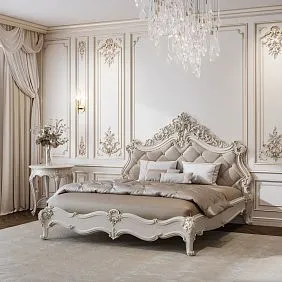
Baroque introduced door frame trim dynamism and theatricality. Framings of this period are distinguished by opulence, abundance of decorative elements, complex curved forms. Often used were broken pediments, volutes, cartouches, sculptural elements. The door portal became a true work of art, attracting attention and evoking admiration.
Rococo further intensified decoration, adding asymmetry and elegance. door frames This style's features resemble exquisite jewelry with an abundance of floral motifs, shells, and scrolls. They created an atmosphere of lightness, playfulness, and luxury, characteristic of 18th-century aristocratic salons.
Get Consultation
Classicism and Historicism: Return to Origins
Neoclassicism returned door framing the strictness and restraint of classical models. During this period, elements such as triangular and semi-circular pediments, pilasters with capitals, cornices with modillions were widely used. Proportions and decoration were subject to strict rules based on classical canons.
the 19th century, with its eclecticism and historicism, brought diversity of styles to door frame trim. Architects and designers freely drew inspiration from various historical periods, creating neo-Gothic, neo-Renaissance, and neo-Baroque frames. This was a period of experimentation and exploration, significantly enriching the repertoire of forms and decorative elements.
Modernism and Contemporary Design: New Forms and Materials
Modern (Art Nouveau) at the turn of the 19th and 20th centuries brought revolutionary changes to design doorway framing. Rejecting historical styles, Modern architects created frames with flowing, organic lines inspired by nature. Floral motifs, stylized flowers, insects, and female figures were widely used.
the 20th century, with its modernism and functionalism, temporarily pushed decorative door frame trim to the background. Architects of this period sought simplicity, purity of lines, and rejection of 'extravagance'. However, by the second half of the century, a revival of interest in historical styles and decorative elements began.
Today door frame trim experiencing a new flourishing. Contemporary designers freely combine elements of various styles, experiment with materials and technologies, creating unique, individual solutions. Interest in handcraftsmanship, traditional techniques, and natural materials is revived, allowing to create door frames with character and soul.
Door Frame Anatomy: Key Elements and Their Functions
Door Stops: The Foundation of the Frame
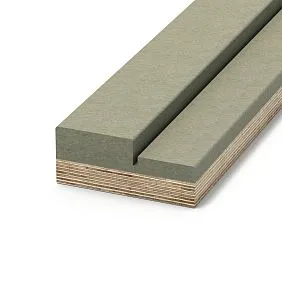
Door stops are a basic element doorway framing, serving both functional and decorative roles. Their primary purpose is to conceal the gap between the door frame and the wall, protecting the wall from damage during door operation. However, over time, door stops evolved into an important decorative element, reflecting the interior style.
There are several main types of door stops:
Straight door stops – the simplest and most universal option, consisting of rectangular strips that may have varying widths and profiles. They suit most modern interiors where minimalism and functionality are valued.
Decorative door stops – have complex shapes with various decorative elements: carving, bevels, rounded edges. Such door stops are often used in classical and historical interiors, where decoration and attention to detail are important.
Telescopic door stops – consist of two parts that can be adjusted in width, allowing them to adapt to different wall thicknesses. This is a practical solution for modern interiors with non-standard parameters.
Moldings: Accents and Transitions
Moldings are decorative profiled strips used to create accents, divide surfaces, and soften transitions between different elements doorway framing. They can have various profiles, from simple semi-circular to complex multi-step.
В door frame Moldings are often used for:
Creating frames – moldings can form decorative frames around the door opening, emphasizing it and adding additional depth.
Decorating corners – special corner moldings allow creating neat, aesthetically pleasing connections at the corners of the frame.
Decorative accents – moldings with carved or relief patterns can serve as striking decorative elements, drawing attention and emphasizing the interior style.
Crown moldings and friezes: top finish
Crown moldings and friezes are elements that complete the upper part doorway framingThey not only serve a decorative function but also visually "close" the composition, making it cohesive and complete.
Crown moldings – horizontal profiled elements that can have varying degrees of projection and profile complexity. In classical interiors, crown moldings often have multi-tiered profiles with various decorative elements: dentils, modillions, coffers.
Friezes – decorative crowning elements above a door, which may have the shape of a triangular, semi-circular, or arched pediment. Friezes are often adorned with carving, stucco, coats of arms, or other decorative elements reflecting the owner's taste and status.
Pilasters and columns: vertical accents
Pilasters and columns – vertical elements doorway framingwhich flank a door opening on both sides, creating a sense of monumentality and significance.
Pilasters – flat vertical protrusions imitating columns. They may have a base, shaft, and capital, like real columns, but unlike them, they are not freestanding elements but are attached to walls. Pilasters are often adorned with fluting, carving, or other decorative elements.
Columns – freestanding vertical supports that can be executed in various orders: Doric, Ionic, Corinthian. In door frame columns are used in especially grand, ceremonial interiors, emphasizing the status and significance of the room.
Rosettes and brackets: decorative accents
Rosettes and brackets – additional decorative elements that enrich the composition doorway framingadding volume, depth, and expressiveness.
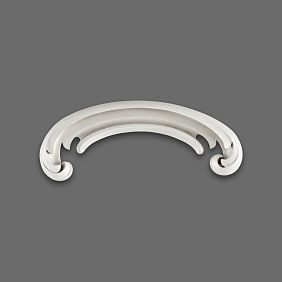
Rosettes – round or oval decorative elements with relief patterns, often placed in the corners of a door frame or in the center of a frieze. They may have various motifs: botanical, geometric, anthropomorphic.
Brackets – decorative consoles that visually support a crown molding or frieze. They may have the shape of volutes, acanthus leaves, mascarons, or other decorative elements characteristic of a particular style.
Materials for door framing: traditions and innovations
Wood: classic, time-tested
Wood is a traditional and most commonly used material for manufacturing doorway framing. It has several undeniable advantages: eco-friendliness, aesthetic appeal, good workability, durability with proper care.
For manufacturing wooden frames, various types of wood are used, each with its own characteristics and applications:
Oak – a hard, durable wood with a distinctive texture. Oak frames are known for their longevity, resistance to mechanical damage and moisture. Over time, oak develops a noble patina, making it an ideal choice for classical and historical interiors.
Beech – a hard wood with a uniform structure and light pinkish hue. Beech frames are easy to work with, can be painted in various colors or stained to mimic more expensive woods. They are characterized by strength and resistance to abrasion.
Ash – a hard wood with a beautiful, distinct texture. Ash frames have high strength, elasticity, and resistance to impacts. They can be light or dark depending on the finish.
Pine – a soft coniferous wood with a distinctive ring pattern. Pine frames are lightweight, affordable, and easy to work with. They are often used in interiors in country, Provence, and Scandinavian styles.
Exotic woods (redwood, wenge, rosewood) – used to create exclusive, luxurious frames. They are distinguished by unusual texture, color, high strength, and durability, but have a high cost.
MDF and particleboard: modern alternatives
MDF (medium-density fiberboard) and particleboard are popular modern materials for manufacturing doorway framing. They are composite materials consisting of wood fibers or chips bound with synthetic resins.
Stability of dimensions – unlike natural wood, these materials are less prone to deformation when humidity and temperature change.
Economy – the cost of MDF and particleboard is significantly lower than that of solid wood, especially premium species.
Variety of finishes – MDF and particleboard frames can be veneered, laminated, or painted, allowing them to imitate various materials and textures.
Ecological safety – modern MDF and particleboard are produced using environmentally friendly binders, making them safe for health.
Ecological safety – modern MDF and particleboard are produced using environmentally friendly binders, making them safe for health.
MDF is especially popular for manufacturing doorway framing due to its homogeneous structure, which allows creating complex profiles and relief. It is well-suited for milling, sanding, and painting, making it ideal for reproducing classical and historical styles.
Polyurethane and polystyrene: lightness and plasticity
Polyurethane and polystyrene – synthetic materials that have gained widespread use in production doorway framingThey are lightweight, plastic materials that can imitate various textures and finishes: wood, stone, plaster.
Advantages of polyurethane and polystyrene:
Lightness – frames made from these materials have a small weight, simplifying their transportation and installation.
Moisture resistance – they are not susceptible to rot, mold, and do not absorb moisture, making them ideal for rooms with high humidity.
Ease of installation – polyurethane and polystyrene frames are easy to cut, glue, and attach to various surfaces.
Detailing – modern technologies allow creating frames from these materials with high detail, reproducing complex historical ornaments and patterns.
Polyurethane is stronger and more elastic than polystyrene, making it the preferred material for elements doorway framing with complex shapes and relief. It is also more resistant to mechanical damage and temperature fluctuations.
Metal: Strength and Modernity
Metal – a material increasingly used in modern door frameespecially in loft, high-tech, and industrial style interiors. The most common metals for frames are aluminum, steel, brass, and bronze.
Advantages of metal:
Strength and durability – metal frames are resistant to mechanical damage, do not rot, and do not deform.
Fire resistance – an important property for public buildings where strict fire safety regulations must be met.
Variety of finishes – metal can be painted, chrome-plated, nickel-plated, or patinated, allowing various effects and stylistic solutions.
Modern appearance – metal frames give interiors a modern, technological look, especially valued in certain styles.
Aluminum is especially popular due to its lightness, corrosion resistance, and ability to anodize in various colors. Steel frames are characterized by high strength and can have various finishes: from chrome plating to powder coating. Brass and bronze are used to create frames in classical and vintage styles; they can be polished or patinated to achieve an aged effect.
Stone and ceramic: luxury and durability
Stone and ceramic – materials used to create luxurious, prestigious door frames in elite interiors. They are characterized by high strength, durability, and aesthetic appeal.
Most common types of stone for framing:
Marble is a noble stone with a distinctive vein pattern. Marble frames look luxurious and elegant, highlighting the status of the room. They can be polished to a mirror finish or matte.
Granite is a very strong stone with a granular structure. Granite frames are distinguished by high resistance to abrasion, mechanical damage, and temperature fluctuations. They are often used in public buildings where durability and prestige are required.
Limestone and sandstone are softer, warmer to the touch stones. Frames made from these materials have a natural, organic appearance and harmonize well with wooden and brick surfaces. They are often used in interiors in Mediterranean and rustic styles.
Ceramic frames can imitate various materials: stone, wood, metal. They are characterized by water resistance, resistance to stains, variety of colors and textures. Modern technologies allow creating ceramic frames with a high degree of detail and realism.
Stylistic directions in door framing
Classic style: timeless elegance
Classic style in door frame Characterized by harmonious proportions, symmetry, and use of traditional architectural elements. It is based on the principles of classical architecture and Renaissance art, which have been reinterpreted and adapted to modern realities.
Main features of classicism doorway framing:
Proportionality and symmetry – all elements of the frame are arranged symmetrically relative to the central axis, their sizes and proportions adhere to certain rules and canons.
Use of the order system – pilasters or columns flanking the door opening are often executed in one of the classical orders: Doric, Ionic, Corinthian.
Decorative elements – cornices, friezes, rosettes, brackets, executed using traditional motifs: acanthus leaves, ovals, dentils, meanders.
Natural materials – wood of valuable species, marble, bronze, gilding, which emphasize the status and prestige of the room.
Classical door frame trim may vary from restrained, minimalist to lavish, richly decorated, depending on the specific historical period or regional tradition it is oriented toward.
Baroque and Rococo: luxury and theatricality
Styles of Baroque and Rococo in door frame are characterized by opulence, dynamism, and abundance of decorative elements. They create a sense of luxury, theatricality, and emotional richness.
Main features of Baroque doorway framing:
Dynamic, curved forms – curved cornices, volutes, broken pediments, which create a sense of movement and tension.
Abundance of decoration – ornate carving, stucco, gilding, which cover almost all surfaces of the frame.
Contrasts of light and shadow – deep relief, protruding and recessed elements, which create dramatic chiaroscuro effects.
Sculptural elements – figures of angels, putti, mascarons, which animate the composition and add emotional depth.
Rococo, as a continuation and development of Baroque, introduces into door frame trim greater refinement, lightness, and asymmetry. Decoration becomes finer, more detailed, often using motifs of rocaille (stylized shell), floral garlands, amorini.
Modern and Art Deco: refinement and originality
Styles of Modern (Art Nouveau) and Art Deco in door frame represent vibrant, original directions that rejected direct citation of historical styles and created their own artistic language.
Main features doorway framing in the Modern style:
Smooth, flowing lines – "whip stroke", wavy contours, which create a sense of movement and organic fluidity.
Plant motifs – stylized flowers, leaves, stems, which often intertwine to form complex compositions.
Asymmetry and dynamism – abandonment of strict symmetry in favor of free, dynamic composition.
New materials and technologies – use of wrought metal, colored glass, ceramics, which allow creating unusual textures and effects.
Art Deco, which succeeded modernism, introduced door frame trim more geometric, structured forms. It is characterized by:
Geometric patterns – zigzags, chevrons, stepped forms, which create rhythmic, dynamic compositions.
Contrasting colors and materials – combination of black and white, use of exotic wood, metal, glass, which create striking, memorable images.
Exotic motifs – influence of African, Egyptian, and Eastern art, manifested in unusual ornaments and decorative elements.
Luxury and glamour – use of expensive, prestigious materials that highlight the owner’s status and taste.
Minimalism and modern trends
Modern styles in door frame are characterized by a striving for simplicity, functionality, purity of lines. They reflect modern lifestyle, technological possibilities, and ecological trends.
Main features of minimalist doorway framing:
Lack of ornamentation – rejection of excessive decoration in favor of clean, geometric lines.
Functionality – each element of the frame has a practical purpose, there are no purely decorative details.
Quality of materials – emphasis on natural texture and material finish, which become the main decorative element.
Hidden technologies – use of concealed fasteners, built-in systems, which ensure design purity and integrity.
Among modern trends in door frame can be distinguished:
Eco-style – use of natural, ecologically clean materials, minimal processing, preservation of natural texture and color.
Industrial style – open communication, rough textures, metallic elements, which create a sense of 'honesty' and authenticity.
Scandinavian style – light tones, natural wood, simple forms, which create a sense of light, space, and coziness.
Futurism – use of innovative materials, unusual forms, integration of technology, which create a sense of the future.
Manufacturing and installation technologies for door frames
Traditional Joinery Methods
Traditional carpentry methods of manufacturing doorway framing are based on manual work by craftsmen using classical tools and techniques. These methods require high skill, patience, attention to detail, but allow creating unique, individual pieces with character and soul.
Main stages of traditional manufacturing doorway framing:
Material selection and preparation – selection of high-quality wood without defects, drying, acclimatization to room conditions.
Marking and cutting – precise measurement of the door opening, calculation of frame element sizes, cutting material with allowances for processing.
Profiling – creating profiles for door casings, moldings, cornices using hand planes, routers, chisels. This stage requires special skill and precision.
Carving and decoration – creating decorative elements: rose brackets, brackets, capitals using wood carving, turning, inlay.
Sanding and finishing – careful sanding of all surfaces, application of protective and decorative coatings: varnishes, paints, gold leaf, patina.
Traditional joinery techniques, such as mortise and tenon, "birdsmouth", diagonal joint, provide strength and durability doorway framing without using metal fasteners. These joints are not only functional but also aesthetically pleasing, demonstrating the high skill of the craftsman.
Modern manufacturing technologies
Modern manufacturing technologies doorway framing allow significantly speeding up and reducing the cost of the process while maintaining high quality and precision of manufacturing. They make complex design solutions accessible to a wide range of consumers.
Main modern technologies:
CNC machining (Computer Numerical Control) – using computerized machines that accurately reproduce the specified design. This technology allows creating complex profiles, carved elements, repeating patterns with minimal deviations.
Laser cutting and engraving – using a laser beam to create precise cuts and decorative elements. This technology is especially effective for working with thin materials, creating delicate patterns, inlays.
3D milling – creating three-dimensional, relief elements using special milling machines. This technology allows reproducing complex historical ornaments, bas-reliefs, sculptural details.
Casting and molding – using molds to create decorative elements from polyurethane, polystyrene, plaster. This technology allows quickly and economically producing complex decorative parts, which can then be painted or covered with various finishing materials.
Modern technologies also include innovative finishing methods: UV-curable lacquers, powder coating, hydrographic printing, which allow creating various effects and textures not achievable with traditional methods.
Installation and mounting: key aspects
– an important stage that affects not only the appearance but also the durability of the structure: doorway framing – an important stage that ensures its durability, aesthetic appearance, and functionality. Regardless of the chosen style and material, there are common principles and recommendations to consider during installation.
Main installation stages:
Surface preparation – walls around the door frame must be flat, dry, and clean. If necessary, leveling, priming, and antiseptic treatment are performed.
Precise measurements – careful measurement of the door frame, calculation of the sizes of framing elements with allowance for gaps, angles, and room characteristics.
Marking – drawing lines on the wall along which framing elements will be installed. It is important to ensure verticality, horizontality, and symmetry.
Mounting – depending on the framing material and type of wall, various mounting methods may be used: nails, screws, anchors, adhesive, mounting foam. It is important to choose the optimal method that ensures secure fixation without visible fasteners.
Final finishing – sealing joints, seams, mounting points, final painting or varnishing, which give the frame a finished look.
Special attention should be paid to corner joints of framing elements. To achieve a neat, aesthetic result, various techniques are used: 45-degree angled joints, use of corner elements, special connecting blocks.
When installing complex, multi-element frames, it is important to follow the correct installation sequence: first, base elements (plinth), then decorative elements (moldings, rosettes, brackets), and finally, finishing elements (cornices, sash brackets).
Restoration and updating of door frames
– a complex set of activities aimed at restoring its historical appearance, eliminating damage, and extending its service life. This process requires a careful approach, knowledge of historical styles, and mastery of various techniques and materials.
Restoration is a complex process requiring specialized knowledge and skills, especially when dealing with historical objects. doorway framing This is a complex of measures aimed at restoring its historical appearance, eliminating damage, and extending its service life. This process requires a careful approach, knowledge of historical styles, and mastery of various techniques and materials.
The first step in restoration is assessing the condition of the frame and planning the work:
Visual inspection – identifying visible damage: cracks, chips, delamination, deformations, signs of moisture, mold, wood-boring insects.
Material analysis – determining the type of wood, composition of finishing materials, presence of later layers and modifications.
Historical research – studying the style, era, regional characteristics of the frame, searching for analogs and prototypes.
Photographic documentation – detailed photography of the frame before work begins, which will help restore it in case of unforeseen situations.
Creating a work plan – determining the sequence and methods of restoration, required materials and tools, deadlines.
An important aspect of planning is determining the degree of intervention: minimal (conservation), moderate (restoration), or significant (reconstruction). The choice depends on the condition of the frame, its historical value, and the desired result.
Techniques for restoring wooden elements
Restoring wooden elements doorway framing Requires knowledge of traditional carpentry techniques, understanding of wood properties, patience, and care. Depending on the nature and extent of damage, various methods may be applied.
Main restoration techniques:
Prosthetics – replacing damaged sections with new fragments made of similar wood. It is important to select material as close as possible in species, age, and texture to the original.
Gluing – joining split or broken parts using special wood adhesives. For reinforcement, dowels, nails, or wedges may be used.
Filling – filling small cracks, chips, or holes from insects using special wood putties or a mixture of glue and sawdust.
Restoring carving – recreating lost carved elements using traditional woodworking tools: chisels, gouges, knives.
Wood reinforcement – treating weakened, insect-damaged wood with special compounds that restore its strength and protect against further deterioration.
When restoring, it is important to preserve as much of the original material as possible, even if this requires more complex and labor-intensive methods. New elements should be made using the same technique and material as the original, but they must remain distinguishable upon close inspection.
Updating finishes and protective coatings
Updating finishes doorway framing – an important stage of restoration that not only restores its aesthetic appearance but also provides protection against external influences. This process requires knowledge of historical finishing techniques, understanding of properties of various materials, and attention to detail.
Main stages of finish updating:
Surface cleaning – removing old lacquer coatings, dirt, and dust. Depending on the type of finish and its condition, various methods may be used: mechanical (sandpapering, planing), chemical (strippers, solvents), thermal (construction hair dryer).
Restoring texture – revealing and emphasizing the natural wood grain using stains, toning agents, or waxes.
Applying protective coatings – coating the surface with varnishes, oils, or waxes that protect the wood from moisture, ultraviolet light, and mechanical damage.
Decorative finishing – recreating historical finishing techniques: gilding, silvering, patination, polychrome painting, imitation of valuable wood species.
When selecting materials for finishing, it is important to consider the historical context, frame style, and usage conditions. Modern materials may be used if they provide better protection and longevity, but without distorting the historical appearance of the frame.
Prevention and regular maintenance
Proper care of door frames – a guarantee of its longevity and preservation of its aesthetic appearance. Regular preventive measures allow preventing serious damage and the need for complex restoration.
Main maintenance recommendations:
Regular cleaning – removing dust and dirt using soft cloth or soft-bristled brush. For wooden frames, it is recommended to use special wood care products that not only clean but also nourish the wood.
Humidity control – maintaining optimal humidity levels in the room (40–60%), which prevents wood elements from drying out, cracking, or warping.
Sun protection – preventing prolonged exposure of the frame to direct sunlight, which may cause fading, drying out, or cracking.
Periodic renewal of protective coatings – depending on the type of coating and usage intensity, it is recommended to renew protective varnishes, oils, and waxes periodically (every 3–5 years).
Preventive treatment against pests – for wooden frames, it is recommended to periodically treat with special compounds that prevent damage from wood-boring insects and mold.