Article Contents:
- Natural Architecture of Strength
- Biological Impregnability
- Variety of Applications and Architectural Possibilities
- Structural Superiority
- Decorative Solutions and Design Concepts
- Technical Specifications and Dimensional Possibilities
- Quality Classification and Grade
- Economic Philosophy of Quality Investments
- Cost Calculation for the Future
- Impact on property value
- Production Technologies and Modern Processing
- Process of log preparation and raw material preparation
- Modern Methods of Final Finishing
- Selection Criteria and Professional Assessment
- Visual quality diagnostics
- Technical Requirements and Standards
- Comparative Analysis with Competitive Materials
- Oak Among Hardwood Species
- Advantages over coniferous species
- Installation Features and Long-Term Operation
- Preparation Period and Acclimatization
- Operational Characteristics
- Ecological advantages and principles of sustainable development
- Natural Ecological Safety
- Secondary Use and Recycling
- Innovative technologies and prospects for development
- Modern Methods of Performance Enhancement
- Glued Structures and Composite Solutions
- Regional Characteristics and Market Trends
- Russian Market and Local Characteristics
- Competition Among Wooden Materials
- Practical Recommendations for Consumers
- Choosing a Reliable Supplier
- Procurement Planning and Logistics
There are materials that outlive epochs, and there are those that create them. Oak Beam It belongs to the second category — it is not just timber, it is a philosophy of construction, where every fiber is imbued with the strength of centuries, and every millimeter carries the guarantee of longevity. In a world of synthetics and quick fixes, oak remains an unshakable symbol of quality that does not recognize compromises.

Natural Architecture of Strength
When nature created oak, it seemed to foresee humanity's need for an ideal building material. The density of oak wood reaches 700 kilograms per cubic meter — this is not just a number, it is concentrated strength contained in every centimeter of material. The elasticity modulus of 12.3 GPa makes oak the absolute leader among available wood species, transforming a beam into an engineering solution of the highest class.
A remarkable feature of oak wood is its ability to become stronger over time. Its static bending strength reaches 87 MPa, and compression strength along the grain is 56 MPa. These parameters are comparable to some composite materials, but oak offers more — it gives the structure soul.




Biological impregnation resistance
Oak wood contains natural tannins — substances that serve as an insurmountable barrier against fungi, mold, and insect pests. This means that oak structures do not require aggressive chemical treatment, remaining absolutely eco-friendly.
History knows many examples of the phenomenal longevity of oak structures. The piles of Venice, on which the city rests, have served for more than a thousand years. Oak beams of medieval cathedrals continue to bear loads for centuries, becoming even stronger under the influence of time.
Our factory also produces:

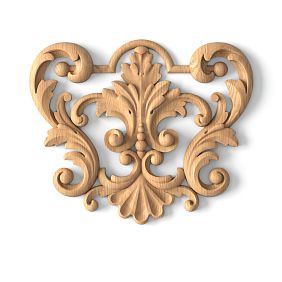
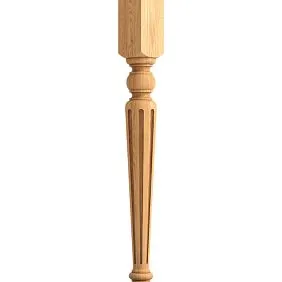


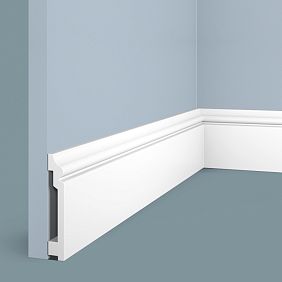
Variety of applications and architectural possibilities
Get Consultation
Construction superiority
Oak Beam is used in the most critical nodes of structural construction. It is used for the first row of log cabins, where maximum resistance to moisture and enormous loads from the entire structure is required. In industrial construction, oak beams are indispensable for under-shelf pads under heavy equipment, crane equipment brake pads, and special insulators.
In the construction of hydraulic structures — locks, dams, quay structures — oak demonstrates its unique properties. The material not only withstands constant water exposure but also becomes stronger, gaining additional hardness.
Decorative solutions and design concepts
In modern interior design, oak beams are valued for their rare combination of functionality and aesthetic perfection. Oak mantel shelves become central elements of living rooms, decorative beams create the atmosphere of ancient castles, and staircase elements acquire the status of works of art.
Landscape designers actively use the possibilities of oak material to create small architectural forms. Gazebos, bridges, and fences made of oak do not merely blend into the natural environment — they become its organic part, serving for decades practically without maintenance.
Technical characteristics and dimensional possibilities
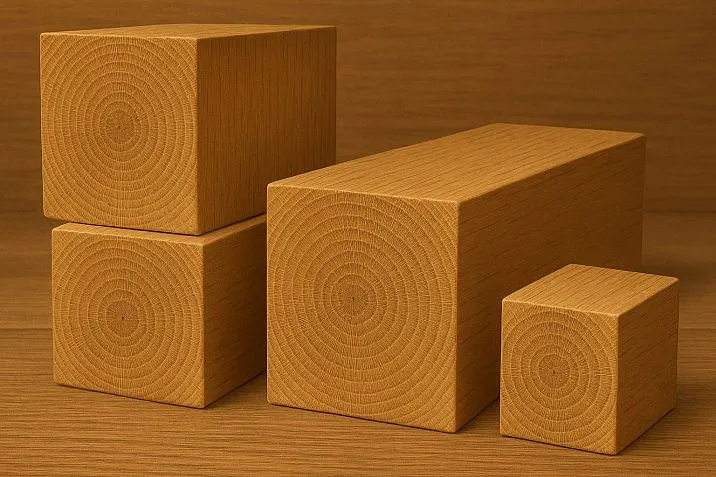
The modern market offers oak beams in an impressive range of sizes and configurations. Standard cross-sections vary from compact 50×50 millimeters to massive 300×300 millimeters. The length of products can reach six meters, although sizes from two to four meters are most in demand.
The moisture content of the finished material is strictly controlled at 12±2% — this is the optimal indicator, guaranteeing geometric stability and excluding deformations during operation. Geometric tolerance does not exceed ±2 millimeters, allowing the use of beams in the most precise constructions without additional fitting.
Quality classification and grade
Oak beams are classified into several quality categories, each with its own area of application. Class "Extra" material is practically free of visible defects — it is chosen for elite interiors and representative structures.
First grade allows for minor natural features of wood — small healthy knots, natural color transitions that do not reduce strength but give the material an individual character.
Second and third grades are optimal for structural work where aesthetics are secondary to functionality. Such material is used in concealed structural elements, for creating frames, rough work.
Economic philosophy of quality investments
Cost calculation for the long-term perspective
Purchasing high-quality oak material requires serious financial planning. The cost may be 3-5 times higher than that of coniferous analogs, but the true economics of the project becomes evident in the long-term perspective.
The service life of oak structures is measured in centuries with minimal maintenance. There is no need for regular replacement of elements, expensive repairs, or frequent application of protective coatings. After 20-30 years of operation, the economic advantages of oak become undeniable.
Impact on property value
The use of oak materials fundamentally changes the perception of real estate. Houses and commercial buildings where high-quality Oak Beamare automatically placed in the premium segment. Buyers of luxury real estate are willing to pay significantly more for natural, high-quality materials, understanding their true value.
Production technologies and modern processing
Process of logging and preparing raw material
The quality of the finished product is established at the earliest stages of production. Trees aged 80-120 years, grown in harsh climates on poor soils, have the best characteristics. It is precisely these conditions that form wood of exceptional density and uniform structure.
The drying process requires special attention and strict adherence to technological regimes. Oak wood is dried in specialized chambers with computer-controlled temperature and humidity. Gradual, gentle removal of moisture allows reducing moisture content to required parameters without forming internal stresses or cracks.
Modern finishing methods
Oak beams rarely require radical changes to their appearance — their natural beauty is self-sufficient. Primary processing methods are aimed at highlighting the material's natural merits.
Oil-based impregnation with natural components enhances the natural texture and provides additional protection against external factors. Lacquering creates a transparent protective coating that preserves the original appearance of wood for decades. Staining allows changing the material's shade without compromising its structural integrity.
Criteria for selection and professional assessment
Visual quality diagnosis
When selecting oak timber, professionals pay attention to numerous parameters inaccessible to laypersons. Quality wood should have an even color without dark spots indicating the onset of decay. The surface must be perfectly smooth, free of deep cracks and mechanical damage.
Special attention is given to the orientation of growth rings — they must be strictly parallel to the edges of the timber. Diagonal fiber alignment indicates violations of sawing technology or use of inferior raw material.
Technical requirements and standards
The moisture content of the finished product must not exceed strictly defined values: 15% for interior use and 18% for exterior applications. Exceeding these parameters inevitably leads to deformation and reduced performance characteristics.
Geometric parameters must match the declared specifications with minimal deviations. A tolerance exceeding ±3 millimeters creates issues during installation and may critically reduce the final result's quality.
Comparative analysis with competitive materials
Oak among hardwoods
Among hardwoods, oak occupies a special position, combining high strength characteristics with excellent workability. Ash surpasses oak in hardness indicators, reaching 4.0 on the Janka scale versus 3.8 for oak, but significantly lags behind in biological and moisture resistance.
Beech features a beautiful light texture and excellent workability, but significantly lags behind oak in resistance to moisture and biological damage. This substantially limits its application scope in critical structures.
Advantages over coniferous species
When compared with traditional coniferous species — pine and spruce — oak's advantages are fully evident. Oak's hardness is nearly 2.5 times higher than coniferous species, and its strength characteristics are 1.5–2 times higher.
Coniferous species have their own advantages — natural essential oils create a unique microclimate, resinous substances provide natural preservation. However, in terms of longevity and prestige, oak remains unmatched.
Installation features and long-term operation
Preparation period and acclimatization
Quality installation of oak structures begins long before the first fastening element. The material must undergo mandatory acclimatization under the expected operating conditions. The timber must remain on-site for at least a week to equalize moisture and temperature with the surrounding environment.
Special attention is given to selecting fasteners. For oak structures, only stainless steel or galvanized high-quality screws and bolts are used. Ordinary black screws react chemically with tannins, forming irreversible dark stains.
Operational characteristics
Properly installed oak structures require virtually no maintenance during operation. The only recommended procedure is periodic renewal of the protective coating every 5–10 years, depending on usage conditions and initial treatment quality.
Local damage can be easily remedied with spot treatment — sanding the damaged area and applying protective coating. Serious defects in oak structures are exceptionally rare due to the material's phenomenal natural durability.
Ecological advantages and principles of sustainable development
Natural eco-friendliness and safety
Oak Beam Represents an ecological purity standard among construction materials. It contains no toxic substances, does not emit harmful compounds, and creates a healthy microclimate indoors. Unlike many synthetic materials containing formaldehyde and other chemical components, oak remains absolutely safe.
Scientific studies repeatedly confirm the beneficial effect of natural wood on human psycho-emotional state. Oak is traditionally considered a 'donor tree,' capable of creating positive energy in surrounding space.
Secondary use and recycling
At the end of their service life, oak structures do not create ecological problems. Wood decomposes naturally, enriching soil with organic matter. Moreover, old oak elements often find a second life — aged wood is especially valued in restoration projects and interior design.
Innovative technologies and development prospects
Modern methods of improving characteristics
Innovative technologies allow creating oak materials with even more refined characteristics. Thermomodification at 180–220°C increases dimensional stability and biological resistance without using chemicals. The process occurs in a steam atmosphere, fully preserving the material's ecological purity.
Vacuum impregnation ensures deep penetration of protective compounds into the wood structure, creating long-term protection against adverse external influences. Special impregnants can impart additional properties — fire resistance, water repellency, UV protection.
Glued constructions and composite solutions
The technology of producing glued oak timber opens new architectural possibilities. The material combines the advantages of solid wood with enhanced dimensional stability and the ability to create large-scale elements without length restrictions.
The multi-layer structure of glued timber provides even greater strength and eliminates deformations typical of solid wood. This is especially important when creating critical long-span structures — beams, purlins, truss elements.
Regional characteristics and market trends
Russian market and local features
The formation of the market for oak timber in Russia has its own features, associated with the geography of oak forests and the development of wood processing technologies. Central regions, where the main oak forests are concentrated, offer material at the most competitive prices.
Northern producers, despite their distance from raw material bases, compensate for this with modern processing technologies and strict quality control. Their products often surpass southern analogs in terms of stability of characteristics and accuracy of geometric parameters.
International Standards and Certification
Modern oak timber production is oriented towards international quality standards. FSC certification confirms sustainable forestry and the producer's ecological responsibility. CE marking guarantees compliance with European safety and quality requirements.
Practical recommendations for consumers
Choosing a supplier
Choosing a supplier of oak timber is a critically important decision that determines the success of the entire project. A reliable company is always ready to provide material samples for detailed inspection, complete technical documentation, quality certificates, and certificates of wood origin.
Key indicators of reliability include the presence of an in-house production facility, modern equipment, and a quality control system. Recommendations from satisfied clients and a portfolio of completed projects are additional guarantees of the supplier's professionalism.
Procurement planning and logistics
Effective procurement planning allows significantly optimizing the costs of purchasing oak timber. Ordering material in large batches ensures substantial discounts. Planning 6-12 months in advance allows taking advantage of pre-order offers.
Special attention should be paid to logistical aspects. Oak timber is a heavy material requiring special transportation and qualified unloading. Proper packaging and transportation ensure the material's integrity upon delivery.
STAVROS, operating in the market of elite building and finishing materials, offers a full range of oak timber in various sizes and applications. Extensive experience and deep understanding of the requirements of the most demanding clients enable the company to guarantee impeccable product quality and professional support at every stage of project implementation.
191.21 $ р.