Article Contents:
- Oak - a legend among wood species
- Secrets of oak durability
- The diversity of oak masterpieces
- Furniture Art
- Decorative elements
- Processing Technologies: From Traditions to Innovations
- Drying – the foundation of quality
- Modern processing methods
- Aesthetics of oak interiors
- Classic style
- Modern trends
- Ecological value of oak products
- Carbon footprint
- Healthy Microclimate
- Investment attractiveness
- Factors Affecting Cost
- Heritage Value
- Care for oak products
- Daily care
- Professional Restoration
- Oak in Architecture and Construction
- Structural Elements
- Exterior finishing
- Psychology of Perceiving Oak Interiors
- Connection with Nature
- Symbolism of Status
- Regional Characteristics of Oak Products
- European traditions
- Russian Traditions
- The Future of the Oak Industry
- Innovative technologies
- Sustainable development
Oak is not just a tree. It is a symbol of strength, nobility, and enduring beauty that has captivated the hearts of connoisseurs of true quality for centuries. Today, when the world is overwhelmed by the wave of mass production and plastic imitations of natural materials, oak products they bring us back to the roots of true craftsmanship and natural harmony.




Oak - a legend among wood species
What makes oak so special? This question has troubled humanity for millennia. Oak groves were considered sacred by Slavs, Celts, and Germans. Majestic trunks, sprawling canopies, and incredible longevity have turned this tree into a living symbol of wisdom and resilience.
Oak wood has a unique structure. Its density is about 700 kilograms per cubic meter, significantly exceeding the indicators of most other species. Hardness on the Brinell scale reaches 3.7-3.9 units, allowing the creation of oak products capable of serving for decades without losing their original appearance.




Secrets of oak durability
Why is oak wood so strong? It all lies in its special chemical composition. The content of tannins – natural tannic substances – reaches 8-20 percent. It is precisely the tannins that give the wood its characteristic golden-brown hue and provide natural protection against rot, mold, and insects.
Oak's unique cellular structure resembles a complex architectural structure. Large spring wood pores alternate with dense summer growth areas, creating an incomparable pattern that makes each product exclusive.
Our factory also produces:


The diversity of oak masterpieces
Modern oak products astonish with their variety of forms, styles, and purposes. From classic furniture to exquisite decorative elements – oak wood finds application in virtually all areas of life.
Get Consultation
Furniture Art
Oak furniture is the embodiment of luxury and functionality. Oak solid wood tables can withstand enormous loads while maintaining the elegance of their lines. Chairs and armchairs not only boast strength but also an amazing comfort – oak wood has the ability to 'breathe', regulating humidity in the room.
Oak wardrobes and chests become family heirlooms, passed down from generation to generation. Their beauty does not fade over time, but rather acquires a noble patina that accentuates the natural wood grain.
Decorative elements
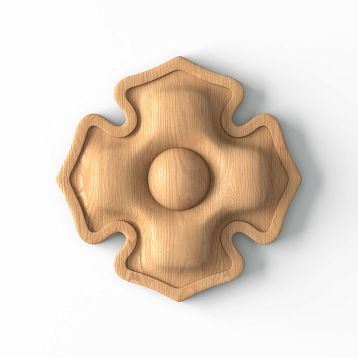
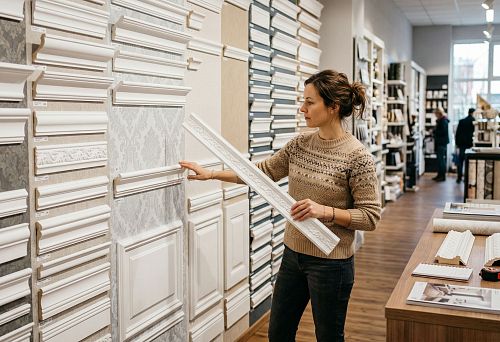
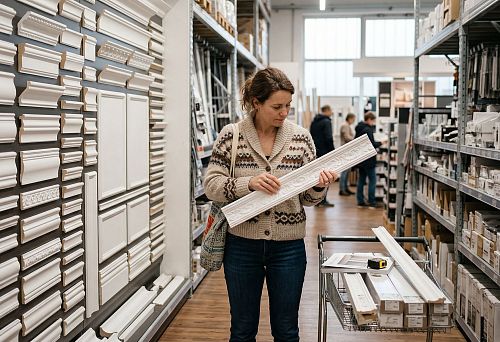
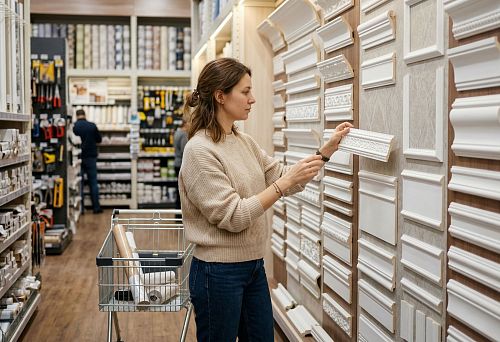
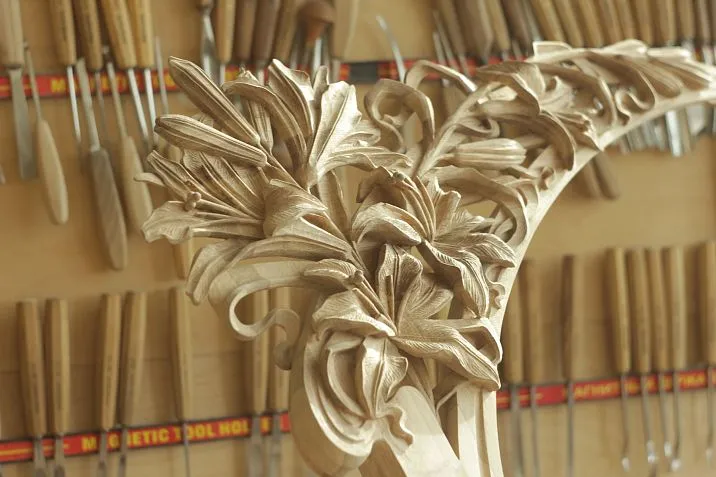
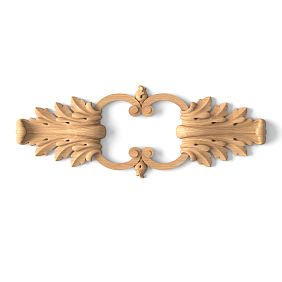
Moldings, baseboards, and cornices—these oak items can dramatically transform an interior. They create a sense of completion, add aristocratic elegance, and highlight the owner’s impeccable taste. Oak casings and moldings become true works of art, especially when crafted using traditional carving techniques.
Oak balusters and stair columns combine functionality and aesthetics. They not only ensure safety but also create a majestic atmosphere, turning an ordinary staircase into an architectural accent.
Processing technologies: from traditions to innovations
Creating quality oak products Requires a deep understanding of wood properties and mastery of specialized technologies. Modern processing methods allow for the maximum expression of the material’s natural beauty while preserving its unique characteristics.
Drying – the foundation of quality
Proper drying of oak wood is an art. The process can take from several months to several years. The wood must dry slowly and evenly to avoid cracking and deformation. Modern drying chambers allow precise control of temperature and humidity down to tenths of a percent.
The moisture content of finished wood should not exceed 8–12 percent. Only at these levels does oak achieve dimensional stability and readiness for further processing. Properly dried wood becomes the foundation for creating oak items that will serve for decades without deformation.
Modern processing methods
High-precision CNC machines allow for creating complex profiles and ornaments. Laser cutting opens new possibilities for creating delicate elements that were previously accessible only to highly skilled artisans.
Innovative coatings protect wood from ultraviolet exposure, moisture, and mechanical damage. Modern varnishes and oils not only preserve the natural beauty of oak but also accentuate its texture, creating an effect of depth and dimension.
Aesthetic of oak interiors
Oak items have an amazing ability to adapt to any interior style. They look equally naturally at home in classical palace halls and modern minimalist spaces.
Classic style
In classical interiors, oak reigns supreme. Carved panels, massive doors, coffered ceilings—all these elements create an atmosphere of grandeur and majesty. Oak items in classical style are distinguished by rich decoration, complex forms, and meticulous detailing.
Patina and artificial aging give classical oak items a special charm. The effect of antiquity creates a sense of connection to history, transforming a modern interior into something resembling an old castle or noble estate.
Modern trends
Modern design prefers simple forms and natural textures. oak products In modern style, they are characterized by clean lines and minimalist decoration. The focus is on the beauty of the wood itself, its natural grain, and noble color.
Combining oak with metal, glass, and stone creates interesting visual contrasts. The warmth of wood softens the coldness of modern materials, making the interior more cozy and human.
Ecological value of oak items
In an era of growing ecological awareness, oak items gain particular relevance. Oak is a renewable resource, provided responsible forest management is practiced. Properly managed oak forests not only supply the furniture industry with raw material but also perform important ecological functions.
Carbon footprint
Oak wood has the ability to sequester carbon dioxide for many years. One cubic meter of oak wood contains about 250 kilograms of stored carbon. This means that oak items continue to combat the greenhouse effect even after the tree is felled.
The longevity of oak items also plays an important role in preserving the environment. Furniture and decorative elements that serve for decades do not require frequent replacement, thereby reducing pressure on natural resources.
Healthy microclimate
oak products Contribute to creating a healthy microclimate in the room. Oak wood naturally regulates humidity, absorbing excess moisture and releasing it when needed. Tannins present in the wood have antibacterial properties, which is especially important for children’s rooms and bedrooms.
The absence of toxic emissions makes oak items an ideal choice for people suffering from allergies and asthma. Unlike composite materials, oak does not emit formaldehyde or other harmful substances.
Investment Appeal
Oak items can be considered not only as interior furnishings but also as investments. High-quality oak furniture and decor do not lose value over time and often become more expensive. Antique oak items can reach fantastic prices at auctions.
Factors Affecting Cost
The age of the wood plays an important role in determining its price. Oak that has reached 100–200 years of age possesses exceptional density and beauty of grain. Such wood is especially highly valued and used to create exclusive items.
Craftsmanship also significantly affects the cost. The handiwork of skilled artisans transforms ordinary wood into a work of art. The complexity of decoration, uniqueness of design, and flawless execution—all these factors determine the final price of the item.
Inheritance value
oak products Often become family heirlooms, passed down from generation to generation. An oak table where the family gathers, an oak bed where children are born, an oak cabinet holding family secrets—all these items acquire special emotional value.
Oak’s ability to retain beauty for centuries makes such items true investments in the family’s future. With proper care, oak furniture can serve practically forever, becoming increasingly valuable over time.
Care for oak items
Despite their durability, oak products require certain care. Proper handling of oak furniture and decor guarantees their longevity and preservation of their original beauty.
Daily Care
Regular cleaning of oak surfaces should be done using special products. Ordinary cleaning agents may damage the protective coating and cause the wood to darken. It is best to use a slightly damp, soft cloth and special wood polishes.
It is important to avoid direct sunlight on oak surfaces. Ultraviolet rays can alter the color of the wood and cause the protective coating to crack. Using curtains or blinds will help protect oak items from harmful sunlight.
Professional restoration
Over time, even the highest quality oak products may require restoration. Professional restorers are able to return old furniture to its original appearance, remove damage, and renew the protective coating.
Restoration is not just repair—it is the art of revival. Experienced masters study the history of the item, analyze its manufacturing techniques, and select optimal restoration methods. The result of such work is not merely repaired furniture, but a resurrected masterpiece.
Oak in Architecture and Construction
Oak products are widely used not only in the furniture industry but also in architecture. Oak beams, rafters, and floorboards create a unique atmosphere in a home and provide exceptional structural strength.
Structural elements
Oak beams can support enormous loads, making them indispensable for constructing large spans without intermediate supports. Open beam structures made of oak become the main decorative element in interiors, creating a sense of monumentality and reliability.
Oak staircases are distinguished not only by beauty but also by safety. Non-slip surfaces, strong treads and handrails, and resistance to wear—all these qualities make oak staircases an ideal choice for residential and public buildings.
Outdoor Finishing
Oak siding for facades has natural resistance to atmospheric effects. Special treatment with antiseptics and protective compounds allows using oak products for exterior building finishes even in harsh climatic conditions.
Oak casings, shutters, and cornices not only protect buildings from weather but also give them a unique character. Every house with oak finishing becomes individual, reflecting the tastes and preferences of its owner.
Psychology of Perceiving Oak Interiors
oak products exert a special psychological effect on people. Numerous studies confirm the beneficial influence of natural wood on people's emotional state and productivity.
Connection with nature
The presence of oak elements in interiors creates a sense of connection with nature, which is especially important in urban life. Natural materials help reduce stress levels, improve concentration, and promote relaxation.
Warm tones of oak wood create a feeling of comfort and safety. This is especially important for bedrooms and children's rooms, where a person must feel completely comfortable and secure.
Symbolism of Status
Oak products are traditionally associated with prosperity, stability, and success. An oak desk signifies the seriousness of the owner's intentions, an oak bookcase speaks to their education, and oak furniture in the living room demonstrates impeccable taste.
This symbolic load is not accidental—it has been formed over centuries. Oak has always been a costly material, accessible only to the wealthy. Modern technologies have made oak products more accessible, but their prestige remains unchanged.
Regional Characteristics of Oak Products
Different regions of the world have developed their own traditions of working with oak, leading to the emergence of unique styles and techniques. Each school of furniture craftsmanship contributes something special to the creation of oak products.
European traditions
The European school of furniture craftsmanship is renowned for refined forms and exquisite decoration. French oak furniture is distinguished by elegant lines and rich carved ornamentation. English masters prefer massive forms and strict geometry. German oak products are characterized by functionality and quality craftsmanship.
Scandinavian style introduced principles of minimalism and functionality into oak furniture. Simple forms, natural texture, light tones—all of this became the hallmark of northern design.
Russian traditions
Russian masters have always distinguished themselves by a special understanding of wood. Traditional oak products in the Russian style are characterized by monumental forms and rich carved decoration. Vegetal ornaments, depictions of animals and birds, geometric patterns—all of this is reflected in the works of Russian masters.
Modern Russian manufacturers successfully combine traditional techniques with innovative technologies. This allows creating oak products that meet modern quality standards while preserving a connection to cultural heritage.
The Future of the Oak Industry
The development of technologies opens new horizons for creating oak products. Computer modeling allows creating complex shapes and ornamentation. Robotic production lines ensure the highest precision of processing while preserving the individual character of each item.
Innovative technologies
3D printing on wood is still in the experimental stage, but already shows impressive results. In the future, this technology may revolutionize the production of oak products, enabling the creation of shapes inaccessible through traditional processing methods.
Nanotechnology opens new possibilities for protecting wood. Nanoscopic coatings can provide absolute protection against moisture, ultraviolet radiation, and mechanical damage, without altering the appearance and tactile properties of the wood.
Sustainable development
Future oak products It is inseparably linked to the principles of sustainable development. Forest certification, responsible forestry, and forest restoration programs — all of these ensure a raw material base for future generations of craftsmen.
Circular economy implies maximum utilization of every piece of wood. Sawdust is used for producing biofuel, offcuts are used to create composite materials, and old furniture undergoes restoration to receive a second life.
Oak products are not just interior items. They embody timeless values: beauty, quality, reliability, and connection with nature. In a world where everything changes with kaleidoscopic speed, oak remains a constant, a symbol of stability and continuity.
The company STAVROS understands this special mission of oak in the modern world. By combining advanced technologies with centuries-old craftsmanship traditions, STAVROS creates oak productswhich will become a pride of any interior and be passed down to future generations as a testament to impeccable taste and high quality standards.