Article Contents:
- 1. Role of wood and its derivatives in modern furniture
- 2. Solid wood: classic choice for admirers of traditions
- 2.1. Advantages of solid wood
- 2.2. Disadvantages of solid wood
- 2.3. Where solid wood is applied
- 3.1. Advantages of veneer
- 3.2. Disadvantages of veneer
- 3.3. Applications
- 4.1. Laminate particleboard (Laminated MDF)
- 4.2. MDF
- 4.3. Plywood
- 5.1. Plastic HPL/CPL
- 5.2. Acrylic
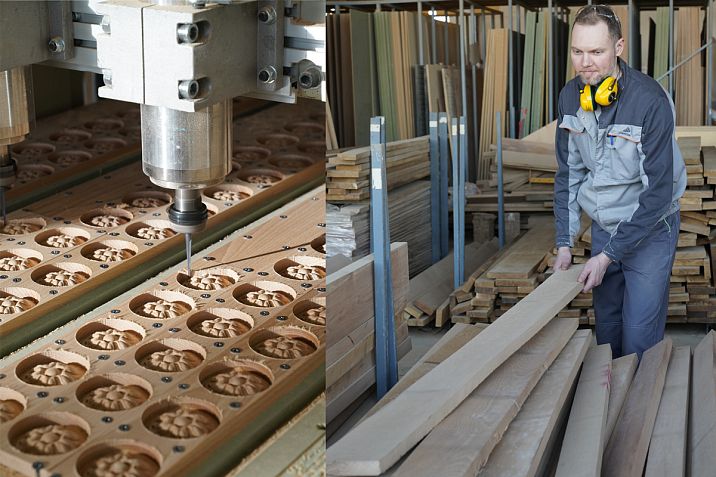
Wood and wood-based materials have been among the most sought-after raw resources for furniture manufacturing since ancient times. They are used in creating both classic sets and ultra-modern interiors in loft or minimalist styles. In any case, wooden furniture materials are valued for their natural beauty, warm atmosphere, durability, and relatively easy processing. At the same time, the modern furniture industry offers much more than just solid wood: today, veneered surfaces, various panel materials (Laminated MDF, MDF, plywood), and combined solutions where wood 'collaborates' with metal, glass, or plastic are widely available on the market.
In this article, we will examine the main types of wooden materials used in furniture production, their advantages and disadvantages, examples of application, as well as discuss ecological and operational aspects. This is an extensive overview (about 2000 words) that will help you better navigate the topic and make more informed decisions when choosing or purchasing furniture or raw materials for DIY projects.


1. Role of wood and its derivatives in modern furniture
Wood has historically been one of the first materials used to create household items. Even in the era of rapid development of plastics, composites, and metals, it retains unique qualities:
- Aesthetic warmth: the natural texture and tones of wood are associated with us with coziness and nature.
- Durability: with proper drying and treatment, many types (oak, beech, ash) can last for decades.
- Variety: modern technologies allow using both solid boards (solid wood), particleboard, medium-density fiberboard (MDF), veneer, and plywood — each variant has its own area of application.
- Ease of processing: wood and its derivatives are relatively easy to saw, route, drill, and glue, making them attractive for furniture makers (from small workshops to large factories).
However, it should be noted that with market development, alternative materials (plastics, acrylics, glass, metal) have emerged. Therefore, it is advisable to examine the main types of wooden materials to understand their competitive advantages and limitations.




2. Solid wood: the classic choice for lovers of tradition
What it is: Solid wood refers to whole boards or beams made of natural wood (oak, ash, beech, pine, birch, etc.) that undergo drying and finishing treatment (sanding, lacquering, staining).
Our factory also produces:


2.1. Advantages of solid wood
- Natural beauty: the grain patterns and natural texture give furniture a noble and "warm" feel.
- High strength: many species (oak, beech) are known for good hardness and resistance to wear.
- Durability: solid wood furniture can last for decades with proper care. Damage can be restored (resanded, re-lacquered or re-oiled).
- Ecological (provided that safe lacquers and oils are used).
Get Consultation
2.2. Disadvantages of solid wood
- Price: solid oak, beech, walnut are quite expensive, especially for large furniture items.
- Sensitivity to operating conditions: wood may react to temperature and humidity fluctuations (cracking, warping).
- Heavy weight: solid wood furniture is more difficult to transport and install.
2.3. Where solid wood is applied
● Classic furniture (wardrobes, chests, beds, tables).
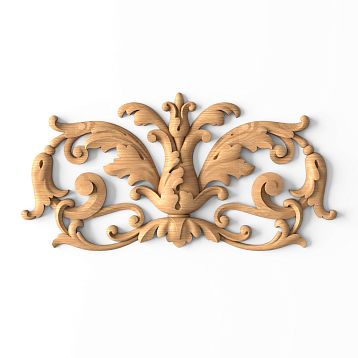
● Decorative elements (carved details, columns, pilasters).
● Frames of premium upholstered furniture.
If you need an authentic rustic style, country, Provence, chalet, or simply appreciate luxurious wood in classic design — solid wood remains unmatched.
3. Veneer: natural look at lower cost
What it is: Veneer is thin sheets (0.3–0.6 mm) of natural wood that are glued onto a panel base (particleboard, MDF, plywood). This achieves the look of solid wood using less valuable species.
3.1. Advantages of veneer
- Aesthetic of solid wood: the "live" wood texture is visible.
- Cost-effective: veneered facades are cheaper than solid wood, and lighter in weight.
- Variety of species: oak, ash, alder, walnut, zebrawood, rosewood, etc. allow selecting a unique pattern.
3.2. Disadvantages of veneer
- Thin layer: if scratched or hit, the base may be exposed.
- Repair complexity: restoration requires precise veneer matching and careful work.
- Humidity control: under sudden changes in conditions, veneer may delaminate.
3.3. Application
● Premium-class facades for kitchens, living rooms, and bedrooms.
● Countertops (e.g., coffee tables, desks).
● Wall finishing in interiors when you need to create a 'wooden' finish on a budget.
Veneer is great for those who want natural wood aesthetics but are not ready to pay for solid wood or fear its weight.
4. Plywood-based materials: Laminated particleboard, MDF, and plywood
4.1. Laminated particleboard (Laminated Particleboard)
Composition: wood chips compressed with binders, topped with decorative (melamine/laminated) film. The most popular option for "economy" and "mid-range" furniture.
Advantages:
- Affordable price.
- Extensive choice of finishes (wood, stone, metal imitation, solid colors).
- Easy maintenance: laminated surface does not absorb dirt.
Disadvantages:
- Ends are vulnerable (may swell if exposed to moisture).
- Low resistance to twisting; screws may "crack" the hole if frequently screwed and unscrewed.
- Limited ability for shaped processing (mostly straight forms).
4.2. MDF
Composition: medium-density fiberboard, fine wood particles plus resin binders.
Advantages:
- Higher density and strength than particleboard (screws hold better).
- Ability to machine and create complex relief facades.
- Good moisture resistance when laminated or coated with film/ enamel.
Disadvantages:
- Price: usually more expensive than Laminated Particleboard.
- Weight: MDF is heavier, making installation of large elements more difficult.
- Emission control: may contain elevated formaldehyde levels if using low-quality raw materials.
4.3. Plywood
Composition: thin veneer layers glued together, arranged perpendicularly to each other.
Advantages:
- High rigidity and resistance to deformation.
- Ecological (provided quality glue standards are met).
- Use of decorative grades (birch, veneer) provides interesting textures.
Disadvantages:
- Need for additional finishing (lacquer, paint) if aiming for a "presentable" appearance.
- Risk of voids in low-cost grades.
5. Wood-based materials with other coatings (plastic, acrylic)
Often particleboard (MDF) or particleboard panels are covered with special coatings: HPL plastic, acrylic film, or laminate. This is especially relevant for kitchens and bathrooms, where high humidity and mechanical loads are present.
5.1. HPL/CPL Plastic
● Advantages: resistance to moisture, mechanical impacts, heat; rich texture palette.
● Disadvantages: price may be higher than standard MDF; processing difficulty (requires postforming machinery).
5.2. Acrylic
● Advantages: glossy surface effect, visual "depth" of color, easy cleaning.
● Disadvantages: fingerprints and scratches are visible on glossy surfaces. Acrylic may chip upon impact.
6. Ecological Factor: Emission Class and Safety
Any wood or wood-based panel may emit formaldehyde if adhesive containing this gas is used. Emission class E0/E1/E2 indicates the volume of emissions:
● E0 (very low level) — safe for living spaces, especially bedrooms and children’s rooms.
● E1 — acceptable standard in most countries, common in standard interiors.
● E2 — not recommended for living rooms, used less often, more common in non-living spaces.
When purchasing wooden furniture materials, it is advisable to ask the seller about their classification and check compliance certificates.
7. Choosing Between Solid Wood and Panel Materials: Key Points
- Budget: solid wood is noticeably more expensive. MDF is the most affordable option, while MDF/plywood is a middle-ground solution.
- Style: for classic, country, Provence, chalet styles, solid wood or veneer looks authentic. For high-tech and minimalism, glossy surfaces (acrylic, plastic) are more commonly used.
- Functionality: kitchens and bathrooms exposed to moisture require moisture-resistant materials (MDF with film, HPL, acrylic). Bedrooms or living rooms can accommodate classic solutions (veneer, solid wood).
- Complex shapes: if milling or decorative elements are needed, MDF is less suitable, while solid wood, MDF, or plywood handle these tasks excellently.
8. Working with Hardware: Important Detail
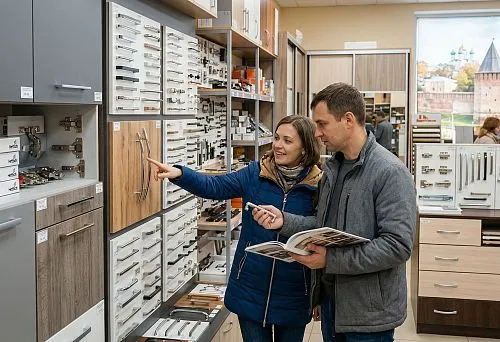
Any furniture has doors, drawers, shelves. The construction’s assembly and reliability heavily depend on hardware. Thus, screws can be easily fastened to solid wood, but MDF may start "crumbling" at joints with repeated screw removal. MDF hardware holds better, but avoid over-tightening bolts. Choose handles, hinges, and guides based on style and facade weight. Heavy solid wood doors require robust, adjustable hinge systems.
9. Wooden Accents Combined with Other Materials
Modern design loves combinations: wood + metal, wood + glass, wood + concrete textures. This creates an interesting contrast and allows achieving unique solutions:
● Loft: rough wood texture (aged solid wood or MDF "aged wood") combines with metal frame pipes.
● High-tech: decorative veneer inserts against glossy plastic or acrylic surfaces.
● Scandinavian style: plywood, light wood tones, white matte facades, sometimes metallic details as thin supports.
10. Care Recommendations for Wooden Materials
- Protective treatment: use oils, waxes, varnishes for solid wood and veneer to prevent moisture absorption.
- Care with water: when cleaning MDF or MDF, avoid prolonged contact of edges with water. Wipe with a damp cloth and immediately dry thoroughly.
- Control microclimate: 40–60% humidity and 18–25°C temperature are optimal for wood. Avoid placing solid wood furniture directly against radiators.
- Even load distribution: do not overload shelves, especially if they are made from thinner panels.
- Avoid aggressive chemicals: abrasive powders and strong solvents may damage the finish.
Inspect the surface: there should be no chips, cracks, bulges, or dents. For solid wood, it's important to check for the absence of large knots and cracks (unless they are part of the design).
- Smell it: if the material strongly smells 'chemical,' formaldehyde emissions may exceed normal levels.
- Emission class: ask for E0, E1 certificates.
- Thickness: for sturdy cabinets and shelves, at least 16–18 mm; sometimes 22–25 mm is used for countertops or heavily loaded elements.
- Thickness: for reliable casings and shelves — at least 16–18 mm, but sometimes 22–25 mm is taken for countertops or heavily loaded elements.
- Edge quality: for panels (MDF, Laminated Board), check that the edge is properly glued (PVC/ABS) and there are no gaps.
Conclusion
Wooden furniture materials remain the heart of the furniture industry. Starting from solid wood beams passed down through traditional craftsmanship, to high-tech panels with laminated films and veneers — the choice is vast. Key factors in selection are:
- Intended use (what furniture item, in which room).
- Budget (solid wood and veneered solutions are more expensive, Laminated Board is most affordable, MDF is a compromise).
- Style (classic, loft, scandi, minimalism, country).
- Ecological requirements (acceptable emission class).
- Desired durability and load capacity.
Choosing materials successfully allows you to create quality, aesthetically pleasing, and practical furniture that will fit into your interior and last for many years. Don't be afraid to study characteristics, compare options, and consult with sellers and craftsmen. After all, furniture is part of our everyday environment — it affects comfort and emotional atmosphere in the home. Understanding the properties of wooden materials will help you find the optimal solution between beauty, functionality, and financial possibilities.