Article Contents:
- Anatomy of Oak Perfection: structure as the basis of quality
- Cellular Architecture: natural engineering
- Chemical Composition: natural laboratory
- Annual Rings: chronicle of growth
- Sawing Technology: transforming raw material into perfection
- Preparation stage: the foundation of quality
- Sawing Process: technology and art
- Quality control: standards of perfection
- Classification and Grade: selection for every task
- European Grading System
- Russian Quality Standards
- Special Categories
- Application in Modern Production
- Furniture Industry: where quality defines status
- Parquet Production: beauty underfoot
- Construction Industry: strength for centuries
- Creative Applications: blanks for creativity
- Comparative Analysis with Other Species
- Oak vs. Birch: Battle of Giants
- Oak vs. Ash: Strength vs. Flexibility
- Oak vs. Exotic Species
- Innovative Processing Technologies
- Thermal Modification
- Polymer Impregnation
- Laminating
- Economic Aspects of Oak Usage
- Pricing on the Market
- Return on Investment for Usage
- Ecological Aspects
- Resource Renewability
- Carbon footprint
- Biodegradability
- Development prospects
- Nanotechnology in Oak Processing
- Digital technologies in production
- New Application Areas
- Recommendations for Selection and Use
- Selection Criteria
- Storage conditions
- Preparation for Use
- Oak's Creative Potential
- Wood Carving
- Turning Work
- Inlay and Marquetry
- STAVROS: Where the Perfection of Oak Products is Born
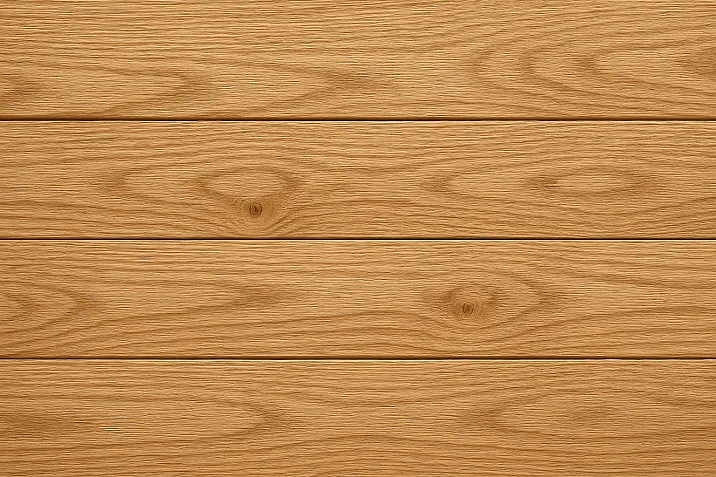
When the craftsman takes up the tool and begins working with wood, he enters into a dialogue with nature itself. And there is no material more noble for this conversation than oak board planed — a material that for centuries has embodied strength, beauty, and durability in human hands. Each fiber of this wood carries the story of decades of growth, each texture tells of the seasons the tree has endured, each shade speaks of the richness of the soil on which it grew.
Oak is not just a tree. It is a symbol of power and constancy, the material from which ships conquering oceans and palaces standing for centuries were built. Modern oak board dry planed combines these ancient virtues with the technological perfection of the 21st century, creating a material that will satisfy the most demanding requirements of the modern craftsman.
But what makes oak board so special? Why is this material chosen for the most demanding projects, where compromises are unacceptable? The answer lies in the unique combination of physical, mechanical, and aesthetic properties that nature created over millions of years of evolution.




Anatomy of Oak Perfection: Structure as the Foundation of Quality
Understanding the internal structure of oak is the key to understanding its exceptional properties. This is not just wood; it is a complex biological system, each element of which performs its function and influences the final characteristics of the material.




Cellular Architecture: Natural Engineering
Oak wood consists of many types of cells, each contributing to the overall properties of the material. Tracheids provide strength along the grain, reaching 130-150 MPa in tension. This is comparable to some steels, but with significantly lower density — only 650-750 kg/m³.
Ray cells create a radial structure that gives oak its characteristic texture and ensures stability when humidity changes. Thanks to this structure, oak has different coefficients of swelling in different directions: 0.1% along the grain, 4% radially, and 8% tangentially.
Oak vessels have a diameter up to 0.4 mm, making them visible to the naked eye and creating a characteristic porous texture. These pores not only form the decorative qualities of the wood but also influence its physical properties — ability to be impregnated with protective compounds, acoustic characteristics, thermal and moisture conductivity.
Our factory also produces:





Chemical Composition: Natural Laboratory
Oak contains up to 65% cellulose — the main structural polymer providing fiber strength. Lignin (up to 25%) binds cellulose fibers and gives the structure rigidity. But oak’s special value is due to extractives — tannins, which can make up to 10% of the wood’s mass.
Tannins are not just chemical compounds. They are a natural defense system that makes oak practically immune to most fungi, bacteria, and wood-boring insects. It is precisely the tannins that give oak its characteristic bitter aroma and its ability to naturally preserve itself.
Moreover, tannins have tanning properties and can interact with metals, forming characteristic dark stains upon contact with iron. This property must be considered when selecting fasteners for oak structures.
Get Consultation
Annual Rings: Chronicle of Growth
The structure of oak’s annual rings tells the story of its growth and determines many operational characteristics of the finished board. Early wood with large vessels provides decorative qualities, while late wood with thick-walled fibers provides strength.
The width of annual rings affects the stability of the wood. Slow-growing oak with narrow rings (2-3 mm) is more stable and less prone to cracking. Fast-growing oak with wide rings (5-8 mm) may be less stable but has a more pronounced texture.
Planing Technology: Transforming Raw Material into Perfection
Planing is not just mechanical surface processing. It is an art of revealing the inner beauty of wood, a process in which rough stock is transformed into material ready to become part of a work of art.
Preparation Stage: Foundation of Quality
Quality planing begins long before the board reaches the machine. Proper drying is a critically important stage, determining the success of all subsequent operations. Oak must be dried to a moisture content of 8-12% depending on the intended use of the finished products.
The drying process of oak requires a special approach due to the high density of the wood and the presence of tannins. Forced drying may lead to the formation of internal cracks, which only become apparent during mechanical processing. The optimal regime is chamber drying at a temperature of 50-60°C with gradual reduction of air humidity.
Stabilization after drying is equally important. Boards must remain in a room with controlled microclimate for at least 48 hours to equalize internal stresses. Only after this can mechanical processing begin.
Planing Process: Technology and Art
Modern oak planing is performed on high-performance four-sided machines capable of processing a board on all faces in one pass. However, the quality of processing depends not only on equipment but also on numerous technological nuances.
The feed rate for oak should be reduced compared to softwoods — typically 8-12 m/min versus 15-20 m/min for pine. This is due to the high hardness of oak and the need to achieve a quality surface without gouges or chips.
The rotational speed of the cutter spindle should ensure an optimal cutting frequency — 18-24 cuts per centimeter of board length. At a lower frequency, the surface becomes wavy; at a higher frequency, friction burns may occur.
Tool sharpening for oak processing has its own characteristics. The sharpening angle should be 30-35° instead of 25-30° for softwoods. This ensures greater durability of the cutting edge when working with hardwood.
Quality Control: Standards of Perfection
A finished planed board must meet strict requirements for geometric parameters and surface quality. Thickness deviations should not exceed ±0.2 mm, width deviations — ±0.5 mm. Non-parallelism of faces should not exceed 0.5 mm per meter of length.
Surface roughness is controlled both visually and instrumentally. For first-grade planed boards, the roughness parameter Ra should not exceed 12.5 micrometers. This ensures the surface is ready for any type of coating without additional processing.
The moisture content of finished products is controlled by electronic moisture meters at several points on each board. The moisture variation within a single batch should not exceed 2%. This guarantees dimensional stability during further processing and use.
Classification and Grade: Selection for Each Task
Not all oak boards are the same. There is a clear classification system that allows selecting material optimally suited for a specific task.
European Grading System
The European oak classification system is based on the quantity and size of allowable defects. The highest grade — Rustic A — has virtually no visible defects. Only small healthy knots up to 10 mm in diameter, not exceeding 3 per linear meter, are permitted.
Grade Rustic B allows knots up to 25 mm in diameter and minor sapwood discolorations. This grade is optimal for furniture production and interior finishing, where a balance of quality and economy is important.
Grade Rustic C may contain through knots and more noticeable defects. It is suitable for structural applications where aesthetics are less important than strength characteristics.
Russian Quality Standards
The domestic oak sorting system is regulated by GOST 8486-86 and includes five grades. The premium grade contains virtually no defects and is intended for the most demanding applications — luxury furniture, musical instruments, and artistic items.
The first grade allows a limited number of healthy, joined knots and is used for high-quality furniture and joinery products. The second and third grades are used in construction and for manufacturing less demanding items.
Special Categories
A special category is stained oak — wood that has been submerged in water for dozens or hundreds of years. Such material acquires a unique dark color and increased hardness, but becomes more brittle and difficult to process.
Thermally treated oak — the result of special treatment at 160-220°C, which changes the wood color from light brown to nearly black and improves dimensional stability.
Used in the most diverse fields — from luxury furniture manufacturing to shipbuilding. Each application area imposes its own requirements for material quality and characteristics.
oak board planed It is used in the most diverse fields — from high-end furniture manufacturing to shipbuilding. Each application area imposes its own requirements for material quality and characteristics.
Furniture Industry: Where Quality Determines Status
In furniture manufacturing, oak holds a special place. It is used to make luxury furniture passed down from generation to generation. Oak tables, cabinets, and beds are not merely functional — they are family heirlooms.
Dimensional stability is especially important in furniture production. The oak board must be dried to a moisture content of 8±2% and conditioned in a production facility for at least 72 hours. Only then can one guarantee the absence of deformations in finished products.
Aesthetic requirements for furniture oak are maximal. The texture should be expressive but not overpowering, and the color — uniform within a single piece. Radial sawing is especially prized, as it produces a beautiful pattern of heartwood rays.
Parquet Production: Beauty Underfoot
Oak parquet is the classic of its genre, the standard of quality and durability for floor coverings. Requirements for parquet boards are even stricter than for furniture-grade boards. Here, even the slightest defects are unacceptable, as they may become apparent during use.
Parquet boards are made from first-grade or premium-grade oak with a moisture content of 7±1%. Such precision is necessary to ensure the stability of modern parquet’s interlocking joints.
Special requirements are imposed on the hardness of wood. For parquet, only the sapwood and the central part of the trunk are used, excluding loose heartwood from young trees.
Construction industry: strength for centuries
In construction, oak is used for the most critical structures — load-bearing beams, roof trusses, frame elements. Here, strength characteristics take precedence, while aesthetics are secondary.
Oak construction boards may have a second or even third grade in appearance, but must meet strict strength requirements. Through cracks, rotten knots, and fungal damage are not permitted.
For construction purposes, oak is often used with increased moisture — up to 15-18%. This is economically justified, as during the service life, the wood naturally dries to equilibrium moisture content.
Creative applications: Wood for creativity
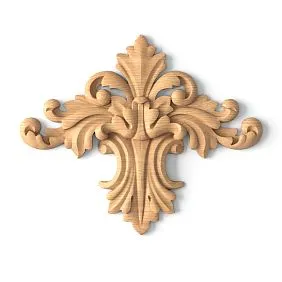
Oak boards are widely used in artisan crafts and creative endeavors. — are not just raw materials for production, but the foundation for realizing the most daring creative ideas, the basis for creating works that will delight generations. Oak is prized by woodcarvers, sculptors, and masters of decorative-applied arts.
For creative work, uniformity of structure and absence of internal stresses are especially important. Oak must be carefully dried and stabilized to avoid cracking during processing.
Woodcarvers prefer oak with a fine-grained structure, which allows for detailed carving. Sculptors, on the other hand, often choose oak with a pronounced coarse texture to create monumental works.
Comparative analysis with other species
To fully understand the advantages of oak, it is important to compare its characteristics with other popular wood species.
Oak versus beech: battle of giants
Beech is a worthy competitor to oak in furniture production. Sanded Beech Board It has a more uniform structure and is easier to machine. However, oak surpasses beech in durability and resistance to external influences.
Beech density (650-680 kg/m³) is slightly lower than oak, making it less strong but easier to process. Beech stains better and takes various shades, whereas oak is valued for its natural color.
Beech is usually 20-30% cheaper than oak, making it attractive for mass furniture production. However, the prestige of oak products is significantly higher.
Oak versus ash: strength versus flexibility
Ash surpasses oak in impact resistance and flexibility, making it indispensable for sports equipment and tool handles. However, in terms of overall strength and durability, oak remains the leader.
Ash has a more contrasting texture due to clearly defined annual rings. This can be an advantage or disadvantage depending on design requirements.
Oak versus exotic species
Tropical species — merbau, teak, wenge — may surpass oak in certain characteristics, but they lose out in availability and ecological friendliness. Oak is a renewable resource with established traditions of harvesting and processing.
Innovative processing technologies
Modern technologies allow improving the natural properties of oak and expanding its application areas.
Thermal modification
Processing oak at 160-220°C in a steam environment radically changes its properties. The wood becomes more stable, acquires a noble dark tone, and increases biostability.
Thermally modified oak has moisture absorption 2-3 times lower than untreated oak, making it ideal for use in rooms with variable humidity.
Polymer impregnation
Impregnating oak with special polymer compositions allows creating a material with unique properties. The polymer fills the wood pores, increasing density and strength while maintaining workability.
Such a material practically does not change dimensions with humidity fluctuations and can be used under the most demanding operating conditions.
Lamination
The technology of creating glued wood allows obtaining oak boards of large sizes and with specified properties. Gluing thin lamellas eliminates internal stresses and increases material stability.
Economic aspects of using oak
Oak board is a material not from cheap ones, but investments in quality are compensated by the longevity and prestige of finished products.
Pricing on the market
The cost of oak board depends on many factors — wood grade, moisture content, dimensions, quality of processing. A premium grade may cost 3-4 times more than the third grade.
Imported oak is usually 40-60% more expensive than domestic oak, but may have better characteristics due to growing conditions and processing technologies.
Profitability of application
The high initial cost of oak is offset by the longevity of finished products. Oak furniture can last for centuries, oak floors for decades without losing their appearance.
Using oak in producing elite items increases their market value several times compared to items made from ordinary species.
Ecological Aspects
In an era of growing ecological awareness, the importance of sustainable forestry cannot be overstated.
Renewability of resources
Oak is a slow-growing species, reaching technical maturity at 80-120 years of age. This requires a particularly responsible approach to timber harvesting and forest resource regeneration.
Modern forestry technologies allow growing oak in managed forests with a rotation of 60-80 years while maintaining high wood quality.
Carbon footprint
Oak products are a long-term carbon deposit, extracted from the atmosphere during tree growth. One cubic meter of oak wood contains about 300 kg of bound carbon.
Using oak instead of synthetic materials contributes to reducing the overall carbon footprint of production.
Biodegradability
Unlike plastics and composites, oak products are fully biodegradable and do not create disposal problems at the end of their service life.
Development prospects
The market for oak wood continues to develop, offering new technologies and areas of application.
Nanotechnology in oak processing
Using nanomaterials to protect oak opens new possibilities. Nanoparticles can penetrate deeply into the wood structure, creating long-term protection against biological damage and ultraviolet radiation.
Digital Technologies in Production
Computer vision systems allow automating the sorting of oak logs, identifying defects invisible to the human eye. This increases raw material efficiency and the quality of finished products.
New areas of application
Oak is used in new industries — production of composite materials, biofuels, chemical industry. Wood processing waste is used to extract tannins, which have wide application in various industries.
Recommendations for selection and use
Choosing quality oak board requires knowledge of many nuances and characteristics of the material.
Selection criteria
When selecting oak board, pay attention to moisture content — it should match the conditions of use of finished products. For indoor use, optimal moisture is 8-12%, for outdoor use — 12-15%.
The wood color should be uniform within a single batch. Sudden color changes may indicate violations of drying or storage technology.
Storage Conditions
Oak boards must be stored in a dry, ventilated room on supports that prevent contact with the floor. Air humidity should not exceed 60%, and temperature should be stable.
Protection from direct sunlight is mandatory — ultraviolet rays may alter the wood's color and cause surface cracking.
Preparation for Use
Before use, oak boards must acclimate to the intended operating conditions for at least 48–72 hours. This will prevent deformations after processing.
For critical applications, additional stabilization at elevated temperature and humidity, followed by slow cooling, is recommended.
Creative Potential of Oak
Oak has always been a favorite material among craftsmen of various specialties. Buy Creative Wood Blank Made from oak — means obtaining a material with limitless creative expression potential.
Wood Carving
Oak is ideal for carving due to its dense, uniform structure. It allows for both large relief compositions and delicate, intricate carving with minute details.
Oak's hardness requires sharp tools and specific skills, but the result exceeds all expectations. Oak carving can retain its original appearance for centuries.
Turning Work
On a lathe, oak behaves predictably and allows for the creation of items with complex shapes. It is important to observe proper cutting regimes and use sharp tools.
Polished oak products have a noble luster and silky surface that becomes even more beautiful over time.
Inlay and marquetry
Oak's contrasting texture makes it an ideal base for inlaying with other materials. Classic combinations — oak with ebony, oak with brass, oak with mother-of-pearl.
Marquetry technique allows creating complex patterns from veneers of various species, where oak often serves as the composition's base.
STAVROS: Where Oak Masterpieces Are Born
In the world of woodworking, there are artisans, there are manufacturers, and there are true masters for whom working with wood is a calling, a philosophy, a way of life. STAVROS belongs to the last category, combining deep traditions of Russian woodworking art with the most advanced modern technologies.
STAVROS's philosophy is built on understanding the uniqueness of each piece of wood, each oak board, that passes through the hands of the company's masters. Here, wood is not merely processed — its inner potential is revealed, transforming an ordinary blank into a material capable of becoming the foundation for works of art.
STAVROS's production facilities represent a unique synthesis of traditional craftsmanship and innovative technologies. Here, time-honored methods of wood selection and preparation combine with high-precision modern equipment, ensuring ideal processing quality for every board.
STAVROS pays special attention to working with oak — a species that demands special understanding and delicate handling. The company's masters study each batch of wood, determining optimal processing regimes to reveal all the material's qualities.
STAVROS's quality control system exceeds the strictest international standards. Wood blanks for creativity and professional materials undergo multi-level checks for compliance with technical requirements and aesthetic standards.
STAVROS's customer service is not just about selling materials — it's comprehensive project support of any complexity. From consultations on selecting optimal materials to technical support at every stage of work — each client receives personalized attention and professional assistance.
Choosing STAVROS means choosing a partner who understands the value of quality materials and is ready to share their knowledge and experience. This is an investment in the success of your project, guaranteeing that buy wooden blanks for creativity or professional materials — meaning to obtain a product of the highest quality that surpasses all expectations.