Article Contents:
- Historical Role of Wood Carving in Russian Architecture
- Origins of Wooden Ornamentation
- Functions and Significance of Carved Decoration
- Golden Age of Wood Carving in the 19th Century
- Wood Carving: Images, Symbolism, and Stylistics
- System of Symbols and Signs
- Techniques of Execution
- Regional Characteristics
- Polyurethane Facade Decoration: Modern Possibilities
- Material of the New Era
- Production Technology and Variety of Forms
- Installation and Operation
- Material Comparison: Objective View
- Durability and Resistance
- Weight and Load on Structures
- Maintenance and care
- Combining Materials on One Facade
- Principles of harmonious combination
- Practical Solutions for Different Types of Buildings
- Color Solutions and Decorative Techniques
- Painting Wooden Elements
- Working with Polyurethane
- Patina and Antique Effect
- Preserving the Spirit of Tradition with New Materials
- Philosophy of the Modern Approach
- Recommendations for Practical Application
- Practical Examples and Solutions
- Window Decoration
- Entrance Zone Decoration
- Facade Finial and Eaves Decoration
- Conclusion
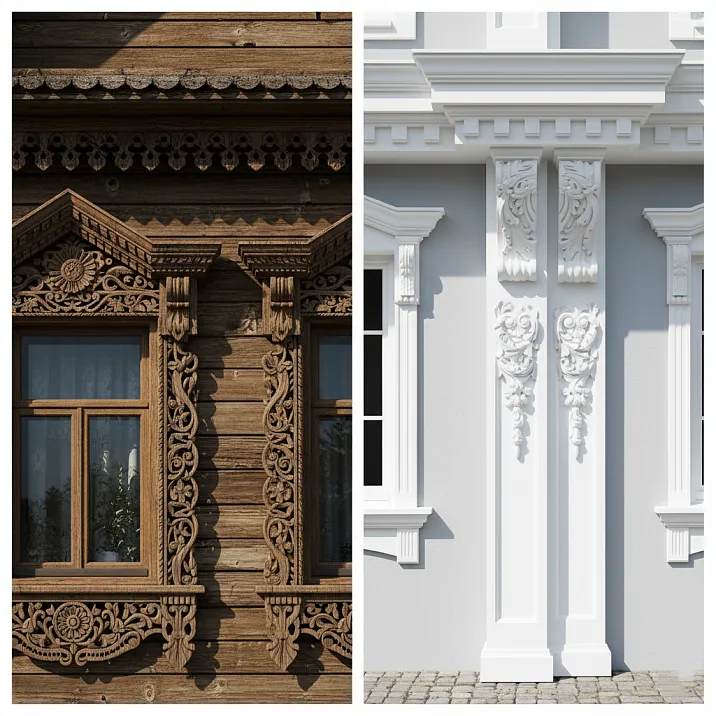
The facade of a house is its face, its business card, the first impression formed by every passerby. It is precisely through the architectural treatment of the exterior walls that a building tells its story, demonstrates the character of its owners, and reflects its connection to cultural traditions. Today, builders and restorers face a challenging task: how to preserve continuity with the multi-century heritage of Russian wooden architecture while simultaneously utilizing modern technological achievements?House CarvingandFacade decoration made of polyurethaneThese represent the two poles of this dialogue — the living tradition of handcrafted artistry and the practicality of innovative materials. How can these approaches not only coexist but also mutually complement each other, creating expressive architectural ensembles? Let’s explore this question in detail.

Historical Role of Wooden Carving in Russian Architecture




Origins of Wooden Ornamentation
The tradition of decorating dwellings with carved elements on the territory of Rus extends back to deep antiquity, to pre-Christian times. The earliest mentions of carved decoration on houses date to the 10th-11th centuries, when Slavic tribes adopted certain techniques from the Varangians and Scandinavian seafarers, but reinterpreted them in accordance with their worldview. While among northern peoples carving was predominantly ornamental and adorned ships, on Rus it acquired a profound symbolic meaning, becoming a unique language of communication with higher powers.
Wood was the most accessible building material on the vast Russian territories covered by forests. Wooden architecture reached unprecedented heights — from simple peasant cottages to majestic churches and princely palaces. At the same time, wood was perceived not merely as a building material, but as a living substance connecting man with nature. Carving into wood became a means of animating the dwelling, transforming a simple log structure into a protected space filled with meaning.
Archaeological findings and written sources indicate that in medieval Rus there already existed entire dynasties of carvers, passing down their craft from generation to generation. Each region developed its own stylistic features, but the common symbolic foundation remained unified for all Russian culture.Carved Facadewas not merely decoration, but a complex system of signs, protective charms, and wishes for prosperity.
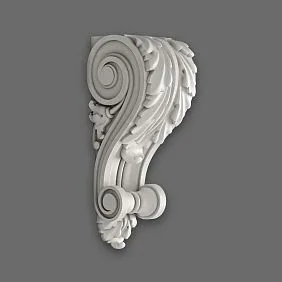
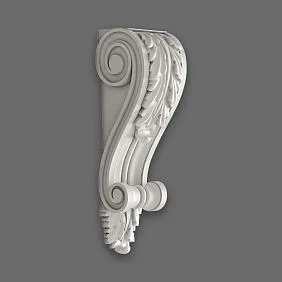
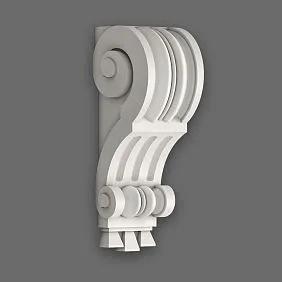
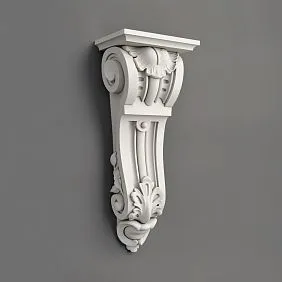
Our factory also produces:


Functions and Meaning of Carved Decoration
Why did our ancestors spend so much time and effort on decorating their homes with carving? To a modern person, this may seem merely an aesthetic whim, a desire for beauty. But for people of the past, carved decoration performed numerous important functions, far beyond mere ornamentation.
First and foremost, house carving served as a protective charm. Slavs believed that the house was a microcosm, a small universe that needed to be protected from the intrusion of dark forces. Windows and doors were considered the most vulnerable points through which evil could enter. That is why window casings and door portals were especially richly decorated. Each carving element had a protective function: solar symbols repelled darkness, plant ornaments invoked fertility, zoomorphic figures served as guardians of boundaries.
Social function also held great importance. The richness and quality of carved decoration were used to judge the status of the homeowner, his wealth, and his position in the community. The home of a wealthy peasant or merchant could be adorned with complex compositions requiring the work of an experienced master. Simpler peasant cottages contented themselves with a more modest, yet mandatory minimum of protective symbols.
The informational function of carving allowed one to "read" the house as a text. An experienced person could determine from the character of ornaments when the dwelling was built, who lived in it, and what the family’s occupation was. Wedding motifs indicated a newly formed family, abundance of solar symbols — reverence for certain traditions, plant compositions — the household’s agricultural activities.
Finally, the aesthetic function madewooden carvinga true art. Masters created genuine masterpieces, where technical perfection combined with artistic expressiveness. The rhythm of repeating elements, the play of light and shadow in deep grooves, the elegance of lines — all this transformed an ordinary house into a work of folk architecture.
Get Consultation
The Golden Age of House Carving in the 19th Century
The golden age of house carving fell to the 19th century, especially its second half. It was precisely during this period that the tradition of decorating wooden houses reached its highest development, regional schools with recognizable styles emerged. Volga cities — Gorodets, Balakhna, Nizhny Novgorod — were renowned for lavish Baroque carving with abundant plant motifs. Northern regions — Archangel’s and Vologda Governorates — preferred stricter geometric carving with ancient symbols. Siberian cities developed their own tradition, combining Russian motifs with influences of Eastern cultures.
The Industrial Revolution, paradoxically, contributed to the flourishing of house carving. The appearance of mechanical tools — fretsaws, milling machines — allowed for faster and larger-scale production of carved elements. The development of railways ensured the distribution of ready-made decorative elements, which could be ordered from catalogs. Entire guilds and workshops emerged, specializing in the production of carved decoration.
At the same time, mechanization did not eliminate handcraft. On the contrary, outstanding carvers gained the opportunity to focus on complex, unique works, while standard elements were produced by machine. A system emerged in which mass and elite production complemented each other.
The movement of "Russian style" in the second half of the 19th century exerted a special influence on the development of house carving. Architects and artists turned to national roots, striving to create a unique direction in art. Monuments of ancient Russian architecture, ornaments of peasant cottages, wooden churches of the North were studied. Elements of folk carving penetrated into the architecture of urban mansions, public buildings, exhibition pavilions. House carving, once a peasant craft, became an acknowledged direction of decorative art.
Wooden Carving: Images, Symbolism, and Stylistics
System of Symbols and Signs
The language of house carving is a complete sign system, where each element carries deep meaning. Understanding this symbolism allows one not merely to admire the beauty of carved decoration, but to read the messages embedded within it.
Solar symbols occupied a central place in carved decoration. The sun was depicted as a circle with radiating rays, rosettes, swastikas (an ancient symbol of the sun’s movement across the sky). These signs were placed on the upper part of the facade, on gables, above windows. The sun symbolized life force, light, warmth, protection from dark forces. The gable roof itself symbolized the sun’s path — sunrise and sunset, morning and evening.
Water symbols were also present everywhere. Wavy lines, rows of drops, zigzags indicated rain — the source of fertility. These signs were usually placed below solar symbols, reflecting the natural order: the sun in the sky, rain falling down to the earth. Without water, life is impossible, and Slavic agrarian culture accorded great importance to the water element.
Earth symbols were embodied in rhombuses, squares, intersecting lines. A rhombus with a point in the center denoted a sown field, a square — the earth itself, the nurturing mother. These signs most often adorned the lower parts of window casings, window sills, indicating the connection of the house to the earth on which it stood.
Plant motifs — tree of life, grapevine, flowers, leaves — symbolized the life force of nature, fertility, renewal. The tree of life was often depicted in the central part of the window casing as a vertical axis connecting heaven and earth. The grapevine with clusters signified abundance and family prosperity.
Zoomorphic images included birds, horses, snakes, dragons. Birds acted as intermediaries between heaven and earth, symbols of the soul, messengers. A rooster on the roof ridge drove away dark forces with its crow, heralding dawn. The horse symbolized the sun, strength, movement. Snakes and dragons, despite negative associations in Christian tradition, often appeared in folk symbolism as guardians, protectors of boundaries.
Techniques of Execution
Carved Facadecould be created using various techniques, each providing its own visual effect and suited for specific tasks.
Relief carving created a three-dimensional pattern on a solid background. The craftsman selected wood around ornamental elements, making them protrude. This technique was also called "ship's" or "blind" carving and required high skill. Relief carving created a rich play of light and shadow, patterns appearing especially expressive under side lighting. This technique was used to decorate strong elements — friezes, cornices, and lintels of massive houses.
Openwork (perforated, lace-like) carving created a through pattern, like wooden lace. The background was completely removed, leaving only the ornament. This technique gained wide popularity with the advent of fretsaws, allowing rapid cutting of complex patterns. Openwork carving gave houses lightness and airiness, especially beautiful when viewed from the side. Used for cornices, friezes, and openwork lintels.
Applied carving was a combination of the two previous techniques. Openwork elements were placed on a contrasting solid background, creating a multi-layered composition. This approach added additional volume and expressiveness, allowing the use of different wood species in one composition. Applied carving became especially popular in the second half of the 19th century.
Contour carving is the simplest technique, where the pattern is created using shallow grooves. Used for inscriptions, simple ornaments, and additional detailing in other carving styles.
Sculptural carving created three-dimensional figures — horse-heads on roofs, posts shaped like figures, and mascarons (decorative masks). This technique required not only technical skill but also artistic talent, the ability to work with volume and proportions.
Regional characteristics
Russia's territory is vast, and in different corners of it,House Carvingit acquired its unique characteristics, reflecting local conditions, available materials, and cultural influences.
Volga carving was distinguished by particular richness and baroque ornamentation. Gorodets and Balakhna masters created complex compositions with plant scrolls, grape clusters, and fantastical creatures. Primarily, deep blind relief carving was used, creating dramatic chiaroscuro. The lintels of Volga houses amazed with their richness of detail — every element was meticulously worked down to the finest details.
Northern carving, characteristic of Archangel's, Vologda's, and Karelian governorates, was distinguished by greater strictness and archaic forms. Here, the oldest symbols were preserved — solar signs, geometric patterns dating back to pagan times. Carving was often flatter and linear, emphasizing the building's structural elements. The harsh northern climate required massive constructions, and carving here did not overload the facade but delicately complemented it.
Siberian carving formed under the influence of various cultures — Russian, Turkic, Chinese. Eastern motifs — dragons, lotuses, complex line interweavings reminiscent of Arabic patterns — were encountered here. At the same time, the Russian foundation was preserved — constructive logic, traditional facade elements. Siberian carving was distinguished by exceptional care in execution and abundance of details.
Ural carving represented a blend of northern and Volga traditions. Here, both geometric and plant motifs were used, intricately interwoven into a single composition. Ural masters were renowned for their ability to work with hard wood species — larch and cedar — enabling the creation of especially durable and clear carved elements.
Polyurethane facade decoration: modern possibilities
Material of the new era
Polyurethane is a synthetic polymer material that revolutionized architectural decoration in the second half of the 20th century.Facade decoration made of polyurethaneIt provided architects and builders with a tool combining ease of processing, durability, and affordable cost. What is this material, and why has it become so popular?
Polyurethane is obtained through a chemical polymerization reaction, during which a porous structure with closed cells forms. The material's density can vary widely — from very light polyurethane foams to dense, almost solid compositions. For facade decoration, medium- and high-density polyurethane is used, offering an optimal weight-to-strength ratio.
The main advantage of polyurethane is its resistance to atmospheric effects. The material does not fear moisture, does not absorb water, does not swell or deform when wet. The operating temperature range is impressive — from minus 60 to plus 80 degrees Celsius. This means thatfacade decorative elementsmade of polyurethane withstand both Siberian frosts and southern heat equally well.
Ultraviolet radiation, destructive to many materials, does not exert a destructive effect on quality polyurethane. Special additives protect the polymer from photodegradation; the material does not fade or become brittle in sunlight. This is especially important for southern regions with high solar exposure.
Polyurethane's biological resistance is also high. The material does not rot, does not develop mold, mildew, or moss. Wood-boring insects, the bane of wooden structures, pose no threat to polyurethane. Rodents also show no interest in it. This ensures long-lasting decoration without the need for protective treatments.
The mechanical strength of modern polyurethane is comparable to that of hard wood species. The material withstands significant loads and impacts without crumbling or breaking. At the same time, it retains a certain elasticity, allowing it to compensate for building temperature deformations without forming cracks.
Production technology and variety of forms
Architectural decorationPolyurethane is produced by casting into molds. This technological process opens unique opportunities for reproducing the most complex ornaments and reliefs.
The process begins with creating a master model — the original decorative element. The model can be hand-carved, molded from clay or plasticine, machined using CNC, or printed on a 3D printer. A mold is then taken from the master model — usually silicone or polyurethane, rarely plaster. The mold reproduces all details of the original with precision down to fractions of a millimeter.
A liquid polyurethane composition is poured into the prepared mold. During the chemical reaction, the mass foams, filling all the finest recesses of the mold, then hardens. The curing time depends on the size of the item and the composition of the material, usually ranging from several minutes to an hour. After removal from the mold, the item undergoes finishing — removal of flash, sanding, and if necessary, priming.
The main advantage of the casting technology is the ability to create any desired complexity of forms. Deep recesses, intricate openwork, fine details that would require hundreds of hours of manual labor in wood can be reproduced in polyurethane in mere minutes. At the same time, each item is identical to the previous one — no variations in size, no deviations in pattern.
The range of polyurethane decoration is extremely wide. For facade decoration, cornices of various profiles and sizes, moldings for dividing wall surfaces, window and door lintels, keystone stones, brackets and consoles, balustrades, columns and half-columns with capitals and bases, pilasters, gables, rosettes, cartouches, rusts for building corners, window sills, and sashings above openings are produced.
A special category —facade elementsimitating traditional wooden carving. Manufacturers have created collections reproducing characteristic motifs of wooden carving: carved window surrounds, cornices with plant ornaments, friezes with traditional symbols. When properly painted, these elements visually indistinguishable from wooden counterparts, but last much longer and require no maintenance.
Installation and operation
Installation of polyurethane decoration is much simpler than mounting heavy plaster or stone elements. The lightweight material allows working without lifting equipment, special tools, and large crews. In most cases, two people and a standard toolset are sufficient.
Mountingfacade decorationis installed using a combined method — adhesive and mechanical fastening. Special polyurethane adhesives provide reliable bonding to various substrates — concrete, brick, plaster, wood, metal. For additional fixation of large and heavy elements, self-tapping screws or anchors are used, which are then masked with putty.
Joints between elements are filled with elastic sealant, which compensates for thermal expansion and prevents moisture ingress. After installation, seams are sanded to create the impression of a monolithic surface. With proper installation, it is impossible to determine where one element ends and another begins.
Operation of polyurethane decoration requires no special effort. The material does not need regular painting, impregnation with protective compounds, or restoration. It is sufficient to periodically clean the surface from dust and dirt with water and a mild detergent. Even after decades, the decoration retains its original appearance, does not deform, does not crack, and does not lose relief detail.
Polyurethane elements can easily be painted with acrylic, latex, or silicone paints if needed. This allows changing the facade’s color scheme, updating the building’s appearance without dismantling the decoration. Painting also provides additional protection against UV radiation and imparts the desired surface texture — matte, glossy, stone-like, or metallic.
Material Comparison: Objective View
Durability and Resistance
The question of durability is critically important for facade decoration, which is subjected to constant exposure to aggressive external environments. HowHouse Carvingmade of wood andpolyurethane decorperform over time?
Wood is a living material that reacts to changes in humidity and temperature. Wood absorbs moisture, swells, then shrinks upon drying. Cycles of wetting and drying inevitably lead to cracking, warping, and loss of shape. Thin carved elements are especially vulnerable — they may split along fibers or break off. This does not mean that wooden carving is short-lived — with proper treatment and regular maintenance, it can last for decades. There are houses with carved decoration over a hundred years old. But this requires constant attention and timely maintenance.
Biological threats to wood are also real. Fungi, mold, and wood-boring insects can seriously damage carved elements. Particularly vulnerable are areas where moisture accumulates — lower parts of cornices, horizontal surfaces, ends of elements. Protective treatment with antiseptics is necessary, but over time, it loses effectiveness and requires renewal.
Polyurethane is free from these problems. It does not change dimensions with humidity fluctuations, does not warp, does not crack. Biological agents pose no threat. The material does not require periodic treatment with protective compounds. Manufacturers estimate the service life of quality polyurethane decoration at 30–50 years without loss of performance. In practice, this means that once installed, the decoration will serve the entire lifespan of the building without needing replacement.
However, there is a nuance: polyurethane is afraid of open flames. In a fire, it melts and releases toxic substances. Wood also burns, but charred wood forms a protective layer that slows flame spread. In this regard, wood has an advantage, although for facade decoration, this factor is not critical — in a serious fire, the entire building suffers, not just decorative elements.
Weight and Load on Structures
The mass of decorative elements — a parameter that directly affects their usability, installation complexity, and requirements for load-bearing structures.
Wooden carving, especially made from dense woods — oak, beech, larch — has significant weight. A large carved cornice may weigh 15–20 kilograms, a carved window surround several meters long — 30–40 kilograms. In this case, the center of gravity is often shifted forward relative to the mounting point, creating a significant torque. Installing heavy wooden elements requires secure fastening, often using through bolts, studs, and strong brackets.
For restoring old buildings with weakened walls, installing heavy carved decoration may be problematic. Reinforcement of load-bearing structures is required, which complicates and increases the cost of work. When constructing a new house, heavy facade decoration is included in the project, and the load on walls and foundations is calculated.
Polyurethane decoration is 5–10 times lighter than wooden decoration of the same dimensions. An element weighing 20 kilograms in wood weighs only 2–4 kilograms in polyurethane. This fundamentally changes the approach to installation. Lightweight elements can be mounted using adhesive without additional mechanical fastening. The load on walls is minimal, which is especially important for frame houses, insulated facades, and buildings on weak foundations.
Transportation and storage are also significantly simplified. Polyurethane elements can be transported in a car, lifted to height without a lift, and installed by one or two people. This reduces labor costs and speeds up installation.
Care and Maintenance
Current costs for maintaining decoration in good condition — an important component of total ownership cost.
Woodenfacade carvingrequires regular attention. Every 3–5 years, protective coating — varnish, paint, oil — must be renewed. Before applying a new coating, the old one must be partially removed, the surface sanded, and treated with antiseptic. This is labor-intensive work, especially for carved elements with complex relief — every recess, every swirl must be carefully treated with a brush.
In case of damage — cracks, chips, rot — restoration is required. Minor defects can be filled with wood putty and repainted. Serious damage may require replacing the element or hiring a restoration carver, which is expensive. Preventive inspections are recommended annually, especially after winter, to promptly identify problems.
Polyurethane decoration practically requires no maintenance. It does not need regular painting — a single coat retains its appearance for many years. It is sufficient to wash the decoration with water under pressure once every year or two to remove dust and dirt. No antiseptics, impregnations, or varnishes are required.
Damage to polyurethane is rare and usually associated with mechanical impact — impact, careless handling during repair. Minor chips are easily repaired with polyurethane adhesive or putty. In the worst case, the damaged element is simply replaced — removing the old and installing the new takes just a couple of hours.
From an economic standpoint, the low operating costs of polyurethane often outweigh the higher initial cost of quality wooden carving. Over 20–30 years of operation, the cost of regular maintenance of wooden decoration may exceed the cost of the decoration itself.
Combining Materials on One Facade
Principles of harmonious combination
Modern architectural decoration does not imply rigid "either-or" rules. Instead, a rational combination ofhouse carvingandpolyurethane elementsallows using the advantages of both materials, creating expressive and practical facade compositions.
The key principle of combining materials is using each material where it exhibits its best qualities. Wood is ideal for elements with direct contact: porch railings, door frames, lower parts of window sills. The tactile sensation of touching natural wood, its warmth, and living texture create a special comfort. Moreover, these elements are relatively easy to maintain and replace if necessary.
Polyurethane is optimal for high-positioned elements that are difficult to access: eaves under the roof overhang, fronton decoration, upper parts of window sills. Here, durability without the need for regular maintenance is important. Polyurethane is also preferable for areas exposed to intense moisture: lower wall sections, foundation elements, gutter decoration.
Stylistic unity is ensured by thoughtful selection of ornaments. If wooden elements are executed with traditional house carving motifs, polyurethane details should either repeat these motifs or be neutral, not conflicting with the overall concept. The "rich and simple" principle works well: complex wood carving on main elements (sills, porches) combines with simpler polyurethane decoration on secondary areas.
Scale compatibility is also important. Elements made of different materials must match each other in size, proportions, and profile thickness. Abrupt transitions from heavy wooden details to thin polyurethane (or vice versa) create disharmony. It is better to maintain close parameters or build a clear hierarchy with smooth transitions.
Practical solutions for different types of buildings
For a log or timber wooden house, it is logical to use predominantly wooden decoration, complementing it with polyurethane elements where practically justified. For example, main sills, window casings, and cornices — made of wood, in the style of house carving. Decorative rosettes on frontons, eave profiles, small applied elements — made of polyurethane, painted to resemble wood. This solution preserves the authenticity of wooden architecture while reducing operational costs.
For brick or stone houses in "Russian style," one can create a composition where wooden elements are used as accents — carved window sills, porch overhangs, decorative inserts. The main volume of decoration — eaves, pilasters, rustication at corners, moldings — is executed in polyurethane. This creates an interesting contrast of textures: smooth plastered walls, warm living wood carving on windows, crisp profiles of polyurethane decoration.
For modern frame houses or buildings with ventilated facades, using heavy wooden decoration may be problematic due to load restrictions. Here, polyurethane takes precedence. However, fully synthetic decoration may appear cold. The solution — using small wooden elements: carved appliqués on doors, decorative consoles at entrances, balusters of balcony railings. These small details do not create critical load, but introduce the warmth of natural material.
For restoring historical buildings, the approach must be especially delicate. If original carved elements are preserved, they should be restored and preserved as monuments. Lost details can be restored either in wood (more authentic, but expensive) or in polyurethane (more practical, cheaper). With professional execution, polyurethane copies, properly painted and patinated, are practically indistinguishable from wooden originals and can be installed even on cultural heritage sites.
Color solutions and decorative techniques
Painting wooden elements
Color solutionof carved facadecan radically change the perception of the building. Wood provides wide opportunities for various painting and toning techniques.
Natural appearance with transparent protective coating highlights the natural beauty of wood. Texture, growth rings, grain become part of the decorative effect. For outdoor use, special facade lacquers with UV filters and biocidal additives are used. They protect the wood without hiding its structure. One can choose matte, semi-gloss, or glossy finish depending on desired effect.
Toning preserves the visible wood texture but changes its color. Oil or water-based stains provide a rich palette of shades: from light honey to deep wenge. One can enhance inexpensive pine by giving it the color of walnut or padauk. The toned surface is then covered with transparent lacquer for protection. This technique allows harmonizing wooden elements with the overall facade color scheme.
Covering paint completely hides the wood texture, creating a uniform colored surface. For facades, acrylic, alkyd, or oil-based paints with high weather resistance are used. White color creates a classic, solemn appearance, associated with noble estates. Pastel tones — cream, blue, green — are characteristic of provincial architecture of the 19th century. Bright colors — red, blue, yellow — are used in folk traditions, especially in the North.
Patination creates an effect of noble antiquity. A base layer of paint (often dark) is covered with a contrasting second layer (usually light), which is then partially worn away, revealing the lower color on raised parts of the relief. This creates an effect of wear, as if the decoration has been in service for many years. Patination looks especially striking on complex relief carving, emphasizing depth and detail.
Gilding is the most luxurious finishing technique. Real gold is rarely used due to high cost. More commonly, patina (an imitation of gold made from a copper-zinc alloy) or special gold paints are applied. Gilded elements create accents, drawing attention to the most important decorative details. Gilding can be full or selective — only on raised parts of the ornament.
Working with polyurethane
decorative polyurethane elementsare usually supplied white, ready for painting. This provides complete freedom in choosing the color solution.
Mass painting implies selecting paint of the same color as the main facade surface. Decoration becomes unified with the background, standing out only through relief and play of light and shadow. This technique creates restrained elegance, characteristic of neoclassical architecture. It is used on buildings where overall harmony is important rather than bright accents.
Contrasting painting highlights decoration by color. Classic combinations — white decoration on dark facade or dark on light. This emphasizes architectural divisions, making the composition more readable. Contrasting elements visually structure the facade, create rhythm, and guide the viewer's gaze.
Material imitation is a common technique for polyurethane. Special paints allow creating convincing wood imitation with visible texture. Metallic coatings transform polyurethane into something resembling bronze, copper, or patinated metal. Stone texture imitates granite, marble, sandstone. With professional execution, it is possible to distinguish imitation from original only upon close inspection.
Multi-layer techniques create complex decorative effects. The base layer sets the main tone, the second layer creates depth, the third — accents on raised elements. One can add metallic sheen, pearl finish, aging effect. Such complex coatings require skill, but the result is impressive — polyurethane decoration becomes a work of art.
Patination and aging effect
For buildings aiming for historical style, it is important to create the impression that decoration has been in service for many years. Artificial aging — patination — solves this task.
Dark wax technique creates an effect of dirt and dust accumulation in the recesses of the relief. Dark wax is applied to the painted surface and rubbed into the recesses. Raised parts remain light, while recesses darken. This creates a natural aging effect, as dirt accumulates in hard-to-reach areas.
Dry brush technique involves lightly brushing raised parts of the relief with a nearly dry brush and light paint. The paint settles unevenly, creating an effect of wear and fading, typical of decorations long exposed to sun and rain.
Crackle effect creates an imitation of paint cracking over time. A special lacquer is applied between paint layers; as it dries, it contracts and forms a fine crack network. The effect is enhanced if contrasting pigment is rubbed into the cracks. This results in a very realistic depiction of old, repeatedly repainted decoration.
Artificial rust is created on elements imitating metal. Special compositions based on real metallic dust oxidize to form natural patina. One can create noble green patina of "old copper," brown rust of iron, or lead-colored tarnish.
It is important to maintain moderation in patination. Excessive aging appears artificial and刻意. The decoration should appear not as if decaying from age, but as gracefully aged, having acquired the charm of time.
Preserving the spirit of tradition with new materials
Philosophy of the modern approach
How to maintain a connection with cultural heritage using modern materials and technologies? This question stands before anyone who turns to traditional styles in architecture.House CarvingIt is not merely a set of decorative elements, but a holistic worldview, reflecting the connection between man and nature, cosmos, and cultural roots.
Modern construction operates under different conditions. Time, budgets, requirements for durability and practicality dictate their own rules. It is impossible and impractical to fully replicate past technologies. However, it is necessary and possible to preserve the spirit of tradition, its aesthetics, symbolism, and emotional impact.
Architectural decorationUsing modern materials - not deception or forgery, but adaptation of tradition to new realities. Polyurethane elements reproducing motifs of wooden carving make traditional architectural beauty accessible to a broader range of builders. Not everyone can afford a master carver’s work, but everyone can decorate their home with decor reflecting cultural heritage.
It is important to distinguish form from essence. Form - specific ornaments, execution techniques, materials - may and should evolve. Essence - striving for beauty, harmony, connection with tradition, respect for craftsmanship - remains unchanged. A house decorated with polyurethane elements in the style of wooden carving, when professionally executed, is no less "traditional" than a house with wooden carving. What matters is not the material itself, but the meanings and emotions it carries.
Recommendations for practical application
For those who have decided to decorate their home in the traditions of Russian wooden architecture, it is important to follow certain principles to ensure a harmonious and stylistically consistent result.
Studying tradition is the first step. It is worthwhile to become familiar with examples of historical wooden carving, understand the logic of element placement, ornament symbolism, and proportions. Numerous resources - books, museum collections, architectural reserves - provide rich material. Understanding tradition will help avoid stylistic errors and create a truly beautiful, not kitschy, solution.
A sense of proportion is necessary in decoration. Abundant carved decoration is characteristic of wealthy merchant homes, but even there it was placed thoughtfully, with hierarchy observed. Main elements - window casings, porch - were decorated most richly. Secondary areas received more modest decoration. A modern house should not become a museum display - a few expressive accents will create a greater effect than total coverage of the facade with decorative elements.
Proportional correspondence to the building's scale is critically important. Large carved elements, suitable for large houses, will overwhelm a small structure. Conversely, small decoration will be lost on a large facade. The size of ornamental details must correspond to the building's overall dimensions, floor height, and window size.
Color harmony unifies scattered elements into a cohesive composition. Even if different materials are used, a properly chosen color scheme creates unity. Classic combinations - white decoration on a colored facade, natural wood with white walls, monochromatic solutions with accents - have been tested over time and always work.
Quality of execution determines the final result. It is better to use fewer decorative elements, but of higher quality, properly installed and painted, than to cover the facade with cheap decoration featuring poor detailing and careless installation. QualityFacade Decorationwith clear relief, correct proportions, professional installation will create the impression of true craftsmanship, regardless of the material.
Practical examples and solutions
Window decoration
Window casings are the most noticeable and symbolically significant elements of wooden carving. Windows were regarded as the "eyes" of the house, requiring special protection. Modern window decoration can follow traditions, adapting them to new conditions.
For wooden houses, the classic solution is carved casings from solid wood. The upper part (kokošnik) receives the most elaborate decoration with solar symbols. The side parts (lопатки) are adorned with vertical ornamentation. The lower part (sill board) may be simple or feature horizontal patterns. Such casings are custom-made to window size or assembled from pre-made elements.
For stone or brick houses, a combined solution can be used: the main casing frame from polyurethane, strong and durable, and decorative overlays from carved wood. This creates an interesting multi-layered effect and allows leveraging the advantages of both materials.
Fully polyurethane casings - a practical solution for modern buildings with many windows. Manufacturers offer collections imitating traditional carving. With proper selection and painting, they create a convincing impression of wooden decoration. The advantage is that all windows receive identical casings, which is important for the facade's compositional unity.
Entrance zone decoration
The entrance group is the house's calling card, a place where decoration can be especially rich. The awning above the entrance, carved porch posts, and door decoration create a grand portal.
The traditional solution involves a carved porch with wooden posts adorned with applied carving or shaped like sculptural balusters. The awning is supported by carved brackets, and the front board (front panel) is decorated with delicate carving. The door is framed by an elaborate casing with plant motifs. Such a solution requires craftsmanship and budget, but creates a unique image.
A combined variant uses polyurethane elements for the awning and cornice (they are high up and exposed to weather), and wooden elements for posts and door decoration (they are tactile). A balance of practicality and aesthetics.
Modern interpretation may predominantly use polyurethane, but with thoughtful design referencing traditions. Pilasters with capitals containing vegetal motifs, cornice with modillions, rosette above the door with solar symbol. Modern material, but the decorative language — traditional.
Fronton and cornice decoration
The upper part of the facade — the fronton and cornices — were traditionally decorated most richly, as they were associated with the celestial sphere.
Carved frieze (chimney) under the roof eaves — a classic element of house carving. It can be openwork, pierced through, or relief, with deep carving. The frieze visually lightens the massive roof, creating a rhythmic pattern. For a wooden house, this is an ideal element in solid wood. For a modern building, it makes sense to use polyurethane — lightweight, not creating load on the eaves, requiring no maintenance.
The fronton may be decorated with a central rosette with a solar symbol, vertical elements (posts, pilasters), side finishes (chimneys). Combination of materials is possible: main structural elements in wood, applied decoration in polyurethane.
Building cornices — horizontal profiles separating the wall from the roof — serve both practical (water runoff from the wall) and decorative functions. Polyurethane is optimal for them: lightweight, moisture-resistant, easy to install. One can choose a profile stylistically matching the overall solution — from simple classical to ornate.
Conclusion
The dialogue between tradition and modernity in architectural decoration does not imply a 'either-or' choice.House Carvingwood andFacade decoration made of polyurethane— not competitors, but partners, each with their own strengths. Natural wood carries the warmth of living material, connection to nature, charm of handcrafted work. Polyurethane offers durability, practicality, accessibility, and the ability to realize any forms.
The modern approach consists in using the best of both worlds. Wooden elements where tactile contact, live texture, and authenticity matter. Polyurethane elements where durability, lightness, and resistance to external influences are critical. With professional design and quality execution, combining materials creates harmonious facades that preserve the spirit of traditional architecture while meeting modern life’s requirements.
It is important to remember that decoration is not an end in itself, but a means of creating an expressive, individual architectural image. The facade of a house tells a story, expresses character, and creates an emotional atmosphere.decorative elements— words of this architectural language. The richer and more precise the vocabulary, the more interesting and profound the story.
STAVROS Company offers a wide range of both traditional wood carving and modern polyurethane decoration. Professional consultants will help select elements matching your project’s style, combining different materials into a harmonious composition. The quality of products, precision of execution, and thoughtfully designed collections allow implementing projects of any complexity — from a modest cottage to a luxurious mansion. By drawing on traditions and leveraging modern technologies, one can create a home that becomes a true architectural masterpiece.