Article Contents:
- From ancient times to the present
- Primitive roots
- History in ancient civilizations
- Industrial Revolution and Mechanization
- Modern times and contemporary era
- Connection with nature and earth
- Symbol of power and wisdom
- Path and journey
- By purpose
- By wood species
- By processing method and decoration
- Tourism and active recreation
- Sports and martial arts
- Decorative and interior solutions
- Daily life and practical tasks
- Determine the purpose of use
- Assess the quality of wood
- Select length and thickness
- Historical reconstructions
- Eco-design
- Artistic carving
- Garden sculpture
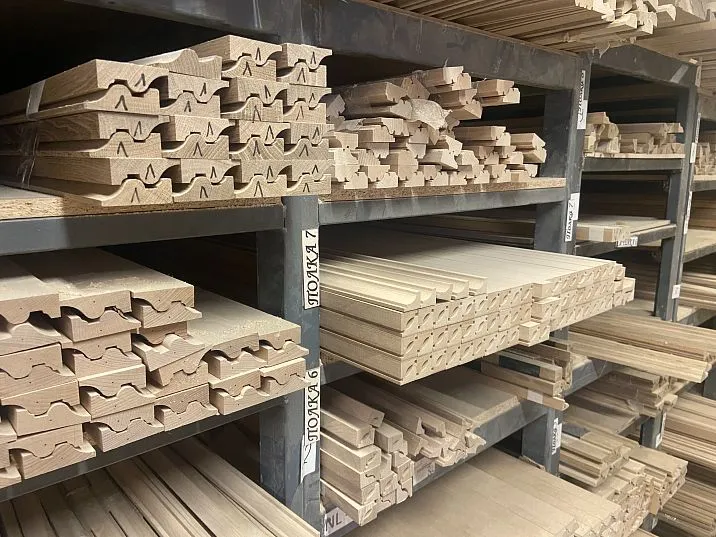
Wood is one of the oldest materials with which humans learned to work. From it, they built dwellings, made tools, household items, weapons, and, of course, sticks of various lengths and shapes. Over time, the functional purpose of wooden items changed, but their value and versatility remained unchanged. One of the interesting and multifaceted items islong wooden stickAt first glance, this is a simple object, but behind it lies a multi-century history, rich symbolism, and a vast range of applications in the modern world.
In this article, we will examine the role that long wooden sticks played in different cultures and eras, how they are used today, and why interest in them has not waned despite technological progress. The text will be useful to anyone interested in history, who loves natural materials, and is seeking inspiration for new ideas in decoration, sports, tourism, and creativity.


From ancient times to the present




Primitive roots
Scientists and archaeologists believe that humans began using long wooden sticks even in deep antiquity, long before the advent of writing. In the wild nature, the stick was an important survival tool: it served for defense against predators, hunting animals, and gathering fruits from high branches. Such a "primitive" stick could be burned at the end or sharpened with stone, transforming into a spear or club.
Over time, woodworking skills improved, and the stick gradually acquired additional functions. Early humans learned to select wood with the required hardness and flexibility, remove bark and branches, and give the blank a smooth cylindrical shape. Thus, the first rudiments of specialized tools and weapons emerged, which were no longer just broken branches.
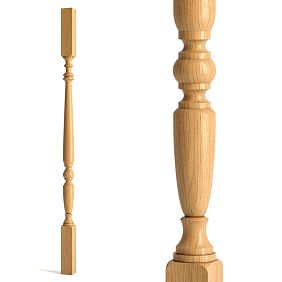
Our factory also produces:



History in ancient civilizations
In ancient Egypt, Greece, and Rome, long wooden sticks played different roles. They could serve as staffs for shepherds and travelers, be used in warfare or rituals. For example, in ancient martial arts, wooden poles were often used to train agility and strength. At the same time, priests and rulers used carved staffs as symbols of power and wisdom.
● Egyptian staffs. Some pharaohs had staffs adorned with gold and precious stones, demonstrating their divine nature. These staffs were passed down through generations, serving as symbols of the continuity of power.
● Greek and Roman spears. Although the metal tip was the key component, the shaft was made of wood. High-quality, strong, yet relatively lightweight wood (usually beech) provided the spear with the necessary strength and ease of use in battle.
● Shepherd's staffs. In rural areas, long sticks helped shepherds guide herds and protect animals from wild beasts. Over time, such a staff acquired a cult and religious significance, including in Christian tradition.
Get Consultation
Middle Ages and the Renaissance
In the Middle Ages, long wooden sticks were necessary for pedestrian travelers and pilgrims. They served as support on the road and could be used as the simplest weapon for self-defense. Among knights and commoners, a wooden stick became a universal item: it could be taken by nobles and peasants alike.
● Pilgrim's staffs. Traveling monks, pilgrims, and travelers always carried a long stick to ease long journeys. This item helped maintain balance on mountain trails and marshy areas, protected against stray dogs and wild animals.
● Combat poles. In some European martial schools (for example, in France and England), there were techniques of fighting with poles. Strikes, blocks, and throws using a long stick trained warriors, developing their strength and agility.
Symbolism of power. In ceremonial processions of nobility and clergy, long staffs and canes with carving and inlays emphasized the high status of the owner.
Modern times and contemporary era
With the development of firearms, the military use of long sticks diminished, yet they continued to remain popular in civilian life. In the 18th–19th centuries, wooden canes became a fashionable accessory for the aristocracy, and in the 20th century, wooden staffs entered sports and tourism.
Todaylong wooden stick Experiencing a kind of renaissance, thanks to the return to natural materials, eco-style, and interest in historical traditions. People value the ecological and aesthetic qualities of wood, as well as its durability and versatility.
Cultural symbolism of a long wooden stick
Connection with nature and earth
Wood has long symbolized life, growth, fertility. A long stick made from a single solid piece embodies this connection between humans and nature, reminding us that we are part of a larger ecosystem. Many spiritual practices and religious rituals include the use of wooden staffs or canes, intended to emphasize the connection with the earth and divine forces.
Symbol of power and wisdom
In various cultures, the staff served as a symbol of status and authority. Kings, bishops, and priests used wooden staffs adorned with carving, gold, and stones. Today, similar ceremonial objects can be seen in religious processions, university ceremonies (the rector's staff), or theatrical productions, where they evoke past grandeur and traditions.
Path and journey
The traveler with a staff is an image found in folklore, literature, and cinema across various countries. A long stick symbolizes the road, the search, the spiritual path. Heroes traveling across the world rely on their staff not only physically but also metaphorically, finding support and confidence in their endeavors.
Varieties of long wooden sticks
By purpose
- Walking canes. They assist during long walks or journeys. The optimal length is chosen based on the person's height and physical condition.
- Combat staffs and canes. Used in martial arts (e.g., kung fu, kobudo, European stick fencing schools). Such a stick must possess certain strength and flexibility.
- Sports equipment. In gymnastics, track and field (pole vaulting), and other sports, wooden sticks of various lengths are often used. They help develop coordination, strength, and agility.
- Tourist sticks. Despite the popularity of metal and composite trekking poles, many still prefer wooden versions for their naturalness and tactile qualities.
- Decorative and ceremonial. Long sticks adorned with carving, engraving, and other decorative styles are used as interior design elements, accessories for historical reenactments, or symbols of authority.
By tree species
● Oak. Renowned for its strength and durability. Long oak sticks can serve for decades, retaining an attractive appearance.
● Ash. Characterized by elasticity and uniform structure, which is important for combat staffs and sports sticks. Ash effectively dampens vibrations and withstands impact loads.
● Beech. Easy to work with, has a pleasant light tone. Beech sticks are ideal for artistic carving and decoration.
● Pine and spruce. Accessible and common species, though softer. Suitable for decorative purposes and as supports for plants in the garden.
● Exotic species (teak, wenge, padauk). Used less frequently due to high cost. Items made from exotic species look striking and last long, but require special care.
By method of processing and decoration
● Smoothly sanded sticks. Considered the most versatile and convenient for everyday use. Suitable for trekking, walking, and sports activities.
● Carved sticks. Adorned with patterns, ornaments, and narrative images. Can serve as ceremonial accessories or decorative elements in interior design.
● Burned and painted. Allow artistic designs to be realized by applying ornaments or paintings onto the wood surface.
● Lacquered or oiled. Protective coating extends the lifespan of the item and gives it a special sheen, highlighting the wood's structure.
Spheres of application of a long wooden stick in the modern world
Tourism and active recreation
- Hiking. Many tourists choosea long wooden stick as an alternative to metal trekking poles. Natural material feels more pleasant to the touch, does not clang on stones, and with proper length selection provides excellent support on uneven terrain.
- Scandinavian walking. Although classic poles for Scandinavian walking are made of aluminum or carbon, wooden variants also exist. They have their own aesthetics and often attract lovers of traditional materials.
- Camp equipment. In tourist camps, a long pole can be useful for setting up a tent, hanging clothes, gathering firewood, or as an improvised campfire spit.
Sports and martial arts
- Kung Fu and Kobudo. In Chinese martial arts, the staff (bo) is an important weapon that helps develop strength, coordination, and movement fluidity. In Japanese Kobudo, there are also various techniques for fighting with poles (bo, jō, hanbo).
- European schools. Historically, in Europe, there were systems of fighting with long poles (quarterstaff in England, bâton in France). Today, these traditions are being revived in the formats of historical reenactments and sports sections.
- Gymnastics and acrobatics. Long poles can be used in circus performances, to develop balance and strengthen core muscles.
Decorative and interior solutions
- Crown moldings and curtain rods. Wooden crown moldings give interiors a cozy and natural feel. Particularly relevant for country, Provence, or Scandinavian minimalist styles.
- Partitions and stands. Long poles can be used as decorative partitions in a room, for example, in a loft style. They not only divide space but also create an interesting visual effect.
- Art objects. Artists and designers often use wooden poles to create sculptures, installations, and unconventional furniture items (plant stands, lamps, etc.).
Daily Use and Practical Tasks
- Support for garden plants. In gardening, long wooden poles help support tomatoes, legumes, flowers, and grapevines. They allow plants to grow vertically without breaking under the weight of fruit.
- Auxiliary household use. Sometimes a pole is used as a simple tool for cleaning, for example, when harvesting fruit from tall trees or clearing paths through thickets.
- Storage system. Several long poles, mounted horizontally, can be turned into a clothes or towel rack. This is especially practical in country cottages and eco-style interiors.
How to choose the right long wooden pole
Determine the purpose of use
The first step is to understand exactly what the pole is needed for. If it’s for hiking, then lightness and optimal length are important. For martial arts, a pole made of stronger woods (oak, beech) is required, capable of withstanding impacts and loads. If decorative use is planned, softer woods (pine, spruce) with attractive grain and more affordable price can be preferred.
Assess the quality of the wood
● Visual inspection. Ensure there are no large knots, cracks, or signs of rot on the pole. Ideally, the wood structure should be uniform.
● Straightness. Place the pole on a flat surface or roll it across the floor to check for any warping.
● Seasonal drying. A quality pole is made from well-seasoned wood. If the wood is not properly dried, the item may deform over time.
● Finish. Lacquer, oil, or wax protects the wood from moisture and mechanical damage. Ask the seller what finish was used and whether it is safe for health (especially if skin contact is planned).
Select length and thickness
The ideal pole length depends on the user’s height and specific application. For trekking or walking, the optimal height is usually slightly above waist level, to comfortably rest the pole. For martial arts, it ranges from floor to eye level or slightly higher, depending on the style. The thickness should allow comfortable grip with one hand, while still being sufficient for strength.
Care and storage of long wooden poles
- Regular cleaning. Wipe the pole with a dry or slightly damp cloth to remove dust and dirt. Avoid aggressive cleaning agents that may damage the protective finish.
- Refresh the finish. If the pole is subjected to intensive use (combat, tourism, frequent contact with water), it is advisable to renew the lacquer, oil, or wax layer once a year. This will extend its service life and maintain its attractive appearance.
- Avoid extreme conditions. It is not recommended to leave the pole in direct sunlight, under rain, or near heaters. Sudden temperature and humidity changes may cause cracks or deformation of the wood.
- Store vertically. If the pole is not in use, it is better to store it vertically, resting on the floor, or hang it horizontally to avoid warping under its own weight.
Creative Approach: Ideas and Inspiration
Historical Reconstructions
History enthusiasts and reenactors often create authentic costumes and equipment, including staffs and poles, corresponding to a specific era.long wooden stick It can be adorned with carvings, metal inlays, leather wrappings to accurately convey the spirit of the medieval or ancient periods.
Eco-Design
In modern interiors, where minimalism and natural materials prevail, a long stick can become a stylish decorative element. It can be placed in a corner of the room, decorated with garlands, dried flowers, or used to hang photographs and notes. Such an 'art object' will add coziness and natural warmth to the home.
Artistic Carving
If you are passionate about wood carving, a stick is an excellent 'canvas' for creativity. You can carve complex ornaments, patterns, stylized after folk art. The result will be a unique item capable of becoming a family heirloom or an original gift.
Garden Sculpture
In landscape design, long wooden sticks are used to create garden sculptures and compositions. Several sticks of different heights, arranged in a certain order, can form an unusual installation, giving the plot individuality. Sticks can be painted in bright colors or left in their natural state.
Ecological Aspects and the Future of Wooden Products
In today's world, where environmental pollution is becoming an increasingly urgent problem, many consider choosing wooden products as an environmentally responsible solution. Wood is a renewable resource, provided that forestry is managed properly. However, it is important to pay attention to product certification (FSC, PEFC), which guarantees that the wood was obtained legally and without harm to the ecosystem.
Long wooden sticks, like other natural materials, are easily recyclable and do not harm nature after their service life. At the same time, the lifespan of quality products is very long: with proper care, they can be passed down from generation to generation, preserving their functionality and beauty.
Looking to the future, it can be assumed that interest in wood will only grow. People are drawn to naturalness, to returning to roots, to surrounding themselves with things that have history and soul.long wooden stick — a bright example of an item that, remaining simple in form, carries deep cultural and historical value.
Conclusion
A long wooden stick is much more than just a piece of wood. It combines a rich history, cultural symbolism, and practical utility. In ancient times, it helped people survive, served as a symbol of power and spirituality, and in the modern world, it does not lose its relevance. From hiking and sports to interior design solutions and decorative installations — everywhere, a long wooden stick can show its best side.
Its value lies not only in functionality, but also in its connection to nature, respect for centuries-old traditions, and the pursuit of an ecological lifestyle. That is why many people, despite the abundance of modern materials, choose wooden products. They remind us that we are part of a world in which wood has been and remains a source of warmth, coziness, and beauty.
If you have decided to purchase or make yourselfa long wooden stickremember that the quality of the wood and proper care will ensure its long life. And attentive care for the history and culture associated with this simple, yet meaningful, item will allow you to feel the depth and richness of traditions that wood carries over millennia.