Article Contents:
- Ecological Philosophy as the Foundation of New Design
- Natural Wisdom in Urban Space
- Reinterpreting Traditional Materials
- Technological Harmony: Intelligence Without Demonstration
- Invisible Architecture of Comfort
- Climate Technologies of the Future
- Color Psychotherapy in Interior Design
- Scientific Approach to Emotional Impact
- Therapeutic Color Combinations
- Tactile Symphony of Textures
- Sensory Diversity as the Foundation of Comfort
- Innovative materials of the future
- Architecture of Emotions: Forms That Create Mood
- Organic Geometry in Interior Design
- Sculptural Furniture as an Art Object
- Multifunctionality as the Art of Adaptation
- Transformable Ecosystems
- Hidden Systems for Maximum Efficiency
- Culinary Laboratory of Modernity
- High-Tech Gastronomic Space
- Ecosystem of Rational Consumption
- Bedroom as a Sanctuary of Recovery
- Science of the Ideal Rest
- Integration of Wellness Technologies
- Bathroom as a Personal Spa
- Hydrotherapy at Home Level
- Natural Materials in Extreme Conditions
- Children’s Spaces: Design for Future Geniuses
- Developing Environment of Scientific Approach
- Safety Through Innovative Design
- Home Office in the Age of Digital Nomadism
- Psychology of a productive space
- Professional's technological ecosystem
- Lighting as mood direction
- Architectural light of a new dimension
- Decorative lighting as art
- Acoustic design: the art of creating silence
- Sound ecology management
- Therapeutic soundscapes
- Aromatic design: olfactory architecture
- Personalized aromatic compositions
- Natural aromatherapy
- Personalization as the highest art of design
- Interior as autobiography in objects
- The art of eclectic combination
- Conclusion: Design as an Investment in Quality of Life
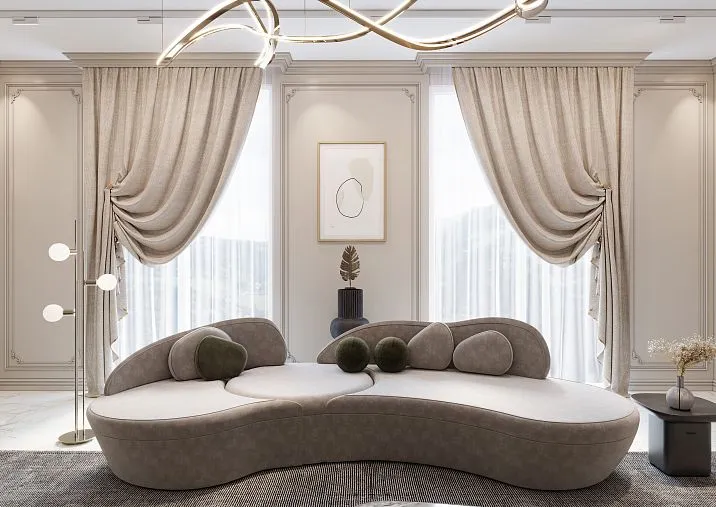
When we step through the threshold of home, do we want to enter a banal space copied from fashion magazines? Or does our soul crave something greater — a unique atmosphere that reflects our essence and grants true inspiration? Current interior design trends for 2025 address exactly this need of modern people for personalized, meaningful space.
The design industry is undergoing a true metamorphosis. The times of superficial beauty have passed — today, every element of interior design must carry deep meaning and functional load. This is a revolution not of forms, but of philosophy: modern home becomes an extension of the owner’s personality, their refuge from the chaos of the outside world and a source of daily inspiration.


Ecological philosophy as the foundation of new design




Natural wisdom in urban space
Biophilic design is transforming from a trendy fad into a vital necessity. Scientific research irrefutably proves: integrating natural elements into living space dramatically improves mental and physical health. Living plants become not mere decoration, but functional elements for air purification and humidity regulation.
Vertical gardens evolve into complex biotechnical systems. Automated irrigation systems, integrated plant condition sensors, specialized LED lighting with full spectrum — all this turns a living wall into a real living laboratory. Such installations can absorb carbon dioxide, release oxygen, and even neutralize toxic substances from the air.
Aquaponic systems find application in elite interiors, where decorative aquariums become part of a system for growing fresh greens. Fish provide nutrients for plants, while plants purify water — a closed cycle demonstrating nature’s harmony in domestic settings.
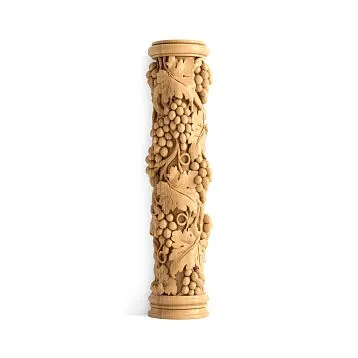
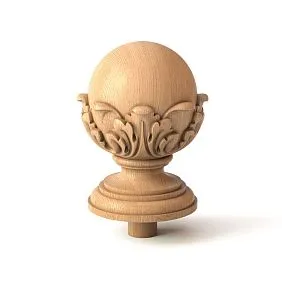
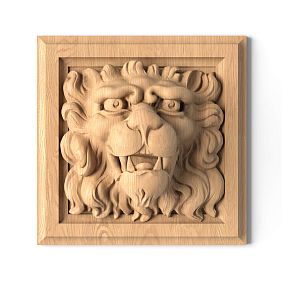
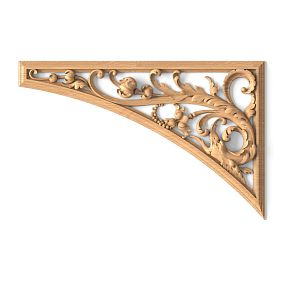
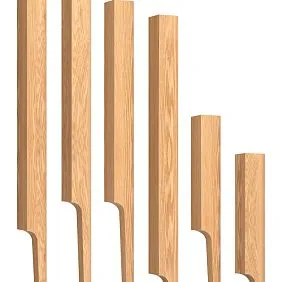
Our factory also produces:





Reimagining traditional materials
Natural wood acquires a new sound through innovative processing techniques. Thermomodification, brushing, smoking — these methods not only improve the performance characteristics of wood, but also create unique visual and tactile effects. Each board becomes an artwork with its own pattern and character.
Natural stone is used not as a symbol of luxury, but as a source of energetic balance. Travertine, with its porous structure, creates a special microclimate, absorbing excess moisture and releasing it when needed. Slate, with its distinctive layered textures, brings into the interior a sense of geological power and stability.
Get Consultation
Technological harmony: intelligence without demonstration
Invisible architecture of comfort
Smart home systems have reached a new level of integration, becoming an organic part of architecture. Sensor control panels are disguised as works of art, voice assistants are embedded into ceiling structures, and projection systems transform ordinary walls into interactive surfaces.
Artificial intelligence analyzes resident behavior patterns, anticipating their needs and creating a personalized atmosphere. The system can recognize when the homeowner returns from work exhausted, and automatically create a relaxing environment: dim the lights, play relaxing music, activate aromatherapy.
Future climate technologies
Adaptive climate control systems take into account not only temperature preferences, but also the biological rhythms, activity levels, and even emotional states of occupants. Sensors analyze sleep quality, stress levels, physical activity, and adjust microclimate parameters for optimal well-being.
Air purifiers are integrated into architectural elements, operating silently and efficiently. Ionizers embedded in ventilation grilles create an atmosphere comparable to seaside or mountain air.
Color psychotherapy in interior design
Scientific approach to emotional impact
Current interior design trends for 2025 include revolutionary discoveries in color psychology. Mocha Mousse — Pantone’s Color of the Year — is a complex chocolate-brown shade that activates pleasure centers in the brain at a neurophysiological level.
This color possesses unique therapeutic properties: it reduces cortisol levels in the blood, stabilizes blood pressure, and improves attention concentration. In interiors, Mocha Mousse creates a sense of security and stability, which is especially important during unstable times.
Ochre — a warm yellow-brown shade — stimulates serotonin production, a natural antidepressant. This color is especially effective in workspaces and creative workshops, where maintaining high motivation and creativity is crucial.
Therapeutic color combinations
Various muted greens are used as tools of color therapy. Sage tones activate the parasympathetic nervous system, promoting deep relaxation. Coniferous tones stimulate regeneration and recovery processes, making them ideal for bedrooms and relaxation zones.
Coral shade, combining the energy of red and the warmth of orange, influences oxytocin production — the hormone of bonding and trust. This color creates an atmosphere of friendliness and openness, so it is often used in living rooms and dining areas.
Tactile symphony of textures
Sensory diversity as the basis of comfort
Modern interiors are built on the principle of tactile diversity, which stimulates the sensory system and creates a rich palette of sensations. Decorative plasters with microtextures mimic natural surfaces at the molecular level — from the roughness of tree bark to the smoothness of river pebbles.
Three-dimensional panels create a complex interplay of light and shadow, which changes depending on the time of day and viewing angle. Parametric design allows creating unique geometric patterns that captivate the gaze and create a meditative effect.
Textile textures acquire architectural significance. Bouclé with its distinctive looped structure is not only pleasant to the touch but also possesses excellent acoustic properties. Velvet with deep pile creates a sense of luxury and warmth, while shenille with its shimmering surface adds dynamism to static elements.
Innovative materials of the future
Smart fabrics with changing properties are used in luxury interiors. Thermochromic materials change color depending on temperature, creating living, constantly evolving surfaces. Photochromic fabrics react to light intensity, automatically regulating light flow.
Glass with electrochromic properties allows instant transparency adjustment with a touch on a smartphone. This revolutionizes the concept of privacy in modern interiors, enabling the transformation of open spaces into isolated zones within seconds.
Architecture of emotions: forms that create mood
Organic geometry in interior design
Arched openings are experiencing a true renaissance, but in a new interpretation. Modern arches are not just semicircular openings, but complex mathematical curves based on the principles of the golden ratio and fractal geometry. Such forms are subconsciously perceived as harmonious and calming.
Radius furniture is created using computer modeling that takes into account ergonomic parameters of the human body. Each curve of a sofa or chair is calculated to ensure maximum comfort and proper load distribution on the spine.
Ceiling structures acquire biomorphic forms, imitating natural objects — from sea waves to cloud formations. Such solutions create a sense of movement and dynamism in static space.
Sculptural furniture as an art object
The boundaries between furniture and sculpture are completely erased. Designer chairs become three-dimensional works of art that impress even in non-functional states. Tables transform into architectural installations, and storage systems into spatial compositions.
Multifunctionality as an art of adaptation
Transformable ecosystems
Modern transformable furniture reaches unprecedented levels of complexity. Tables transform into beds with one movement, using innovative mechanisms based on pneumatics and hydraulics. Cabinets conceal fully functional workspaces with integrated lighting and ventilation systems.
Mobile partitions create dynamic spaces that can instantly adapt to various usage scenarios. Glass panels with liquid crystal inserts allow changing transparency levels and even displaying images and videos.
Hidden systems of maximum efficiency
Current interior design trends for 2025 include revolutionary approaches to storage organization. Built-in systems become invisible parts of architecture, integrating into walls using hidden hinges and mechanisms.
Each item receives its specially designed place. Pull-out drawers with automatic lighting and climate control, rotating carousels for corner spaces, lift systems for tall cabinets — technologies make accessing items intuitive and pleasant.
Modern Culinary Laboratory
High-Tech Gastronomic Space
Modern kitchens transform into centers not just for food preparation, but for professional-level culinary creativity. Induction surfaces with precision temperature control enable cooking using molecular gastronomy techniques. Combination steam and convection ovens create ideal conditions for healthy cooking without loss of nutrients.
Su-vid systems are integrated into kitchen islands, allowing cooking at low temperatures over extended periods. This opens new horizons in home cooking, making techniques previously known only to professional chefs accessible.
Ecosystem of Rational Consumption
Smart refrigerators with freshness analysis functions help minimize food waste. Automatic product ordering systems analyze family consumption and generate optimal shopping lists. Integrated composters convert organic waste into fertilizer for indoor plants.
Water filtration systems achieve laboratory-grade purification, removing not only mechanical impurities but also microplastics, heavy metals, and pesticides. This not only improves the taste of water but also contributes to the long-term health of the family.
Bedroom as a recovery sanctuary
Science of the Ideal Rest
Modern bedrooms are designed as high-tech systems for body recovery. Orthopedic mattresses with zonal support adapt to the individual body characteristics of each partner. Smart pillows monitor sleep phases and adjust their firmness to ensure proper head and neck positioning.
Sleep monitoring systems analyze sleep quality and provide recommendations for optimizing routines. Motion, temperature, and humidity sensors create a detailed picture of nighttime rest and help identify factors affecting its quality.
Integration of wellness technologies
Aromatherapy systems create personalized programs for different sleep phases. Lavender for relaxation, eucalyptus for clearing airways, mint for morning awakening — each scent is programmed for a specific time.
Color therapy systems, integrated into lighting, help regulate circadian rhythms. Red light stimulates melatonin production, blue light suppresses it, allowing natural adjustment of sleep and wake cycles.
Bathroom as Personal Spa
Home Hydrotherapy
Bathrooms become centers for hydrotherapy procedures. Deep bathtubs with underwater massage, water ozonation, and mineral additives transform ordinary bathing into therapeutic treatments. Shower cabins with rain shower heads, side jets, and steam generators create comprehensive spa programs.
Compact infrared saunas are integrated into premium-class bathrooms. Precise temperature control, various radiation modes, and aromatherapy make home saunas at least as effective as professional wellness centers.
Natural materials in extreme conditions
Innovative protection technologies allow the use of materials previously considered unsuitable for humid environments in bathrooms. Teak with special nanolube treatment, travertine with hydrophobic coating, bamboo panels with antifungal impregnation — all of this creates a sense of harmony with nature within the technogenic bathroom environment.
Children's Spaces: Design for Future Geniuses
Educational environment based on scientific approach
Children's rooms are designed as developmental laboratories, where every element contributes to intellectual and creative growth. Interactive walls with projection systems turn any surface into an educational tool. Children can draw light pictures, study the starry sky, or travel through historical eras.
Interior-scale modular construction sets allow children to independently organize space, developing spatial thinking and engineering skills. Transformable furniture grows with the child, adapting to their physical parameters and changing needs.
Safety through innovative design
Modern child safety is achieved not through restrictions, but through thoughtful design. Rounded corners are created using flexible polymers that deform upon impact, absorbing energy. Non-slip surfaces integrate microtextures that ensure grip even when wet.
Eco-friendly materials undergo the strictest certification for absence of volatile organic compounds. Special coatings neutralize bacteria and viruses, creating a healthy environment for child development.
Home Office in the Age of Digital Nomadism
Psychology of Productive Space
Remote work has permanently changed requirements for home offices. A modern home office is not just a workspace, but a carefully designed environment for maximum productivity. Ergonomic desks with electric height adjustment adapt to various activities — from computer work to creative sessions.
Workplace lighting considers circadian rhythms and task specifics. Cool white high-intensity light is used for document work, while warm diffused light is used for creative tasks. Automatic control allows creating optimal lighting scenarios without distraction from work.
Technological Ecosystem of the Professional
Video conferencing systems with professional lighting and multi-channel acoustics transform home offices into television studios. Automatic framing, noise suppression, and virtual backgrounds make remote participation in meetings indistinguishable from physical presence.
Biometric access control systems protect confidential information, while activity monitoring systems help maintain a healthy work-life balance, reminding users of the need for breaks and physical activity.
Lighting as Mood Direction
Architectural lighting of a new dimension
Modern lighting systems go far beyond simple functionality. Architectural lighting creates dramatic effects, highlighting material textures and forming an emotional atmosphere. LED technologies allow creating lighting that precisely mimics natural sunlight in all its forms.
Dynamic lighting synchronizes with music, creating immersive audiovisual environments. Systems can simulate the northern lights for meditation, the flicker of a campfire for romantic evenings, bright sunlight for an energetic morning.
Decorative lighting as art
Light fixtures transform into sculptural objects, creating visual accents even when turned off. Organic forms, natural materials, kinetic elements — all of this turns lighting into a full-fledged element of artistic decor.
Interactive lights respond to people’s presence, movements, and sounds, creating a living, responsive lighting environment. Such systems are especially effective in public areas of the home, where lighting becomes part of hospitality.
Acoustic design: the art of creating silence
Sound ecology management
Acoustic comfort becomes an equal element of design. Sound-absorbing materials are integrated into decorative elements unnoticed — special perforated wallpapers, acoustic ceiling panels, upholstery made of sound-absorbing fabrics.
Active noise-cancellation systems create acoustic comfort zones in noisy urban environments. Microphones capture external noise, while speakers generate anti-phase sound waves, effectively neutralizing unwanted sounds.
Therapeutic soundscapes
Spatial sound creates three-dimensional acoustic environments for various activities. Sounds of a tropical forest during yoga, ocean waves for deep relaxation, sounds of city life to maintain work focus — all reproduced with maximum realism.
Personalized sound profiles adapt to individual preferences of each family member. The system can create different acoustic zones within a single room, allowing each person to enjoy their preferred sound atmosphere.
Aromatic design: olfactory architecture
Personalized aromatic compositions
Each area of the home receives its own characteristic aroma, creating an additional level of sensory zoning. Invigorating citrus compositions in the bathroom, relaxing lavender notes in the bedroom, stimulating mint aromas in the home office — all contribute to creating the desired emotional state.
Aromatization systems with programmable diffusers create complex compositions that evolve throughout the day. Morning aromas activate the nervous system, daytime aromas support concentration, evening aromas promote relaxation and prepare for sleep.
Natural aromatherapy
Living aromatic plants become an integral part of the interior. Lavender compositions in the bedroom, mint plantations on the kitchen, rosemary installations in work zones create a natural aromatic atmosphere without using synthetic air fresheners.
Integrating plants with ventilation systems allows spreading their aromas throughout the entire home, creating a cohesive aromatic environment that changes depending on the season and the state of the plants.
Personalization as the highest art of design
Interior as autobiography in objects
Current interior design trends for 2025 emphasize the importance of creating deeply personalized spaces. Collecting becomes not just a hobby, but a way to create unique energy in the home. Climate-controlled display cases, rotating exhibition systems, interactive information panels transform collection displays into a museum experience.
The ability to dynamically change exhibitions allows regularly updating the interior without major changes. Seasonal rotations, thematic exhibitions, new compositions from existing items maintain continuous interest in one’s own space.
The art of eclectic combination
Mixing styles reaches the level of high art. Modern designers create harmonious compositions from elements of various eras and cultures. The key to success is having a unifying concept, whether it be a color palette, materials, or philosophical approach.
Vintage items with history acquire special value as carriers of emotions and memories. Family heirlooms, travel souvenirs, works by local artisans create a unique atmosphere that cannot be replicated.
Conclusion: Design as an investment in quality of life
Current interior design trends for 2025 demonstrate a fundamental shift in understanding the role of design in modern life. Interior design no longer serves merely as an attractive shell but becomes an active participant in our well-being, a tool for maintaining health, and a source of daily inspiration.
Every element of modern interior design, from material selection to space planning, is based on scientific research into the impact of environment on humans. Biophilic design, technological integration, personalization, ecological responsibility — all these principles work synergistically to create spaces that are not only beautiful but also beneficial for physical and emotional health.
It is important to understand that following modern trends does not mean blindly copying ready-made solutions. Each interior should be a unique reflection of personality, lifestyle, and the specific needs of a family. Trends offer directions and tools that can be creatively adapted to individual characteristics.
Creating a modern interior is a complex process requiring deep professional knowledge and rich experience. Understanding perception psychology, knowledge of material properties, ability to integrate complex technological systems, sense of proportion and style — all of this is necessary to create a truly harmonious space.
The future of interior design is a harmonious blend of beauty, functionality, ecological responsibility, and deep care for people. It is spaces that not only impress visually but also actively contribute to the health, creativity, and happiness of their inhabitants.
STAVROS has remained a leader in creating exclusive interior solutions that anticipate trends and set new quality standards. Our team of professionals deeply understands current trends and possesses all necessary competencies to realize the most ambitious design projects, creating spaces that become sources of inspiration and well-being for years to come.