Article Contents:
- Importance of Choosing the Right Furniture Handles
- Materials and their features
- Metal
- Plastic
- Glass and Ceramics
- Wood
- Advantages of wood
- Usage Considerations
- Classic Forms
- Modern Design Solutions
- Orientation Toward Room Style
- Natural Palette
- Lacquer, Oil, Wax
- Wood and glass
- Wood and metal
- Wood and Artificial Finishes
- Regular Cleaning
- Prevention of Damage
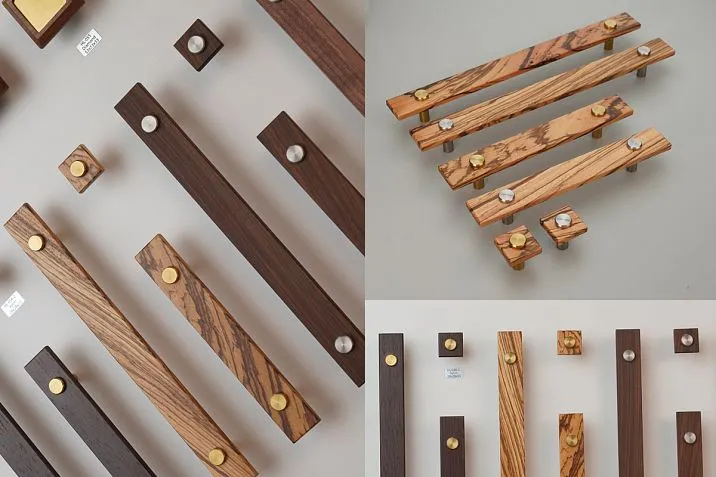
Furniture handles may seem like a minor interior detail, but they give furniture its completeness and character. The design of furniture handles directly affects the overall impression of the furniture set: whether it's a cabinet, a chest, or a kitchen facade. Sometimes, even a small change in handles can transform the appearance of furniture, making it look more expensive, modern, or, conversely, emphasizing its vintage charm.
One of the most popular options for those who value eco-friendliness and warm texture isWooden handlesIndeed, wood has remained one of the most noble materials for centuries, harmonizing well with both classic and modern interiors. Let's examine the specifics of furniture handle design in detail and learn how to choose this element appropriately for various styles and purposes.


Importance of Properly Selected Furniture Handles
Many people think that handles are merely functional devices that allow convenient opening of doors and drawers. However, from a design perspective, proper hardware can:
- Highlight the style: in a classic interior, elegant curved handles are appropriate, in a loft — metallic ones that emphasize an industrial ambiance, and in Scandinavian or minimalist styles, they look greatWooden handleshighlighting naturalness.
- Create accents: if the furniture body is in neutral tones, unusual or color-contrasting handles can become a striking element.
- Improve ergonomics: it is important that the handle is comfortable to grip, does not slip, and its size corresponds to the facade dimensions.
Sometimes, it is precisely through furniture and small hardware that we express our individuality. Therefore, designers and manufacturers never stop experimenting, offering a wide variety of shapes, materials, and shades.




Materials and Their Features
To better understand handle design, start with materials. Indeed, the choice may depend on style, budget, requirements for practicality and durability.
Our factory also produces:


Metal
● Advantages: metal handles (brass, steel, aluminum) are resistant to mechanical damage, durable, and easy to clean.
● Disadvantages: in some cases, metal may appear 'cold' or not fit into a warm interior palette. With poor coating, metal may dull or rust.
● Where it is applied: ideal for modern styles — high-tech, loft, minimalism. Brass and bronze also suit classic furniture sets.
Get Consultation
Plastic
● Advantages: lightness, low cost, vast variety of shapes and colors.
● Disadvantages: the material wears out faster, may look cheap in inappropriate surroundings, and is less resistant to heavy loads.
Where it's used: budget projects, temporary furniture, as well as in children's rooms, where bright plastic handles shaped like toys are often chosen.
Glass and ceramic
● Advantages: decorative, look great in vintage, country, or Provence interiors. Glass handles often create light reflections, ceramic ones — a handmade effect.
● Disadvantages: fragility, the cost of some decorative types may be high, especially if it's hand-painted.
● Where it's used: classic or romantic settings, styled sets in the country or shabby chic style, as well as retro or art deco.
Wood
● Advantages: warm tactile feel, eco-friendliness, universal aesthetics.Furniture Handles Solid wood handles easily fit into many styles — from classic to scandinavian. Moreover, wood can be painted, patinated, or varnished in various shades to achieve a unique look.
● Disadvantages: require careful maintenance (not all species are moisture-resistant), may absorb odors and dirt if the finish is improperly chosen.
● Where it's used: especially popular in Scandinavian, eco, country, and Provence styles. In classic furniture, wooden handles are used as carved elements with stain or varnish.
Why wooden handles are gaining popularity
Today, there's a growing trend toward eco-friendliness and 'warm' materials, soWooden handles people increasingly choose them for kitchens, bedrooms, children's rooms, and living areas. Natural wood helps create a cozy atmosphere and feel connected to nature, even in urban apartments.
Moreover, solid wood handles can serve as standalone decorative elements if they have unusual shapes, textures, or carved patterns. For example, in a minimalist interior, such hardware can become a 'highlight' without overloading the space with unnecessary details.
Advantages of wood
- Aesthetics: each wood species has a unique grain and tone — oak, beech, ash, walnut, etc.
- Restorability: in case of scratches or scuffs, the surface can be sanded and re-coated with varnish or oil.
- Comfort: wooden handles feel significantly more pleasant to the touch than cold metal or plastic.
- Style versatility: you can choose ultra-modern geometric shapes or classic carved models.
Usage considerations
To ensure that the product meets your expectations (whether budget or premium segment), compare available species, profiles, mounting methods, consider the room’s humidity conditions, load level, and desired style. Choose a reputable supplier who will provide you with accurate material parameters and reliable logistics.Furniture Handles Wooden handles last a long time — it's important to choose the right finish (varnish, oil, wax) depending on usage conditions. For example, for kitchens or bathrooms, it's better to choose special moisture-resistant compositions. Wet cloths and aggressive cleaning agents can damage wood, so you need to care for such handles carefully, using soft cloths and gentle cleaning agents.
Shapes and stylistic solutions
The most interesting aspect of furniture handle design is the variety of shapes. Depending on the furniture style and homeowners' preferences, you can choose a model that becomes an accent or, conversely, blends seamlessly into the overall look.
Classic shapes
● Hooks: U-shaped handles attached with two screws. Universally applicable, suitable for almost any facade.
● Buttons: small round or square elements attached at a single point. Often found in classic, country, or Provence styles.
● Rails: elongated metal (or wooden) bars, convenient for large drawers and doors.
Modern design solutions
● Inset handles: models that do not protrude above the facade surface — practical for minimalist interiors.
● Integrated: recesses in the facade or wooden overlays forming the handle. Sometimes it blends with the door edge and is not noticeable at first glance.
● Geometric experiments: triangles, hexagons, sculptural handles imitating natural forms (branch, leaf). Such elements become true art objects.
Orientation toward room style
● Classic, art deco: handles can be decorated with carving, brass inlays, or imitation of aged bronze. Wooden elements can be combined with brass or ceramic.
● Loft: rugged metallic handles, sometimes with worn surfaces, rough cast iron; however, wooden or combined variants are also possible if you want to add warmth to the interior.
● Minimalism, scandi: simple forms and natural textures. Such styles perfectly suitWooden handles smooth geometric shapes without excessive details.
● Country, Provence: wood with an aged effect, carved decoration, pastel and whitewashed tones.
Color solutions and finishing
Color and finish selection often plays a decisive role in choosing furniture hardware. Even if the material is the same (for example, oak), shades can vary from light beige to rich walnut.
Natural palette
● Light tones: beech, birch, ash, or oak with whitewashing. Suitable for Scandinavian style, Provence, and light classic styles.
● Dark wood: wenge, walnut, stained oak. Adds elegance to furniture and can contrast with light facades.
● Aged effect: patina, brushing (texture highlighting), artificial wear. Useful for vintage projects or styles close to shabby chic.
Lacquer, oil, wax
● Lacquer: forms a hard protective film, can be glossy or matte, allows easier care of wooden surfaces.
● Oil: penetrates into the wood structure, preserves the natural appearance and "living" texture, gives a soft sheen. Such treatment needs to be refreshed periodically.
● Wax: gives a velvety surface and protects against moisture, but also requires regular care.
When choosing a finish, consider how intensively the handles will be used (for example, handles on kitchen cabinets are touched more often than those on living room cabinets), and how important it is to preserve the natural texture.
Trends in furniture handle design
Interior design is changing, and so is hardware. Several main directions in handle design are observed:
- Geometric shapes: simplicity of lines and clear contours, inspired by Scandinavian and Japanese minimalism.
- Eco-oriented:Wooden handles from responsible sources, use of recycled materials, natural oil instead of synthetic lacquers.
- Metal with a "vintage" effect: aged brass, copper, bronze. Often metal is combined with wood, resulting in interesting combined models.
- Integrated and hidden solutions: absence of protruding elements to preserve the overall facade appearance.
Also emerging are handles created using 3D printing or laser cutting, allowing for complex patterns and unusual textures. However, even in such high-tech cases, wood remains highly valued — it can be combined with metal, glass, or plastic inserts.
Practical Tips for Selection
To buyFurniture Handles and not make a wrong choice, consider several important points:
- Handle size: for large facades, handles should be proportionate in length or diameter; otherwise, they will be inconvenient to use, and the design balance will be disrupted.
- Style of the entire space: if you are decorating the entire apartment or house in one style, it is better to choose handles that harmonize well in all rooms. At the same time, you can slightly vary the shapes or shades for different zones.
- Color palette: handles can either continue the facade color palette (tone-on-tone) or create a striking contrast (light facades — dark handles).
- Grip shape: before purchasing, it is better to hold the handle in your hand, check how comfortable it is to grip and pull, and whether it will scratch your hand.
- Fastener quality: pay attention to screws and bolts. The fastening must be secure, otherwise the handles will quickly loosen. This is especially important for kitchen and children's furniture.
If possible, bring a sample of the facade or at least a high-resolution photo of the furniture to compare shades and style on-site.
Combination of wooden handles with other materials
Wood is a universal material. It easily "gets along" with both natural textures (stone, ceramic) and high-tech solutions (glass, metal). An interesting effect is achieved by combining a wooden handle with a metallic trim or insert. Such a contrast of textures looks stylish and emphasizes the individuality of the interior.
Wood and glass
● Ideal for light, bright interiors. Transparent or matte glass inserts in kitchen or wardrobe facades complement the warm tones of wood.
● It is important that the wood grain pattern is not too active, otherwise it will "conflict" with the glass patterns.
Wood and metal
● Classic mix, common in loft and modern styles. Wood softens the harshness of metal, while steel or brass adds elegance.
● Choose metal by color: a cold chrome surface harmonizes better with light wood, while brass suits darker and more saturated wood species.
Wood and artificial finishes
● Sometimes handles are covered with special plastic or acrylic film to protect the solid wood from damage and moisture while preserving the texture.
● Choose high-quality finishes that won't bubble or flake over time.
Installation and Maintenance
Installing hardware usually does not cause difficulties. The main thing is to have accurate markings so that screw holes are drilled precisely in the right places. Otherwise, the handle will be crooked or you will have to redo the facade.
Regular cleaning
● Wood: wipe with dry or slightly damp soft cloth, without aggressive cleaning agents. If necessary, use specialized chemicals for wooden surfaces.
● Metal: polish with a microfiber cloth; for removing grease stains, use a mild soap solution.
● Composite materials: if the handle combines several materials, choose a product safe for all components (or clean each section separately with the appropriate cleaner).
Damage Prevention
● Avoid impacts and excessive loads on the handle — if you hang your entire body weight on it, the mounting may crack.
● In rooms with high humidity (kitchens, bathrooms), choose models with more protected surfaces.
● If the wood has started to dull, you can refresh the finish with oil or wax, previously lightly sanding the surface with fine-grit sandpaper.
Conclusion
Design of furniture handles — a detail capable of significantly influencing the overall perception of the interior. From minimalist simplicity to refined classicism, from strict metal to soft wood — the choice is vast. However, preciselyWooden handles today occupy a special place: their popularity is growing in the context of ecological trends and the desire for coziness. They carry the warmth of natural material, versatility of finish, and stylistic universality.
To buyFurniture Handles and be satisfied with the result, you must consider not only beauty but also practicality: grip comfort, finish quality, compatibility with facades. If everything is thoughtfully planned, such a seemingly minor detail will become a striking accent and a true decoration of your furniture.
In the end, handles are a kind of "point of contact" between a person and furniture. Every time we open a door or drawer, we touch them. Therefore, it is pleasant when this contact provides aesthetic pleasure and comfort, and the appearance matches the overall style of the room. Perhaps, it is precisely the new hardware that will breathe new life into the interior and highlight your taste.