Article Contents:
- 1. Role of wooden board baseboard in interior design
- 1.1. Functional significance
- 1.2. Decorative significance
- 2.1. Wood species
- 2.2. Grade and processing
- 2.3. Shape and design
- 3.1. Preparation for installation
- 3.2. Fastening materials and tools
- 3.3. Installation stages
- 3.4. Installation tips
- 4.1. Harmony with wall and floor finishes
- 4.2. Coordination with flooring
- 4.3. Decorative solutions
- 4.4. Integration with lighting and furniture elements
- 5.1. Advantages
- 5.2. Possible drawbacks
- 6.1. Regular cleaning
- 6.2. Periodic Treatment with Protective Agents
- 6.3. Microclimate control
- 6.4. Repair of damage
- 7.1. Market analysis
- 7.2. Company reputation and experience
- 7.3. Product range and customization options
- 7.4. Delivery conditions and warranty service
- 8. Conclusion
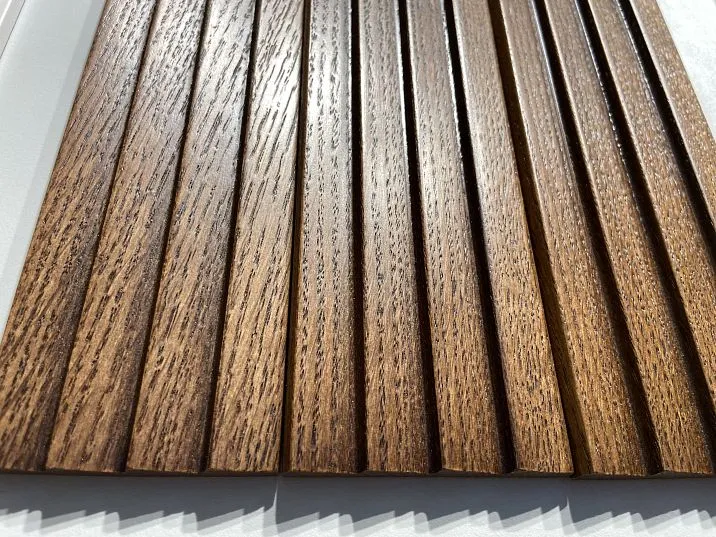
Natural wood has long been a symbol of coziness, warmth, and quality. It can transform any space, adding a unique charm and aesthetic. One of the most important finishing elements in interior design iswooden board baseboard, which not only neatly covers the junction between wall and floor, but also serves as a decorative accent, highlighting the individuality of the interior.
In this article, we will consider everything related to wooden board baseboard: its purpose, types, selection features, installation technology, coordination with other finishing materials, and care tips. You will learn how to properly use this element to create a harmonious interior, how it can enhance your home’s design, and what nuances to consider when selecting and installing it.






1. The role of wooden baseboard in the interior design
Our factory also produces:
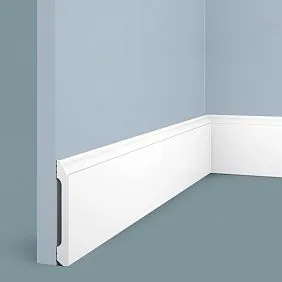
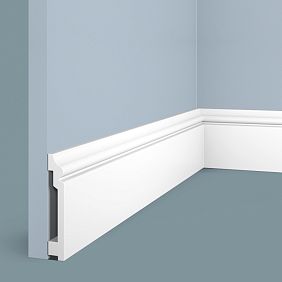
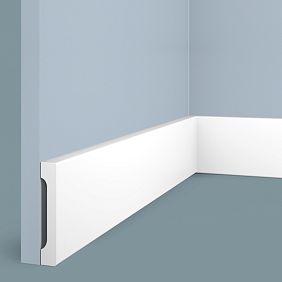
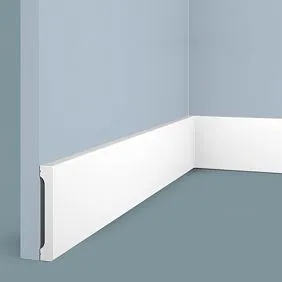
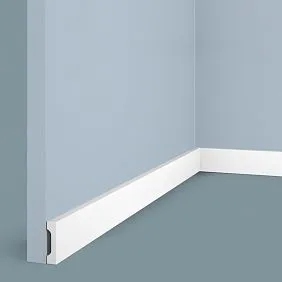
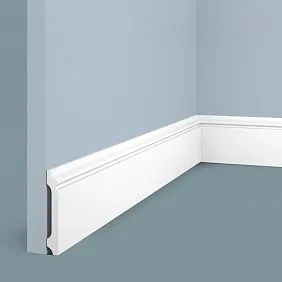

1.1. Functional Value
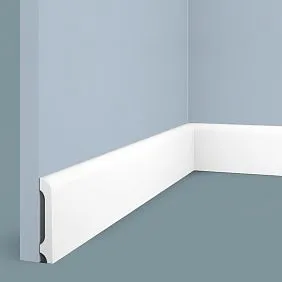
A wooden baseboard made of board siding performs several important functions in the interior:
● Conceals joints and unevenness. When walls are clad with board siding, small gaps may remain between panels and between the wall and floor. The baseboard allows elegantly covering these joints, making transitions smooth and unnoticeable.
● Protection against damage. The baseboard protects the lower part of walls from impacts, scratches, and other mechanical damage that may occur during the use of the room.
● Aesthetic finishing. The baseboard is a decorative element that emphasizes the overall style of the interior. It can serve as an accent, drawing attention to the junction line, and also creating a finished look for the room.
Get Consultation
1.2. Decorative Value
The aesthetic component of wooden board siding baseboard is no less important than its functional characteristics. Natural wood has a unique texture and warm color palette, which gives the interior a special elegance. Using a baseboard made in a style consistent with the board siding cladding creates a unified image, where all interior elements harmoniously complement each other.
The baseboard can be made in different styles and finishes — from classic models with carved patterns to modern minimalist solutions. Such a wide range of options allows selecting an item that perfectly fits the interior concept, whether it's an elegant living room, a stylish bedroom, or a functional office.
2. Types and Materials: What to Know When Choosing
2.1. Wood Species
When choosing wooden board baseboard It is important to consider the type of wood from which it is made. Each type has its advantages:
● Spruce.
This is one of the most common materials due to its accessibility and natural light color. Pine baseboard is easy to process and well matches most types of finishes. However, it requires regular protection from moisture and ultraviolet exposure.
● Pine.
Spruce baseboard is distinguished by its smooth texture and neutral tone, making it versatile for various interior styles. It is often used in modern interiors where preference is given to minimalism and light tones.
● Larch.
Larch is known for its high strength and resistance to moisture. Such a baseboard is ideal for rooms with high humidity, such as bathrooms or saunas. Its rich texture and warm tones give the interior a solid and distinctive character.
● Oak.
Oak baseboard is a premium-class option. It is characterized by dense structure, rich color, and expressive wood grain pattern. This material is used in luxury interiors where not only functionality but also the aesthetic value of each finishing element is important.
● Cedar.
Cedar baseboard has a unique aroma that not only pleases but also has a calming effect. It is resistant to rot and insects, making it ideal for rooms with high humidity.
2.2. Grade and Processing
The quality of the baseboard directly depends on the wood grade. The higher the grade, the fewer knots, cracks, and other defects are in the material. For rooms where a flawless appearance is required, it is better to choose a baseboard of the highest grade (e.g., "Extra" or "A"). In budget projects, materials of grade "B" can be used, although this may affect the overall aesthetic of the finish.
Processing of the material also plays an important role. The baseboard can be supplied either in a "raw" state, requiring independent processing (sanding, painting, or varnishing), or already processed. Ready-made items save time and effort, but it is important to ensure that the coating corresponds to the conditions of use. Varnished and oil-based coatings protect wood from moisture, dust, and mechanical damage, and also highlight the natural texture.
2.3. Shape and Design
The appearance of the baseboard may vary depending on the selected profile:
● Classic rectangular baseboard.
This is the most popular option, which easily combines with various interior styles. It can be smooth or with decorative elements along the edges.
● Carved models.
A baseboard with carved patterns adds special elegance and sophistication to the interior. This option is ideal for classic interiors, where attention to detail is valued.
● Modern and minimalism.
For modern interiors, choose sleek, clean lines without unnecessary embellishments. Such items create an effect of neat finishing and emphasize the overall concept of minimalist design.
● Combined variants.
Sometimes the baseboard may have a combined design, where smooth and carved elements are combined. This allows achieving an interesting visual effect and drawing attention to certain areas of the room.
3. Installation Technology of Wooden Board Siding Baseboard
3.1. Preparation for Installation
Before installation, surfaces must be thoroughly prepared:
● Wall cleaning and leveling.
Walls must be clean, free of dust, dirt, and old finishes. If irregularities exist, they should be corrected using plaster or spackle. A smooth surface ensures neat baseboard installation.
● Substrate and ventilation.
It is important to create the correct substrate, especially when installing wall paneling. There should be a small gap between the wall and baseboard to allow air circulation and prevent condensation buildup.
● Material acclimatization.
Before installation, wood must adapt to the room’s conditions. Leave the baseboard in the room for at least 2–3 days to equalize its moisture content with the surrounding environment.
3.2. Fasteners and tools
For installation wooden board baseboard The following tools are used:
● Construction level and square for checking installation alignment.
● Tape measure and marker for precise measurements and marking.
● Screwdriver or hammer depending on the chosen fastener.
● Fasteners: screws, nails, or clips.
● Wood glue for additional fixation (if required).
The choice of fasteners depends on the surface type and usage conditions. For example, decorative-headed screws can be used indoors, which are later masked with spackle or paint.
3.3. Installation stages
- Marking and wall preparation.
Mark the line along which the baseboard will be installed. The line must be level and aligned with the floor. It is also important to mark the locations for fasteners — at equal intervals — to ensure secure installation.
- Baseboard installation.
Start from one of the room’s corners. Attach the first baseboard element to the wall using the selected fastener. Ensure the baseboard fits tightly against the wall and is level. If wood glue is used, spread it evenly on the back surface of the baseboard.
- Installing subsequent elements.
Each subsequent element must be fitted to the previous one to avoid gaps. Use a square to check joint alignment and even distribution of fastener points. If necessary, trim elements with a saw or jigsaw for perfect fit.
- Final touches.
After installing all elements, check the line’s levelness. If needed, sand minor irregularities and mask fasteners with spackle. If the baseboard requires painting or varnishing, perform these tasks after installation to protect the surface from mechanical damage and moisture.
3.4. Installation tips
● Careful measurements. A small error can lead to noticeable misalignments, so it is crucial to carefully verify measurements before installation.
● Using templates. If installing baseboards in multiple rooms, you can create a template for cutting and installation, which will speed up the process and reduce the likelihood of errors.
● Checking level. Constantly monitor the baseboard’s level during installation. An unevenly installed baseboard spoils the overall finish appearance.
● Adapting to room characteristics. In rooms with uneven walls or floors, use shims to compensate for height differences.
4. Combination of wooden baseboard with other interior elements
4.1. Harmony with wall and floor finishes
One of the main advantages wooden board baseboard is its ability to harmoniously combine with various finishing materials. If the walls are clad with siding, the baseboard becomes a logical continuation of a single finishing concept. It smoothly transitions from walls to floor, creating a neat and finished look.
4.2. Combination with floor coverings
A wooden baseboard looks great with wooden floors, ceramic tiles, or laminate. For a classic interior where wood predominates, you can use a baseboard of the same species or with a similar texture as the floor. In interiors with contrasting finishes, the baseboard can serve as an accent, highlighting the boundary between different zones.
4.3. Decorative solutions
There are baseboard options with decorative carving, inlays, or patterns that can become a central design element. Such items are especially in demand in classic and retro interiors. Modern minimalist interiors require more restrained solutions — a smooth baseboard without unnecessary details will emphasize the purity of lines and simplicity of form.
4.4. Integration with lighting and furniture elements
A wooden baseboard can serve as a starting point for installing built-in lighting. Lighting along the baseboard creates a "floating" finish effect, giving the space a modern and cozy look. Additionally, the baseboard helps unify wall and furniture design: it can replicate the lines of doors, window frames, and cornices, creating a harmonious composition.
5. Advantages and disadvantages of using wooden siding baseboard
5.1. Advantages
● Natural aesthetics. Wood gives the interior a natural and cozy feel, creating a warm atmosphere.
● Durability. With proper care, a wooden baseboard lasts for decades without losing its qualities.
● Multifunctionality. It covers gaps, protects corners, and serves as a decorative element.
● Design versatility. A wide range of species, grades, and finishes allows selecting an item suitable for any style and budget.
● Eco-friendliness. Natural wood contains no harmful substances and contributes to creating a favorable microclimate in the room.
5.2. Possible disadvantages
● Need for maintenance. A wooden baseboard requires regular treatment with protective compounds to maintain its aesthetic appearance and longevity.
● Cost. High-quality items made from premium wood may be expensive, especially in the premium segment.
● Sensitivity to climatic conditions. Changes in humidity and temperature may lead to deformation if the operating conditions are not followed.
6. Care tips for wooden baseboard
6.1. Regular cleaning
To maintain the flawless appearance of the wooden baseboard, regularly wipe it with a soft dry cloth or vacuum to remove dust and minor dirt. If necessary, you can slightly moisten the cloth, but avoid excessive wetting, especially if the baseboard is coated with wax or oil.
It is recommended to periodically treat wooden items with protective compositions that create an invisible film on the surface, repelling moisture and protecting against mechanical damage. Such measures will help extend the service life of furniture and preserve its original appearance.
Depending on operating conditions, it is recommended to renew the protective coating (varnish, oil, or wax) every 3–5 years. If the baseboard is located in rooms with high humidity (bathroom, kitchen), the treatment should be done more frequently. Before applying a new layer, lightly sand the surface to ensure better adhesion.
6.3. Microclimate control
Avoid sharp temperature and humidity fluctuations in rooms where wooden elements are installed. Use heating and ventilation systems to maintain a stable microclimate, which will help prevent wood deformation and cracking.
6.4. Repairing damage
In case of minor scratches or chips, they can be carefully filled with putty, sanded, and the finish renewed. If the damage is severe, consider replacing individual baseboard elements to maintain the overall harmony of the interior.
7. Practical recommendations when choosing a supplier
7.1. Market analysis
When purchasing wooden board baseboard It is important to study market offers, compare prices, delivery conditions, and warranties. Reliable suppliers always provide full information about the origin of the wood, processing technology, and presence of quality certificates.
7.2. Company Reputation and Experience
Choose suppliers with a proven reputation, positive reviews, and experience in the market. This will help avoid purchasing low-quality materials and reduce the risk of problems during installation and operation.
7.3. Product Range and Customization Options
Having a wide range of products allows you to select skirting that perfectly meets your requirements. Some companies offer custom-made products, enabling you to create a unique solution tailored to a specific interior.
7.4. Delivery Conditions and Warranty Service
Ensure that the supplier provides reliable packaging and delivery of materials, as well as a warranty on the products. This is especially important for natural wood products, which require careful handling at every stage of transportation and storage.
8. Conclusion
wooden board baseboard It is not just a functional element covering the junction between wall and floor. It is an important decorative accent capable of unifying the entire interior, highlighting its individuality, and giving it a finished look. Natural wood, with its unique texture, warm tones, and ecological purity, remains a sought-after material capable of transforming any space.
When choosing skirting, it is important to consider parameters such as wood species, grade, treatment, and product shape. Quality natural wood paneling, properly installed with skirting, guarantees durability, aesthetics, and practicality of the interior. Special attention should be paid to preparatory work, correct installation, and regular maintenance of wooden elements, which will help preserve their original appearance for many years.
Modern wood processing technologies, a wide range of products, and experienced suppliers allow creating unique designer solutions that fit any style — from classic to contemporary minimalism. Using wooden board baseboard becomes a guarantee of successful finishing work, allowing you to emphasize the naturalness of the material and add warmth, coziness, and elegance to the space.
Let your home be filled with the natural beauty of wood, and every detail of the finishing — from paneling to skirting — be a testament to your impeccable taste and commitment to quality. Investing in natural wood creates an atmosphere where every detail contributes to your well-being and comfort. Reliable wooden board baseboard is an investment in your home, your health, and comfort for many years.
Let every line, every joint, and every detail of the interior tell a story of your pursuit of perfection, where natural wood becomes a symbol of coziness, durability, and timeless beauty. Choose the best, pay attention to quality, and enjoy the result — an interior where you want to live, create, and rejoice in every day.