












































































Article Contents:
- Magic of natural material
- Aesthetic advantages of natural wood
- Wood species: choice of experts
- Oak — symbol of reliability and prestige
- Beech — harmony of strength and beauty
- Spruce — accessibility without compromise on quality
- Classic Directions in Modern Interpretation
- Classic profiles and modern interpretations
- Decorative elements and carving
- Technical specifications and size range
- Standard sizes and their application
- Non-standard solutions for special projects
- Installation: professional secrets and nuances
- Preparatory work
- Mounting methods
- Processing corners and joints
- Finishing options and surface treatments
- Natural finishes
- Paint and Coating Materials
- Integration with lighting systems
- Hidden Lighting
- Spot lighting
- Combinations with other decorative elements
- Harmony with baseboards
- Combination with door casings and cornices
- Application in various rooms
- Living rooms and halls
- Bedrooms and personal spaces
- Kitchens and dining rooms
- Office and commercial spaces
- Seasonal characteristics and climatic factors
- Effect of humidity
- Temperature effects
- Operation and Maintenance
- Daily care
- Periodic refreshment
- Economic aspects of selection
- Ownership Cost Comparison
- Impact on property value
- Trends and Innovations
- Modern Processing Technologies
- Ecological innovations
- Supplier selection and quality criteria
- Quality Criteria
- Warranties and Service
- Frequently Asked Questions
- How to choose the right skirting board size?
- Can wooden ceiling skirting be painted?
- How to care for wooden skirting boards?
- Are wooden skirting boards suitable for bathrooms?
- How long does a wooden ceiling skirting last?
- Conclusion

Imagine an interior where every detail is thought out to the smallest detail, where lines smoothly transition into one another, creating a harmonious whole. In this perfect space, a special role is assigned to an element that many consider secondary —wooden ceiling skirtingThis seemingly simple decorative element can radically transform the perception of a room, giving it completeness and elegance.
Why wood? In an era of synthetic materials and advanced technologies, natural wood remains a symbol of quality, eco-friendliness, and timeless beauty. A wooden ceiling skirting board is not just a functional element—it is a design philosophy, where every texture and growth ring tells its unique story.


The magic of natural material
When it comes to creating an atmosphere in a home, nothing compares to the warmth of natural wood. A wooden ceiling skirting board has an amazing ability to 'breathe,' regulating humidity in the room and creating a healthy microclimate. This is not just decoration—it is a living material that interacts with the space.
The ecological nature of wooden elements is becoming increasingly relevant in the modern world. Unlike plastic alternatives, natural wood does not emit harmful substances, creating a safe environment for all inhabitants of the home. This is especially important in bedrooms and children's rooms, where air quality directly affects health and well-being.




Aesthetic advantages of natural wood
Each plankwooden ceiling skirting boardIt is unique in its texture and pattern. Growth rings, natural color variations, tactile sensations—all of this creates an irreplaceable atmosphere in the interior. Wood has the ability to visually 'warm' a space, making it more cozy and welcoming.
The versatility of natural wood is remarkable. It looks equally good in classical interiors with stucco and gilding, and in modern minimalist spaces.Trimming ItemsSolid wood can adapt to any stylistic solution, from Scandinavian to Provence.
The natural texture of wood creates visual and tactile appeal that cannot be imitated by artificial materials. Each item has its unique fiber structure, making the interior unique and alive.
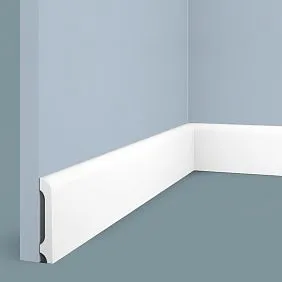
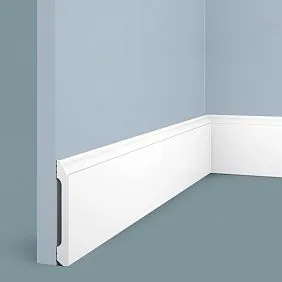
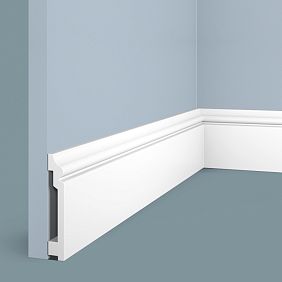
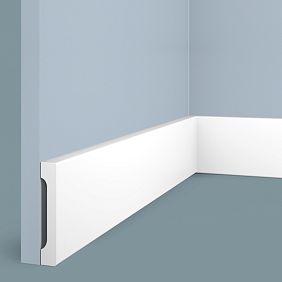
Our factory also produces:
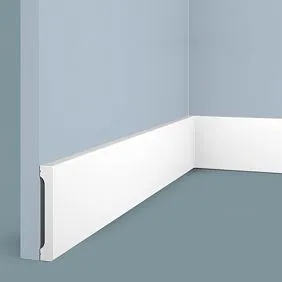
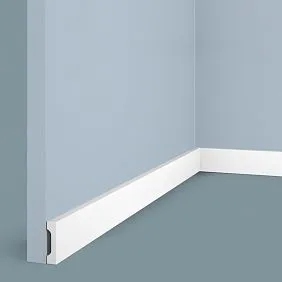
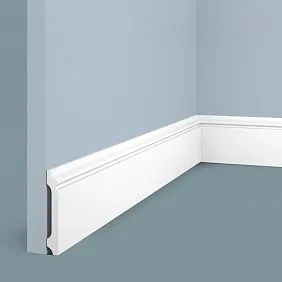

Wood species: the choice of connoisseurs
Choosing the wood species for a ceiling skirting board is a crucial decision that will determine not only the appearance but also the longevity of the item. Each species has its unique characteristics, color, and texture.
Get Consultation
Oak — symbol of reliability and prestige
oak trimThis is the choice of those who value unparalleled quality and status. Oak wood is distinguished by exceptional strength, ability to withstand significant loads and the effects of time. The natural color of oak ranges from light yellow to dark brown, allowing you to select the perfect shade for any interior.
The pronounced texture of oak wood, with its characteristic pattern, becomes a standalone decorative element.oak trim buyIt is worth it for those planning to create an interior for generations—the service life of oak items is measured in decades.
Oak is characterized by high density and hardness, making it an ideal material for manufacturing decorative elements with fine detailing. Due to its tannin content, this wood has natural resistance to rot and moisture.
Beech — harmony of strength and beauty
Beech skirting boardsIt is rightfully considered one of the best materials for manufacturing ceiling skirting boards. This species combines high density and strength with exceptional beauty of texture. The light shade of beech with a slight pinkish undertone creates a feeling of warmth and coziness.
The feature of beech is its ability to respond well to various types of processing.Wooden trimBeech wood can be stained, lacquered, or oiled to achieve exactly the shade required by the design project.
Beech wood is characterized by uniform structure and absence of clearly defined pores, allowing for an ideally smooth surface after sanding. This species holds its shape exceptionally well and is practically immune to cracking.
Spruce — accessibility without compromise on quality
Spruce remains the most popular choice for ceiling skirting boards due to its optimal price-to-quality ratio. Light-colored wood with pronounced texture and pleasant pine aroma creates a countryside home atmosphere even in an urban apartment.
wood trim itemsSpruce is easy to process, allowing for the creation of complex profiles and decorative elements. The resinous nature of spruce provides natural protection against moisture and microorganisms.
Spruce wood has a beautiful natural pattern with clearly defined growth rings. After proper drying and treatment, spruce demonstrates good dimensional and shape stability.
Design possibilities and stylistic solutions
A modern wooden ceiling skirting board is far from a simple plank, as it used to be. Today, it is a complex architectural element capable of radically changing the perception of space.
Classic profiles and modern interpretations
TraditionalWooden moldingsWith their elegant curves and delicate details, they create an atmosphere of aristocratic elegance. Such items are perfect for interiors in the classical, baroque, or Empire styles, where every detail should emphasize luxury and sophistication.
Modern interpretations of classical forms offer simplified, yet no less elegant solutions.wooden wall moldingsWith minimalist design, they fit perfectly into modern interiors where clean lines and functionality are valued.
Geometric profiles are becoming increasingly popular in modern design. Simple rectangular or beveled shapes create a strict yet elegant look that pairs beautifully with contemporary furniture and finishing materials.
Decorative elements and carving
CarvedBuy wooden trimAre worth it for those who want to create a truly unique interior. Traditional Russian motifs, floral ornaments, geometric patterns — the possibilities for decoration are virtually limitless.
Are gaining particular popularityDecorative wooden moldingsWith delicate carving that does not overload the interior but adds refinement. Such elements become true works of art, transforming an ordinary ceiling skirting into an art object.
Milled profiles with varying depths and pattern complexity allow for creating unique lighting effects. The play of light and shadow on the relief surface adds dynamism and volume to the ceiling space.
Technical Specifications and Size Range
Choosing the right size of ceiling skirting is key to harmonious interior perception. A too narrow skirting may disappear into the space, while an overly wide one visually 'presses' on the room.
Standard Sizes and Their Application
The classic width of ceiling skirting ranges from 60 to 120 mm. For rooms with ceiling heights up to 2.7 meters, the optimal choice are strips 60-80 mm wide. They create a neat frame without overwhelming the space.
For higher ceilings (2.7-3 meters), it is recommended to chooseWide Wooden Skirting BoardWith a width of 80-100 mm. These dimensions allow creating harmonious proportions and emphasizing the grandeur of high ceilings.
In rooms with ceilings higher than 3 meters, even wider profiles can be used — up to 150 mm and more. Such elements create an impressive architectural accent and emphasize the scale of the space.
Non-standard solutions for special projects
Modern wood processing technologies allow creatingFurniture moldingOf any size and configuration. For special design projects, skirtings up to 200 mm and wider are manufactured, becoming the dominant decorative element of the interior.
The thickness of ceiling skirtings is usually 12 to 25 mm. Thinner strips are suitable for delicate finishes, while thicker ones create expressive architectural accents.
The length of standard strips is 2.4-3 meters, but elements of greater length can be manufactured as needed, minimizing the number of joints in long rooms.
Installation: professional secrets and nuances
Installing wooden ceiling skirting requires special attention to details and adherence to technical requirements. Unlike plastic analogs, natural wood is more demanding in terms of installation conditions.
Preparation Work
Proper surface preparation is the foundation of successful installation. Walls and ceilings must be leveled, cleaned of dust, and primed. Special attention should be paid to room corners, which are rarely perfectly straight, especially in older buildings.
Wood acclimatization is a mandatory preparation stage.Trimming ItemsMust remain in the room for at least 48 hours under normal temperature and humidity conditions. This prevents deformation after installation.
Checking the room's geometry is critically important for quality installation. Even minor deviations from a right angle can result in noticeable gaps at joints.
Methods of mounting
There are several methods for mounting wooden ceiling skirtings, each with its own characteristics:
Mounting with screws — the most reliable method for heavy elements. Screws are driven in at 40-50 cm intervals, and it is important to pre-drill smaller diameter holes to avoid cracking the wood.
Adhesive mounting is suitable for lightweight baseboards provided that the surfaces are perfectly level. Special mounting adhesives are used, which ensure reliable adhesion to various wall materials.
Combined method — combines the advantages of both technologies: adhesive ensures even contact, while screws provide secure mounting.
Corner and joint processing
Professional corner processing is an art requiring precision and experience. Corners are mitered at 45 degrees using a miter saw or a miter gauge. It is important to remember that internal and external corners are processed differently.
Wooden profilesAt joints, they must fit tightly against each other. Small gaps are filled with wood putty, which is sanded and painted to match the base material after drying.
When working with decorative profiles, special attention is paid to aligning the pattern at the corners. This requires precise measurements and professional woodworking skills.
Finishing options and surface treatments
The right finishing treatment not only protects wood from external influences but also highlights its natural beauty. There are many finishing options, each creating its own unique effect.
Natural coatings
Oil-based stains penetrate deeply into the wood structure, emphasizing its texture and creating a matte surface with a natural sheen.Wooden profiles pricewhich include high-quality oil treatment, possess a special elegance in appearance.
Wax finishes create a silky surface with pleasant tactile sensations. Wax protects wood from moisture and dust while preserving its ability to 'breathe'.
Linseed oil is a traditional method of wood treatment that highlights the natural beauty of the material and provides an eco-friendly finish.
Paint and coating materials
Polyurethane varnishes provide maximum protection of the surface against mechanical damage and moisture. They form a durable film that can be either glossy or matte.
Staining compounds allow you to change the color of wood without hiding its texture. With them, you can achieve the effect of valuable wood species or create original color solutions.
Water-based stains provide even coloring and contain no harmful solvents, making them ideal for residential spaces.
Integration with lighting systems
Modern interior design increasingly incorporates wooden ceiling skirting boards with lighting systems. Concealed backlighting creates a 'floating' ceiling effect and adds a modern touch to the interior.
Hidden Lighting
LED strips installed behind the ceiling skirting board create soft, diffused lighting that visually expands the space and creates a cozy atmosphere. Special profiles with grooves for LED elements are used for this purpose.
It is important to provide ventilation gaps for cooling the LEDs and access for servicing electronic components.Profile made of woodA specially designed construction allows hiding all technical elements.
Dimming systems allow adjusting the brightness of backlighting depending on the time of day and mood, creating various lighting scenarios.
Spot lighting
Built-in lights in wooden skirting boards create a starry sky effect or accent lighting. This solution looks especially effective in bedrooms and living rooms, creating a romantic atmosphere.
Directional spotlights can be used to illuminate paintings, decorative niches, or other interior elements, transforming the ceiling skirting board into a functional part of the lighting system.
Combination with other decorative elements
A wooden ceiling skirting board harmonizes beautifully with other decorative elements, creating a cohesive interior composition.
Harmony with baseboards
Wooden baseboardA baseboard for the floor, made from the same wood species and in harmony with the ceiling skirting board, creates a complete room image. Such consistency of decorative elements emphasizes thoughtful design and creates a sense of harmony.
When selecting coordinating elements, it is important to consider not only the wood species, but also the treatment method, stain color, and profile.wooden skirting board purchaseIt is better to purchase as a set to ensure full compatibility of all characteristics.
Combination with door casings and cornices
Door casingsMade from the same wood as the ceiling skirting board, they create a unified stylistic solution. This is especially important in open-plan layouts, where all decorative elements are within a single visual space.
Kitchen furniture corniceand other decorative elements should harmonize with the ceiling skirting in style and material.
Application in various rooms
Wooden ceiling skirting is suitable for a wide variety of interiors, from residential rooms to offices and public spaces.
Living rooms and halls
In grand entrance areas, ceiling skirting plays a special role, emphasizing status and creating a formal atmosphere.Wide Wooden Skirting Boardwith rich decoration becomes the central element of ceiling design.
For large living rooms, it is recommended to use skirting made of valuable wood species with pronounced texture — oak or beech. This highlights the interior's respectability and creates a sense of luxury.
Bedrooms and private spaces
In bedrooms, ceiling skirting should create an atmosphere of coziness and tranquility. Here, more restrained profiles and light wood tones are preferred.wooden planks on the wallcan complement the overall composition, creating a unified design style.
Integration with hidden lighting is especially relevant in bedrooms, where soft light creates a relaxing atmosphere.
Kitchens and dining rooms
In kitchen spaces, wooden ceiling skirting should coordinate with cabinet facades and other decorative elements.Buy wooden planks for decorationis necessary for creating a unified style with the kitchen set.
Special attention should be paid to selecting a finish resistant to high humidity and temperature fluctuations.
Office and commercial spaces
In business interiors, wooden ceiling skirting emphasizes the seriousness and reliability of the organization.Wooden profileswith strict geometric forms create a business atmosphere, not devoid of elegance.
For office spaces, it is recommended to choose practical finishes that require minimal maintenance and have high wear resistance.
Seasonal characteristics and climatic factors
Natural wood reacts to changes in humidity and temperature, which must be considered when selecting and using wooden ceiling skirting.
Humidity influence
Wooden elements may slightly change their dimensions with fluctuations in air humidity. This is a natural process that must be accounted for during installation. Proper wood drying and finishing minimize these changes.
Wooden plankand other trim items should be made from wood dried in a kiln with moisture content no more than 8-12%.
Temperature effects
Sharp temperature fluctuations can cause stress in wood and lead to cracking. This is especially relevant for rooms with unstable heating or located near heat sources.
Quality finishing protects wood from temperature effects and extends the service life of the items.
Operation and Maintenance
Proper care of wooden ceiling skirting ensures its longevity and preservation of its original appearance for many years. Natural wood requires careful handling and regular maintenance.
Daily Care
Regular dry cleaning with a soft brush or vacuum cleaner with a furniture attachment prevents dust accumulation in relief elements. Wet cleaning is allowed only with well-wrung fabric and without using aggressive cleaning agents.
Controlling humidity in the room is especially important for wooden elements. The optimal humidity level is 45-65%. In excessively dry air, wood may crack, while in high humidity, it may deform.
Periodic Renewal
Every few yearsWooden trimrequires renewal of the protective coating. Oil-based impregnations require more frequent renewal — every 2-3 years, while lacquered coatings last longer — 5-7 years.
Minor damages can be easily repaired using repair compounds and wood putty. This is one of the main advantages of natural material — the possibility of local repair without replacing the entire element.
Economic aspects of selection
Investments in high-quality wooden baseboards for ceilings pay off through their longevity and timeless beauty. With proper care, such elements serve for decades without requiring replacement.
Ownership Cost Comparison
The initial cost of wooden baseboards is higher than plastic alternatives, but they prove more cost-effective in the long run.wooden skirting board pricingIncludes not only the material but also its processing, ensuring readiness for installation.
The ability to repair and restore wooden elements extends their service life and reduces overall operating costs.
Impact on property value
High-quality wooden decorative elements enhance interior appeal and can positively influence property market value. This is especially relevant for luxury properties, where every detail affects the overall perception of quality.
Trends and Innovations
Modern wood processing technologies open new possibilities for creating unique decorative elements.
Modern Processing Technologies
CNC machines allow creating complex profiles with the highest precision.Molded wooden trimCan have virtually any cross-sectional shape, offering designers limitless possibilities.
Laser engraving allows applying delicate patterns and ornaments onto wood surfaces, creating truly unique items.
Ecological Innovations
New eco-friendly coatings based on natural components provide reliable wood protection without harming human health or the environment.
Using wood from certified forests guarantees sustainable forestry and care for the environment.
Supplier Selection and Quality Criteria
Choosing the right manufacturer and supplier of wooden ceiling baseboards is key to obtaining a quality product and professional support.
Quality criteria
Consider ceiling height, room size, interior style, and functionality.molding productsPay attention to the quality of raw material, precision of processing, uniformity of profile, and absence of defects. Quality items have a smooth surface without chips, cracks, or other damage.
Wood moisture must meet established standards, and profile geometry must be strictly maintained throughout the entire length of the item.
Warranties and Service
A reliable supplier provides warranties on its products and offers technical support during installation.Buy molding productsBetter to choose from proven manufacturers with a good market reputation.
The ability to manufacture non-standard profiles and sizes expands design possibilities and enables the realization of the most daring projects.
Frequently Asked Questions
How to choose the right baseboard size?
The size of the ceiling baseboard should match ceiling height and room scale. For standard apartments with ceilings 2.5–2.7 m, baseboards 60–80 mm wide are suitable. For high ceilings, wider profiles can be chosen.
Can wooden ceiling baseboards be painted?
Yes, wooden baseboards are well-suited for painting with various finishes. You can use transparent varnishes and stains that highlight wood texture, or opaque paints to achieve a specific color solution.
How to care for wooden baseboards?
Regular dry cleaning with vacuum cleaner or soft brush. Wet cleaning — only with well-wrung fabric. Periodic renewal of protective coating extends service life.
Are wooden baseboards suitable for bathrooms?
With proper moisture-resistant treatment, wooden baseboards can be used in humid areas. It is important to choose wood species and coatings resistant to moisture.
How long does a wooden ceiling baseboard last?
With proper material selection, quality installation, and regular maintenance, wooden skirting boards can last 15–20 years or more. Oak products can retain their properties for decades.
Conclusion
Wooden ceiling baseboard— this is an investment in beauty, comfort, and the longevity of interior design. Natural wood possesses unique properties that cannot be replicated with artificial materials. The right choice of species, profile, and finishing method allows you to create a truly unique interior that will delight the eye for many years.
Modern wood production and processing technologies open up limitless possibilities for creating decorative elements of any complexity.Production of trim elements— is constantly improving, offering new solutions for contemporary interiors.
Choosing a wooden ceiling skirting board means choosing not just a decorative element, but a philosophy of life where naturalness, quality, and beauty are valued. This is the choice of people who understand the true value of natural materials and are willing to invest in creating a harmonious living space.
Company STAVROS has been a reliableskirting board manufacturerof the highest quality. Using only premium wood and modern manufacturing technologies, STAVROS creates products that serve as benchmarks for quality and beauty. Each skirting board plank undergoes careful quality control, ensuring perfect installation results and long-term durability. By choosing STAVROS, you receive not just quality products, but also professional support at every stage — from selecting the right profile to installation and maintenance recommendations.





