Article Contents:
- Introduction: The Significance of Natural Wood in Furniture Production
- Types of Wood Used in Furniture Production
- Oak
- Ash
- Oak
- Cherry
- Other Species
- Wood drying
- Cutting and Shaping
- Sanding and Final Finishing
- Application of protective coatings
- Decorative Finishing and Carving
- Ecological purity
- Durability and Reliability
- Aesthetic appeal
- Design versatility
- Thermal and Sound Insulation Properties
- Classic Furniture
- Modern interiors
- Eco-Furniture
- Handcrafted Furniture
- Innovative Technologies and Traditional Crafts
- Product Personalization
- Ecological responsibility
- Minimalism and Functionality
- Proper Cleaning
- Treatment with Protective Compounds
- Climate Condition Control
- Investment in quality
- Increase in property value
Natural wood has always been and remains one of the most sought-after materials for furniture production. Its unique properties, such as natural texture, rich color palette, eco-friendliness, and durability, make it an indispensable choice for creating items capable of transforming any interior. In this article, we will thoroughly examine the characteristics of wood material for furniture, learn about types of wood, modern processing technologies, advantages of natural wood, and trends in contemporary furniture design. You will also be able to explore a wide range of wooden furniture and interior items by visiting:
wood material for furniture



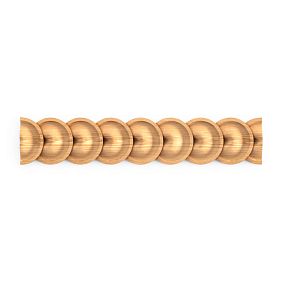


Introduction: The Significance of Natural Wood in Furniture Production
Wood is one of the oldest materials used by humanity to create the most diverse household and artistic items. Since ancient times, wood has been used not only for construction but also for creating furniture that reflected the status, taste, and cultural traditions of society. Natural wood possesses unique aesthetic characteristics: each item—from carved chairs to large wardrobes—has its individuality due to the unique grain pattern and natural hues.
Today, in the context of rapid technological advancement, furniture production using wood combines centuries-old craftsmanship traditions with innovative processing methods. Modern technologies enable achieving the highest quality of products, where every detail is meticulously considered. Natural material not only pleases the eye but is also environmentally friendly, which is especially important for modern consumers concerned about their health and the environment.
To learn more about wood material for furniture and explore a wide range of products, visit:
wood material for furniture




Types of Wood Used in Furniture Production
Our factory also produces:


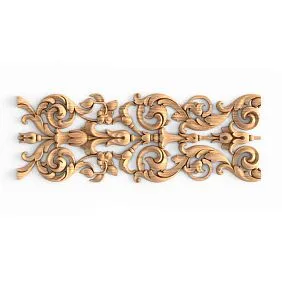


Oak
Oak is one of the strongest and most durable wood species. Its high density and natural resistance to mechanical damage make it an ideal material for furniture intended to last for many years. Oak furniture is characterized by a striking texture, rich structure, and deep tones ranging from light brown to dark chocolate. Due to its strength, oak items easily withstand intensive use and symbolize longevity.
Get Consultation
Ash
Ash is a light-colored wood species with an elegant texture. It has excellent flexibility and ease of processing, allowing for the creation of delicate and refined furniture designs. Ash is often used for modern-style furniture, where clean lines and minimalist design are important. Natural ash tones—from light cream to golden-yellow—bring freshness and naturalness to interiors.
Beech
Beech is a versatile material known for its uniformity and light color. Due to its malleability, beech is easily machined, enabling the creation of furniture with smooth surfaces and complex shapes. Beech items are distinguished by high durability and stability, making them popular for both classic and modern interiors.
Cherry
Cherry is a wood species with warm reddish-brown tones and rich texture. Furniture made from cherry looks especially elegant and luxurious, making it popular in the premium segment. Over time, cherry wood becomes even more beautiful, developing a patina that highlights its natural beauty and history.
Other species
In addition to the listed species, furniture production also uses maple, walnut, beech, and other types of wood. Each type has unique properties that allow designers and manufacturers to create items perfectly suited to functional and aesthetic requirements.
To view the range of furniture made from natural wood and select an item to your taste, visit:
wood material for furniture
Modern wood processing technologies
Wood Drying
Quality wood processing begins with proper drying. Wood must be dried to optimal moisture content to avoid deformation, cracking, and mold formation in finished products. Modern drying methods, such as vacuum drying or controlled environment drying, allow achieving a stable result, ensuring the longevity and quality of the material.
Cutting and Shaping
Sanding and finishing
Multi-stage sanding is one of the most important stages of wood processing. It allows achieving a perfectly smooth surface, onto which the final coating is then applied. Sanding is performed using specialized equipment that ensures even removal of irregularities and prepares the surface for further application of protective coatings.
Multi-stage sanding is one of the most important stages of wood processing. It allows achieving a perfectly smooth surface, onto which the final finish is then applied. Sanding is performed using specialized equipment that ensures even removal of irregularities and prepares the surface for subsequent application of protective coatings.
Application of protective coatings
Natural oils, varnishes, and waxes are used to preserve the natural beauty of wood and protect it from external influences. These coatings highlight the material's texture, provide a luster, and serve as an additional protective layer that prevents damage from moisture, ultraviolet rays, and mechanical impacts. Modern technologies allow applying the coating evenly with high wear resistance.
Decorative finishing and carving
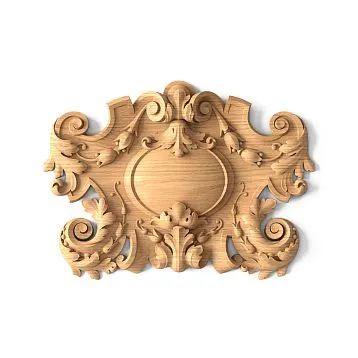
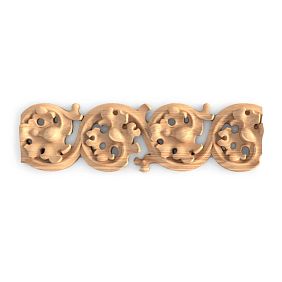
One of the most popular directions in wood processing is decorative carving. Masters, using traditional and modern methods, create unique patterns and ornaments that transform ordinary wood into a work of art. Decorative carving can be applied to finish individual furniture elements or to create complete decorative panels.
To learn more about wooden material for furniture and see examples of finished products, visit:
wood material for furniture
Advantages of using natural wood in furniture
Ecological purity
Natural wood is an eco-friendly material that contains no synthetic additives and does not emit harmful substances. Furniture made from natural wood contributes to creating a healthy microclimate in a room, which is especially important for families with children and people leading a healthy lifestyle. Environmental safety has become one of the main criteria for selecting materials in the modern world.
Durability and reliability
High-quality wooden furniture can last for decades, preserving its aesthetic and functional properties. Natural wood has high strength, resistance to mechanical damage, and adaptability to changing climatic conditions. Proper processing and maintenance allow preserving the original appearance of the item for many years, making investment in wooden furniture a justified and profitable decision.
Aesthetic appeal
Each item made from natural wood is unique. Natural wood patterns, textures, and shades create an irreplaceable appearance that cannot be reproduced using synthetic materials. Wooden furniture adds warmth, comfort, and elegance to interiors, making them a central element of any space. Classic models, executed in traditional style, look luxurious and refined, while modern interpretations are minimalist and stylish.
Design versatility
Wood has high thermal and acoustic insulation properties, making furniture made from natural wood not only aesthetically pleasing but also functional. Such items help maintain an optimal microclimate in a room, reducing heating costs and improving acoustic properties of interiors.
Thermal and Sound Insulation Properties
Wood has high thermal and acoustic insulation properties, making furniture made of natural wood not only aesthetically pleasing but also functional. Such items help maintain an optimal microclimate in the room, reducing heating costs and improving the acoustic characteristics of the interior.
To learn more about the advantages of wooden material for furniture, visit:
wood material for furniture
Application of natural wood in modern furniture design
Classic furniture
Classic furniture made from natural wood is always distinguished by elegance and refinement. Such items often feature intricate carved finishes, decorative elements, and sophisticated textures, highlighting the richness of traditions and craftsmanship. Classic tables, chairs, wardrobes, and chests create an atmosphere of luxury and nobility in any interior.
Modern interiors
Modern furniture design also actively uses natural wood, but in more minimalist and streamlined forms. Here, emphasis is placed on clean lines, functionality, and practicality of the items. In modern interiors, wood is often combined with metal, glass, and other materials, allowing for contrasting and dynamic solutions. This approach highlights the individuality of the space and makes it more contemporary and technologically advanced.
Eco-furniture
Eco-friendly furniture made from natural wood is becoming increasingly popular due to its safety and positive impact on the environment. Eco-friendly furniture is characterized by the use of only natural materials and the absence of harmful chemical components. Such items create a healthy atmosphere in the home and are an excellent choice for those who value ecology and sustainable development.
Handmade furniture
Handmade furniture made from natural wood is a special category of items where each detail is crafted with special care and love. Such items are unique, as each piece reflects the individual style and experience of the craftsman. Handmade work gives furniture a special soul and warmth, making it not just a functional item, but a true work of art.
To view examples of wooden furniture and be inspired by design solutions, visit:
wood material for furniture
Trends in furniture design using natural wood
Innovative technologies and traditional craftsmanship
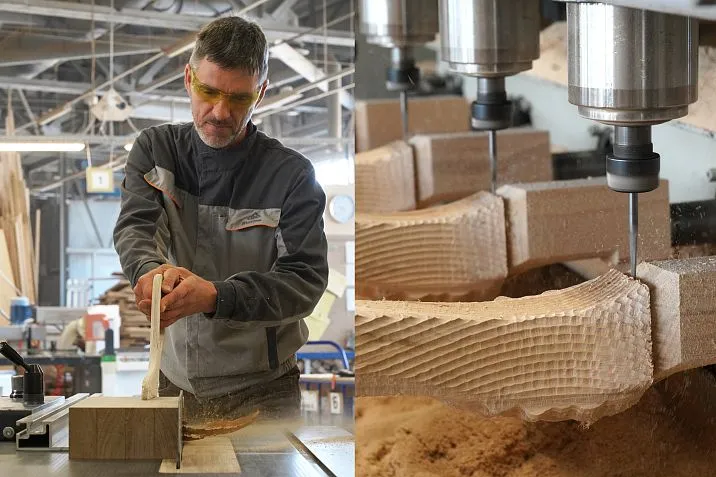
One of the key trends is the harmonious combination of traditional craftsmanship and modern technologies. Manufacturers use automated equipment to improve processing accuracy while preserving handcrafted elements that give products individuality. This approach allows creating furniture that meets high standards of quality and aesthetics.
Product customization
Modern consumers increasingly prefer unique, customized items. Customizing wooden furniture allows taking into account all customer preferences, from selecting wood species to decorative elements and finishing. An individual approach to each project makes furniture not only functional but also a reflection of the owner's personal style and taste.
Ecological responsibility
Growing awareness of ecological issues encourages manufacturers to use exclusively natural materials and eco-friendly technologies. Furniture made from natural wood without synthetic components has become a symbol of ecological responsibility and sustainable development. This is an important trend that will only gain popularity in the future.
Minimalism and functionality
Minimalist interior design solutions, where every detail has meaning, are popular today. Wooden furniture in a minimalist style emphasizes clean lines, functionality, and high material quality. The simplicity and elegance of such items allow creating a comfortable and cozy space without excess.
Care for wooden furniture
Proper cleaning
Regular cleaning of wooden furniture from dust and dirt is necessary to preserve the natural beauty of wood. It is recommended to use soft cloths and special products designed for wooden surfaces. This will help avoid damage to the protective coating and maintain the natural luster of the wood.
Protective Treatment
Periodic treatment of wooden furniture with natural oils, waxes, or varnishes protects it from moisture, ultraviolet rays, and mechanical damage. These compositions not only extend the lifespan of furniture but also highlight its natural texture, making it more expressive and beautiful.
Climate condition control
Natural wood is sensitive to temperature and humidity fluctuations. To preserve its properties, it is important to maintain a stable microclimate in the room. Avoid direct sunlight and sudden temperature changes to prevent deformation and cracking of items.
Economic efficiency and durability
Investment in Quality
Wooden furniture is a long-term investment in the quality and comfort of your home. High-quality items, made using modern technologies and natural materials, retain their aesthetic and functional properties for decades. Proper wood selection and careful finishing reduce repair and interior renovation costs, making wooden furniture a worthwhile investment.
Increase in property value
An interior designed with natural materials, especially wooden furniture, can significantly increase property value. The aesthetic appeal, ecological purity, and durability of items create a positive impression on potential buyers and investors, which is an important factor in assessing property value.
Conclusion: Natural wood – a choice for those who value quality and aesthetics
Wood as a material for wooden furniture remains one of the most popular and in-demand elements in world interior design. Its unique properties, such as ecological purity, durability, natural beauty, and versatility, make it indispensable for creating cozy, stylish, and functional spaces.
Modern wood processing technologies allow achieving high quality standards while preserving traditional craftsmanship and the individuality of each item. Wooden furniture is not just functional items, but true works of art capable of conveying the warmth and soul of nature into every home.
For those who wish to explore a wide range of wooden furniture and interior items, we recommend visiting:
wood material for furniture
Natural wood remains a symbol of eternal beauty, strength, and ecological responsibility. Choosing wooden furniture means investing in quality, comfort, and aesthetics that will delight you for many years. Let every element of your interior, created using natural wood, reflect your individuality, love for nature, and pursuit of perfection.
Thus, wooden material for furniture is not just a choice, but a lifestyle that combines traditions, innovations, and high quality. Invest in natural wood, and your home will be filled with warmth, comfort, and genuine beauty that never goes out of style.