Article Contents:
- Roots of tradition: origins of Russian wooden architecture
- Philosophy of material: wood as a source of life
- Symbolism of architectural forms
- Anatomy of beauty: constructive and decorative elements
- Structural foundation: log cabin as the basis of beauty
- Roofing system: protection and ornamentation
- Decorative furnishings: carving as poetry in wood
- Regional characteristics: diversity within unity of style
- North Russian traditions: monumentality of Pomorye
- Middle Russian school: harmony of central regions
- Volga motifs: synthesis of cultures
- Modern interpretation: traditions in the 21st century
- Materials and technologies: new possibilities
- Planning solutions: comfort of modern life
- Ecological aspects: house in harmony with nature
- Architectural design: art of creating beauty
- Compositional principles: foundations of harmony
- Color solutions: palette of the Russian house
- Landscape integration: house as part of nature
- Interior solutions: inner world of the wooden house
- Planning structure: logic of traditional dwelling
- Material palette of interior
- Lighting and atmosphere
- Decorative elements: details that create an image
- Carved exterior elements
- Interior decorative elements
- Modern technologies in traditional forms
- Constructive innovations
- Engineering Systems
- Manufacturing Technologies
- Economic Aspects: Investment in Beauty and Comfort
- Cost Structure of the Project
- Operational costs
- Investment attractiveness
- Psychological Aspects: Home as a Living Environment
- Emotional Impact
- Social aspects
- Educational Potential
- Conclusion: Heritage as the Foundation of the Future
Gazing enchantedly at the panorama of the Russian landscape, one cannot help but notice how wooden structures seamlessly blend into it — true masterpieces of architectural art created by our ancestors. Wooden House in Russian Style is experiencing a true revival today, becoming a symbol of returning to roots, to authentic values and national identity.
Why, in the age of glass and concrete, are more and more people choosing wooden dwellings? What is the secret of the attractiveness of Russian wooden architecture? The answers lie in the depths of folk wisdom, in understanding that a home is not merely shelter, but a living organism that breathes with nature, preserves the warmth of the family hearth, and transmits energy across generations.
A modern wooden house in Russian traditions is a unique blend of centuries-old wisdom of folk craftsmen and cutting-edge technologies of the 21st century. It is a place where every board, every carved element tells a story, where architectural forms carry deep symbolic meaning.



Roots of Tradition: Origins of Russian Wooden Architecture
The foundation of Russian wooden architecture lies not merely in practical necessity — it is a whole philosophy of human interaction with nature. Our ancestors understood wood as a living material capable of protecting, warming, and inspiring.




Philosophy of Material: Wood as a Source of Life
Russian masters regarded wood with special reverence, seeing in it not merely a building material, but a living substance possessing a soul. Each species had its own purpose: oak for solidity and longevity, pine for warmth and coziness, birch for purity and light.
Production from Natural Wood was based on a deep understanding of wood properties, its behavior under various climatic conditions, its ability to 'work' and adapt to changes in the surrounding environment.
Traditional 'in oblo' felling technique ensured maximum structural strength and joint airtightness. Masters felt each log, understood how it would behave when drying, where cracks might appear, and how to properly orient growth rings.
Our factory also produces:




Symbolism of Architectural Forms
Each element of a wooden house in Russian style carried symbolic meaning. The roof — protection from celestial forces, windows — the eyes of the house, the threshold — the boundary between the external and internal worlds. Wooden items were created not only for beauty, but also as protective charms intended to safeguard the house and its inhabitants.
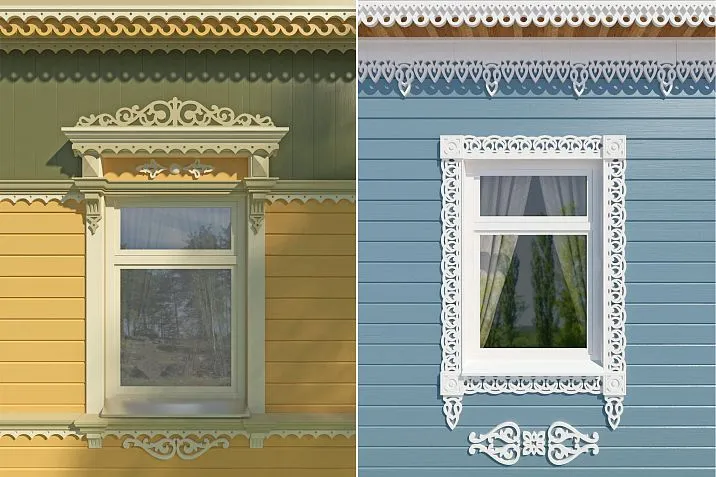
Carved casings told whole stories: solar symbols attracted light and warmth, plant ornaments — fertility and abundance, geometric patterns — harmony and order. Every swirl, every line had deep meaning, understandable to our ancestors.
The gable roof ridge was often crowned with a carved image of a horse — symbol of the sun and the passage of time. Chelny (decorative elements) protected against evil spirits, while platen (vertical boards at roof ends) served as lightning and fire protection charms.
Get Consultation
Anatomy of Beauty: Structural and Decorative Elements
The beauty of a wooden house in Russian style arises from a multitude of components, each playing its role in creating a harmonious architectural image.
Structural Foundation: The Log as the Foundation of Beauty
The foundation of any traditional Russian house is the log structure — a construction of horizontally laid and corner-connected logs. The quality of felling determined not only the strength and longevity of the building, but also its aesthetic qualities.
Masters distinguished many types of felling: 'in oblo' — with protruding ends, 'in lapu' — without protrusions, 'in kurdyuk' — with an additional protrusion for moisture protection. Each type created its own visual effect and had practical justification.
A correctly executed log structure possesses special beauty: smooth lines of logs create a facade rhythm, wood texture plays with light, and natural trunk curves give the structure liveliness and individuality.
Roofing System: Protection and Decoration
The roof of a wooden house in Russian style is not merely protection from bad weather, but also a key element of architectural composition. Traditional gable roofs with their clear geometric forms created the recognizable silhouette of a Russian house.
Beautiful wooden facades are unthinkable without a properly designed roof. Roof overhangs protected walls from rain and snow, and their proportions influenced the perception of the entire building. The roof covering was traditionally made of wood — shingles, tiles, and planks. These materials not only performed protective functions excellently, but also created an attractive texture, play of light and shadow on the roof surface.
Decorative ornamentation: carving as poetry in wood
Decorative furnishings: carving as poetry in wood
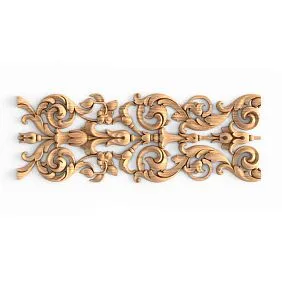
Carved decoration transformed a simple structure into a work of art. Design of beautiful wooden houses Always included artistic carving elements that not only adorned the house but also demonstrated the owners' craftsmanship and material well-being.
Main elements of carved decoration were:
- Lintels — window frames with rich ornamentation
- Eaves — boards covering roof-to-wall joints
- Roof end panels — vertical carved boards at roof ends
- Under-eaves — delicate boards beneath roof overhangs
- Veranda with carved posts and railings
Each element was handcrafted, giving it a unique character and the living energy of the master.
Regional characteristics: diversity within a unified style
Russia's vast territories gave rise to numerous regional variations of wooden houses in the Russian style. Each region developed its own traditions reflecting local climatic conditions, available materials, and cultural influences.
Northern Russian traditions: monumentality of Pomorye
Northern regions of Russia — Arkhangelsk, Vologda Oblasts, Karelia — gave the world the most impressive examples of wooden architecture. Here, a distinctive style emerged, characterized by monumental forms and rich decorative ornamentation.
Beautiful wooden houses Northern-style houses were built from large logs up to 60-80 centimeters in diameter. Such dimensions were dictated by the harsh climate — thick walls better retained heat during long winter months.
Decorative ornamentation of northern houses impresses with its refinement and complexity of execution. Carved lintels resemble stone lace, and their motifs are often borrowed from church art — acanthus scrolls, rosettes, stylized images of paradise birds.
Central Russian school: harmony of central regions
In central regions of Russia, a more moderate but no less expressive style of wooden architecture developed. Here, wooden houses in the Russian style are distinguished by exceptional harmony of proportions and refined decorative solutions.
Moscow, Vladimir, and Tver Oblasts provided numerous splendid examples where architectural forms achieved remarkable perfection. Houses here often have two floors, mezzanines, balconies, and terraces, creating a rich play of volumes.
Carved decoration of central regions is distinguished by particular refinement. Masters skillfully mastered the technique of relief carving, creating delicate compositions of incredible complexity and beauty.
Volga motifs: synthesis of cultures
In the Volga region, Russian traditions enriched by influences of other peoples — Tatars, Mari, Mordvins. This created a unique style combining Russian foundations with Eastern motifs.
Secrets of wooden house decoration In the Volga style, they include use of bright colors, complex geometric ornaments, stylized plant motifs. Often, images of fantastic creatures borrowed from Eastern mythology appear.
Modern interpretation: traditions in the 21st century
A modern wooden house in Russian style is not a blind copy of historical models, but a creative reinterpretation of traditions taking into account modern needs and technological possibilities.
Materials and Technologies: New Possibilities
Modern technologies have significantly expanded the possibilities of wooden house construction. Glued timber, round logs, thermally treated wood — all these materials have improved characteristics compared to traditional ones.
Modern protective coatings extend the service life of wooden structures several times over. Antiseptics protect against mold and insects, fire retardants — against fire, and special impregnations — against moisture and UV radiation.
CNC machines allow reproducing the most complex carved ornaments with jewel-like precision. At the same time, the possibility of manual finishing remains, which gives the items liveliness and individuality.
Layout Solutions: Comfort of Modern Life
Beautiful Interiors of Wooden Houses Modern designs take into account the changed needs of the family. Spacious kitchen-living areas, multiple bathrooms, closets, home theaters — all this fits organically into the structure of a wooden house.
At the same time, the main principles of traditional layout are preserved — central placement of common rooms, zoning of space, connection with the natural environment through large windows and terraces.
Modern engineering systems — heating, water supply, electricity — are integrated into the wooden structure without compromising its aesthetics. Warm floors replace traditional stoves, but the main thing — the atmosphere of warmth and coziness — is preserved.
Ecological Aspects: A House in Harmony with Nature
In the era of ecological crisis, a wooden house in Russian style becomes a symbol of responsible attitude towards nature. Wood is a renewable resource that, when properly used, does not harm the environment.
Modern wooden houses can be energy-efficient and even energy-independent. Quality insulation, efficient engineering systems, use of renewable energy sources — all this allows creating a house that consumes minimal resources.
Internal Materials of Wooden Houses Contributes to creating a healthy microclimate. Wood regulates air humidity, absorbs harmful substances, and creates a comfortable atmosphere for humans.
Architectural Design: The Art of Creating Beauty
Creating a wooden house in Russian style requires a deep understanding of traditions and a refined artistic sense. Each element must be thoughtfully designed and harmoniously integrated into the overall composition.
Compositional Principles: Foundations of Harmony
Symmetry has always been the basis of composition in traditional Russian houses. The central axis, passing through the main entrance, organized the entire building structure. Equal in importance elements — windows, decorative details, functional rooms — were placed on both sides of it.
Proportional relationships were based on human scale and natural laws of harmony. Room height, window size, gallery width — all were subject to a unified system creating a sense of naturalness and comfort.
The rhythmic organization of the facade was achieved by repeating identical elements — windows, pilasters, decorative details. This rhythm could vary, creating accents and emphasizing important parts of the building.
Color Solutions: The Palette of the Russian House
The traditional color palette of wooden houses in Russian style was based on natural wood tones and natural pigments. The main colors were various shades of brown — from light yellow to dark chocolate.
Bright accents were created using red, blue, and green colors. Red symbolized life force and celebration, blue — sky and purity, green — nature and fertility. White was used to highlight architectural details and create contrast.
Modern paints and coatings allow significantly expanding the color palette while preserving the connection with traditional solutions. It is important to remember the sense of proportion and not disrupt the harmony of natural tones.
Landscape Integration: The House as Part of Nature
A wooden house in Russian style has always been considered part of the natural landscape. Placement on the plot, orientation to cardinal directions, connection with the garden and utility buildings — all this was carefully planned.
Traditionally, the house was oriented with its main facade to the south or southwest to maximize solar heat and light. Utility buildings were placed on the northern side, protecting the house from cold winds.
The garden around the house was created according to the principles of folk gardening — practicality combined with beauty. Fruit trees, berry shrubs, and vegetable crops were arranged to create a beautiful and useful landscape.
Interior Solutions: The Inner World of the Wooden House
The interior space of a wooden house in Russian style possesses a special atmosphere created by natural materials, proper proportions, and thoughtfully organized functional zones.
Planning structure: the logic of traditional housing
The traditional izba had a clear functional structure. The sennya served as a buffer zone between the street and living areas, the izba was the center of family life, and the horница — the formal room for guests.
Modern layouts preserve these principles, adapting them to contemporary needs. The entryway serves as the sennya, the living room as the izba, the office or library as the horница. At the same time, modern elements — multiple bathrooms, closets, technical rooms — are added.
Zoning of space plays an important role. Each zone has its own purpose and design, but all are united by a common stylistic approach and material base.
Material palette of the interior
The foundation of the interior of a wooden house in Russian style is natural wood. Walls made of timber or logs create a warm, cozy atmosphere. Different types of wood can be used for various elements — pine for walls, oak for floors, birch for furniture.
Textiles play an important role in creating a comfortable atmosphere. Traditionally, linen and cotton fabrics, handwoven rugs, embroidered curtains and towels were used. Modern interiors may include more diverse materials while preserving the principle of naturalness.
Ceramics, wrought iron items, woven baskets — all these elements complement the interior, creating a sense of handcrafted quality and connection to folk traditions.
Lighting and atmosphere
Traditional lighting in wooden houses was based on natural light, supplemented by candlelight and rushlights. Modern technologies allow creating a multi-level lighting system that imitates natural light sources.
Large windows ensure maximum use of daylight. Their placement and proportions should correspond to the architectural style of the house and create a harmonious balance of light and shadow.
Artificial lighting includes general lighting for functional needs, local lighting for work and reading, decorative accent lighting for creating atmosphere. It is important to use light sources with a warm spectrum matching natural wood.
Decorative elements: details that create the image
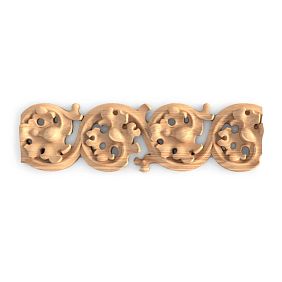
The beauty of a wooden house in Russian style is composed of many details, each contributing to the creation of a cohesive image. catalog of products Modern manufacturers include thousands of elements that allow recreating the authentic atmosphere of a Russian house.
Carved exterior elements
Window casings are the main decoration of a wooden house. Their shape, size, and ornament determine the character of the entire building. Modern technologies allow reproducing the most complex historical samples or creating new ones, stylized after traditional motifs.
Eaves and friezes complete the facade composition, creating horizontal divisions and emphasizing the building's structural logic. Their profiles and decoration must correspond to the overall style of the house.
A porch with carved posts and railings creates a grand entrance to the house. This is the first thing guests see, so its design must be especially meticulous.
Internal decorative elements
The staircase in a two-story house becomes an important interior element. Carved balusters, massive handrails, and decorated treads transform a utilitarian structure into a work of art.
Doors and window casings inside the house can be adorned with carving, creating a unified style. Lattice constructions with traditional proportions support historical authenticity.
Solid wood furniture fits organically into the interior of a wooden house. Tables, chairs, and cabinets made in traditional forms create a sense of completeness and harmony in the space.
Modern technologies in traditional forms
Building a wooden house in Russian style in the 21st century is unthinkable without using modern technologies that significantly improve operational characteristics while preserving historical aesthetics.
Constructive innovations
Glued timber combines the ecological nature of natural wood with enhanced strength characteristics. The pressure-gluing technology creates a material surpassing solid wood in many parameters.
Frame technologies allow creating light yet strong structures with excellent thermal insulation properties. At the same time, any exterior finish is possible, imitating traditional log construction.
Modern insulators, vapor- and waterproofing materials ensure a comfortable microclimate and longevity of structures. It is important to use materials compatible with wood and not compromising its natural properties.
Engineering systems
Modern heating, ventilation, and water supply systems are integrated into the wooden structure almost invisibly. Concealed wiring, built-in radiators, and heated floors—all these elements work to enhance comfort without compromising interior aesthetics.
Smart home systems allow automation of all engineering systems. At the same time, control elements can be styled to resemble traditional forms—wooden panels, wrought iron grilles.
Alternative energy sources—solar panels, heat pumps—make wooden homes energy-independent and eco-friendly. Their integration into architecture requires a special approach, but modern technologies enable solving this task.
Production Technologies
CNC machines allow reproducing the most complex carved ornaments with millimeter precision. At the same time, the possibility of manual finishing remains, which gives the items individuality.
3D modeling allows creating and testing new decorative element shapes, optimizing them for specific tasks. Virtual reality enables "walking through" the future home even during the design stage.
Laser cutting opens new possibilities for creating intricate and highly precise lace-like elements. This technology is especially effective for making stencils and templates for traditional hand carving.
Economic aspects: investment in beauty and comfort
Building a wooden house in Russian style requires significant investment, but these investments are justified by longevity, comfort, and the growing popularity of such housing.
Cost structure of the project
Main cost items include design, materials, construction and installation work, decorative elements, and engineering systems. The most expensive are high-quality materials and artistic carving.
Saving on materials can significantly reduce the quality and longevity of the house. Cheap wood, poor processing, and simplified structural solutions ultimately cost more due to the need for repairs and modernization.
Carved elements constitute a significant part of the cost, but they are precisely what create the home's unique character. Mass-produced items are much cheaper than custom ones, but they lack their artistic value.
Operating expenses
A properly constructed wooden house is economical to operate. Wood has excellent insulating properties, reducing heating costs. Natural ventilation through wood creates a healthy microclimate without additional expenses.
Regular maintenance includes updating protective coatings, inspecting structures, and minor repairs. With quality construction, these expenses are minimal and predictable.
Modern protective compounds significantly extend the service life of wooden structures. Proper treatment can preserve wood for decades without major repairs.
Investment attractiveness
Wooden houses in Russian style enjoy steady demand in the real estate market. Their uniqueness, eco-friendliness, and connection to cultural traditions ensure stable liquidity and rising value.
Homes with high-quality carved decoration, authentic materials, and thoughtful layouts are especially valued. Such properties are regarded not only as residences but also as works of art.
The tourist potential of wooden houses creates additional income opportunities. Agritourism, ecotourism, and cultural tourism—all these sectors are actively developing.
Psychological aspects: home as a living environment
Living in a wooden house in Russian style has a special impact on a person's mental and physical state. Natural materials, harmonious proportions, and connection to nature create an optimal environment for personal development.
Emotional impact
Wood possesses unique energetic properties, creating a sense of warmth and security. Tactile sensations from touching natural wood activate positive emotions and reduce stress levels.
Natural wood aromas have a beneficial effect on the nervous system. Phytoncides released by wood have antimicrobial properties and help strengthen immunity.
Visual perception of wooden interiors creates a sense of stability and continuity. People feel connected to traditions and roots, which is especially important in today's rapidly changing world.
Social aspects
Traditionally, wooden houses were centers of family life, places where generations gathered. Modern wooden houses in Russian style preserve this function, creating spaces for family interaction and development.
Hospitality—a key feature of Russian national character—finds its ideal embodiment in wooden houses. Warm atmosphere, cozy interiors, and connection to nature create ideal conditions for hosting guests.
Creative development is stimulated by the beauty of the surrounding space. Carved elements, natural materials, and harmonious proportions inspire the creation of beauty and cultivate aesthetic taste.
Educational potential
Living in a traditional house becomes a constant lesson in history and culture. Children growing up in such an environment naturally absorb knowledge about national traditions, crafts, and art.
Practical skills—working with wood, understanding material properties, respecting handcraft—are developed through daily life. This is especially valuable in the age of digital technologies.
Ecological awareness develops through direct contact with natural materials, understanding of growth and renewal cycles, and responsible attitude toward resources.
Conclusion: Heritage as the Foundation of the Future
A wooden house in Russian style in the modern world is not a fashion trend or nostalgia, but a conscious choice of people striving for a harmonious, meaningful life. It is a return to roots, to understanding the house as a living organism, growing and developing alongside the family.
In the era of globalization and standardization, such houses become keepers of cultural memory, places for preserving and passing on traditions. Each carved decorative element, each architectural detail tells the story of a people, their notions of beauty, harmony, and the meaning of life.
Modern technologies do not destroy traditions but serve their development. New materials and methods allow creating homes that surpass historical analogs in comfort and durability, while preserving their spiritual foundation and aesthetic principles.
Choosing a wooden house in Russian style means choosing quality over quantity, individuality over mass production, culture over consumerism. This is the choice of those who understand that true wealth lies in the beauty of the surrounding space, harmony with nature, and connection to cultural roots.
Such a house becomes a family heirloom, passed down from generation to generation. Within its walls, children learn to appreciate beauty, adults find peace and inspiration, and elders feel connected to their lived lives. This is a home in its fullest sense — a place where personality is formed and destiny unfolds.
STAVROS has been creating masterpieces of wooden architecture for over a quarter of a century, combining deep knowledge of traditions with expert mastery of modern technologies. Our products adorn thousands of homes across Russia and abroad, bringing beauty and harmony into people’s lives. We do not merely produce decorative elements — we create environments for happy lives, spaces for family growth, and homes for the soul. Choosing STAVROS means choosing quality proven by time, traditions alive in every item, and beauty that will delight you and your descendants for many decades.