Article Contents:
- 1. Role of the frame in decorating artwork
- 1.1. Aesthetic function
- 1.2. Protective function
- 1.3. Structural function in interior design
- 2.1. Natural beauty of wood
- 2.2. Strength and durability
- 2.3. Ecological Safety and Reliability
- 2.4. Wide selection of styles and finishes
- 3.1. By Wood Species
- 3.2. By profile
- 3.3. By Finishing Method
- 4.1. Compatibility with painting style and interior design
- 4.2. Size and proportions
- 4.3. Quality of processing and assembly
- 4.4. Certification and eco-friendliness
- 5.1. Specialized frame and frame shops
- 5.2. Online stores and e-commerce platforms
- 5.3. Custom orders from artisans
- 6.1. Preparing the Picture and Moulding
- 6.2. Methods of fastening
- 6.3. Wall mounting
- 6.4. Composition tips
- 7.1. Regular cleaning
- 7.2. Humidity and temperature control
- 7.3. Prevention of damage
- 7.4. Restoration and renewal
- 8.1. Classic interior
- 8.2. Modern minimalism
- 8.3. Provence and country style
- 8.4. Eclecticism and fusion
- 9.1. Office or reception area
- 9.2. Living room
- 9.3. Bedroom
- 9.4. Children's room
- 10.1. New processing technologies
- 10.2. Sustainable development and conscious consumption
- 10.3. Preservation of traditions and handcraft
When it comes to a painting or any other work of art, the frame cannot be underestimated. After all, it is the frame surrounding the canvas that creates the very first impression, emphasizes the depth and character of the artistic concept, and carefully protects the painting from external influences. And if you wantto buy a wooden frame for a painting and ensure your artwork (or reproduction, photograph, poster) receives a worthy frame, it is important to understand the characteristics of the material, style, and manufacturing technique. In this article, we will thoroughly examine the advantages of wooden frames, their types, selection and mounting methods, as well as provide recommendations for care and stylistic application in interior design.





1. Role of the frame in presenting artwork




1.1. Aesthetic function
A painting placed in a frame appears more complete and expressive. The frame not only protects the canvas but also complements its narrative, color palette, and mood. A well-chosen frame can:
● Enhance the emotional impact of the artwork;
● Highlight unique details and tones;
● Soften or, conversely, accentuate contrasts present in the painting.
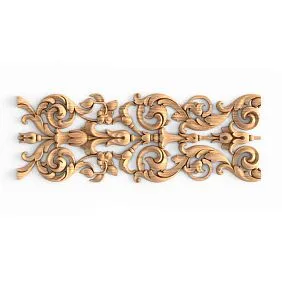
Our factory also produces:




1.2. Protective function
Regardless of whether the artwork is on canvas, paper, or another material, the frame helps protect it from dust, mechanical damage, and sunlight (especially if protective glass is used). This is especially important if you plan to place the painting in a high-traffic area or on a wall exposed to sunlight.
Get Consultation
1.3. Structuring function in interior design
In interior design, the frame serves not only as 'clothing' for the painting but also becomes an independent decorative element. A properly chosen frame helps link the artwork with the overall style of the room, highlight it against walls and furniture, and visually 'assemble' a composition from multiple works of art.
2. Advantages of wooden frames
2.1. Natural beauty of wood
One of the key advantagesto buy a wooden frame for a painting is the natural beauty and uniqueness of wood. Each wood species has its own grain, tone, and fiber pattern, giving the item a unique character. The natural warmth and eco-friendliness of wood make wooden frames an ideal solution for most styles — from classic to modern minimalist directions.
2.2. Durability and Longevity
High-quality wooden frames are characterized by high mechanical strength and durability. With proper treatment, wood can retain its appearance for decades without cracking or losing color saturation. This is especially important if you want to invest in a frame that will serve not only you but also future generations.
2.3. Ecological Safety
Natural wood is one of the most eco-friendly materials, emitting no harmful substances and having no negative impact on human health. In the context of modern eco-design and the trend toward using natural materials, wooden frames become especially relevant. Moreover, many manufacturers use wood sourced from responsibly managed forests, certified by FSC or PEFC.
2.4. Wide range of styles and finishes
From strict minimalist forms to intricate carving — wood is easily workable, allowing for frames in the most diverse styles and finishes. You can choose:
● Classic carved frames with patina, ideally suited for interiors in the Empire, Baroque, or Provence styles;
● Minimalist straight frames that will fit seamlessly into modern loft or Scandinavian interiors;
● Combined frames combining wood with metal or glass, for ultra-modern spaces.
3. Types of wooden frames: brief overview
3.1. By wood species
● Oak. Characterized by rich color, expressive texture, and strength. Suitable for luxurious interiors where classicism and solidity are valued.
● Ash. Has a light palette and fine wood grain pattern, looks great in modern and Scandinavian interiors.
● Pine. More affordable, but requires more careful handling, as it is softer than oak or ash. Easily stains and patinas.
● Beech. Considered a universal species with uniform texture, which can be painted in various tones.
3.2. By profile
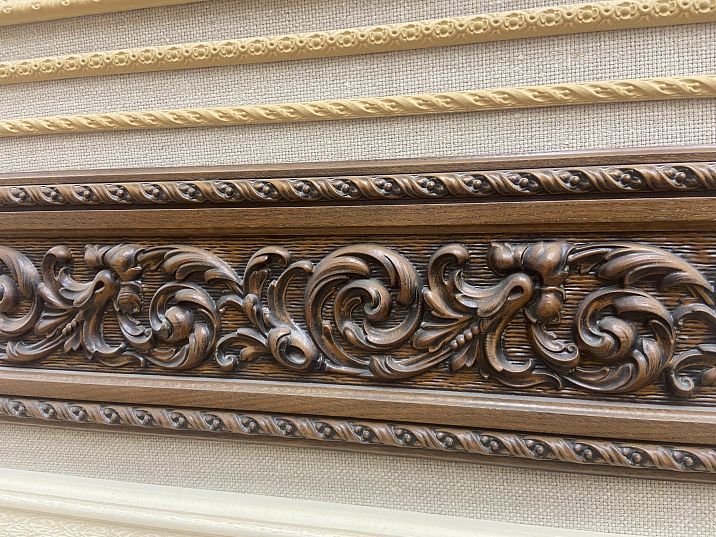
● Ornamental (carved, classic). Features complex patterns, scrolls, and carving elements. Often used in classic interiors.
● Straight (minimalist). Simple profile without unnecessary details, ideally suited for modern styles.
Slightly rounded. A universal option that matches most styles — from country to neoclassical.
3.3. By finishing method
Natural finish (varnish, oil). Preserves the natural texture and tone of the wood.
Painting. Allows choosing any color, contrasting or matching the tones of the painting and interior.
Patina and brushing. Create an aged effect, emphasizing the wood grain. Especially relevant in Provence, country, and shabby chic styles.
Combined solutions (wood + metal, wood + glass). Suitable for high-tech and modern styles.
4. Criteria for selecting picture molding
4.1. Compatibility with the painting and interior style
Beforeto buy a wooden frame for a paintingIt is important to consider not only the painting itself but also the space where it will be placed. If the artwork is in a classical style, a decorative molding with gilding will be appropriate. For abstract or minimalist works, a straight profile with a minimalist finish is preferable.
4.2. Size and proportions
The width of the molding should harmonize with the size of the painting. A too thin frame may disappear against a large canvas, while an overly thick one may 'overload' the artwork and distract from its subject. The optimal proportion is when the molding visually emphasizes the painting without drawing attention to itself.
4.3. Quality of processing and assembly
Pay attention to the quality of joints, profile flatness, absence of burrs and scratches. A well-made molding should not show visible glue marks or unevenness, and corners should align precisely. The final finish (varnish, paint) should be applied evenly, without streaks or drips.
4.4. Certification and eco-friendliness
When purchasing wooden molding, it is advisable to ask the seller about the source of the wood and whether the production meets ecological standards. The presence of FSC or PEFC certificates indicates that the timber used for molding is responsibly managed, without harm to the environment.
5. Where to buy picture molding: main options
5.1. Specialized molding and frame stores
In large cities, there are stores specializing in selling picture moldings and frames. Here you can:
● Evaluate the product quality 'in person';
● Compare several options for finish and profiles;
● Receive professional consultation.
5.2. Online stores and e-commerce platforms
Modern technologies allowto buy a wooden frame for a paintingwithout leaving home. One of the proven resources is the platform .Pogonazh iz massivawhere a wide variety of moldings from different wood species and finishes are available. Advantages of online purchases:
● Wide selection of models and styles;
● Ability to read reviews from other customers;
● Convenient delivery and affordable prices;
● Ability to compare several options simultaneously, based on photos and descriptions.
5.3. Custom orders from craftsmen
For exclusive projects or if you want to emphasize individuality, you can order a molding according to your own sketch from a carpenter or woodcarver. This approach allows:
● Choose a rare wood species;
● Order unique carving or decorative elements;
● Precisely match the size and style of the frame to the specific painting.
However, it should be noted that custom manufacturing may take more time and cost more than purchasing a ready-made item.
6. Mounting and framing paintings in wooden frames
6.1. Preparing the painting and frame
Before inserting the painting into the frame, ensure the following points:
- The canvas is stretched on a stretcher (if it's a canvas) or secured on a rigid base (if it's paper or thin material).
- The frame has appropriate internal dimensions. If passe-partout is used, account for additional space.
6.2. Methods of Fastening
- Back panel and clips. Often, frames include a back panel secured with special clips. This simplifies the process of inserting the painting.
- Staples and nails. In classic workshops, frames are secured using small nails and staples, carefully pressing the canvas against the back of the frame.
- Sealing tapes. If necessary to prevent dust from entering, special sealing tapes may be used around the perimeter of the frame and glass (or back panel).
6.3. Wall mounting
When mounting the frame on the wall, consider the weight of the structure and the type of wall:
● For concrete or brick walls, use anchors and self-tapping screws.
● For drywall, use "butterfly" or "driva" type fasteners.
● Ensure that the mounting hardware is rated for the weight of the painting plus the frame.
6.4. Composition tips
If you plan to mount several paintings in wooden frames on the wall, plan their arrangement in advance. You can use the following techniques:
● Symmetrical placement (in a line or grid) — creates a strict and neat composition.
● Gallery at different levels (taking into account different heights and formats) — adds dynamism and originality to the wall.
● Focus on one painting — if you have a particularly valuable piece, make it the central element, and place the others around it at a small distance.
7. Care and maintenance of wooden frames
7.1. Regular cleaning
To maintain the attractive appearance of the frame, simply wipe it with a soft dry cloth to remove dust. If necessary to remove stains, use a slightly damp cloth, but avoid aggressive cleaning agents that may damage the finish.
7.2. Humidity and temperature control
Wood is a natural material sensitive to changes in humidity and temperature. Sudden climate changes in the room may cause cracks or deformation of the frame. Try to maintain stable humidity (around 40–60%) and avoid placing the painting near heat sources or direct sunlight.
7.3. Damage prevention
● Handle with care. Be careful when moving furniture or cleaning to avoid touching the frame or leaving scratches.
● Regular inspection. Periodically check for small cracks or chips. If you notice defects, you can perform light restoration by sanding and repainting the affected area.
7.4. Restoration and refreshment
If, over time, the frame loses its luster or sustains significant damage, restoration work can be performed:
- Removing old finish (if it is peeling or cracked).
- Sanding damaged areas.
- Applying a new layer of varnish or paint.
- Filling cracks with special wood putty if necessary.
8. Wooden picture frame for paintings and interior: style tips
8.1. Classic interior
For classic interiors, frames made from noble woods (oak, beech), adorned with carving, patina, or gold leaf, are suitable. Such frames emphasize the elegance of the setting and create an atmosphere of luxury.
8.2. Modern minimalism
In modern styles (high-tech, loft, scandi), simple forms and light shades are more commonly used. A straight-profiled frame made of pine or beech, with a minimalist finish (clear varnish or matte paint), will highlight the purity of lines and the aesthetics of minimalism.
8.3. Provence and country
Light and pastel tones, aged effect, soft lines — all of this combines well with a wooden frame covered with patina or brushing. Such a solution brings a touch of coziness and romance into the interior.
8.4. Eclecticism and fusion
If you like mixing different styles, don't be afraid to experiment: combine classic frames with modern paintings or, conversely, minimalist frames with vintage posters. The key is to maintain a consistent color palette and harmony.
9. Examples of using wooden frames in various spaces
9.1. Office or reception area
In business spaces, it is often necessary to emphasize the solidity and status of the company. Framing certificates, awards, and diplomas in wooden frames adds a professional touch and fosters trust. Dark tones (wenge, walnut) with minimal decoration are especially appropriate.
9.2. Living room
In the living room, a wooden frame can become a central compositional element if you decide to hang a large painting above the sofa or fireplace. The natural wood texture will add warmth and coziness, and a well-chosen frame color will harmonize with furniture, curtains, and other accessories.
9.3. Bedroom
For the bedroom, calm, gentle tones and simple shapes are suitable. If you like to decorate walls with photographs or reproductions, a wooden frame with a matte finish and soft color (cream, beige, light gray) will create an atmosphere of relaxation and harmony.
9.4. Children's room
In a child's room, you can use brightly painted wooden frames that emphasize the cheerful mood of the space. However, it is important that the paint is environmentally safe and free of toxic vapors. Such frames look great with children's drawings, certificates for participation in contests, and photos from holidays.
10. The future of wooden frames: innovations and eco-trends
10.1. New processing technologies
With technological advancements, manufacturers experiment with laser carving and 3D printers, enabling the creation of unusual patterns on wood. Also popular are combined solutions: wood + metal, wood + acrylic, which allows for developing even more creative frame designs.
10.2. Sustainable development and conscious consumption
In the modern world, more attention is being paid to ecological aspects and responsibility toward nature. When choosingto buy a wooden frame for a painting it is worth asking the seller whether they have FSC or PEFC certification, guaranteeing that the wood is sourced from responsible sources and that production does not harm ecosystems.
10.3. Preservation of traditions and handcrafting
Despite progress, hand carving and traditional finishing techniques remain in demand. Masters skilled in old woodworking methods create exclusive frames that are valued by art connoisseurs and collectors. Perhaps, in the future, the combination of tradition and innovation will become the main trend in wooden frame production.
11. Conclusion
Choosing a picture frame is an important and responsible step that determines how the artwork will be perceived in the interior.to buy a wooden frame for a painting — means selecting an eco-friendly, durable, and aesthetically pleasing material capable of highlighting the beauty and significance of the artwork. The variety of shapes, wood species, and finishes allows you to find the perfect solution for any style — from classic to ultra-modern.
The advantages of wooden frames are obvious: they are durable, eco-friendly, possess natural beauty, and easily blend into any interior. It is only necessary to pay attention to the quality of manufacture, stylistic compatibility with the room, correct proportion selection, and careful installation. Timely care and careful handling will help preserve the frame’s original appearance for many years.
In today’s world, where individuality and conscious choices are increasingly valued, a wooden frame becomes not just a utilitarian accessory, but part of an overall eco-design concept and care for the environment. Innovative processing technologies, certification of wood materials, and the combination of tradition with a creative approach allow manufacturers to offer a wide range — from minimalist, sleek models to luxurious carved frames with gold leaf. Choosingto buy a wooden frame for a paintingyou invest not only in beauty and durability, but also in the atmosphere of coziness and natural harmony that will surround you in everyday life.
Let your choice of frame reflect your taste, style, and relationship to art. Do not be afraid to experiment, combine different materials and color solutions — for it is precisely the details that give the interior its character and allow you to create a unique space where every detail speaks of your individual perception of the world.