Article Contents:
- Origins of the Craft and Traditions of Table Making
- Deep Roots of Folk Art
- Role of Folk Art in Forming Unique Models
- Combination of traditions and modern technologies
- Creative Approach and Individual Design
- Ecological responsibility and sustainable development
- Harmony of Forms and Lines
- Symbolism and Emotional Impact
- Attention to Detail and Final Finishing
- Central Element of the Living Room and Dining Room
- Influence on the Overall Interior Style
- Innovative Design Solutions
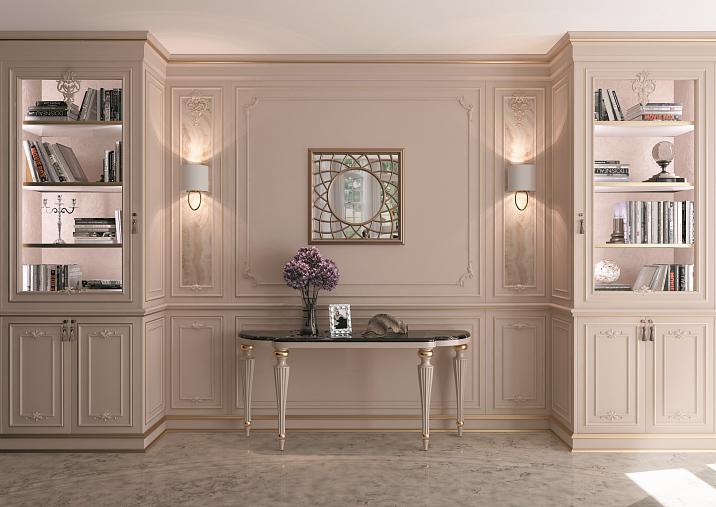
Wooden tables have long occupied a special place in the interiors of homes, offices, and public buildings. Their manufacture is not merely a craft but a philosophy that combines tradition, skill, and innovation. In every detail and line of these furniture pieces, history, individuality, and love for natural materials are reflected. Modern masters, using age-old techniques and contemporary processing methods, create items capable of transforming space, bringing warmth, and highlighting the status of the owners.


Origins of the Craft and Traditions of Table Making




Deep Roots of Folk Art
The making of wooden tables has a multi-century history, tracing back to folk art. Since ancient times, wood has been considered a symbol of strength, longevity, and fertility. Primitive tribes used it not only for building dwellings but also for creating basic household items, among which tables held a special place. Such tables served as the center of family gatherings, public meetings, and ceremonies, symbolizing unity and continuity across generations.
For centuries, the traditions of making wooden tables were passed from master to apprentice, where each new technique was enriched with new decorative elements and functional features. Masters studied the properties of wood, selecting the strongest and most beautiful species, which allowed them to create items that were not only aesthetically refined but also highly durable and long-lasting.
Our factory also produces:


Role of Folk Art in Forming Unique Models
In every culture, one can find traditional table forms reflecting the characteristics of lifestyle and tastes of a particular era. In Russia, for example, the making of wooden tables has always been closely linked to the rich tradition of wood carving. Masters not only created functional items but also adorned them with patterns symbolizing fertility, prosperity, and protection from evil forces. These elements carried deep symbolic meaning, and each carved detail told its own story.
Such tables became not just furniture, but true cultural artifacts passed down from generation to generation, preserving the spirit of the time and the creative heritage of ancestors. This experience, passed down with love and care, is reflected in modern products, where traditional processing methods combine with innovative technologies.
Get Consultation
Modern Approaches to Making Wooden Tables
Combining traditions and modern technologies
Today, the production of wooden tables is a process where the best traditions of craftsmanship and modern achievements in wood processing are considered at every stage. The use of modern tools and computer numerical control (CNC) machines allows masters to achieve the highest precision in executing decorative elements, without losing the emotional warmth of handcrafted work.
Such a synthesis of technologies enables the creation of tables that are simultaneously works of art and functional interior elements. Modern manufacturers pay special attention to wood selection, adhering to ecological standards and using only proven species capable of highlighting the natural beauty of the material. It is precisely this quality, combining age-old traditions and the latest technologies, that allows masters to successfullymake wooden tables, satisfying the most demanding client requests.
Creative Approach and Individual Design
Each table created by masters is a unique piece developed according to the individual preferences of the client and the characteristics of the space. At the same time, both the aesthetic component and the functionality of the item are important. Masters strive not merely to create a table, but to embody an idea that will highlight the character of the interior and create a unique atmosphere of comfort and harmony.
The design development process begins with a careful study of the client's wishes, analysis of the space, and selection of the optimal solution. The result of such creative search is an item that not only pleases the eye but also serves practical purposes, possessing high durability and longevity. Thanks to an individual approach, each dining table model acquires its own unique story, making them special and sought-after in the modern world.
Environmental responsibility and sustainable development
In the context of modern ecological challenges, special attention is given to issues of sustainable development and conservation of natural resources. Masters working with solid wood always recognize the responsibility for using natural materials. Therefore, when manufacturing tables, they prefer wood sourced from sustainable sources and apply technologies that minimize negative impact on the environment.
Such an approach not only ensures high-quality products but also contributes to preserving ecological balance, which has become an important criterion for modern consumers. Items created with love for nature and respect for traditions become true symbols of sustainable development and ecological responsibility.
Aesthetics and functionality: the art of creating wooden tables
Harmony of forms and lines
A wooden table is not just furniture; it is an object capable of transforming any space, bringing warmth and coziness. Masters pay special attention to every line and form, striving to create an item that will harmoniously blend with the surrounding interior. At the same time, visual appeal is important, but so is the practicality of the item. Each structural element is carefully considered to ensure maximum functionality and longevity of the table.
The harmonious combination of classic forms and modern trends allows creating tables that will serve as a focal point in any interior. Such items not only perform utilitarian functions but also become true works of art capable of inspiring and delighting their owners.
Symbolism and emotional impact
Wooden tables possess a special symbolic meaning. They symbolize home warmth, traditions, and generational connections. In every detail, one can see not only the craftsmanship of artisans but also a deep meaning conveying the atmosphere of family gatherings, communication, and creative unity. It is precisely this emotional impact that makes such tables indispensable elements in interiors where one values not only aesthetics but also soulfulness.
Each table tells its own story: whether it is a simple model for everyday use or an exquisite designer solution for a festive interior, it carries a piece of cultural heritage embodied in natural material. Such a table becomes not just furniture, but a symbol of life energy, strength of traditions, and eternal beauty of wood.
Attention to detail and final finishing
The process of manufacturing wooden tables requires special attention to details. Each stage—from selecting the blank to the final surface finishing—is performed with maximum care. Masters apply various processing techniques, ranging from traditional hand carving to modern lacquering methods, allowing them to achieve flawless smoothness and gloss of the item.
Final finishing plays an important role in creating an aesthetically perfect table. Natural oils, varnishes, and waxes used in the process not only protect the wood but also highlight its natural texture, making the surface more expressive and rich. Such an approach allows masters to create tables that delight the eye and serve for many years, remaining unchanged guardians of home coziness.
Role of wooden tables in interior design: functionality and style
Central element of the living room and dining room
In most interiors, a wooden table occupies a central position, serving not only as a functional object but also as a key decorative element. It becomes a place where the family gathers for shared meals, where important meetings take place and future plans are discussed. Such a table symbolizes unity, warmth, and traditions, creating an atmosphere of trust and togetherness.
Masters, when crafting wooden tables, pay special attention to ensuring that the item not only fits into the overall interior concept but also emphasizes its individuality. The combination of classic lines with modern accents allows creating a table that will look appropriate both in traditional and contemporary settings. This makes it a universal solution for any room.
Influence on the overall interior style
A wooden table can dramatically change the perception of space. Its warm natural tone, unique texture, and refined design give the room a special charm, making it more cozy and harmonious. Such a table not only performs a practical function but also becomes an expressive element of style, reflecting the taste and character of the owners.
Interiors dominated by natural wood are associated with eco-friendliness, naturalness, and heartfelt warmth. In such spaces, a wooden table becomes not just furniture, but a true focal point, attracting guests' attention and creating an atmosphere of home coziness. It is capable of unifying all decorative elements, making the interior cohesive and complete.
Innovative Design Solutions
Modern trends in interior design constantly open up new opportunities for using natural materials. Masters experiment with forms, integrating modern elements into classic models, allowing them to create items capable of meeting the most diverse requests. Such tables may be equipped with additional functional elements, built-in storage, or transformable structures, making them not only beautiful but also practical.
Innovative design solutions allow masters to create exclusive models that meet even the most demanding clients' requirements. Such a creative approach, combining traditional techniques with modern methods, turns a wooden table into a true work of art capable of becoming a central element of any interior.
Conclusion: the eternal art of crafting wooden tables
Manufacturing wooden tables is an art that combines centuries-old traditions, deep respect for nature, and a drive for innovation. Masters, possessing impeccable style sense and professionalism, transform ordinary wood into unique works capable of inspiring and transforming any space. Each table carries a piece of history passed down from generation to generation, symbolizing an eternal pursuit of perfection.
Modern approaches to manufacturing wooden tables not only preserve craftsmanship traditions but also introduce innovative technologies, making the product functional, aesthetically pleasing, and long-lasting. That is why many admirers of unique interior items turn to those who are able tomake wooden tables with soul and attention to detail.
Thus, a wooden table becomes not just furniture, but a center of life, a place where traditions and modernity intertwine, where every line and every texture tells a story about love for natural materials and the pursuit of creating eternal art. This item is capable of enhancing any interior, bringing warmth and coziness, becoming a symbol of family traditions and cultural heritage.
The future of woodworking, based on wood processing, depends on those who are able to respect the past, introduce innovations, and creatively approach the creation of new models. Masters, constantly refining their techniques and experimenting with new solutions, create tables capable of meeting even the most demanding modern requirements. Each item becomes a reflection of deep knowledge, professional craftsmanship, and boundless love for their craft.
In the end, the art of crafting wooden tables remains alive and dynamic, embodying the entire palette of feelings and emotions inherent in natural materials. This is an art in which each item becomes not only a functional object but also a carrier of cultural traditions, a symbol of home coziness and an eternal pursuit of perfection.
Thus, wooden tables crafted with attention to every detail become true works of art capable of transforming interiors, bringing warmth and a family atmosphere. Masters possessing deep knowledge and boundless love for their craft continue traditions of past centuries, creating items that will delight the eye and serve for many years. Modern technologies, combined with ancient processing methods, allow creating tables capable of meeting the most demanding requirements and becoming true ornaments of any home or office.