Article Contents:
- Evolution of wooden supporting elements: from necessity to art
- Historical roots of wooden columns
- From functionality to decorativeness
- Modern renaissance of wooden decor
- Anatomy of perfection: components of wooden columns
- Classic column structure
- Features of wooden staircase posts
- Technical specifications of modern wooden supports
- The nobility of material: wood species for making columns and posts
- Premium wood species
- Traditional Wood Species
- Exotic wood species
- The art of carving: styles and techniques for decorating wooden columns
- Classical orders and their modern interpretations
- National carving traditions
- Modern carving techniques
- Functional use of wooden columns and posts in modern interiors
- Staircase structures
- Architectural Interior Elements
- Furniture elements
- Production technologies: from trunk to masterpiece
- Material preparation
- Turning processing
- Carving and decoration
- Final Finishing and Protection
- Integration of wooden columns into various interior styles
- Classic style
- Modern style
- Ethnic Styles
- Eco-style and minimalism
- Practical aspects of selecting and installing wooden columns
- Determining required parameters
- Installation and mounting
- Maintenance and care
- Economic aspects of acquiring wooden columns
- Pricing and cost factors
- Investment attractiveness
- Comparison with alternative solutions
- Trends and innovations in the world of wooden columns
- Modern design trends
- Technological Innovations

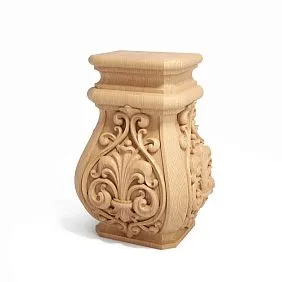
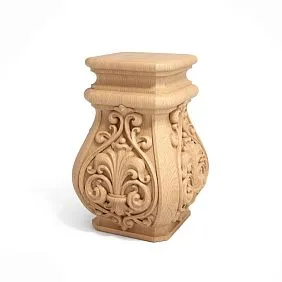
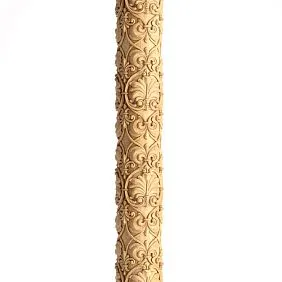
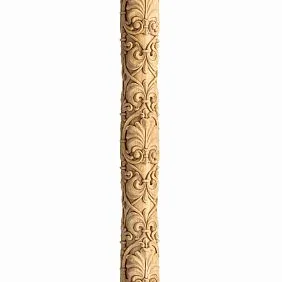
Imagine an interior that stops you in your tracks with awe. What creates this effect? Often — architectural elements, among which carved wooden columns, supports, and posts hold a special place. carved wooden columns, supports, postsThese majestic details do not merely support structures — they define the character of the space, tell the story of the house and its owners, and create an atmosphere of noble luxury that cannot be achieved by any other means.
In this article, we explore the remarkable world of wooden supporting elements — from their historical significance to practical applications in modern interiors. You will learn why wood remains unmatched in creating truly warm, lively spaces, and how to properly select carved elements that will become a source of pride in your home for decades.


Evolution of wooden supporting elements: from necessity to art




Historical roots of wooden columns
The first wooden supports appeared long before the stone columns of ancient temples. Archaeological findings indicate that as early as the 6th-5th millennia BCE, wooden posts were already used in dwellings to support roofs. Interestingly, even the famous stone columns of ancient Greece initially copied the forms of their wooden predecessors.
In medieval Europe, wooden supporting structures reached an incredible level of refinement in half-timbered houses, where carved posts not only performed a load-bearing function but also became an important decorative element. Masters of that time created unique patterns that served as a kind of builder's signature and protective charm for the house.
In Russia, wooden architecture developed along a unique path. Russian masters created astonishingly beautiful and ingeniously designed structures without a single nail. Carved posts of verandas, galleries, and interior rooms were richly adorned with geometric and floral carvings, reflecting the worldview of our ancestors.
Our factory also produces:


From functionality to decoration
Over time, purely functional supports transformed into works of art. In the Baroque and Rococo eras carved wooden columns, supports, posts they became an indispensable part of luxurious interiors. Masters created twisted columns with grapevines, acanthus leaves, putti figures, and other complex decorative elements.
In Russian estates of the 18th-19th centuries, wooden columns often adorned formal halls, creating an illusion of ancient porticos. Even in peasant homes, carved posts of verandas and interior supports were decorated with intricate carvings, demonstrating the homeowner's skill and the family's status.
The Industrial Revolution temporarily pushed manual craftsmanship to the background, but by the era of modernism, interest in natural materials and handcrafting revived. Architects of the early 20th century, such as Antoni Gaudí and Victor Horta, incorporated organic wooden elements into their projects, inspired by natural forms.
Get Consultation
Modern Renaissance of wooden decoration
Today we witness a true revival of interest in traditional materials and techniques. In the age of plastic and concrete, natural wood becomes a symbol of ecological sustainability, individuality, and connection to traditions. Modern carved wooden columns, supports, posts combine centuries-old carving traditions with innovative wood processing and protection technologies.
Designers use wooden columns not only in classical interiors but also in modern spaces, creating an interesting contrast between traditional forms and minimalist surroundings. Carved wooden elements become central accents in interiors, bringing warmth, individuality, and a sense of connection to history.
Anatomy of perfection: components of wooden columns
Classic column structure
A traditional architectural column consists of three main parts:
- Base (foundation) - the lower part of the column, ensuring stability and a smooth transition from the floor to the shaft. In classical orders, bases have various profiles: from simple Tuscan to complex Corinthian with multiple moldings and volutes.
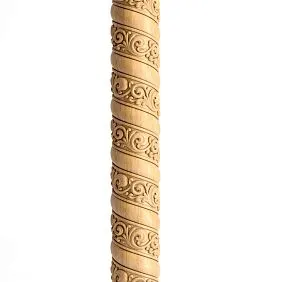
- Shaft (fust) - the main part of the column, which may be smooth, fluted (with vertical grooves), spiral, or richly carved. Shafts of classical columns often have entasis - a slight bulge in the middle, creating an optical illusion of a perfectly straight line.
- Capital - the top part of the column, serving as a transition from the shaft to the supported structure. It is often the capital that defines the architectural order of the column: Doric (simple and strict), Ionic (with characteristic volutes), Corinthian (with lush acanthus leaves), or Composite (combining elements of different orders).
Features of wooden stair posts
Stair posts have their own specificity, distinguishing them from classical columns:
- Support (load-bearing) posts - installed at the beginning, end, and turns of the staircase. They bear the main load and must have increased strength. The diameter of such posts is usually 120 to 200 mm, depending on the staircase design.
- Intermediate posts - installed between supports to support handrails and balusters. They may have a smaller diameter (80 to 120 mm) and a more elegant shape.
- Decorative finials - special elements installed on the top of posts to give a finished look and additional decorative effect. Finials may have the shape of a sphere, pyramid, cone, flower, or other elements.
- Base of posts - lower decorative elements ensuring a smooth transition from the floor to the post and giving the structure a finished appearance.
Technical specifications of modern wooden supports
Modern carved wooden columns, supports, posts These are not just beautiful, but also technologically advanced products:
- Size range - standard heights of stair posts vary from 900 to 1200 mm for intermediate posts and 1200 to 1800 mm for supports. Diameter may range from 80 to 200 mm. Interior columns may reach ceiling height (2.5–3.5 m) and have a diameter up to 400 mm.
- Load-bearing capacity - a well-made oak post with a 150 mm diameter can withstand a vertical load of up to 1500 kg, providing a safety margin that ensures the structural safety.
- Moisture resistance - modern impregnations and coatings allow using wooden elements even in humid rooms, providing protection against swelling and deformation.
- Fire resistance - special fire-retardant compounds increase the resistance of wooden elements to high temperatures, which is especially important for load-bearing structures.
- Bioprotection - professional wood treatment with antiseptics guarantees protection against fungi, mold, and insects for up to 15-20 years.
Material nobility: tree species for manufacturing columns and posts
Premium wood species
The choice of wood species determines not only the appearance, but also the durability, strength, and cost of the product:
- Oak - the king among wood species for manufacturing load-bearing elements. Its advantages:
- Exceptional strength (hardness 3.7 on the Brinell scale)
- Expressive texture with characteristic radial rays
- High resistance to moisture and decay
- Noble golden-brown color, which becomes even more beautiful over time
- Service life up to 100 years and more with proper treatment
- Ash - a worthy competitor to oak:
- Strength comparable to oak (hardness 3.5-4.0)
- Light color with expressive annual rings
- Elasticity and resistance to mechanical impacts
- Good workability, allowing for complex carved elements
- Service life 60-80 years
- Walnut - synonym of luxury and elegance:
- Rich dark-brown color with a purple tint
- Silky texture with an attractive pattern
- High dimensional stability
- Excellent workability, ideal for intricate carving
- Service life 70-90 years
Traditional wood species
More affordable, yet equally worthy alternatives:
- Beech - a reliable and practical choice:
- High density and hardness (3.5-4.0)
- Uniform structure, minimal knots
- Light-yellow color with a pinkish tint
- Easily processed and stained
- Service life 50-70 years
- Larch - the strongest among coniferous species:
- High density and resin content, providing natural protection
- Beautiful amber color with pronounced texture
- Exceptional moisture resistance (can be used even in saunas)
- Service life up to 80 years
- Spruce - optimal price-to-quality ratio:
- Affordable cost with respectable characteristics
- Easy to process due to soft structure
- Warm golden hue
- Aromatic effect due to essential oils
- Service life 30-50 years with proper treatment
Exotic wood species
For those seeking truly unique solutions:
- Merbau - tropical wood with exceptional characteristics:
- Extreme hardness (4.9 on Brinell)
- Rich red-brown color with a coppery sheen
- High resistance to moisture and temperature fluctuations
- Minimal susceptibility to deformation
- Service life over 100 years
- Wenge - symbol of modern luxury:
- Deep dark brown, almost black color
- Contrasting grain patterns creating a unique design
- High density and wear resistance
- Perfectly complements modern interiors
- Service life 80-100 years
- Teak - legendary wood with a maritime history:
- High content of natural oils providing water resistance
- Golden-brown color with a silky sheen
- Exceptional dimensional stability even under extreme conditions
- Natural resistance to fungi and insects
- Service life over 100 years
Carving art: styles and techniques for decorating wooden columns
Classical orders and their modern interpretations
Architectural orders, originating in Ancient Greece and developed by the Romans, remain the foundation for creating columns:
- Doric order - the most strict and concise:
- No base, column starts directly from the floor
- Simple capital with echinus (pad) and abacus (square plate)
- Minimal number of decorative elements
- Proportions: column height is usually equal to 5-7 diameters of the shaft
- Ionic order - more elegant and decorative:
- Presence of a base with profiled rings
- Characteristic capital with volutes (spiral curls)
- More slender proportions: column height equals 8-9 diameters
- Often decorated with fluting (vertical grooves)
- Corinthian order - the most ornate and decorative:
- Complex base with several profiles
- Luxurious capital with acanthus leaves arranged in two tiers
- Slender proportions: column height equals 10-12 diameters
- Richly decorated shaft
Modern masters often create interpretations of classical orders, adapting them to contemporary interiors. For example, they simplify forms while preserving recognizable proportions, or combine elements of different orders to create unique compositions.
National woodcarving traditions
Different cultures have created their unique styles of woodcarving:
- Russian carving - distinguished by richness and variety:
- Geometric carving with diamonds, rosettes, stars
- Plant carving with characteristic motifs: grapevines, oak leaves, berries
- Zoomorphic carving with bird images (especially popular are roosters and phoenixes)
- Openwork carving for especially decorative elements
- Scandinavian carving - restrained and expressive:
- Plaited ornaments resembling Celtic knots
- Stylized images of dragons and sea monsters
- Runes symbolism
- Clear geometric forms
- Eastern carving - refined and detailed:
- Complex geometric patterns (arabesques)
- Multi-layered openwork carving creating a lace-like effect
- Plant motifs with high degree of stylization
- Calligraphic elements
Modern carving techniques
Today, traditional carving art is enriched with new technologies:
- Combined carving - combination of different techniques in one piece:
- Relief carving for main elements
- Counter-relief (recessed) for background
- Through carving for creating lightness and airiness
- Inlay with other wood species or materials
- Artistic milling - use of modern equipment:
- Creation of complex 3D forms using CNC machines
- High precision execution (up to 0.01 mm)
- Ability to accurately reproduce historical samples
- Combining machine processing with hand finishing
- Laser engraving - for creating delicate details:
- Application of complex patterns without mechanical impact on wood
- Creation of micro-relief with engraving effect
- Ability to personalize items (monograms, coats of arms)
- Combining with traditional carving for unique effects
Functional use of wooden columns and posts in modern interior design
Staircase structures
carved wooden columns, supports, posts are key elements of staircases:
- Starting posts - installed at the beginning of the stair run:
- Diameter is usually 150-200 mm to ensure strength
- Height 1200-1800 mm
- Often have decorative tops
- Used for attaching handrails and balusters
- Create a visual accent, 'inviting' to the staircase
- Turning posts - installed at turns of the staircase:
- Provide structural rigidity at bends
- Serve as support for handrails on adjacent runs
- May have a special construction with cutouts for mounting handrails at different angles
- End posts - installed at the end of the stair run:
- Secure the railing structure
- Often have a more elegant shape than the initial ones
- Create compositional completeness
- Intermediate posts - installed between main ones:
- Provide additional support for handrails
- Create a rhythmic pattern in the railing
- May have a smaller diameter (80-120 mm)
Architectural interior elements
Besides stairs, wooden columns are used as important architectural elements:
- Load-bearing columns - support floors and beams:
- Diameter from 200 mm and above, depending on load
- Height from floor to ceiling (usually 2.5-3.5 m)
- May be solid or composite
- Often used in open floor plans for zoning space
- Decorative columns - create visual accents:
- Installed at doorways, arches, openings
- May be half-columns (pilasters) attached to walls
- Create an effect of a grand, ceremonial space
- Often used in pairs to frame significant zones
- Zoning columns - divide space without building walls:
- Create visual separation of functional zones
- May be combined with other elements (glass partitions, curtains)
- Allow maintaining a sense of spaciousness while functionally dividing the room
Furniture elements
Wooden columns and posts are actively used in furniture manufacturing:
- Table supports - create a sturdy, solid appearance:
- Central column for round tables
- Corner columns for rectangular and square tabletops
- Combinations with other materials (glass, metal)
- Bed elements - give the bedroom a luxurious look:
- Corner posts for canopy beds
- Decorative columns in the headboard
- Support elements for tall headboards
- Cabinet and bookcase components - create a classic look:
- Corner columns for display cabinets
- Decorative pilasters on facades
- Support elements for built-in structures
Production technologies: from log to masterpiece
Material Preparation
Creating quality of wooden carved columns, supports, posts begins with careful material preparation:
- Log selection - a critically important stage:
- Selection of logs without visible defects (cracks, knots, signs of pest damage)
- Moisture check (optimal level 8-12%)
- Tree age assessment (for columns, medium-aged wood with optimal strength-to-flexibility ratio is preferred)
- Drying - determines the future stability of the item:
- Natural drying (takes 1-2 years, but ensures the best quality)
- Kiln drying (accelerated process with controlled parameters)
- Combined drying (initial natural drying followed by finishing in a kiln)
- Preparation of blanks - forming the basis of the future item:
- Sawing logs into beams
- Primary processing to remove bark and sapwood
- Gluing blanks to achieve the required diameter (for large columns)
- Drying glued blanks for stabilization
Turning Processing
The main shape of the column is formed on a lathe:
- Rough turning - creating the basic cylindrical shape:
- Centering the blank on the lathe
- Gradual material removal to achieve the correct geometric shape
- Diameter control along the entire length
- Profile formation - creating characteristic column elements:
- Turning the base with profiled rings
- Forming entasis (a slight bulge) in the middle section of the shaft
- Creating a capital with necessary elements
- Strict adherence to proportions according to the selected style
- Final turning operation - preparation for carving:
- Fine chamfering to achieve a perfectly smooth surface
- Creating technological recesses for subsequent carving
- Grinding on a machine using abrasive materials of varying grit
Carving and decoration
At this stage, the column acquires its unique appearance:
- Marking - creating a template for carving:
- Applying a pattern onto the column surface
- Using special stencils and marking tools
- Dividing the surface into segments for symmetrical patterns
- Carving - the most labor-intensive and creative stage:
- Rough carving to remove the bulk of material
- Detailed refinement of ornament elements
- Creating various levels of relief
- Refining small details and textures
- Decorative finishing - final touches:
- Hand grinding of carved elements
- Toning to highlight the relief
- Patination to create an aged effect (if necessary)
- Gilding or silvering individual elements (for particularly luxurious items)
Final finishing and protection
Final stage determining the longevity of the item:
- Final grinding - creating a perfectly smooth surface:
- Sequential use of abrasives with increasing grit fineness
- Special attention to hard-to-reach carving areas
- Removing all burrs and roughness
- Protective treatment - ensuring longevity:
- Applying antiseptics to protect against mold and insects
- Fire retardant treatment for increased fire resistance
- Priming for preparation for final coating
- Final coating - creating the final appearance:
- Finishing with varnish (matte, satin, or glossy)
- Waxing to create a velvet surface with natural luster
- Oil finish to highlight wood texture
- Application of special protective coatings for use in humid areas
Integration of wooden columns into various interior styles
Classic style
In classical interiors carved wooden columns, supports, posts are a natural and organic element:
- Distinctive features:
- Strict adherence to architectural orders
- Symmetrical placement of columns
- Rich carving with plant motifs
- Use of noble wood species (oak, walnut, mahogany)
- Often uses gilding or patination
- Optimal solutions:
- Paired columns at the entrance to the living or dining room
- Columns as framing for a fireplace or home theater
- Half-columns on walls to create a rhythmic pattern
- Columns with fluting to create an effect of strict elegance
- Color palette:
- Natural wood tones from light gold to dark brown
- White or cream columns for neoclassical interiors
- Contrasting combinations of dark wood with light walls
Modern style
In modern interiors, wooden columns create an interesting contrast with minimalist surroundings:
- Distinctive features:
- Simplified forms without excessive decoration
- Emphasis on natural wood texture
- Combining with modern materials (glass, metal, concrete)
- Use of non-standard proportions and shapes
- Optimal solutions:
- Minimalist columns with square or rectangular cross-sections
- Columns with minimalist geometric decoration
- Contrasting combinations (e.g., dark wood in a light interior)
- Columns as part of multifunctional structures (with built-in lighting, niches)
- Color palette:
- Natural light tones (ash, maple, birch)
- Dark contrasting shades (wenge, ebony)
- Toned wood in gray and graphite shades
- Unusual color solutions (whitewashed wood, blackened oak)
Ethnic styles
Wooden columns help emphasize the national character of the interior:
- Russian style:
- Massive columns with rich carving
- Plant and zoomorphic motifs
- Use of traditional species (pine, linden, birch)
- Combination with other elements of Russian decor (moldings, textiles)
- Mediterranean style:
- Columns with capitals resembling classical examples
- Artificially aged surface
- Light, bleached shades
- Combination with wrought iron and ceramics
- Eastern style:
- Carved columns with arabesques and geometric patterns
- Lacy carving creating a lace-like effect
- Dark, saturated wood tones
- Inlay with mother-of-pearl, bone, or metal
Eco-style and minimalism
In eco-interiors, wooden elements play a key role:
- Distinctive features:
- Minimal processing, highlighting the natural beauty of wood
- Preservation of natural shape (columns from whole trunks)
- Absence of chemical coatings, use of natural oils and waxes
- Combination with other natural materials
- Optimal solutions:
- Columns from whole trunks with bark or saw marks preserved
- Solid wood columns with visible texture and growth rings
- Combining wooden supports with greenery
- Use of reclaimed or recycled wood
- Color palette:
- Natural tones without artificial staining
- Contrast of light wood with plant greenery
- Combining different wood species to create a natural palette
Practical aspects of selecting and installing wooden columns
Determining required parameters
Before ordering of wooden carved columns, supports, posts it is necessary to determine key parameters:
- Functional purpose:
- Load-bearing column (requires load calculation)
- Decorative column (priority on aesthetics)
- Staircase post (must match staircase construction)
- Furniture element (considered for compatibility with other furniture)
- Sizes:
- Height (including base and capital)
- Diameter or cross-section
- Proportions (height-to-diameter ratio)
- Dimensions of decorative elements
- Stylistic solution:
- Choice of architectural order or style
- Type and complexity of carving
- Degree of decoration
- Compatibility with overall interior style
- Technical requirements:
- Load-bearing capacity
- Moisture resistance (especially for bathrooms, pools)
- Fire resistance (for public spaces)
- Features of mounting and installation
Installation and Mounting
Correct installation ensures longevity and safety of the structure:
- Preparatory work:
- Marking installation locations
- Foundation preparation (if floor reinforcement is needed)
- Running utilities (if columns are hollow and used for concealed wiring)
- Acclimatization of wooden elements indoors (minimum 48 hours)
- Fastening methods:
- Hidden fastening on metal pin (for floor columns)
- Flanged connection with decorative masking
- Fastening on threaded studs (for load-bearing columns)
- Special brackets for half-columns and pilasters
- Finishing work:
- Covering mounting locations
- Joint and connection fitting
- Final surface treatment on-site
- Installation of additional decorative elements
Care and Maintenance
Proper care significantly extends the service life of wooden elements:
- Regular maintenance:
- Cleaning with soft brush or vacuum cleaner with soft attachment
- Wiping with specialized wood care compounds (1-2 times per month)
- Checking for cracks or damage (twice a year)
- Controlling room humidity (optimal 40-60%)
- Periodic procedures:
- Renewal of protective coating (varnish, oil, wax) every 3-5 years
- Preventive treatment with antiseptics every 5-7 years
- Polishing to restore luster (as needed)
- Damage repair:
- Minor scratches can be masked with wax pencil
- Small cracks are filled with specialized wood putty
- Serious damage requires professional restoration
Economic aspects of purchasing wooden columns
Pricing and cost factors
Cost of wooden carved columns, supports, posts depends on many factors:
- Material:
- Wood species (price difference between pine and oak can reach 300-400%)
- Wood quality (select grade, knot-free, and defect-free wood costs more)
- Age and origin of the wood (older wood is valued higher)
- Manufacturing complexity:
- Type and detail of carving (simple geometric carving is 2-3 times cheaper than complex artistic carving)
- Production method (handmade work costs more than machine-made)
- Dimensions and proportions (non-standard sizes increase cost)
- Finishing and protection:
- Type of finish (wax, oil, varnish, gilding)
- Additional decorative effects (patina, craquelure)
- Special protective compounds for special operating conditions
- Additional services:
- Custom Design
- Delivery and professional installation
- Warranty service
Investment Appeal
High-quality wooden interior elements can be considered a long-term investment:
- Increase in property value:
- Exclusive wooden elements increase the market value of the property by 10-15%
- Create a unique look, making the property stand out on the market
- Attract buyers who value quality and individuality
- Durability:
- The service life of high-quality wooden columns made of hardwoods is 50-100 years
- With proper care, they do not require replacement, unlike many modern materials
- Over time, they acquire patina and character, becoming even more attractive
- Ecological component:
- Growing demand for natural materials increases the value of wooden elements
- Ecological friendliness is becoming an important factor in property valuation
- Wooden elements create a healthy microclimate in the room
Comparison with alternative solutions
Comparison of wooden columns with alternative materials:
- Polyurethane columns:
- Advantages: low cost (3-5 times cheaper than wooden), lightness, moisture resistance
- Disadvantages: short lifespan (10-15 years), susceptibility to mechanical damage, artificial appearance
- Gypsum columns:
- Advantages: ability to create complex shapes, good detailing, low cost
- Disadvantages: brittleness, sensitivity to moisture, difficulty in repair after damage
- Metal columns:
- Advantages: high strength, durability, ability to create openwork structures
- Disadvantages: cold appearance, high thermal conductivity, difficulty in creating classical shapes
- Stone columns:
- Advantages: exceptional durability, prestige, classic appearance
- Disadvantages: very high cost, heavy weight requiring structural reinforcement, complex installation
Trends and innovations in the world of wooden columns
Modern design trends
World of wooden carved columns, supports, posts Continuously evolving, reflecting current design trends:
- Minimalism and simplicity:
- Simplification of classical forms while preserving proportions
- Abandonment of excessive ornamentation in favor of expressive wood texture
- Clean lines and geometric shapes
- Focus on material quality and craftsmanship
- Eco-design:
- Use of wood from responsibly managed sources with FSC certification
- Minimal processing, highlighting the natural beauty of the material
- Application of non-toxic, eco-friendly coatings
- Combination with live plants and other natural materials
- Style mixing:
- Combining classical forms with modern materials
- Integration of traditional carved elements into minimalist interiors
- Combining different wood species in a single piece
- Contrasting combinations (e.g., rough base and elegant carved capital)
- Personalization:
- Creating unique designs tailored to a specific interior
- Integration of personal symbols, monograms, family crests
- Adaptation of historical styles to the individual preferences of the client
- Development of original ornaments and motifs
Technological Innovations
Modern technologies open new possibilities in creating wooden columns:
- Computer modeling and 3D printing:
- Creation of precise digital models with visualization capability in interiors
- 3D printing of prototypes for design approval
- Printing molds for subsequent casting of decorative elements
- Creation of complex ornaments with mathematical precision
- Hybrid materials:
- Combining solid wood with composite materials to enhance strength
- Use of veneer on a high-strength base to create thin decorative elements
- Integration of reinforcing elements to increase load-bearing capacity
- Development of new adhesive compositions for creating monolithic structures
- Smart technologies:
- Integration of LED lighting into column structures
- Embedding sensors (temperature, humidity) for monitoring wood condition
- Creation of columns with changeable appearance (using projection or built-in displays)
- Use of wooden columns as smart home elements (with integrated speakers, charging stations)