Article Contents:
- What are wooden wall panels
- What types of wooden wall panels are there
- Slatted panels
- Smooth wall panels
- Paint-ready panels
- Solid Wood Panels
- Veneered Solutions
- Why slatted panels are one of the strongest formats
- What materials to choose for wooden wall panels
- MDF
- Solid oak
- Veneer and combined solutions
- Where can wooden wall panels be used
- Living Room
- Bedroom
- Entry Hall
- TV Area
- Niches and columns
- Offices, restaurants, showrooms
- How to choose wooden panels by format and construction
- Ready-made panel or separate slat
- Rigid or flexible construction
- For a flat wall or for a curved surface
- For walls, ceilings, or furniture
- How to choose wooden panels by size
- Installing wooden panels on walls
- Foundation Preparation
- Mounting with adhesive
- Installation on a frame
- Joining without visible seams
- What to consider near corners, niches, and outlets
- Wooden panels and room acoustics
- Which color and finish to choose
- For enamel
- For varnish
- For oil
- Natural oak shade
- Contrast solution for modern interior
- How to combine wooden panels with other materials
- Common mistakes when choosing wooden panels
- What to choose for different tasks
- If you need an accent wall
- If painting to match interior color is needed
- If natural wood appearance is needed
- If there is a curved surface
- If a solution for furniture and walls in one style is needed
- Wooden wall panels: selection algorithm
- FAQ: Answers to Popular Questions
- About the Company STAVROS
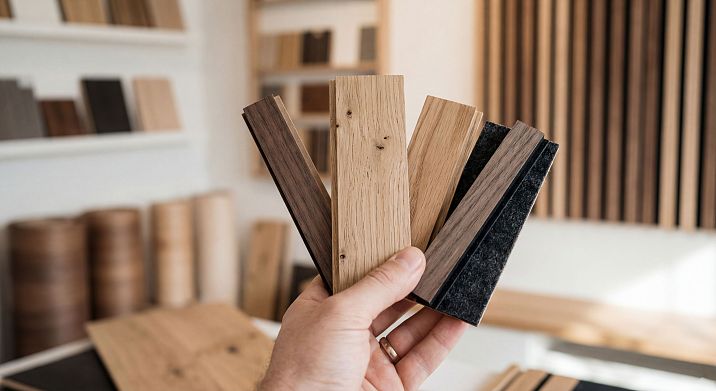
There are things in design that cannot be faked: the living rhythm of the surface, the depth of light and shadow, the tactile power of the material. Wooden wall panels belong precisely to this category. They don't just cover a plane—they shape the character of a space, define its scale and mood. It's no wonder that slatted wall panels have long moved beyond trends and become a stable architectural technique, equally appropriate in a minimalist apartment, a prestigious office, and an atmospheric restaurant.
But how many people start by searching for 'wooden wall panels' and end up confused: solid wood, MDF, veneer, slats, ready-made modules—what to choose? How to avoid buying unnecessary items? How not to make a mistake with the material? This article is your complete guide. There's no fluff or general phrases here: only practical selection logic, specific application scenarios, and precise guidelines for materials, formats, and installation.

What are wooden wall panels
Wooden wall panels are a finishing treatment where the wall surface is formed not by paint or plaster, but by three-dimensional elements made of wood or wood composite materials. The main difference from smooth finishes is in the relief. The panel creates depth, plays with light and shadow, and changes the perception of the room's volume.
Among all types of decorative wall finishes, wooden panels serve several purposes at once:
-
Visually transform the space: vertical rhythm visually raises the ceiling, horizontal rhythm expands the room
-
Create an accent wall effortlessly — one fragment with slatted texture instantly focuses the gaze
-
Improve acoustics: the textured surface scatters sound waves, reduces reverberation
-
Zone the space without physical partitions — especially valuable in open layouts
-
Add a tactile dimension to the interior that neither paint nor wallpaper provides
And here it's important to immediately separate what users often lump together.




What types of wooden wall panels exist
The phrase 'wooden panels for walls' encompasses several completely different products with different properties, prices, and applications. Understanding the difference means making half the right choice.
Our factory also produces:





Rack panels
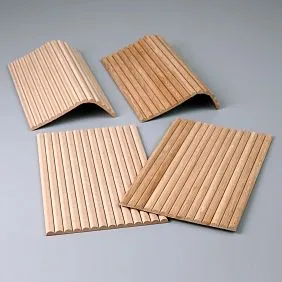
The most in-demand format of the last decade.Rafter panels— is a structure of parallel wooden or MDF slats of identical cross-section, mounted with equal spacing on a backing or fabric base. The rhythm of the slats creates a linear graphic pattern, which, under side or accent lighting, transforms into an expressive sculptural surface.
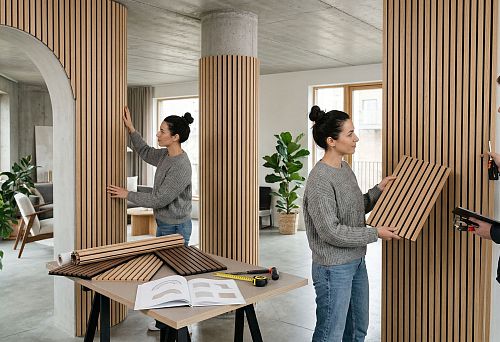
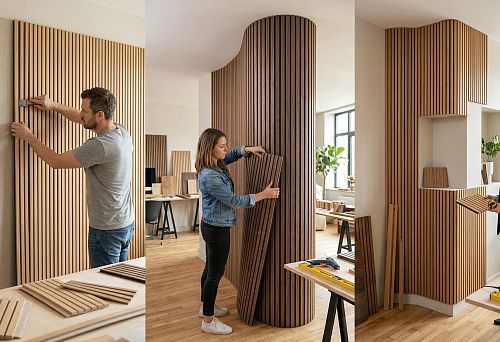
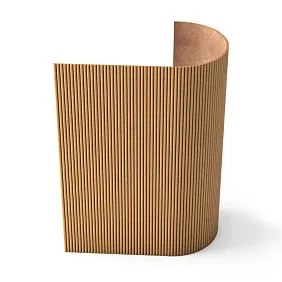
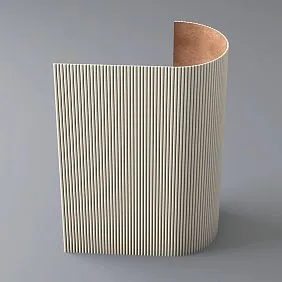
The slatted format comes in rigid — on an MDF backing for flat surfaces — and flexible, on a fabric base, which allows it to wrap around columns, arches, rounded corners, and any curved surfaces without deforming the slats. It is precisely the flexible onesWall slatted panelsthat are a unique design tool, unavailable to most other finishing formats.
Get Consultation
Smooth wall panels
These are solid flat sheets or panels made of solid wood, MDF, or veneer. They create a smooth wooden surface without relief. This format is more often used in classic and neoclassical interiors, in boiserie, in studies. For modern minimalism, loft, or Scandinavian style, a smooth panel is less expressive than a slatted one.
Panels for painting
These are slatted or smooth MDF panels, the surface of which is specially prepared — sanded, primed — for applying finishing paint. Panels for painting offer maximum freedom in working with color: they can be painted in any shade from the catalogs of paint manufacturers. This is especially relevant for concepts where wooden wall panels should blend with the wall into a single color plane or, conversely, become a contrasting accent.
Solid wood panels
Made from solid or joined natural wood. Oak, beech, ash, walnut — depending on the species, the pattern and texture of each panel are unique. Solid woodoak panels— is a premium choice for interiors where the natural texture of wood is a key design element. The density of oak (700–750 kg/m³) ensures durability and resistance to mechanical wear.
Veneered solutions
Veneer — a thin slice of natural wood — is applied to an MDF base. This is a compromise between cost and the visual effect of solid wood. Veneered panels provide the living texture of wood with more stable geometric characteristics and less weight. MDF/oak veneer panels are one of the most balanced solutions in the segment of wooden wall panels for modern interiors.
Why slatted panels are one of the strongest formats
Among all the variety of wooden wall panels, the slatted format holds a special place. It's no coincidence thatWooden slat panelsthey have been defining the look of modern interiors from 2020 to 2026 and remain at the top of design solutions.
Why? Several compelling reasons:
Working with light. Parallel slats create a system of protrusions and recesses. With any light source—a directional spotlight, sconce, floor lamp, or natural side light—the surface comes alive: some edges of the slats are illuminated, others are in shadow. This play transforms a flat wall into a three-dimensional architectural element.
Visual transformation of space. Vertically oriented slats optically stretch the room upward. This is critical for apartments with 2.5 m ceilings: a few strips of vertical wooden panels on the wall change the perception of height more effectively than any painting techniques.
Acoustics. The textured surface of the slats scatters sound reflections—this reduces reverberation in spacious rooms, open-plan living rooms, and restaurant halls. When sound-absorbing material is placed behind the backing, the acoustic effect is greatly enhanced.
Versatility of application. The same slat works on a flat wall, on a column, on a curved facade, on a cabinet furniture facade—thanks to flexible modules on a fabric base.
Compatibility with any style. Slatted panels fit organically into minimalism, Scandinavian style, Japandi, loft, and modern classic. The right choice of material, slat spacing, and finish allows the same structural solution to look completely different.
What materials to choose for wooden wall panels
Material is the most important selection parameter. It determines the visual result, durability, cost, and possibilities for finishing.
MDF
MDF (medium-density fiberboard) is a modern structural material that entered interior design from furniture manufacturing. For wall panels, MDF with a density of 750–850 kg/m³ is used: this is sufficient for rigidity and stable geometry.
Key advantages of MDF as a material for wooden wall panels:
-
Perfect geometry. No knots, resin pockets, or natural defects — each slat is identical to the previous one. This ensures an even rhythm during installation.
-
Smooth surface. MDF sands excellently and accepts any paint coating — matte, satin, or semi-gloss enamels apply without primer or with minimal preparation.
-
Freedom of color choice.MDF panels for painting— the most flexible tool for working with color: white slats on a white wall create a clean relief effect, dark panels on a light background — expressive contrast.
-
Stability. Unlike solid wood, MDF does not react to changes in humidity and temperature, does not crack or warp.
MDF is the optimal material for modern interiors where color and geometric purity are important.
Solid oak
Solid wood is about authenticity. Each natural oak slat carries a unique grain pattern that cannot be reproduced with veneer, thermofoil, or printing. The living texture of wood changes from different viewing angles and in different lighting — it breathes and remains interesting for years.
Oak as a species is especially valuable:
-
Density 700–750 kg/m³ — high mechanical strength, resistance to scratches and impacts
-
Natural resistance to moisture and fungus
-
Responsiveness to finishing: under clear oil it reveals a warm golden-honey tone; under tinting compounds it shifts to Scandinavian gray, cognac, or graphite shades
oak panels— a choice for interiors where naturalness and durability are more important than color freedom. This is a premium solution that only gains in value over time.
Veneer and combined solutions
MDF/oak veneer panels — a successful balance: the MDF base ensures geometric stability and easy installation, while the thin oak veneer provides a lively natural texture on the surface. Such wooden wall panels are suitable for those who want the aesthetics of natural wood at a more moderate budget than solid wood. The main limitation — the veneer cannot be repainted to an arbitrary color: it exists within the natural palette of wood with tinting.
Where can wooden wall panels be used
One of the main questions anyone choosingWooden Wall Panelsasks themselves: will this suit my specific space? The answer is almost always — yes, with the correct choice of format and material.
Living Room
Living room — a classic place for an accent wall with slatted panels. The area behind the sofa, the TV zone, the wall between windows — any of these fragments can be turned into an architectural accent. Vertical slats in light MDF with matte paint or in tinted solid oak form a focal point of the interior, setting the tone for the entire room. In living rooms with high ceilings, slatted panels can be mounted full height — this adds scale and monumentality.
Bedroom
In the bedroom, wooden wall panels are used primarily in the headboard area of the bed. This works better than any headboard: a strip of slatted texture from floor to ceiling behind the bed creates a sense of alcove coziness and architectural completeness. MDF with powder, beige, or gray paint — a soft and calm choice; natural oak — for those who want the warmth of natural material near the resting place.
Entryway
The hallway is one of the most successful spaces for slatted panels. Here they work in two registers at once: they create a visual accent at the entrance (the first impression of the apartment) and mask the inevitable wall scuffs typical of a hallway with heavy traffic. For narrow hallways and corridors, vertical slats along the entire length of the wall are especially effective—they visually elongate the space and add dynamism.
TV area
The wall behind the TV is one of the most popular scenarios for using wooden panels. The slatted surface creates an expressive background for the screen, hides cables in the space between the slats and the backing, and works with lighting. Dark MDF panels in anthracite or graphite create a cinematic atmosphere; light oak provides a neutral and warm background.Panels for an accent wallbehind the TV is one of the most commercially significant niches for application.
Niches and columns
This is where slatted panels truly shine. Standard flat materials are inconvenient for finishing columns and rounded niches: they need to be cut, fitted, and bent. Flexible slatted panels on a fabric base solve this problem radically—the module simply follows the shape of the surface, wraps around a column or arch without deforming the slats, and joins seamlessly. This is a unique advantage not found in any other cladding material in this price segment.
Offices, restaurants, showrooms
In commercial design, wooden wall panels are a tool for atmosphere creation. A restaurant with slatted wooden walls is perceived as an establishment with thoughtful design and attention to detail. A showroom or boutique with slatted accents conveys premium quality and style. An office meeting room with wooden panels creates a work-oriented yet comfortable environment. For commercial projects, solid oak or MDF with durable paintwork is especially important—high traffic requires resistance to wear.
How to choose wooden panels by format and construction
Ready-made panel or individual slat
This is not a rhetorical question—there is a real difference in application behind it. A ready-made slatted panel is a module where the slats are already mounted with the desired spacing on a backing. This format ensures precise rhythm without manual layout and is suitable for quick installation on large surfaces. An individualInterior Rail— a universal element from which any composition can be assembled, any step can be set, a unique pattern can be created, or slats can be used as a decorative element on furniture, in a partition, or in a ceiling structure.
The rule is simple: for walls — usually a ready-made panel; for non-standard tasks, furniture, and custom solutions — individual slats.
Rigid or flexible construction
Rigid panels on an MDF backing — for flat surfaces: walls, ceilings, furniture fronts. They provide maximum geometric accuracy. Flexible panels on a fabric base — for curved surfaces: columns, arches, rounded corners. The choice is determined by the shape of the surface to be clad.
For a flat wall or for a curved surface
If the wall is flat — choose a rigid panel. If the surface has a curve — only a flexible fabric base. Attempting to bend a rigid MDF backing will lead to deformation and loss of the slats' geometry.
For a wall, ceiling, or furniture
A slatted panel works in all three planes. On the ceiling, it creates an acoustic and visual effect simultaneously with minimal installation work. On furniture fronts — it provides architectural depth, visually lightens the mass of a wardrobe or kitchen island. It's important to consider: for ceilings and furniture, it's better to use rigid panels with an MDF backing, ensuring structural stability.
How to choose wooden panels by size
Sizes are not just numbers. The correct choice of panel format determines whether the interior will look proportionate or not.
The width of an individual slat determines the rhythm density on the wall. Narrow slats (15–25 mm) create a light graphic lace, visually slightly reducing the scale of the surface. Wide slats (35–50 mm) create a more monumental, architectural rhythm — such decorative wall slats are suitable for spacious rooms.
The spacing between slats — the space between the planks — is no less important than the width of the slat itself. The wider the spacing, the more airy the surface appears; tight spacing creates rich graphics. The optimal ratio of slat width to spacing is 1:1 or 1:1.5. In small rooms, avoid too frequent a rhythm: it visually reduces the space.
Panel length/height — typically 950, 2400, or 2700 mm. For rooms with ceiling heights up to 3 m, panels 2400 and 2700 mm long are installed full-height without joints. This is one of the main advantages of long-format modules: the absence of a horizontal seam preserves the continuity of the vertical rhythm.
How to calculate the number of panels for a wall: measure the wall width in mm, divide by the width of one module (accounting for seamless joining). Add 5–10% extra for cutting. For niches, doorways, and outlets, create a layout plan in advance — this will avoid unsightly partial slats at the edges.
Installation of wooden wall panels
Foundation Preparation
The first condition for quality installation is proper surface preparation. The wall must be dry (humidity no higher than 12%), clean, without crumbling plaster fragments. Fresh plaster or putty must be allowed to cure for at least 3–4 weeks. The surface is treated with a deep-penetration primer — this improves adhesive adhesion. Do not neglect this step: even the best panels installed on a poorly prepared base will cause problems over time.
Mounting with adhesive
Rigid panels on an MDF backing are installed using mounting adhesive — applied in a zigzag pattern over the entire backing surface. This method is fast, clean, and requires no tools. Suitable for flat, prepared walls. Flexible panels on a fabric backing are also attached with adhesive — and this is the only way to precisely replicate the shape of a curved surface.
Installation on a Frame
If the wall has significant unevenness (deviation over 5 mm per 2 m) or there is a need to run utilities behind the panel, a metal frame made of profiles is used. This adds 50–80 mm to the structure depth but allows leveling any wall, running electrical wiring, and placing sound-absorbing material. Panels are attached to the frame with finishing nails or countersunk screws.
Seamless jointing
The main advantage of quality slatted panels is the precise slat spacing, which ensures seamless connection of adjacent modules. With proper jointing, the boundary between modules is visually indistinguishable from the regular spacing between slats: the surface looks like a single continuous array. For this, it is critical that all panels are from the same batch and have identical spacing.
What to consider near corners, niches, and outlets
-
Internal corners: use a decorative corner profile or miter cut ends at 45°
-
External corners: a 45° miter cut with additional corner reinforcement is preferred; an alternative is a metal corner profile
-
Outlets and switches: plan their position in advance. If an outlet falls in the middle of a panel — adjust the mounting box to the required depth, taking the panel thickness into account
-
Door reveals and trims: decide in advance whether you will frame the panel with trim or mount the panel flush to the door frame
Wooden panels and room acoustics
This aspect is undeservedly overlooked when choosing finishes. Meanwhile, the textured surface of slatted panels is one of the accessible ways to improve the sound environment of a residential or commercial space.
Flat, hard walls (plaster, drywall) reflect sound like a mirror — this creates 'echo' in large rooms and acoustic discomfort. Slats scatter sound waves in different directions, disrupting direct reflection. The result is reduced reverberation levels and a cleaner, more comfortable perception of speech and music.
The effect is greatly enhanced if sound-absorbing material — 50 mm thick mineral wool or acoustic foam — is placed behind the panel underlay. This technique is especially valuable in:
-
home theaters and living rooms with audio systems
-
in meeting rooms and offices
-
in restaurant halls with high ceilings
-
in children's rooms and bedrooms where acoustic quiet is important
Which color and finish to choose
Choosing the finish is the final step in defining the character of wooden wall panels, but one of the most significant.
Under Enamel
MDF panels for painting allow the surface to be painted in absolutely any color from paint manufacturers' palettes. Matte enamel is the most popular choice for modern interiors: it hides micro-irregularities and does not produce glare. Satin enamel adds a slight silk sheen. Semi-gloss is for those who want intense color with a lively reflection.
For varnish
For solid oak panels, clear or tinting varnish is a standard solution. Varnish creates a hard protective film that preserves the color and texture of the wood, ensuring resistance to everyday wear. Especially recommended for commercial spaces and high-traffic entryways.
For oil
Oil coating penetrates the wood structure, nourishing the fibers from within. An oiled surface looks more 'alive' and matte, with a tactile warmth. Maintenance is simple: a fresh coat of oil is applied every few years without dismantling the panels. For oak slat panels, oil with wax is one of the most eco-friendly and natural protection options.
Natural oak shade
Tinting oils and stains open up a wide spectrum of shades for solid wood: from warm honey-gold through cognac and tobacco to cool Scandinavian gray and rich graphite. Each shade changes the character of the wood and the mood of the interior.
Contrast solution for a modern interior
Dark tones — anthracite, matte black, deep blue — on slatted MDF panels create a dramatic and very modern interior look. Contrastingaccent wall made of panelsdark color surrounded by light walls — one of the most effective techniques in modern design.
How to combine wooden panels with other materials
Wood texture is one of the most 'friendly' in combinations. It works with most materials, but each combination gives its own character.
Paint and plaster. A slatted panel as an accent against a painted wall — a classic. The color of the wall and the panel can match (monochrome technique) or contrast. Textured decorative plaster next to wood creates interesting tactile variety.
Porcelain tile. Wood and stone — a natural duo. Wooden wall panels in the living room next to stone or ceramic cladding — one of the most convincing material combinations. It's important to coordinate the warmth of the tones.
Metal. Brushed brass, matte black steel, chrome, or copper in decorative details — an effective contrast with warm wood texture. This contrast is popular in modern classic and loft styles.
Glass. Glossy glass surfaces combined with matte wood texture create an expressive balance between cold and warm, reflective and absorbing.
Textiles. Linen, cotton, and wool textures in bedspreads, pillows, curtains, and carpets work with wooden slats in a unified natural coordinate system. This is the foundation of Japandi and Scandinavian styles—natural material to natural.
Furniture fronts. If the slatted texture is used on both walls and furniture fronts, it creates a cohesive system where the furniture visually blends into the wall. This technique is especially expressive in bedrooms and studies.
Common mistakes when choosing wooden panels
Even experienced designers sometimes fall into traps when working with this material. Here are twelve mistakes worth knowing in advance:
-
Not understanding the difference between solid wood, MDF, and veneer. Each material has its own logic of application and limitations—mixing them in one project without understanding risks a finish mismatch.
-
Choosing only by photo. A photograph does not convey the actual scale of the slat, the depth of shadow, or the tactile sensation. Always request samples.
-
Ignoring room size. Too active a rhythm of narrow slats in a small room gives a cage-like feeling. In small spaces, a wider spacing or broader planks work better.
-
Mixing the concepts of 'panel' and 'individual slat.' These are different products with different installation and application logic.
-
Not planning module junctions. Even with high-quality panels, the joint is visible if the slat spacing between adjacent modules is not aligned.
-
Forgetting about outlets and switches. An outlet recessed into a slatted panel requires a special junction box of the appropriate depth—this point must be considered before installation.
-
Skip surface preparation. Installing on crumbling or damp surfaces is a direct path to panel detachment within a few months.
-
Place battens too densely in small apartments. This visually overwhelms and reduces the sense of space.
-
Choose solid wood where perfect geometry for painting is needed. For a colored finish — MDF; for a natural texture — solid wood.
-
Don't consider usage. The hallway needs a finish with high wear resistance; the bedroom — a matte surface without glare.
-
Ignore acoustics. A large slatted wall without an absorber behind it can create an unwanted 'drum' effect.
-
Don't plan ahead where a panel is needed and where a separate batten is needed. These are fundamentally different solutions for different tasks.
What to choose for different tasks
If you need an accent wall
Choose a ready-made slatted panel on an MDF backing. Level installation, uniform batten spacing, seamless joining — and the accent wall is ready in one day. Especially fitting for the living room and TV area.Panels for an accent wallIt's better to choose a length that covers the room height without horizontal joints.
If you need painting to match the interior color
Onlyprimed MDF panelsReady for painting. The surface is already prepared for the final coat — just paint once with the desired color from any catalog. This solution gives complete freedom in working with the interior color scheme.
If a natural wood look is needed
Solid oak or MDF/oak veneer. The first — for the most natural and durable surface; the second — if geometric stability is important at a lower cost.
If there is a curved surface
Only flexible slatted panels on a fabric base. They wrap around a column, arch, or rounded corner without a single cut and join as seamlessly as on a flat wall.
If a solution for furniture and walls in the same style is needed
Use the sameinterior slatfor both tasks. Furniture fronts and wall panels made from the same material, with the same spacing and finish — this creates a sense of a unified authorial concept, where all elements of the space are connected into a system.
Wooden wall panels: selection algorithm
Before moving on to specific items and ordering, go through this short algorithm:
1. Define the task. An accent wall? Zoning? Column cladding? Sound absorption? A furniture front in a unified style with the wall?
2. Choose the material. MDF — if color and precise geometry are important. Solid oak — if natural texture and durability are important. MDF/veneer — if you need a balance between wood aesthetics and price.
3. Choose the format. Ready-made rigid panel — for flat walls. Flexible panel — for curved surfaces. Separate slat — for non-standard tasks and furniture.
4. Calculate the dimensions. Wall width ÷ module width + 10% margin. Panel length — according to the room height without seams.
5. Choose the installation method. With adhesive — if the wall is even. On a frame — if there are irregularities or you need to run utilities.
6. Determine the finish. For painting — primed MDF. For oil or varnish — solid oak. For veneer — MDF/veneer.
FAQ: Answers to popular questions
Which wooden wall panels are best to choose for an apartment?
For an apartment, a universal choice is slatted panels made of MDF for painting or solid oak. MDF offers freedom of color solutions and precise geometry; solid wood — a lively natural texture. In small rooms, a wider spacing between slats works better.
What is better for walls: solid wood, MDF, or veneer?
It depends on the task. Solid wood — for natural texture and maximum durability. MDF — for a perfectly smooth surface for painting in any color. Veneer — if you need the aesthetics of wood with a stable base geometry.
Are slatted panels suitable for bedrooms and living rooms?
Yes, this is one of their primary use cases. In the bedroom—behind the headboard; in the living room—on an accent wall, in the TV area, behind the sofa.
Can panels be painted to match the wall color?
Yes, if they are MDF panels designed for painting. The surface is already primed and ready for applying any color of finishing enamel.
What to choose for an accent wall behind the TV?
A ready-made slatted panel on an MDF backing. Dark colors (anthracite, graphite) create a cinema-like atmosphere; light oak or warm beige—a neutral background. The panel length matches the room height without seams.
Are panels suitable for hallways and corridors?
Yes. For hallways, a finish with high resistance to mechanical wear is important—varnish or enamel. The vertical rhythm of slats in a corridor visually elongates the space.
Can panels be installed on an uneven wall?
If the deviation is small (up to 5 mm)—mounting adhesive with a compensating layer is sufficient. For significant unevenness—installation on a metal frame.
How are wooden panels attached: with adhesive or to a frame?
Both methods are used depending on the wall condition and the task. With adhesive — quick and simple, for even surfaces. To a frame — if you need to level the plane or run utilities behind the panel.
Which panels are better for columns and curved surfaces?
Only flexible slatted panels on a fabric backing. They wrap around any curvature without cutting or deformation and join seamlessly.
Can panels be used not only on walls but also on furniture?
Yes. Slatted texture on furniture fronts is one of the strong techniques for creating a unified interior concept. Use the same slat for walls and furniture.
How to care for wooden wall panels?
Routine care — dry or slightly damp soft cloth. Painted MDF is refreshed with local repainting. Solid wood with oil finish is refreshed with a coat of oil every 3–5 years without dismantling.
How to calculate the required number of panels for a wall?
Measure the wall width in mm, divide by the width of one module. Add 10% reserve for cutting and fitting. Create a layout plan in advance — taking into account niches, outlets, and door openings.
About the company STAVROS
Wooden wall panels are not something to choose at random. This is a solution that will live in your home or on your project for years. That is why it is important to work with a manufacturer who understands interiors from the inside — from construction to finish, from installation to long-term operation.
STAVROS is a Russian manufacturer of wooden interior products, whose range covers the full spectrum of wall finishing solutions: slatted panels on MDF backing and fabric backing, solid oak panels, primed MDF panels for painting, and individual interior slats for custom solutions. The STAVROS assortment is designed for both residential projects — apartments, country houses — and commercial spaces: restaurants, offices, boutiques, showrooms, hotels.
In the STAVROS catalog, you will find ready-made slatted panels for accent walls, flexible modules for columns and curved surfaces, paintable panels for complete color freedom, and natural oak slats for furniture and architectural applications. All products are manufactured with precision to ensure seamless module joining and a uniform geometric rhythm across the entire surface.
View the full range, request samples, and calculate the material quantity for your project in the sectionRafter panelson the STAVROS website.