Article Contents:
- What are wooden finishing materials?
- Why choose wooden finishing materials?
- Wooden moldings: a universal decoration tool
- Why are wooden moldings suitable for ceilings and walls?
- Universal application of cornices
- Beams and corners
- How to use wooden moldings and planks for wall finishing?
- Question worth asking: are wooden planks suitable only for vertical wall finishing?
- Decorative moldings for ceilings
- Question: can wooden finishing materials be used only for ceilings?
- Use of planks and beams
- Decorative elements for walls
- Moldings from Stavros: elegance and versatility
- Baseboards: protection and aesthetics
- Cornices for ceilings and walls
- Wooden planks and other elements
- Purchasing and delivery of Stavros wooden finishing materials
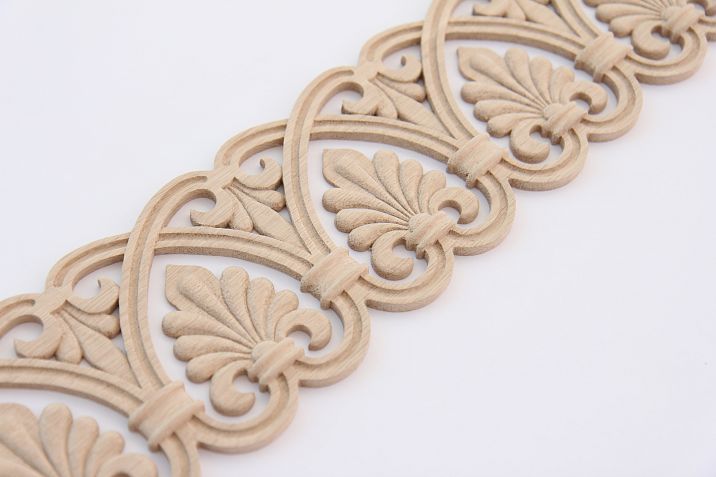
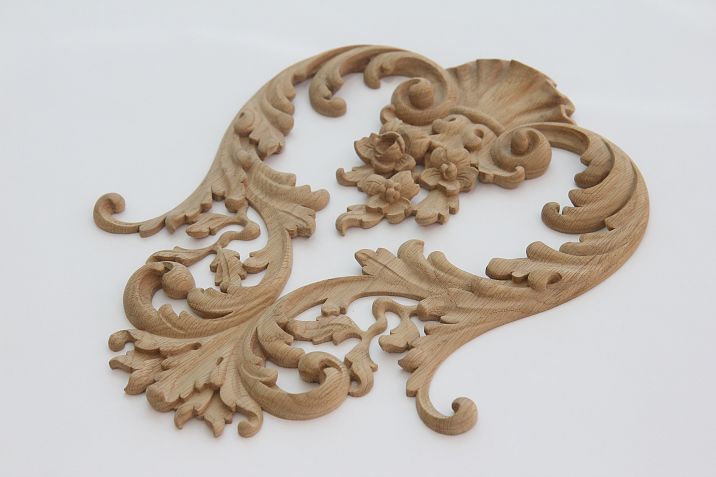
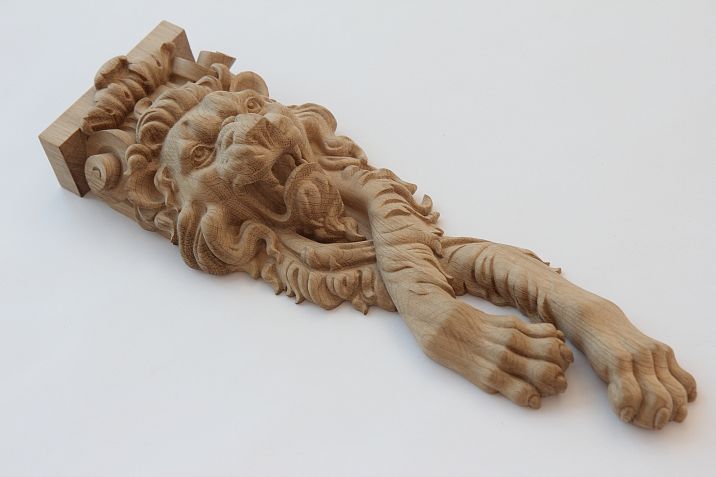
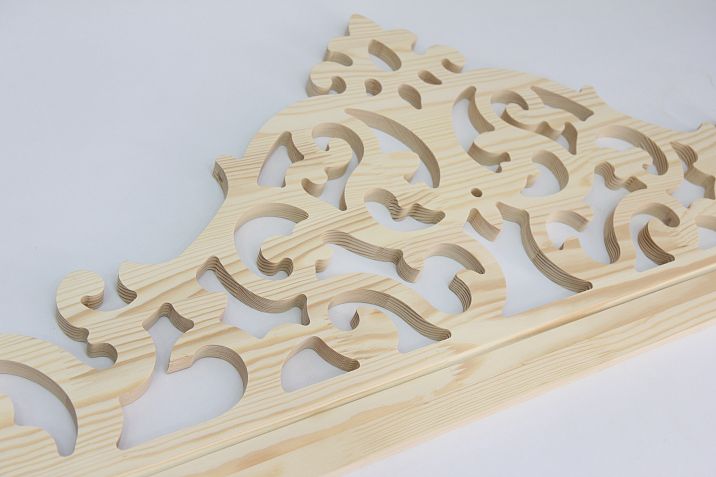
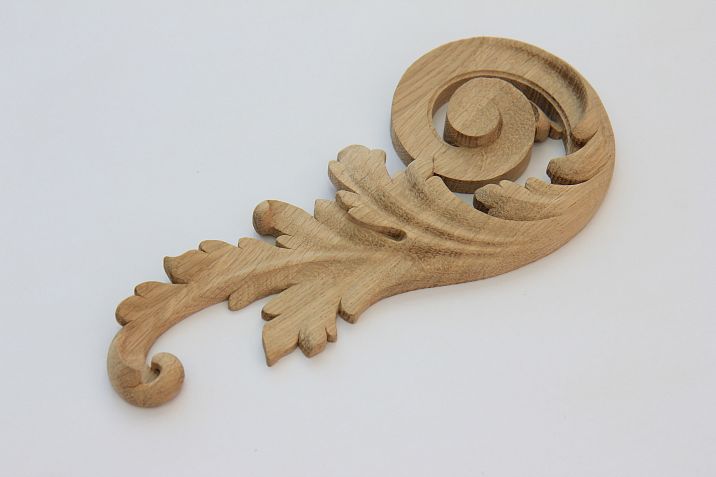
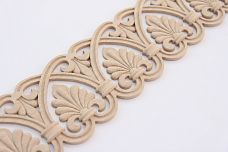
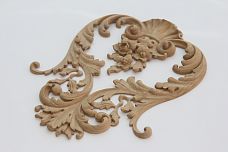
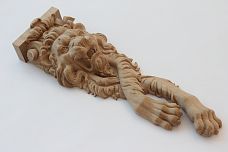
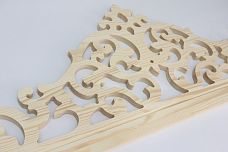
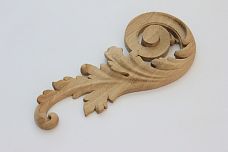
Wooden finishing materials remain one of the most popular solutions for interior design. Natural wood gives rooms coziness, warmth, and elegance, and also allows creating unique accents that highlight the style and individuality of the space. In this article, we will consider various types of wooden finishing materials, their application for walls, ceilings, and interior elements of a wooden house.


What are wooden finishing materials?
Wooden finishing materials are elements used for interior decoration, giving rooms warmth, comfort, and a unique style. These include moldings, baseboards, cornices, planks, strips, and corners. These materials can be used to decorate walls, ceilings, furniture, and other surfaces, helping to create decorative accents and highlight architectural features of the interior.
As a finishing material, wood has many advantages: eco-friendliness, durability, resistance to wear, and adaptability to various design solutions. This makes it popular in interiors of any style, from classic to minimalism.




Why choose wooden finishing materials
Wood is a material that possesses a number of unique properties. It is eco-friendly, durable, resistant to wear, and adds natural warmth to interiors. Wooden finishing materials such as moldings, baseboards, cornices, planks, strips, and corners allow you to create an atmosphere of comfort and elegance in any room.
Advantages of wooden finishing materials:
-
Eco-friendliness: Wood is a natural material that does not emit harmful substances.
-
Durability: Properly treated wood retains its properties for many years.
-
Variety: There are many types and forms of wooden finishing elements suitable for both classic and modern interiors.
-
Ease of processing: Wood is easy to carve, paint, and finish, allowing you to create unique decorative elements.
Our factory also produces:


Wooden moldings: a universal decoration tool
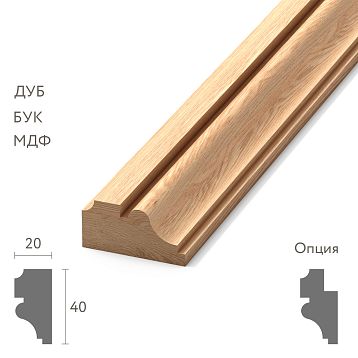
Wooden moldings are decorative elements that can be used to create accents on walls, ceilings, door and window openings. They give interiors a finished look, add expressiveness, and help visually zone the space. Moldings can be used in any room—from living rooms and bedrooms to bathrooms and kitchens.
-
Variety of styles and forms: Moldings can be smooth, ornate, carved, or minimalist, allowing you to choose the right option for any interior style.
-
Application: Wooden moldings are used to create decorative frames, divide walls into zones, decorate ceilings and door openings. They can be installed horizontally or vertically, emphasizing the structure of the space.
-
Tips for use: For classic interiors, choose carved moldings that emphasize the elegance of the style. In modern interiors, smooth moldings with clear lines are suitable. Use contrasting colors to create striking accents or paint moldings to match wall colors for a more restrained effect.
Application ideas: Create accent panels on walls using moldings, combining them with other decorative elements. This could be an elegant decorative frame around a mirror or painting. On ceilings, moldings can be used to create geometric patterns or divide space into zones.
Get Consultation
Why are wooden moldings suitable for ceilings and walls?
Moldings are a universal element that can be used to decorate walls and ceilings. Thanks to the variety of shapes and designs, moldings help add depth, highlight zones, and emphasize architectural features of the room. They easily adapt to different styles and create a sense of interior completion.
Baseboards: protection and decoration
Wooden Skirting Boards are elements that cover the junctions between floors and walls, protecting the lower parts of walls from damage and dirt. They give rooms a finished look and emphasize transitions between surfaces.
-
Advantages of wooden baseboards: Baseboards made of solid wood are durable, strong, and can be painted in various shades to match the overall interior style. They not only serve a decorative function but also protect walls from mechanical damage.
-
Variety of shapes: Baseboards can be flat, shaped, carved, and of different heights. You can choose baseboards that harmoniously match the floor, walls, and other decorative elements.
-
Installation tips: Baseboards should match other interior elements, emphasizing the style and structure of the room. For classic styles, carved baseboards are suitable, while minimalist styles suit smooth and minimalist ones.
Application ideas: Baseboards can be used not only to finish floors but also as decorative frames on walls or accents on ceilings. Use contrasting baseboards to create striking accents or choose models that harmonize with the color of the floor and walls.
Cornices: elegance and completion
Wooden cornices highlight transitions between walls and ceilings, creating smooth lines and giving interiors a finished look. They help visually increase the height of the room and add architectural accents.
-
Decorative functions of cornices: Cornices can be adorned with carvings, ornaments, and other decorative elements that emphasize the style and add luxury to the interior.
-
Practical application: Cornices can hide wiring, lighting systems, and uneven joints between walls and ceilings.
-
Usage tips: Cornices can be used to create accent zones on ceilings, highlighting them with decorative inserts or lighting.
Usage ideas: Cornices can be combined with moldings and baseboards, creating complex and expressive compositions. This will give the interior an elegant and finished look.
Universal application of cornices
Although cornices are traditionally used for ceiling decoration, they can also be used on walls to create decorative accents and zone spaces. This is a universal tool that will add elegance and uniqueness to your interior.
Wooden strips and beams: stylish accents
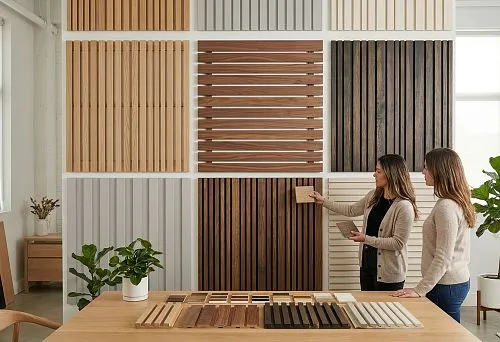
Wooden planks andstrips These are universal elements that can be used to create decorative panels, zone spaces, and furnish furniture. They give the interior structure and visually highlight separate zones.
-
Application of strips and beams: They can be used to create decorative wall panels, decorate ceilings and furniture. Strips and beams can be arranged horizontally, vertically, or diagonally, creating various visual effects.
-
Decorating tips: Use strips to zone space or create accent walls. They can be painted any color, allowing them to adapt to your interior.
-
Ideas: Combine strips with other wooden elements, such as moldings or cornices, to create complex and multi-layered compositions.
Beams and corners
Beams and corners Used to decorate walls, furniture, and corners, adding structure and creating accents in the interior. Corners protect edges from damage and make the interior more aesthetically pleasing.
Universal application of wooden finishing materials
Wood is one of the most universal materials for interior finishing. Wooden finishing materials are used to decorate walls, ceilings, and internal elements, giving the space natural beauty, warmth, and individuality. Such elements as moldings, baseboards, cornices, strips, and other decorative details allow creating expressive accents, zoning space, and emphasizing style.
Wooden finishing materials for walls
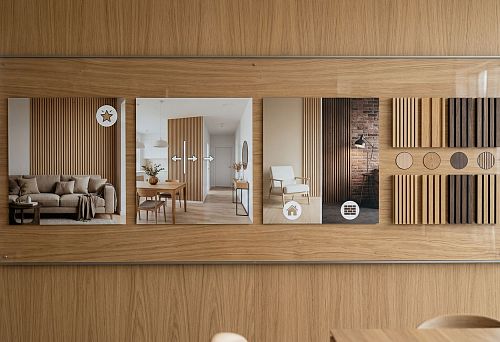
Walls are one of the largest and most visible elements of the interior, and their finishing has great importance for the overall impression. Wooden finishing materials for walls may include moldings, strips, panels, and other decorative elements that allow transforming the space.
How to use wooden moldings and strips for wall finishing?
Wooden moldings andWooden planks Help create accent zones, divide space, and give the interior an elegant look. Moldings can be used to create decorative frames on walls, while strips can create vertical or horizontal lines that visually alter the room’s proportions.
-
Design tip: Create decorative wall panels using moldings, highlighting separate zones or forming geometric patterns. This will add depth and expressiveness to the interior.
-
Life hack: Use moldings to create decorative frames around paintings, mirrors, or other accent elements.
Question worth asking: Are wooden strips only suitable for vertical wall finishing?
No, wooden strips can be used both vertically and horizontally, creating various visual effects. For example, horizontal strips visually expand the space, while vertical strips make it appear taller. This is a universal tool for zoning and accenting.
Finishing materials for ceilings in wooden houses
Finishing materials for ceilings in wooden houses — moldings, decorative beams, and other elements that add uniqueness and coziness to the interior. The ceiling is not just a functional part of the room, but also an important decorative element that requires special attention.
Decorative moldings for ceilings
Moldings can be used to create decorative frames, patterns, and accent zones on the ceiling.Wooden moldings Allow highlighting architectural features of the room and creating smooth transitions between walls and ceiling.
-
Design tip: Use moldings to create striking ceiling patterns, adding lighting to emphasize their relief.
-
Application ideas: Combine moldings with decorative beams to create structured and complex compositions.
Question: Can wooden finishing materials be used only for ceilings?
Of course not! Moldings, cornices, and other wooden elements can be used for ceilings, walls, as well as for decorating door and window openings.
Wooden finishing materials for interior walls
Interior walls can be decorated using wooden finishing materials such as strips, beams, moldings, and other elements. They help create a cozy atmosphere and emphasize the style of your home.
Racks and beams can be used to create decorative panels, space zoning, and furniture styling. They add texture and structure to the interior.
Wooden planks andstrips They add texture and structure to the interior.
-
Tip: Use racks to create accent walls. You can combine different sizes and orientations of racks to achieve a unique effect.
-
Lifehack: Paint racks and beams in contrasting colors or leave them natural to add warmth and naturalness to the interior.
Wall finishing materials for wooden houses
Walls in wooden houses require special attention. Wall finishing materials for wooden houses help preserve the cozy and warm atmosphere characteristic of wooden structures and highlight the natural beauty of wood.
Decorative wall elements
Moldings, racks, baseboards, and cornices are the main elements that can be used to finish walls in a wooden house.Wooden moldings They highlight the style and add elegance to the interior.
-
Usage tip: Use moldings to create decorative panels or frames on walls to highlight the style and give the interior a finished look.
-
Lifehack: Combine wooden elements with other materials, such as metal or stone, to add contrast and expressiveness to the interior.
Wooden finishing materials for interior walls of a wooden house
Interior walls in a wooden house can be decorated using moldings, racks, beams, and other decorative elements. Finishing materials for interior walls of a wooden house help create a stylish and cozy interior that will delight you every day.
-
Application of moldings and racks: Use moldings and racks to create decorative panels, frames, and accent zones. This will add elegance to the interior and highlight its style.
-
Decorating ideas: Create accent walls using racks and moldings, combining them with other decorative elements.
Wide selection of wooden finishing materials from the company Stavros
The company Stavros offers a wide selectionwooden decorative materialsthat will help you create a stylish and cozy interior in your home. All our products are made from high-quality solid wood and are perfectly suited for both classic and modern interior styles. The assortment includes wooden finishing materials for walls,ceiling finishing materials for wooden houses, wooden finishing materials for interior walls and other elements that will highlight the uniqueness of your space.
Stavros moldings: elegance and versatility
Wooden moldings are one of the most popular typesof wall finishing materials and ceilings. Wooden moldings allow you to create accent zones, decorative frames, patterns, and zone the space. They are suitable for both classic and modern interiors.
-
Features of Stavros moldings: Our products include smooth and carved moldings that can be used forceiling finishing in wooden housescreating accent panels and frames. These are versatilewooden finishing materials for wallsthat add depth and expressiveness to the interior.
-
Usage Tip: Use moldings to decorate ceilings in wooden houses, creating decorative patterns and highlighting architectural lines.
Baseboards: Protection and Aesthetics
Stavros wooden baseboards help create a smooth transition between floors and walls.Baseboards They are an important decorative element that not only protects the lower parts of walls from damage but also gives the room a finished look.
-
Variety of styles: You can choose baseboards with smooth surfaces, decorative carvings, or complex ornaments. This makes them an excellent choice for interior wall finishing of wooden houses and other spaces.
-
Application Ideas: Baseboards can be used not only in a traditional way but also to create decorative wall frames. This adds a stylish and finished look to the interior.
Ceiling and Wall Moldings
Wooden moldings highlight transitions between walls and ceilings, adding elegance and depth.Crown Molding Stavros company moldings can be adorned with decorative elements or executed in a minimalist style, allowing them to integrate into any interior.
-
Application of moldings: This is an ideal option forceiling finishing in wooden houses. Moldings can be used to create decorative lines that visually increase the height of the room.
-
Decorating Tip: Use moldings to create accent zones on ceilings and walls, adding decorative elements or lighting.
Wooden planks and other elements
Wooden planks are universalfinishing materials for creating accent zones, zoning spaces, and decorative wall and ceiling finishes.rails Stavros wooden planks feature a variety of sizes and textures, allowing you to realize any design ideas.
-
Application Ideas: Use planks to create accent walls or decorative panels. They can be arranged vertically, horizontally, or diagonally, creating unique visual effects.
-
Practical Tips: Combine planks with otherwooden finishing materials, to create stylish and multi-layered compositions.
Buying and Delivery of Stavros Wooden Finishing Materials
STAVROS company offerswooden finishing materials for walls, ceiling finishing materials for wooden houses and other decorative elements with delivery across all of Russia. Our products can be purchased in both large cities and small towns. We work with private clients and organizations, offering customized solutions and high-quality products.
Stavros is not only a wide selection of high-qualitywooden decorative materials, but also reliability, durability, and aesthetic value of each item. Create cozy and stylish interiors with our products!