Article Contents:
- Introduction
- 1. Advantages of Natural Wood in Construction
- Ecological and health benefits
- Strength and durability
- Aesthetic appeal
- Thermal and acoustic insulation
- 2.1 Walls and Cladding
- 2.2 Frames and Structural Elements
- 2.3 Decorative Elements and Finishing
- High-Precision Processing Methods
- Protective coatings and final finishing
- Wall Cladding
- Ceiling structures
- Furniture and Accessories
- Exterior Solutions
- Technological Innovations
- Ecological Trend
- Personalization and individual solutions
- Material selection
- Care for Wooden Finishing Materials
- Installation Tips
- Classic Interiors
- Modern Minimalist Solutions
- Eco-Interiors and Natural Design
- Industrial Style and Loft
- Technological Innovations
- Ecological Awareness
- Custom Solutions and Personalization
Wooden materials for construction, where you can find the best solutions for creating eco-friendly and stylish buildings.wooden materials for constructionwhere you can find the best solutions for creating eco-friendly and stylish buildings.


Introduction
Natural wood possesses properties that make it an indispensable material in construction. It not only has aesthetic appeal but also excellent thermal and acoustic insulation properties. Wooden materials for construction are suitable for building houses, interior finishing, creating decorative elements, and much more. The use of wood contributes to creating a comfortable microclimate, improves building energy efficiency, and adds a unique charm to interiors.
Modern wood processing technologies allow achieving remarkable precision and durability of products while preserving the natural beauty of the material. In this article, we will discuss key aspects of using natural wood in construction, examine main types of wood, processing methods, as well as practical tips for selecting and caring for wooden materials.




1. Advantages of Natural Wood in Construction
Our factory also produces:


Ecological and Health
Natural wood is becoming increasingly popular among those who strive for eco-friendly and healthy housing.wooden materials for construction Natural wood is becoming increasingly popular among those who strive for eco-friendly and healthy housing.
Get Consultation
Strength and durability
Quality wood has high strength, resistance to mechanical impacts, and durability. Hardwood species such as oak, beech, ash, and walnut are renowned for their density and stability, making them ideal for construction and finishing. Wooden structures can serve for decades, maintaining their functionality and beauty provided they receive proper care and timely treatment with protective compounds.
Aesthetic appeal
Natural wood is a unique material that delights the eye with its warm tones, varied textures, and natural patterns. Each wooden item is unique, allowing you to create an individual and stylish interior. Wooden surfaces give rooms coziness and natural elegance, creating an atmosphere close to nature.
Thermal and acoustic insulation
Wood has excellent thermal and acoustic insulation properties. Wooden walls and structures help retain heat during cold seasons and effectively absorb sound, creating a calm and comfortable atmosphere in the home. This is especially relevant for wooden houses, where natural wood is the primary structural element.
2. Main Types of Wooden Materials for Construction
Modernwooden materials for construction cover a wide range of products, each with its own features and applications. Let's consider the main categories.
2.1 Walls and Cladding
Cladding walls with natural wood is one of the most popular ways to finish wooden houses. Finishing can be done using solid wood panels, decorative planks, or combined constructions.
● Panels: Can be made from solid wood or composite materials that mimic natural wood. Such panels create a warm atmosphere and are ideal for interior walls.
● Cladding: Natural wooden panels allow creating a unique pattern and adding depth to the interior through natural wood tones and textures.
2.2 Frames and Structural Elements
Wooden frame structures are the foundation of any wooden house. They provide strength, stability, and longevity for the entire building.
● Wooden beams:Wooden beam Used for creating frames, frames, and support structures. It is characterized by high strength and dimensional stability.
● Joists and beams: Used to form the frame, ensuring reliable connection of all elements and even load distribution.
● Support structures: These elements, made from natural wood, guarantee the longevity and stability of the building even under significant loads.
2.3 Decorative Elements and Finishing
Various decorative elements are used to create a complete interior image of wooden houses, which not only decorate the space but also serve practical functions.
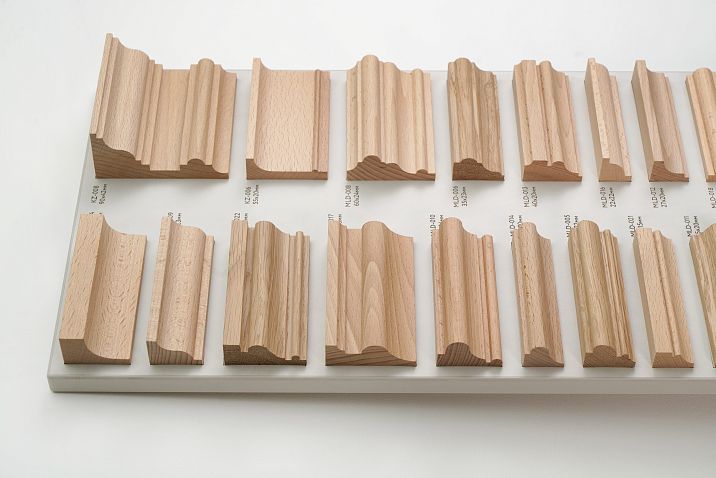
● Wooden molding● Molding: This element is used to finish joints between walls, ceilings, and furniture. Molding can have various profiles – from classic carved to modern smooth variants.
● Wooden cornice● Trim: Used for decorating windows and doors, concealing technological joints, and creating smooth transitions between interior elements.
● Wooden skirting: A finishing element that protects the lower part of walls from dirt and mechanical damage.
● Wooden plank● Decorative strips: A thin decorative element used to create additional decorative inserts or divide space.
● Wooden corner● Decorative trim: Used to strengthen connections and create neat transitions between finishing elements.
These decorative elements help create a harmonious interior where every detail highlights the natural beauty of wood and gives the room a finished look.
3. Modern wood processing technologies
High-precision processing methods
Modern technologies allow achieving the highest precision in wood processing, which is especially important for finishing materials. The use of CNC machines and laser cutting allows creating items with perfect contours and complex decorative patterns. These methods ensure:
● Perfect surface smoothness: Multi-stage sanding and polishing highlight the natural wood texture.
● Precision of decorative elements: Digital modeling technologies allow creating unique patterns that could only be done manually before.
● Reduction of production waste: Optimizing the production process allows using wood as efficiently as possible, reducing costs and improving product quality.
Protective Coatings and Final Finishing
After primary processing, wood is treated with protective coatings, which play a key role in preserving the appearance and longevity of the products.
● Lacquers and oils: These coatings highlight the natural beauty of wood, creating a glossy or matte surface depending on preference.
● Waxes: Give the surface softness and a velvety texture, enhancing tactile sensations and protecting the material.
● Eco-friendly paints: Used to change the color of wood while preserving its ecological properties and natural texture.
Final finishing not only improves the appearance of products but also protects them from moisture, UV rays, and mechanical damage, which is especially important for finishing wooden walls under intensive use.
4. Application of wooden finishing materials in interior design
Wall cladding
Finishing wooden walls is one of the most popular ways to create a warm and cozy atmosphere in a home. Natural wooden panels and wall cladding can transform any room, giving it individuality and character.
● Panels: Can be used to create a cohesive decorative finish, highlighting the natural tones and texture of wood.
● Decorative rails and moldings: Used to create patterned compositions and accent zones, adding depth and dimension to the interior.
● Cladding with corner pieces: Wooden corner pieces help create neat joints and enhance the structural unity of the finish.
Ceiling Structures
Wooden ceiling is an important finishing element that sets the tone for the entire interior. Ceiling panels, crown moldings, and decorative inserts help create a complete and harmonious room appearance.
● Ceiling molding: Completes the ceiling composition, concealing joints and giving it a neat appearance.
● Cornices and moldings: Used to create smooth transitions between ceiling and walls, visually expanding the space.
Furniture and accessories
Wooden finishing materials are widely used in furniture making, door and window frame decoration, and other accessories. Natural wood helps create exclusive and durable items that highlight the interior’s individuality.
● Wooden furniture: Tables, chairs, cabinets, and chests made from natural wood look elegant and durable.
● Decorative elements: Molding, cornices, rails, and trim can be used to finish furniture, creating a cohesive and harmonious look.
Exterior Solutions
Wooden materials are used not only indoors but also for decorating exterior structures:
● Facades: Cladding facades with natural wooden panels creates a natural and cozy atmosphere, beautifully blending with the surrounding nature.
● Landscape design: Wooden items are used to create verandas, gazebos, decorative fences, and other exterior elements, emphasizing the building’s eco-friendliness and naturalness.
5. Modern trends and innovative solutions
Technological Innovations
Wood processing technologies are constantly improving. The use of CNC machines, laser cutting, and digital modeling allows creating items with incredible precision and complexity of decorative patterns. This opens new possibilities for designers, enabling them to realize the boldest ideas in wooden wall finishes.
Eco-trend
Modern consumers increasingly value eco-friendly materials. Natural wood is a renewable resource, making it attractive to those striving for sustainable development. Eco-friendly coatings and certified processing methods allow creating a safe and healthy interior that meets high environmental purity standards.
Personalization and individual solutions
An individual approach to interior design is becoming increasingly relevant. Natural wood is easy to personalize: choosing wood species, shades, decorative elements, and finishing methods allows creating a unique space that reflects the owner’s personality and taste. Personalized solutions in wooden wall finishes help achieve harmony and individuality, making each home unique.
6. Practical recommendations for selection and care
Material selection
When selecting materials for finishing wooden walls, pay attention to the following factors:
● Wood quality: Natural wood should be uniform, free of visible defects, knots, and cracks. High-quality raw material is the guarantee of product longevity.
● Processing methods: Items that have undergone multi-stage sanding, polishing, and protective coating treatment retain their beauty and resistance to external influences.
● Design and style: Choose finishing materials that harmoniously fit into the overall interior concept of your home. Modern technologies allow creating a wide range of items — from classic carved designs to minimalist smooth panels.
● Reliable supplier: Contact proven suppliers, such as those listed on the pageMaterials for finishing wooden walls. This guarantees high product quality and timely delivery.
Care for wooden finishing materials
To ensure natural wood items retain their original beauty and longevity, follow simple care rules:
● Regular cleaning: Wipe surfaces with a soft cloth to remove dust and dirt. Avoid aggressive cleaning agents that may damage the protective coating.
● Refreshing protective coatings: Periodically renew varnish, oil, or wax to maintain color saturation and protect the wood from moisture and UV rays.
● Preventive inspection: Regularly check the condition of finishing elements, especially at joints, and promptly carry out repair work.
Installation tips
Proper installation of finishing materials is the guarantee of their durability and aesthetic appeal:
● Preparation of the base: Ensure the wall surface is flat and clean before installing panels, rails, or moldings.
● Fastening: Use high-quality fasteners to ensure secure attachment and prevent displacement of structures.
● Final finishing: After installation, apply protective coatings to achieve perfect smoothness and longevity.
7. Examples of successful projects
Classic interiors
In classic interiors, finishing wooden walls with natural panels, moldings, cornices, and baseboards creates an atmosphere of nobility and refinement. Carefully finished wooden surfaces adorned with carved elements highlight the richness of traditions and impart a unique charm to the space. Such solutions are often used in living rooms, dining rooms, and offices, where harmony between functionality and aesthetics is essential.
Modern minimalist solutions
In modern interiors, emphasis is placed on clean lines, minimalism, and functionality. Finishing wooden walls in a minimalist style is done using smooth panels and simple decorative elements. Here, the natural texture of wood and its natural tones are crucial, allowing for the creation of a calm, stylish, and contemporary space. Elements such asWooden plank andWooden cornerhelp structure the space, adding volume and elegance.
Eco-interiors and natural design
Eco-interiors focus on using natural materials and eco-friendly technologies. Finishing wooden walls with natural materials allows creating an interior that harmonizes with nature. In such projects, eco-friendly coatings are used, preserving the natural beauty of wood and ensuring a healthy microclimate in the room. Naturally treated wood, using eco-friendly compounds, becomes the foundation for creating a space filled with warmth, comfort, and natural harmony.
Industrial style and loft
In loft and industrial-style interiors, wooden finishing materials are used as a contrasting element. Natural wood helps soften the cold lines of concrete and metal, adding warmth and organic character to the interior. Such interiors are often characterized by an open plan, where wooden panels, moldings, and baseboards become primary finishing elements, giving the space its character and individuality.
8. Future prospects for wooden finishing materials
Technological Innovations
With the development of digital technologies and wood processing methods, the possibilities for using natural wood significantly expand. Latest technologies, such as laser cutting and CNC machines, allow creating items with maximum precision, complex decorative patterns, and perfect surface smoothness. This opens new opportunities for designers and architects, enabling them to realize the boldest ideas in wooden wall finishing.
Environmental Awareness
The modern trend toward eco-friendliness and sustainable development is driving increased demand for natural wood. Eco-friendly finishing materials, processed using certified compounds, contribute to creating a safe and healthy interior. Natural wood, as a renewable resource, is an essential part of sustainable construction and eco-design strategies.
Custom solutions and personalization
Customization of interiors is becoming increasingly relevant, and wooden finishing materials play an important role in this process. The ability to choose the species, texture, color, and decorative elements allows creating a unique space that reflects the owner's individuality. Modern processing technologies ensure high manufacturing accuracy, enabling the implementation of individual projects with maximum detail.
9. Conclusion
Wooden wall finishing materials are the perfect combination of traditional craftsmanship and modern innovative technologies. Natural wood, due to its ecological, strength, and aesthetic properties, remains one of the most sought-after materials for creating a cozy, stylish, and long-lasting interior. Using high-quality items such aswooden molding, wooden cornice, wooden skirting board, wooden plank, wooden block, and wooden angle, you can create an interior in which every detail reflects a commitment to quality, eco-friendliness, and aesthetic expressiveness.
When selecting materials for wooden wall finishing, it is important to consider the quality of raw materials, processing methods, and compatibility with the overall interior style. Modern technologies allow achieving maximum precision and durability of products, while eco-friendly coatings preserve the natural beauty of wood. Reliable suppliers, such as companies offering wooden construction materials, will help make an informed choice and ensure successful realization of your design ideas.
Investing in high-quality wooden finishing materials is a guarantee of longevity, comfort, and aesthetic value of your home. Let every element—from decorative moldings to functional skirting boards—become a reflection of your pursuit of perfection and love for nature. Create an interior filled with warmth, coziness, and natural harmony, where natural wood becomes the foundation for realizing the boldest design projects.