Article Contents:
- Philosophy of natural material: why wood conquers time
- Living energy of wood in modern interiors
- Ecological value: investment in a healthy future
- Wood Species: Each with Its Own Character
- Oak — aristocrat of the furniture world
- Ash — northern elegance
- Walnut — embodiment of luxury
- Beech — functional perfection
- Technological secrets of production: from raw material to masterpiece
- Proper drying — foundation of longevity
- Precision mechanical processing
- Traditional joinery
- Ventilated facades: The breathing wall
- Central supports: elegance and functionality
- Four-legged classic: proven century-old reliability
- Base supports: modern interpretation of classic design
- Stylistic directions: base for any interior
- Classic Style: Timeless Values
- Scandinavian Minimalism: Beauty of Simplicity
- Loft Aesthetics: Industrial Romanticism
- Modern modern: innovations in traditions
- Practical Aspects of Selection: What to Pay Attention To
- Matching dimensions and proportions
- Manufacturing quality and finishing
- Compliance with operating conditions
- Care and maintenance: preserving beauty for years
- Daily care
- Periodic maintenance
- Professional Restoration
- Trends in development: looking into the future
- Ecological priorities
- Digital technologies in traditional production
- Personalization and individual approach
- Economic aspects: investment in quality
- Cost of Ownership Analysis
- Impact on property value
- Antique Value

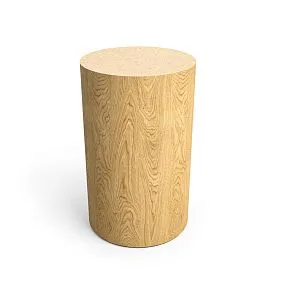
Have you ever wondered what transforms an ordinary tabletop into a piece of furniture art? The secret lies in the base — that invisible force determining the character, style, and longevity of the entire piece. Buy wooden base — means investing in the foundation of beauty that will serve for decades, transforming your home into an oasis of elegance and comfort.
In an era of mass production, when the market is filled with soulless items made of artificial materials, natural wood remains a symbol of authenticity and quality. Each strand of wood carries the memory of sunny days and rainy nights, of seasonal changes and the slow passage of time. That is why wooden bases possess a unique energy capable of filling any space with warmth and coziness.
But what distinguishes truly high-quality bases from cheap imitations? What secrets do masters hide who create premium furniture frames? Let's dive into the wonderful world of carpentry art and discover all the subtleties of choosing the perfect wooden base.


Philosophy of natural material: why wood conquers time




Living energy of wood in modern interiors
Each tree is unique — like a human fingerprint. Annual rings tell the story of growth, knots testify to battles with weather, and the texture of fibers creates unique patterns that cannot be artificially reproduced. It is precisely this uniqueness that makes wooden bases true masterpieces of natural art.
Modern research reveals an amazing fact: natural wood continues to "breathe" even after processing, regulating humidity in the room and creating a favorable microclimate. This means that by purchasing a wooden base, you are acquiring not just a piece of furniture, but a living organism that will care for the comfort of your home for years.
Our factory also produces:


Ecological value: investment in a healthy future
In a world where ecological awareness has become a norm of life, choosing natural materials is not just a fashion statement, but a conscious position of a responsible consumer. Wooden bases do not emit harmful substances, do not cause allergies, and are completely biodegradable.
Moreover, properly managed forestry contributes to the absorption of carbon dioxide from the atmosphere. By purchasing high-quality wooden bases, you indirectly participate in the fight against climate change and the preservation of natural resources for future generations.
Get Consultation
Wood Species: Each Has Its Own Character
Oak — the aristocrat of furniture
When it comes to premium furniture, oak invariably occupies the honorable first place. Its density reaches 850 kg/m³, providing exceptional strength and durability. Oak bases can withstand loads up to 500 kilograms while maintaining perfect geometric form.
The uniqueness of oak lies not only in its mechanical properties. High tannin content provides natural protection against pests and fungal diseases. The expressive texture with clearly defined growth rings makes each item a unique work of art.
Oak's color palette is stunningly diverse — from light golden tones of young wood to deep brown shades of mature material. Special treatment allows obtaining a stained oak with a noble black color reminiscent of ebony.
Ash — northern elegance
Light-colored beech wood with contrasting dark veins creates a unique decorative effect. With a density of 720 kg/m³, beech demonstrates an amazing combination of strength and elasticity, making it ideal for creating curved elements.
Beech — minimum shrinkage and swelling. The volumetric shrinkage coefficient is only 13%, ensuring dimensional stability of the base under varying air humidity. This is critically important for furniture that must maintain precise geometry for decades.
Walnut — embodiment of luxury
American walnut — material for true connoisseurs of elegance. Its rich color palette ranges from light brown tones of the sapwood to deep chocolate shades of the heartwood. This natural diversity allows creating bases with unique decorative effects.
Walnut is distinguished by exceptional dimensional stability — shrinkage coefficient of only 7.8%. This means that walnut bases practically do not react to humidity changes, maintaining ideal geometry under any operating conditions.
Beech — functional perfection
European beech has earned a reputation as an ideal material for furniture due to its uniform structure and excellent workability. Density of 680 kg/m³ provides sufficient strength while maintaining moderate weight of the items.
Beech bases easily accept staining and tinting, allowing them to imitate any valuable wood species. At the same time, beech's own texture is so neutral that it does not conflict with any interior design solutions.
Technological secrets of production: from raw material to masterpiece
Proper drying — the foundation of longevity
The quality of wooden bases is established during the raw material preparation stage. Modern kiln drying is a high-tech process requiring precise adherence to temperature and humidity regimes.
Wood is subjected to temperatures of 55–70°C while humidity gradually decreases from 50–60% to final 6–8%. The entire process takes two weeks to two months depending on the species and thickness of the blanks. Rushing is unacceptable — improper drying inevitably leads to deformations and cracks in the finished product.
Final wood moisture is controlled by electronic moisture meters with precision to 0.1%. Only upon achieving required indicators is the material permitted for further processing.
Precision mechanical processing
Modern CNC woodworking machines ensure manufacturing accuracy of ±0.05 mm. Such precision is critically important for creating quality joints and perfect fit of all structural elements.
Multi-operation machining centers perform the complete manufacturing cycle of a part in one setup — from rough turning to final polishing. This eliminates accumulation of errors during repositioning of the blank and guarantees ideal geometry of the finished product.
Traditional joinery
Despite technological advancements, the best wooden bases are still made using traditional joinery techniques. Mortise-and-tenon joints "tail joint" provide strength far exceeding that of modern adhesives and metal fasteners.
Each joint is individually executed with manual fitting of parts. The craftsman achieves such precision that parts connect with a tightness of several hundredths of a millimeter, creating a monolithic structure without additional fasteners.
Structural solutions: engineering of beauty
Central supports: elegance and functionality
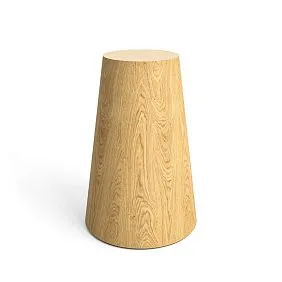
Bases with central legs — the choice of those who value maximum freedom in chair placement and visual lightness of the structure. A single support located at the center of the composition creates a sense of weightlessness of the tabletop.
Engineering calculation of the central leg requires special precision. The leg diameter is determined based on the tabletop dimensions and expected loads. For a standard dining table 120×80 cm, a leg of 120 mm diameter is sufficient; larger tables require supports up to 200 mm in diameter.
The base of the central leg may have various configurations — from a simple disc to a complex cross. The main requirement — ensure structural stability under any loading scenarios.
Four-legged classic: proven century-old reliability
The traditional four-legged scheme remains the most popular due to its universality and reliability. Proper placement of supports ensures optimal load distribution and prevents tipping even under significant lateral forces.
Distance between legs is calculated based on tabletop dimensions and ergonomic requirements. Standard rule: from the edge of the tabletop to the leg axis should be no less than 15 cm for stability and no more than 25 cm for convenient chair placement.
Base supports: modern interpretation of classic
A-shaped legs connected by a horizontal beam are experiencing a second life in modern interiors. Such a construction provides exceptional rigidity while using relatively little material.
Modern base supports may differ significantly from historical prototypes. Using bent-laminated elements allows creating smooth curved forms, while precise mechanical processing ensures perfect fit of all parts.
Stylistic directions: base for every interior
Classic Style: Timeless Values
Classic wooden bases are characterized by strict proportions, symmetry of forms, and use of traditional decorative elements. Grooves on legs, elegant capitals, profiled bases — all this creates an atmosphere of aristocratic elegance.
The color palette of classic bases tends toward natural wood tones with a light tint. Dark tones are especially popular — walnut, mahogany, oak. Such colors emphasize the solidity and respectability of the interior.
Scandinavian minimalism: beauty of simplicity
Scandinavian design philosophy preaches the principle of maximum functionality with minimal decorative elements. Scandinavian bases are distinguished by clean lines, natural wood tones, and flawless surface finishing.
Main materials — light species: pine, spruce, birch, beech. Processing is minimal — usually just clear oil or lacquer, highlighting the natural beauty of the material.
Loft aesthetics: industrial romance
Loft style implies combining natural wood with metallic elements. Wooden parts of bases often have deliberately rough processing — saw marks, irregularities, natural wood defects are preserved.
Combined constructions are popular, where wooden elements are combined with metal pipes, I-beams, and angles. Such bases create a sense of industrial strength softened by the warmth of natural material.
Modern modernism: innovations in traditions
Modern designers are not afraid to experiment with shapes, creating bases with unusual configurations. Asymmetric compositions, biomorphic forms, unexpected color solutions — all this characterizes the modernist approach.
Innovative processing technologies are used — laser cutting, 3D milling, thermal modification. This allows creating items that were once considered technically unfeasible.
Practical aspects of selection: what to pay attention to
Size and proportion compliance
The main rule for choosing a base is its compatibility with the size and style of the tabletop. An overly heavy base under a light tabletop will look out of place, while thin legs under a heavy marble top will create a sense of instability.
The height of a standard dining table is 75-76 cm, a work table — 72-74 cm, a bar table — 105-110 cm. These parameters are derived from anthropometric data and ensure comfort for people of average height.
Manufacturing quality and finishing
When choosing a wooden base, pay attention to the quality of surface finishing. There should be no scratches, unevenness, or gaps in the coating. All parts must fit tightly together without gaps or misalignment.
Pay special attention to joints — they determine the longevity of the item. Quality joints have no play, squeaks, or visible defects.
Compliance with operating conditions
Different rooms have different requirements for furniture. For the kitchen, the coating's moisture resistance is critical; for a child's room — material safety; for an office — the appearance's representativeness.
Maintenance and care: preserving beauty for years
Daily Care
Wooden bases require no complex maintenance, but need regular attention. Dust is removed with a dry or slightly damp soft cloth. Avoid using abrasive cleaning agents — they may damage the protective coating.
Immediately remove liquid with a dry cloth upon contact. Prolonged exposure to moisture may cause stains or wood deformation.
Periodic maintenance
It is recommended to perform preventive treatment of wooden surfaces with special agents every six months. Oil coatings are renewed with a thin layer of appropriate oil; lacquered surfaces are polished with special compounds.
Pay special attention to the condition of joints — tighten weakened fasteners as needed.
Professional restoration
Even with the most careful handling, damage may appear over time, requiring professional intervention. Modern restoration technologies allow restoring the original appearance even to severely damaged items.
Main types of restoration work: removing scratches and dents, renewing the lacquer coating, replacing worn elements, restoring joints.
Trends in development: looking toward the future
Environmental Priorities
Growing consumer environmental awareness stimulates the development of sustainable production technologies. Increasingly, wood from certified forests, non-toxic finishing materials, and zero-waste technologies are being used.
Digital technologies in traditional production
Modern CAD systems allow creating complex 3D models of future products with photorealistic visualization. The customer can see the finished result even before production begins.
CNC machines ensure reproducibility of results with accuracy down to hundredths of a millimeter. This is especially important for mass production, where each item must precisely match the standard.
Personalization and Individual Approach
Modern consumers increasingly demand customized solutions. Manufacturers respond to this challenge by offering wide customization options — from selecting wood species to creating a unique design based on the customer's sketches.
Economic Aspects: Investment in Quality
Analysis of ownership cost
When evaluating the cost of a wooden base, consider not only the purchase price but also all costs over its service life. A quality solid wood item, with proper care, lasts 50-100 years, whereas cheap analogs require replacement every 5-10 years.
In the long term, investing in quality wooden furniture proves more beneficial than repeatedly purchasing cheap items.
Impact on property value
Quality furniture made of natural wood enhances the overall appeal of interior design and can positively influence property value when selling. This is especially relevant for luxury housing, where every detail contributes to the overall impression.
Antique value
Items crafted by renowned masters and furniture manufacturers may acquire antique value over time. Quality wooden furniture, particularly those made in historical styles, often become family heirlooms passed down from generation to generation.
Time flies relentlessly, but there are things that only become more beautiful with the years. Buy wooden base — means acquiring a lifelong companion who will delight not only you, but also your children and grandchildren. In a world of disposable items, natural wood remains a symbol of constancy and reliability.
Each quality wooden furniture piece tells its own story — the story of the tree that grew for decades, the story of the craftsman who poured his soul into every stroke of the plane, the story of the family that will gather around this table for many years. This is not just furniture — it is a link between generations, a witness to joyful moments and important decisions.
Choosing wooden furniture is choosing in favor of quality, eco-friendliness, and beauty. It is an investment in creating a home where every detail matters, where the atmosphere of comfort and harmony reigns. Buy wooden furniture Today — means laying the foundation for a beautiful tomorrow.
In today's world, where technology develops at dizzying speed, the art of crafting quality wooden furniture remains unchanged. The same principles that guided masters of past centuries remain relevant today: respect for materials, attention to detail, and pursuit of perfection.
STAVROS Company embodies these principles in every created item. Decades of experience working with wood, deep understanding of modern consumer needs, use of only premium materials and proven technologies — all this makes STAVROS products a benchmark of quality in the furniture industry. Every piece of furniture from STAVROS is not just a piece of furniture, but a work of art, created with love and intended to serve for decades. Choosing STAVROS means choosing craftsmanship traditions, reliability of time-tested quality, and beauty that never goes out of style.