Article Contents:
- Wood in interior: traditions and modernity
- The fine line between classic and innovation
- Why wood is always a winning choice?
- Main types of wooden planks
- Key selection parameters
- 1. Accent wall with wooden planks
- 2. Geometric panels
- 3. Kitchen backsplash finishing
- 4. Niche and column decoration
- 5. Ceiling solution
- 1. Base preparation
- 2. Mounting methods
- 3. Final touches
- Maintenance and long-term use
- Certified wood
- Rational use of waste
- Combination with other materials
- Inspiration and modern trends
- Mix of forms and textures
- 3D effect
- Combination of multiple shades
- Unusual lighting
- Technical nuances and answers to frequently asked questions
- Role of light in decoration
- Conclusion

Modern interior design offers a vast array of creative solutions capable of completely transforming a space. One such element iswooden plank on the wallApparently, a seemingly simple and understandable item — a board or plank of solid wood — can become the key to creating a cozy and stylish home when handled skillfully. But why exactly wooden planks are gaining popularity, how to use them properly, and what details to pay attention to in order to achieve a truly impressive result? In this article, we will try to provide the most comprehensive answers to all these questions.


Wood in interior: traditions and modernity
Wood has surrounded us since ancient times. In architecture and decorative solutions, it has gone through a long journey — from rough log constructions to exquisite furniture and delicate carved panels. The natural beauty and nobility of this material invariably captivate the hearts of designers and homeowners.




The fine line between classic and innovation
● Classic motifs
Despite technological advancements, numerous styles and trends, wood remains one of the most sought-after materials in the world. Its unique texture, diverse shades, and natural grain pattern always create a 'living nature' effect in interiors.
● Innovative processing methods
If wood was previously vulnerable to moisture, mold, and pests, today this problem is solved by applying impregnations, oils, and lacquer coatings. Thanks to innovative drying and impregnation methods,wooden plank on the wall it becomes more resistant to external influences and can serve for many years without losing its initial attractiveness.
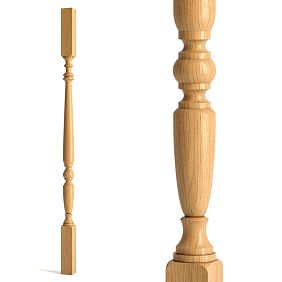
Our factory also produces:



Why wood is always a winning choice?
- Ecological safety
Natural materials such as solid wood do not emit harmful substances. On the contrary, under certain conditions, wooden finishes can even improve the microclimate inside the room.
- Universality
It is difficult to find an interior where wood would appear inappropriate. High-tech, loft, classic, Provence — in any of these styles, one can find a harmonious solution using wooden planks.
- Variety of finishes
Modern processing methods allow giving wood almost any color and texture: from naturally untreated appearance to aged surface effect or exotic stain.
- Tactile comfort
Wood feels 'warm' to the touch, creating a sense of coziness and security. In an era of cold metal and plastic, this is especially valued.
All this makeswooden plank on the wall not just a decorative detail, but a truly functional and inspiring element.
What is a wooden plank on the wall: definition and features
First, let's clarify what the term 'wooden plank' means. Usually, this is a narrow board of a certain thickness and width, used for interior or exterior finishing of rooms. The plank can have various shapes — rectangular, shaped (with bevels), with carved edges or without them.
Get Consultation
Main types of wooden planks
- Shiplap board
Has a 'tongue-and-groove' joint, which simplifies installation and allows achieving a smooth, sealed surface on the wall. Often used for wall cladding in country houses, on verandas, balconies.
- Plank (or strip)
More narrow and thinner compared to solid boards. Used for creating decorative panels and lattices, as well as for 'strips' on walls or ceilings.
- Molding plank
Features a shaped profile, giving the item a more refined appearance. Suitable for framing door or window openings, as well as for creating wall decorative compositions.
- Engineered (laminated) board
Composed of several layers of wood of different species. The top layer is usually made of a premium species (oak, beech), while the lower layers are made of cheaper or more deformation-resistant materials. This construction increases the stability of the product.
Key selection parameters
- Wood species
Coniferous (pine, spruce) are softer but more affordable; hardwoods (oak, beech) are characterized by high strength and expressive texture; exotic varieties (merbau, wenge) are exclusive but more expensive.
- Drying quality
If the wood moisture exceeds permissible levels, the plank may warp or crack after installation. Conversely, overly dry boards will be prone to cracking with changes in room humidity.
- Surface treatment
Can be coated with lacquer, oil, wax, or paint. The choice depends on interior style and functional requirements (e.g., moisture or mechanical resistance).
- Size and geometry
Thickness and width of the plank are selected depending on room size and design. Too wide boards in a small room may 'consume' space, while too narrow ones may create excessive visual clutter.
Variety of styles and ideas for use
1. Accent wall with wooden planks
In modern apartments and houses, it is often possible to see a technique where one wall or its part is highlighted with special finishing. This may be:
horizontally laidwooden plank on the wallwhich visually expands the space.
● Vertical stripes, helping to lift the ceiling.
● Checkerboard or diagonal layout for creating dynamics.
Such an accent adds depth to the interior and makes it more original.
2. Geometric panels
For lovers of unconventional solutions, wooden planks offer the opportunity to create real works of art on the wall. For example, you can combine different types of wood in one panel or make inserts of metal and glass. Geometric patterns (zigzag, diamonds, chevron, honeycomb) open up space for creativity and self-expression.
3. Kitchen backsplash finishing
If you are looking for an unusual solution for the kitchen, why not use wood? Of course, not every type of wood can withstand proximity to the stove and sink without additional treatments, but recently there have been special moisture-resistant coatings. Using planks as a backsplash gives the kitchen a special charm and allows you to move away from conventional ceramic tiles.
4. Niche and column finishing
In spacious rooms, niches or protrusions are often encountered, which one would like to somehow highlight. Installing wooden planks creates a warm contrast with concrete or brick surfaces, hides minor defects, and gives the room a finished look.
5. Ceiling solution
Some designers recommend not limiting yourself to walls. A ceiling decorated with wooden elements helps achieve a chalet, Mediterranean, or Scandinavian atmosphere, depending on your preference. Vertical division on the ceiling can be rhythmic (many identical planks) or more artistic (random geometric pattern layout).
Practical aspects of installation
For those who decided to decorate their home with wooden planks, it is important to understand in advance how labor-intensive the installation process will be.
1. Preparation of the base
● Wall leveling
If the wall has unevenness, it is advisable to eliminate it before installation. This can be spackling, leveling with gypsum board or wooden lathing.
● Primer and antiseptic treatment
Before attaching planks, the base should be treated with special agents protecting against mold and mildew.
2. Methods of mounting
● Adhesive
Suitable for flat surfaces and thin planks. It is important to choose compositions designed for wood and capable of holding the required load.
● Cleats
Mechanical hidden fasteners allowing you to avoid visible heads of nails and screws.
● Screws and nails
Classic method, but nail heads will need to be either masked to match the wood color or left as a design element in a loft style.
3. Final touches
● Joint sealing
If necessary, joints can be filled with sealant or decorative compound.
● Final coating
Sometimes, after installation, an additional layer of varnish or oil is applied to wooden planks to protect the wood from moisture and mechanical damage.
Care and long-term use
Any natural wood requires careful handling. Towooden plank on the wall maintain its original appearance for many years, do not ignore the following recommendations:
- Regular Cleaning
Remove dust from the surface with a soft cloth or brush. For heavy soiling, use only slightly damp sponge without aggressive cleaning agents.
- Humidity control
Avoid sharp changes in humidity and temperature in the room. If necessary, use a humidifier in winter to prevent the wood from drying out.
- Updating protective coating
It is recommended to renew the layer of varnish, oil, or wax every few years. This is especially important for planks located near sources of moisture or heat (kitchen, heating appliances).
- Prevention of mechanical damage
Try not to place heavy objects directly on protruding wooden elements, and if planks are at floor level, consider protective covers.
Eco-trends and responsible resource use
Today, the issue of ecological safety is coming to the forefront. Using natural materials is an excellent step in supporting this concept, but it is important to remember that any wood is a resource that needs to be preserved.
Certified wood
If it is important to you that the interior is not only beautiful but also ecologically responsible, pay attention to FSC (Forest Stewardship Council) or PEFC certificates. These organizations control compliance with sustainable forestry principles, excluding destructive logging.
Rational use of waste
When installing wooden planks, scraps are inevitably created. These can be used to decorate small areas, for crafts, or even burned in a fireplace (if it is pure wood without lacquer coatings, suitable for burning).
Combination with other materials
Cannot be consideredwooden plank on the wall in isolation from other interior elements. To make a room look harmonious, wood must be combined thoughtfully.
- Brick and concrete
Classic loft style. The warm texture of wood softens the cold appearance of brick or concrete walls, creating a pleasant contrast.
- Glass
Smooth glossy surfaces and transparent partitions contrast beautifully with wood, visually expanding the space.
- Metal
Black or chrome details combined with natural planks evoke a modern industrial design and look very effective.
- Stone
Natural or artificial stone (e.g., decorative slate) gives the room a sense of solidity, while wood makes it more cozy.
Mistakes to avoid
- Excessive clutter
It is not advisable to cover all walls with wood if the room is small and lacks natural light. Choose one or two accent zones; otherwise, the space may appear cramped and overloaded.
- Style mismatch
For example, if the overall interior is built around ultra-modern high-tech with glass and metal inserts, overly rustic planks with rough texture may clash with the overall concept.
- Incorrect wood species selection
If you install planks in a bathroom or kitchen, untreated pine may quickly darken and warp.
- Saving on fasteners
Using cheap glue or weak fasteners may result in planks detaching from the wall or starting to squeak over time.
Inspiration and modern trends
Mix of forms and textures
3D-effect
3D-effect
In addition to flat elements, panels with three-dimensional reliefs are gaining popularity. Suchwooden plank on the wall has a wavy, zigzag, or cellular surface that changes depending on the angle of illumination. This solution is suitable for spacious rooms where one wants to create a 'gallery wall' effect.
Combination of several shades
Using different shades of the same wood species or even different species allows creating a complex 'pixel' pattern. This achieves even greater individuality in the interior.
Unusual lighting
Bottom, top, or side lighting of a wooden wall gives the room a futuristic sound. LED strips embedded in the gaps between boards create a floating element effect, while shadowing the relief adds additional depth.
Real cases: from a modest apartment to a luxurious mansion
To more vividly demonstrate the possibilities of wooden planks, let's consider several examples:
- Small studio
The owners decided to divide the space into a kitchen and living area without obvious partitions. For this, they used thin vertical planks of light wood on one wall, and partially continued it to the ceiling. As a result, a clear visual boundary emerged, but the overall sense of space remained open.
- Classic living room in a country house
Fireplace finishwooden plank on the wall with a decorative profile made of oak, created a luxurious accent in the center of the room. For contrast, the fireplace shelf was painted white, which emphasized the oak texture and added elegance.
- Bedroom in shabby chic style
Here, they used aged planks coated with white patina. With their help, they decorated the headboard of the bed and a small corner area in the room, where they placed a reading chair. The warm texture of 'vintage' wood gave the room a romantic and gentle character.
- Office space in loft style
To divide a large open space into negotiation and work zones, they applied tall wooden planks of thermally treated ash, alternating with metal structures. This allowed creating a private space without losing the feeling of lightness and industrial chic.
Technical nuances and answers to frequently asked questions
- Can wooden planks be mounted directly on brick or concrete?
Yes, but preliminary leveling and priming are required. If the wall is relatively flat, use adhesive or screws with anchors. If not, install a wooden frame.
- Which impregnations are suitable for wet areas?
There are special water-repellent compositions based on wax or oils, as well as stains with antiseptics. It is important to check the manufacturer's recommendations regarding contact with water.
- How to care for planks if I have pets at home?
In this case, a more durable type of wood (oak) and a lacquer or special oil coating, increasing resistance to scratches, is preferable. Also, it is necessary to periodically inspect the bottom of the planks, where pets' claws and teeth may get stuck.
- Will wooden planks be flammable material?
Wood is indeed flammable, but there are fire-resistant impregnations that reduce the risk of ignition. Moreover, in most modern interiors, open fire is not expected, except for fireplaces and stoves, which have their own construction safety standards.
- Can planks be mounted on the ceiling if there is a suspended ceiling?
Yes, but the structure must be planned in advance: either mount the plank frame before stretching the fabric, or use special decorative panels mounted on the wall and extending onto the ceiling by a few centimeters.
The role of light in design
Lighting is a key factor influencing the perception of wooden finishes. Incorrect lighting can make even beautiful wood look dull or dirty.
- Spot lighting
Light fixtures directed at the wood texture highlight its texture and relief.
- Diffused light
Soft sources hidden behind planks create a sense of warmth and depth.
- Backlighting
When light comes from the side or behind, expressive shadows and accents appear at transitions between elements.
When to consult professionals
Although many people prefer to install it themselves, there are cases when it is not worth risking:
● If the wall surface has significant unevenness, professional leveling is required.
● Complex geometric patterns or 3D compositions require precise calculations and experience.
● When installing in high-humidity areas (bathrooms) or areas with sharp temperature fluctuations (unheated verandas), additional knowledge about special impregnations is required.
Professional designers and installers will help select the optimal layout scheme, calculate material consumption, and perform the work quickly and efficiently.
Wooden plank as an art object element
Modern artists and decorators increasingly create art objects using planks as a construction 'kit'. This can be:
● Wall pictures made of colorful boards.
● Complex sculptural compositions protruding from the wall plane.
● Installations where wood combines with live plants and lighting.
Such bold applicationwooden plank on the wall transforms ordinary decorative elements into art, brings us closer to nature, and offers a unique visual experience.
Prospects and future of wooden solutions
Considering the growing popularity of eco-design, we can confidently say that interest in wood will only grow. Moreover, the emergence of new hybrid technologies (when wood combines with polymer composites) expands application areas. This means thatwooden plank on the wall not only will not lose relevance, but will continue to improve, gaining even greater functionality and resistance to external factors.
Conclusion
Wooden plank — it is not just a decorative element, but a tool that allows transforming any room, bringing warmth, individuality, and harmony into it. At the same time, the variety of wood species, treatments, and installation methods opens up boundless creative possibilities. Want to create an accent wall in the living room or add natural charm to the kitchen? Wish to realize a bold idea in loft style or, conversely, give rooms a classic elegance? In all these situationswooden plank on the wall can become the best solution.
The main thing is to consider the characteristics of wood, appropriately assess the room conditions, and properly care for the installed finish. Then your interior will delight the eye and retain its original beauty for many years. And if doubts arise or you want something truly unique, you can always consult professionals who will help you realize your dream in the best possible way.
Thus, wooden planks continue to hold leading positions in the world of design. They are capable of combining modernity and tradition, aesthetics and functionality, simplicity and luxury at the same time. And it is precisely this that makes them the number one choice for those who strive to create an interior reflecting emotional warmth and harmonious integration with the surrounding environment.