












































































Article Contents:
- History of Wooden Window Trim
- Origins of Window Opening Design Traditions
- Evolution of Trim Styles Through the Centuries
- Regional Characteristics of Trim in Various Cultures
- Types and Kinds of Wooden Window Trim
- Classification by Functional Purpose
- Variety of shapes and profiles
- Stylistic Directions in Trim
- Materials for Manufacturing Wooden Trim
- Wood Species and Their Characteristics
- Modern wood processing technologies
- Protective Coatings and Finishing
- Manufacturing and Installation Technologies for Wooden Trim
- Traditional manufacturing methods
- Modern manufacturing technologies
- Installation and Mounting Process
- Functional Aspects of Wooden Window Trim
- Protective Functions of Trim
- Impact on room microclimate
- Role in Architectural Composition
- Design solutions and stylistic directions
- Classic Trim Styles
- Modern Trends in Trim Design
- Combining Trim with Various Architectural Styles
- Care and Maintenance of Wooden Trim
- Regular Care and Prevention
- Restoration and repair
- Protection Against Pests and Decay
- Ecological Aspects of Wooden Trim
- Ecological Materials and Production
- Modern Ecological Trends
- Impact on Human Health
- Conclusion
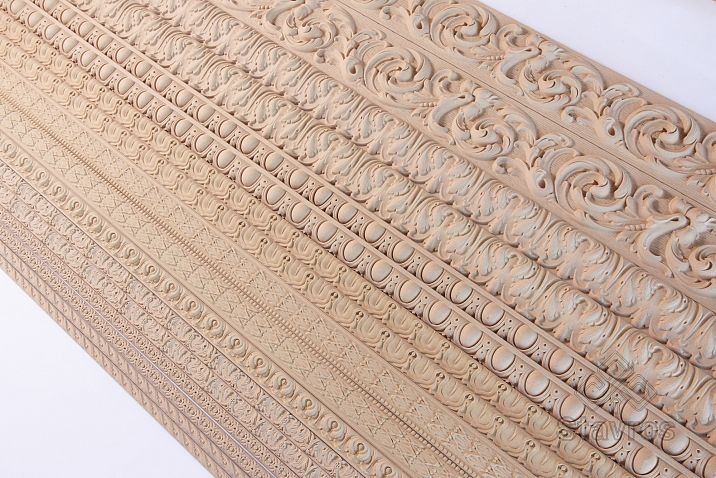
In the world of interior and exterior design, there are many elements that not only serve a decorative function but also play an important practical role. One such element is wooden window trim, which gives window openings a finished look, protects them from adverse environmental effects, and becomes an important stylistic accent in the overall appearance of the building.
wooden window trim — this is not just a decorative element, but a complete set of items including casings, moldings, cornices, and other profiled details that frame the window opening both outside and inside the room. These elements not only give windows an aesthetically pleasing appearance but also protect the joints between the window frame and the wall from moisture, dust, and cold air penetration, as well as conceal possible installation defects.
In this article, we will thoroughly examine the history of the emergence and development of wooden window trim, its varieties, materials and manufacturing technologies, features of installation and maintenance, as well as modern trends in window trim design. This information will be useful for both construction and design professionals and homeowners who wish to create a unique look for their homes.


History of wooden window casing




Origins of the tradition of window opening decoration
History wooden window trim It traces its roots to deep antiquity. Even in the earliest wooden structures, people aimed not only to ensure the functionality of window openings but also to give them an aesthetically pleasing appearance. In ancient Russian architecture, window casings were not merely decorative elements but carried significant symbolic meaning, serving as protective charms safeguarding homes from evil spirits.
Initially, the casing served a purely practical function — sealing gaps between the window frame and the wall, protecting the dwelling from cold and drafts. With the development of construction technologies and the emergence of more advanced woodworking tools, the casing began to acquire increasingly complex forms and rich ornamentation.
In Russian architecture of the 17th–19th centuries, casings transformed into true works of art. Master carvers created intricate compositions featuring floral and geometric ornaments, depictions of birds and animals, and solar symbols. Each region of Russia had its own distinctive features in window opening decoration, enabling one to determine a house’s geographical origin by its exterior appearance.
Our factory also produces:



Evolution of casing styles through centuries
Styles wooden window trim changed in accordance with general architectural trends. In the Baroque era (17th–18th centuries), the casing became more ornate and flamboyant, featuring abundant curved forms, volutes, and floral motifs. Classicism (late 18th–early 19th centuries) brought strictness and symmetry, geometric clarity of lines, and classical motifs.
During the Eclecticism period (second half of the 19th century), masters freely combined elements of various styles, creating unique compositions. Modernism (late 19th–early 20th centuries) introduced flowing, fluid lines, stylized floral motifs, and asymmetry into casing design.
The Soviet period was characterized by simplification of forms and minimization of decoration, which was linked both to ideological principles and economic factors. However, in private construction, traditions of decorative window framing were preserved, albeit in a more restrained form.
Get Consultation
Casing has its own characteristics in different cultures and regions.
wooden window trim In Russian wooden architecture, casings often featured rich carving with solar symbols, floral motifs, and zoomorphic imagery. The Volga region, Russian North, and Siberia were especially renowned for their carved casings.
In Scandinavian countries, casing was more restrained, with a predominance of geometric forms and minimal decoration. This was due to harsh climatic conditions and a practical approach to construction.
In Central European countries, especially Germany and Austria, casing often included elements of half-timbered architecture, characterized by the contrast between dark wood and light walls.
In Mediterranean countries, where the climate is milder, casing could be less massive but more vibrant, often painted in contrasting colors.
In Japan, traditional architecture involved the use of sliding partitions called shoji, where wooden lattices served as a kind of casing for paper screens that allowed light to pass through.
Types and varieties of wooden window casing
Classification by functional purpose
wooden window trim can be classified by its functional purpose into several main types:
Outer casing (mouldings) — installed on the exterior of the building and serves both decorative and protective functions, protecting the junction between the window frame and the wall from atmospheric precipitation and wind. Outer mouldings often have more complex shapes and rich decoration, as they are an important element of facade design.
Inner casing (trim, mouldings) — installed inside the room and serves to frame the window opening, conceal mounting joints, and create a finished interior look. Inner casing may include window sills, trim, cornices, and other elements.
Shrinkage box (shrinkage stop) — a special construction installed in the window opening of a wooden house before installing the window itself. It is designed to compensate for wall shrinkage and prevent deformation of the window frame. Shrinkage stop is not a decorative element but plays an important structural role.
Decorative elements — additional details that can be added to the main casing to enhance the decorative effect: carved consoles, sash brackets, rosettes, etc.
Variety of shapes and profiles
wooden window trim is represented by a wide variety of shapes and profiles, allowing one to select the optimal variant for any architectural style:
Straight casings — have a simple rectangular shape without pronounced decorative elements. They are versatile and suitable for most modern interiors.
Figurative casings — have complex shapes with various protrusions, curves, and decorative elements. They can be executed in various styles: Baroque, Classicism, Modernism, etc.
Profiled mouldings — have complex profiles with various protrusions, recesses, and curves. They are used to create a more refined window opening design.
Carved casings — adorned with carved ornamentation of varying complexity. These may include simple geometric patterns or complex compositions with floral motifs, figures of animals and people.
Combined casings — combine elements of various styles and techniques, creating a unique design.
Stylistic directions in trim
In design wooden window trim Several main stylistic directions can be identified:
Classic style — characterized by symmetry, proportionality, and use of traditional architectural elements: columns, pilasters, cornices. Trim in the classical style often has a profiled edge and may be supplemented with carved elements.
Rustic (country) style — distinguished by simple forms, use of rough-sawn wood, and minimal decoration. Such trim creates a sense of naturalness and closeness to nature.
Baroque and Rococo — styles characterized by opulence, abundance of decorative elements, curved forms, and intricate carving. Trim in these styles often includes volutes, cartouches, and plant motifs.
Modern — a style that emerged at the turn of the 19th and 20th centuries, characterized by smooth, flowing lines, asymmetry, and use of natural motifs. Trim in the modern style often has a complex shape with curved lines and stylized plant elements.
Minimalism — a modern style characterized by simplicity of forms, absence of unnecessary details, and functionality. Trim in a minimalist style usually has a simple geometric shape without decorative elements.
Materials for manufacturing wooden trim
Wood species and their characteristics
Choosing wood species for wooden window trim depends on many factors: climatic conditions, building style, budget, and personal preferences. Each species has its own characteristics that should be considered when choosing:
Spruce — one of the most accessible and widely used species. It is easy to process, has a pleasant light tone, and a distinctive pattern of annual rings. Spruce contains resins that naturally protect the wood from rot and insects. However, it is relatively soft and may be susceptible to mechanical damage.
Larch — distinguished by high strength, moisture resistance, and durability. Over time, larch only hardens, making it an ideal material for exterior trim. It has a beautiful golden-amber tone that darkens over time to a noble brown.
Oak — a traditional material for manufacturing premium-grade trim. It is extremely strong, resistant to moisture and mechanical impacts. Oak has a distinctive texture and can be processed in various ways to create diverse effects. However, it is one of the most expensive materials.
Ash — a hard species with a beautiful texture resembling oak, but with a lighter tone. Ash is well-suited for processing and finishing, and is resistant to mechanical impacts.
Linden — a soft species ideal for carving. It has a uniform structure without a pronounced texture, making it ideal for creating complex carved elements. However, linden is less resistant to moisture and mechanical impacts, so it is more commonly used for interior trim.
Cedar — has a pleasant aroma that lasts for many years. Cedar contains natural oils that protect the wood from rot and insects. It has a beautiful reddish tone and a fine, even texture.
Modern wood processing technologies
Modern wood processing technologies allow significantly improving the quality and durability wooden window trim:
Kiln drying — a process in which wood is dried in special chambers with controlled temperature and humidity conditions. This allows achieving optimal material moisture content (10-12%), preventing deformation and cracking during use.
Glued timber — a technology in which trim is manufactured from several layers of wood glued together. This significantly increases the strength and stability of the product, preventing deformation and cracking.
Thermo-treatment — a process in which wood is heated to high temperatures (180-240°C) in an oxygen-poor environment. This alters the wood’s structure at the molecular level, making it more resistant to moisture, rot, and insects.
Impregnation with antiseptics and fire retardants — treatment of wood with special compositions that protect it from biological pests (fungi, mold, insects) and increase fire resistance.
CNC processing — use of computerized machines for precise cutting and milling of wood. This allows creating complex profiles and patterns with high accuracy and repeatability.
Protective coatings and finishing
For protection wooden window trim from negative effects of the surrounding environment and to achieve the desired appearance, various protective coatings and finishing methods are used:
Lacquers — transparent coatings that protect wood from moisture and contaminants, while highlighting its natural texture and color. Modern lacquers may contain UV filters that prevent wood from fading under sunlight.
Paints — opaque coatings that completely cover the wood’s texture and allow creating any desired color. Paints provide maximum protection against moisture and ultraviolet radiation.
Oils and waxes — natural coatings that penetrate into the wood’s structure, protecting it from within. They highlight the natural beauty of wood, giving it a deep, rich color and silky sheen.
Stains (dyes) — compositions that change the color of wood without hiding its texture. They allow imitating more expensive wood species or creating a unique color effect.
Patination is a technique in which a special compound (patina) is applied to the surface of wood, creating an effect of aging or weathering. Patina can be of various colors and intensities, allowing for diverse decorative effects.
Brushing is a wood treatment technique in which soft fibers are removed from the surface, leaving harder ones. This creates a textured surface that highlights the natural structure of the wood.
Manufacturing and installation technologies of wooden trim
Traditional Manufacturing Methods
Traditional manufacturing methods wooden window trim based on manual craftsmanship and passed down from generation to generation:
Hand carving is the oldest and most artistic method of creating decorative trim elements. The craftsman uses various chisels, gouges, and knives to carve patterns and ornaments into the wood surface. This method allows for unique, one-of-a-kind pieces but requires high skill and significant time investment.
Turning is a method in which the workpiece rotates around its axis, and the craftsman uses special cutters to give it the desired shape. This method is used to create round or cylindrical trim elements, such as columns, balusters, and rosettes.
Wood joinery — various ways of joining wooden parts without using metal fasteners. These include mortise and tenon joints, dados and tongues, "birdsmouth" joints, and others. These methods ensure structural strength and longevity, as well as give the construction an authentic appearance.
Manual sanding — a process in which the wood surface is treated with abrasive materials to achieve smoothness and remove irregularities. Traditionally, pieces of pumice, sharkskin, or sandpaper were used for this purpose.
Modern Manufacturing Technologies
With the development of technology, new manufacturing methods have emerged wooden window trimwhich allow for improved quality, increased production speed, and reduced costs:
CNC milling — using computer numerical control machines to create complex profiles and patterns. A computer program controls the movement of the milling cutter, enabling the creation of identical parts with high precision and repeatability.
Laser cutting and engraving — a technology in which a laser beam is used to process wood. It allows for creating very fine and complex patterns that are inaccessible with traditional processing methods.
3D milling — a technology that allows creating three-dimensional decorative elements using specialized milling machines. This opens up new design possibilities for trim.
Automated production lines — integrated systems that combine various production stages (cutting, milling, sanding, painting) into a single automated process. This significantly increases productivity and ensures consistently high product quality.
Installation and mounting process
Installation process wooden window trim includes several stages and requires specific skills and tools:
Surface preparation — cleaning and leveling the surface around the window opening. In wooden houses, this may include installing a window casing (sill), which compensates for wall shrinkage and prevents deformation of the window frame.
Measurement and marking — precise measurement of the window opening and marking the installation locations of the trim. This is a critical stage, as measurement errors can lead to improper installation and the need to redo the work.
Trim piece preparation — cutting pieces to size, creating necessary joints (e.g., 45-degree bevels for corners), and pre-treating with protective compounds.
Trim installation — securing pieces in place using nails, screws, adhesive, or special fasteners. The method of attachment depends on the type of trim, wall material, and other factors.
Final finishing — filling gaps around fasteners, sanding joints, and applying a final protective coating. This stage ensures an aesthetically pleasing appearance and long-term durability of the trim.
Installation of additional elements — mounting decorative details such as capitals, rosettes, and sash brackets, which complement the main trim and create a finished look.
Functional aspects of wooden window trim
Protective functions of trim
wooden window trim performs several important protective functions that extend the service life of the window structure and improve comfort inside the room:
Protection against atmospheric effects — trim prevents moisture from entering the joint between the window frame and the wall, which is especially important for wooden houses. This protects walls from moisture, rot, and mold growth.
Thermal insulation — properly installed trim minimizes heat loss through the window opening, preventing cold bridges and condensation. This is especially important in cold-climate regions.
Sound insulation — trim can improve the sound insulation properties of the window opening, reducing outdoor noise penetration into the room.
Protection against insects — trim seals gaps and cracks through which insects may enter the room.
Protection against mechanical damage — trim protects the edges of the window opening from chipping, cracking, and other damage that may occur during use.
Impact on the microclimate of the room
wooden window trim may have a positive impact on the microclimate in the room:
Humidity regulation — wood is a hygroscopic material that can absorb excess moisture from the air and release it when drying. This helps maintain an optimal humidity level in the room.
Natural ventilation — unlike synthetic materials, wood "breathes," which promotes natural air exchange and prevents air stagnation.
Antibacterial properties — some types of wood (e.g., pine, cedar) release phytoncides — volatile substances with antibacterial properties that positively affect human health.
Psychological comfort — natural wood creates a sense of warmth and coziness, positively affecting the psychological state of people in the room.
Role in architectural composition
wooden window trim plays an important role in the overall architectural composition of the building:
Accentuating window openings — trim highlights windows on the building's facade, making them important compositional elements.
Creating stylistic unity — trim can support the building's overall architectural style, creating a cohesive, harmonious appearance.
Visual correction of proportions — using trim, one can visually alter the proportions of a window opening, making it appear taller or wider, or conversely, reducing its visual size.
Rhythmic organization of the facade — repeating trim elements create rhythm on the building's facade, which is an important principle of architectural composition.
Connection with the surrounding environment — in wooden construction, trim often reflects local traditions and characteristics, helping the building harmoniously blend into the surrounding landscape.
Design Solutions and Stylistic Directions
Classic trim styles
Classical styles wooden window trim are based on historical architectural traditions and characterized by specific canons and rules:
Classicism — a style based on principles of ancient architecture. Classical trim is characterized by strictness, symmetry, and proportionality. Elements such as pilasters, columns, and gables are often used. Profiles have clear geometry with predominance of straight lines and simple curves.
Baroque — a style characterized by opulence, dynamism, and theatricality. Baroque trim is rich in curved forms, volutes, cartouches, and plant motifs. Gold leaf and other decorative finishes are often used.
Rococo — a style that evolved from Baroque but is lighter and more elegant. Rococo trim features asymmetrical, flowing forms, often incorporating shell, floral, and leaf motifs. The color palette is usually light and pastel.
Empire — a style that emerged during Napoleon's era and was inspired by the Roman Empire. Empire-style trim is monumental and majestic, often featuring military symbols (laurel wreaths, eagles) and Egyptian motifs.
Neoclassicism — a modern interpretation of classical styles. Neoclassical trim retains the core principles of Classicism but may be more flexible in details and proportions.
Modern trends in trim design
Modern trends in design wooden window trim reflect general trends in architecture and interior design:
Minimalism — a style characterized by simplicity, functionality, and absence of unnecessary details. Minimalist trim features simple, clean lines, minimal decorative elements, and is often painted in neutral colors (white, gray, black).
Scandinavian style — characterized by light tones, natural materials, and functionality. Scandinavian trim is typically made from light-colored woods (pine, birch) and features simple, minimalist forms.
Eco-style — a direction that emphasizes ecological sustainability and connection with nature. Eco-style trim is made from natural, eco-friendly materials, often with minimal processing that preserves the wood's natural texture and color.
Industrial style (loft) — a style inspired by industrial spaces. In this style, wooden trim can be combined with metal elements, have a rough, "unfinished" surface, or be painted in dark, saturated colors.
Fusion — a style that combines elements of various stylistic directions. Fusion-style trim can combine traditional and modern elements, different materials, and processing techniques.
Combining trim with various architectural styles
wooden window trim should harmoniously complement the overall architectural style of the building:
Russian wooden architecture — traditional Russian wooden houses are characterized by richly decorated trim with carved door and window casings, often featuring solar symbols, plant motifs, and zoomorphic images.
Fachwerk — for half-timbered houses, common in Germany, France, and other Central European countries, characterized by contrasting trim that highlights the wooden frame of the building.
Chalet — alpine chalet houses are characterized by heavy, rough trim made of thick beams, often with minimal decoration.
Colonial style — for colonial-style houses common in the USA, characterized by elegant, symmetrical trim, often painted white to contrast with the main facade color.
Modern (Art Nouveau) — for buildings in the modern style, characterized by trim with flowing, fluid lines, often featuring plant motifs and asymmetrical compositions.
Modern architecture — for contemporary buildings, suitable minimalist trim with clean lines and minimal decorative elements, emphasizing the geometry of window openings.
Care and Maintenance of Wooden Trim
Regular Care and Prevention
Regular care for wooden window trim is necessary to preserve its aesthetic and functional qualities:
Cleaning from dust and dirt — regular cleaning of the surface with a soft cloth or brush. For more thorough cleaning, use a slightly damp cloth with a mild detergent. After wet cleaning, the surface should be thoroughly dried.
Checking the condition of protective coating — regular inspection of the surface for damage to the paint or varnish, cracks, or chips. Any defects found should be addressed promptly to prevent further damage to the wood.
Updating protective coating — periodic (every 3-5 years, depending on usage conditions) renewal of varnish, paint, oil, or wax on the trim surface. This protects the wood from moisture, ultraviolet radiation, and mechanical damage.
Protection against insects — regular treatment of wood with special compounds that prevent damage from wood-boring insects.
Moisture control — maintaining an optimal humidity level in the room (40-60%) to prevent deformation of wooden elements.
Restoration and Repair
Even with the most careful care wooden window trim over time may require restoration or repair:
Repairing minor damage — filling cracks, chips, and scratches with special wood repair compounds (putty, wax, epoxy resin).
Surface sanding — removing old, damaged coating and preparing the surface for new coating. Sanding is performed using sandpaper of varying grits, starting with coarse and finishing with fine.
Restoring carved elements — restoration or replacement of damaged carved details. This may require the involvement of a professional woodcarver.
Complete replacement of elements — in cases of serious damage (rot, extensive cracks, deformation), complete replacement of individual trim elements may be required.
Updating fastening elements — replacing rusted or weakened nails, screws, and brackets with new, stronger, and corrosion-resistant ones.
Protection against pests and decay
Wood is susceptible to various biological pests and may rot under unfavorable conditions. To protect wooden window trim the following measures are necessary:
Antiseptic treatment — impregnating wood with special compounds that prevent the growth of fungi, mold, and other microorganisms. Antiseptics can be preventive or curative.
Insecticide treatment — treating wood with compounds that prevent damage from insect pests (wood-boring beetles, termites). These compounds can be surface-applied or deeply penetrating.
Waterproofing treatment — applying water-repellent compounds to the wood surface to prevent moisture from penetrating the wood structure. This is especially important for exterior trim exposed to atmospheric precipitation.
Ventilation — ensuring good ventilation around wooden elements to prevent moisture buildup, which can lead to rot.
Regular inspection — periodic examination of the trim for signs of pest damage (holes, sawdust, color changes) or rot (color changes, softness, odor). If such signs are detected, immediate action must be taken to address the issue.
Ecological aspects of wooden trim
Ecological materials and production
wooden window trim is one of the most eco-friendly options for window openings:
Renewable resource — wood is a renewable natural resource, provided responsible forestry practices are followed. Many manufacturers use wood from certified forests, where a new tree is planted for every tree cut down.
Low carbon footprint — manufacturing wooden products requires less energy and produces fewer carbon dioxide emissions compared to producing plastic, aluminum, or PVC products.
Biodegradability — at the end of their life cycle, wooden products can be recycled or naturally decompose without harming the environment.
No harmful emissions — unlike some synthetic materials, natural wood does not emit harmful substances (formaldehyde, phthalates, etc.) during use.
Energy efficiency — wood has low thermal conductivity, which helps retain heat in rooms and reduces heating costs.
Modern ecological trends
In modern production wooden window trim ecological aspects are gaining increasing importance:
FSC/PEFC certification — use of wood from forests certified under FSC (Forest Stewardship Council) or PEFC (Programme for the Endorsement of Forest Certification) standards, ensuring responsible forestry.
Eco-friendly protective coatings — use of water-based or low-VOC (volatile organic compounds) finishes, paints, oils, and other coatings that have minimal impact on the environment and human health.
Zero-waste production — implementation of technologies that allow for maximum utilization of wood and minimize waste. Sawdust, shavings, and other by-products can be used to produce wood panels, biofuel, or compost.
Energy-efficient technologies — use of energy-saving equipment and renewable energy sources in the production process.
Local production — use of local wood species and placement of production facilities close to consumers, reducing transportation costs and associated CO2 emissions.
Impact on human health
wooden window trim can positively affect the health and well-being of people in indoor spaces:
Natural material — wood contains no synthetic additives and does not emit harmful substances, making it safe for people with allergies and sensitivity to chemicals.
Humidity regulation — wood can absorb excess moisture from the air and release it when drying, helping maintain optimal indoor humidity levels and preventing mold and fungal growth.
Antibacterial properties — some wood species (e.g., pine, cedar) emit phytoncides — volatile compounds with antibacterial properties that can kill or inhibit the growth of pathogenic microorganisms.
Psychological comfort — contact with natural wood creates a sense of warmth and coziness, reduces stress, and promotes psychological well-being. Studies show that spending time in rooms with wooden elements can lower cortisol levels (stress hormone) and improve mood.
Acoustic comfort — wood has good sound-absorbing properties, contributing to a more comfortable acoustic environment in rooms.
Conclusion
wooden window trim is not just a decorative element, but an important functional component that protects the window opening, improves thermal insulation, creates a comfortable microclimate indoors, and gives the building a unique, distinctive appearance. Combining tradition with modern technology, it remains relevant and in demand across various architectural styles.
Choosing the right trim requires consideration of many factors: building architectural style, climatic conditions, room functional purpose, personal preferences, and budget. However, regardless of the chosen style or material, high-quality wooden trim will always look elegant and noble, creating a sense of warmth and comfort.
Modern wood processing technologies and protective coatings allow significantly extending the service life of trim, preserving its aesthetic and functional qualities for many years. With proper care and maintenance, wooden trim can serve for decades, becoming part of the home and family’s history.
Company STAVROS (STAVROS) offers a wide range of high-quality wooden window trim in various styles and designs. All products are made from carefully selected wood using modern processing and protective technologies. The company guarantees high product quality and delivers to any region of the Russian Federation. Choosing STAVROS means choosing reliability, quality, and beauty that will delight you for many years.





