Article Contents:
- Philosophy of the Russian village
- Regional characteristics of the Russian rural style
- Materials and textures: the foundation of rural interior design
- Wood — the king of the rural home
- Natural stone and clay
- Textiles and fibers
- Color palette of the rural home
- Architectural features of the rural home
- Natural palette as the basis
- Seasonal changes in the palette
- Log construction and its impact on interior design
- The stove as an architectural centerpiece
- Furniture in rural style: functionality and beauty
- Layout solutions
- Traditional rural furniture
- Modern interpretation of rural furniture
- Decorative elements of rural interior design
- Carved furniture as a work of art
- Traditional crafts in a modern home
- Ceramics and pottery
- Textile Decoration
- Lighting in rural interiors
- Traditional sources of artificial lighting
- Natural Lighting
- Modern lighting in rural style
- Space zoning in a rural home
- Functional zones of a traditional home
- Modern principles of space zoning
- Using architectural elements for space zoning
- Kitchen in rural style
- The stove — the heart of the rural kitchen
- Furniture and equipment of the rural kitchen
- Living room in rural style
- Tableware and Kitchen Utensils
- Living room in rural style
- Fireplace as the center of family life
- Furniture for relaxation and entertainment
- Decorative elements of the living room
- Bedroom in rustic style
- Furniture for sleeping and resting
- Bedroom textiles
- Beauty and care zone
- Bathroom in rustic style
- Adaptation of Bathing Traditions
- Rustic style plumbing fixtures
- Accessories and textiles
- Children's room in rustic style
- Furniture for little inhabitants
- Toys and developmental elements
- Educational Elements
- Modern technologies in rustic interior
- Integration of smart systems
- Ecological technologies
- Modern materials in traditional execution
- Seasonal changes in rustic interior
- Winter Furnishings
- Spring-Summer Design
- Regional variations of rustic style
- North Russian rustic style
- Central Russian variant
- South Russian rustic style
- Rustic style in urban apartment
- Adaptation to Urban Conditions
- Zoning of Small Spaces
- Balcony as extension of rustic interior
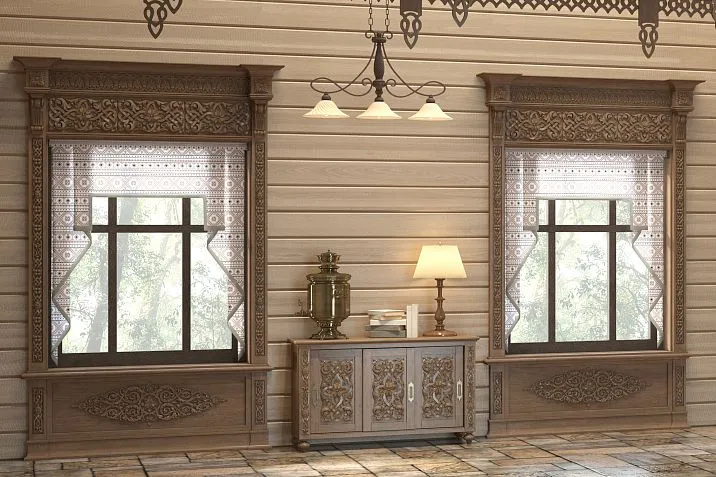
Is there anything more attractive than the scent of freshly cut wood, the flicker of a fire in the stove, and the sense of peace that a true Russian home offers? Rustic interior in Russian style — it is not just a designer solution, but a return to roots, to the time when every detail in the house was created with love and carried deep meaning.
In an era of rapid technology and urbanization, more and more people are drawn to authenticity. We are tired of plastic and synthetics, of one-day interiors devoid of soul. The rustic style in Russian traditions offers an alternative — a home where you can truly rest your soul, where every item tells a story, where time flows steadily and peacefully.

Origins of rustic charm: where does Russian style begin?




Philosophy of the Russian village
For centuries, the Russian village has been a guardian of national traditions. Here, far from the bustle of big cities, people lived in harmony with nature, creating homes that reflected their worldview. Functionality and beauty went hand in hand: every item was not only useful but also pleasing to the eye.
Unity with nature is the foundation of rustic philosophy. The house was built from materials provided by the native land: wood, stone, clay. These materials are not only eco-friendly but also possess a special energy, creating an atmosphere of warmth and coziness.
Generational continuity was manifested in the fact that the house was built to last for centuries. Furniture passed from father to son, recipes for paints and varnishes were passed down from generation to generation. Each item had its own history and value.
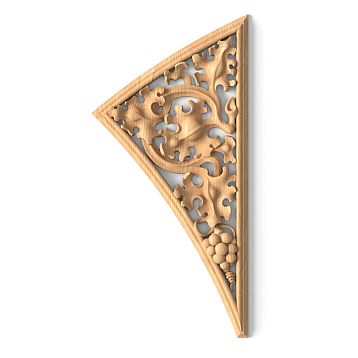
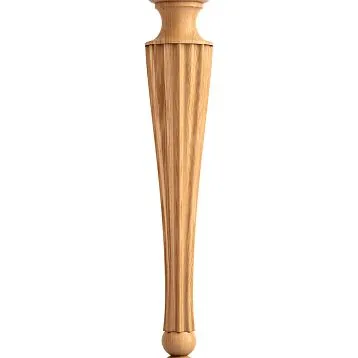
Our factory also produces:


Regional characteristics of Russian village style
Kievan Rus was great, and each region contributed its own features to village life. Northern provinces were renowned for their skilled wood carving and harsh beauty of interiors. Central regions distinguished themselves by rich decorative elements and vibrant paintings. Southern regions brought in steppe grandeur and Cossack boldness.
These regional differences today allow for creating unique interiors that reflect not only the general Russian tradition but also local characteristics. Russian style in interior can be adapted to any preferences and conditions.
Get Consultation
Materials and textures: the foundation of village interior
Wood — the king of the village house
In a village interior, wood is not just a material — it is a living substance that breathes, ages, and acquires a noble patina of time. Pine, with its resinous aroma, creates the atmosphere of a Russian bath. Oak impresses with its strength and durability. Birch enchants with its delicacy and lightness.
Roughly processed wood is a distinctive feature of village style. The marks of an axe on logs, natural knots, surface irregularities — all of this gives the interior authenticity. Modern technologies allow recreating this aesthetic even in urban settings.
Weathered wood is especially valued in village interiors. The patina of time, smoke-darkened beams, worn stair treads — these details create a sense of history and connection to the past.
Natural stone and clay
Stone in a village house was used for the most important elements: foundation, stove, cellar. Today, natural stone is used to create accents: fireplace facades, decorative walls, kitchen countertops.
Clay — the oldest material, used for making pottery, tiles, whitewash. Modern ceramics, crafted using traditional techniques, bring warmth and handcrafted charm into the interior.
Natural minerals — mica for windows, salt for wood preservation, ochre for paints — all these materials were used by our ancestors and today find application in ecological technologies.
Textiles and fibers
Linen — the foundation of Russian textiles. Linen tablecloths, towels, curtains create a sense of freshness and cleanliness. Linen washes well, and over time becomes softer and more beautiful.
Wool warmed during cold winters. Woolen rugs, blankets, upholstery create an atmosphere of warmth and coziness. Sheep wool, goat down, camel wool — each type has its own characteristics.
Cotton arrived in Russia later but quickly took root. Cotton fabrics with stuffed patterns, lawn, satin became an indispensable part of village life.
Color palette of the village house
Natural Palette as the Foundation
Colors of village interiors originate in Russian nature. Brown tones of various wood species create a warm base. Green shades remind of forests and meadows. Blue tones reflect the sky and water. Yellow and golden tones are associated with the sun and ripe wheat.
White color in a village interior symbolizes purity and light. Whitewashed stoves, linen fabrics, milk in churns — white color creates a sense of spaciousness and freshness.
Red color — the color of celebration and joy. In a village house, red appeared in painted pottery, festive attire, red hearthstones with icons. Modern interiors use red sparingly, as a bright accent.
Seasonal changes in the palette
The village house lived in tune with nature, and the color palette changed depending on the season. Spring brought soft green tones of young foliage. Summer filled the house with vibrant colors of field flowers. Autumn gifted golden and crimson hues. Winter wrapped everything in white and silver tones.
A modern village interior can use this principle, changing textiles and decor according to the season. This creates a sense of a living, breathing space.
Architectural features of the village house
Log construction and its influence on interior
Traditional Russian houses were built from whole logs using the log method. This construction defined the interior layout and finishing. Thick log walls required no additional insulation; their natural beauty became the main decorative element.
Low ceilings in peasant cottages conserved heat but created a special intimate atmosphere. Small windows let in sufficient light but did not let out heat. These principles are today adapted to create cozy, energy-efficient interiors.
Vaulted ceilings in wealthy homes created a sense of spaciousness and grandeur. Wooden vaults were adorned with carving or painting, becoming works of art.
The stove as an architectural dominant
The Russian stove was not just a heating appliance, but the architectural center of the house. The layout around it was built: the red corner, the housewife's working area, the sleeping area on the floor.
Modern village interiors often use a fireplace styled after a Russian stove. Decorative Inserts allow creating an authentic stove appearance even when using modern heating technologies.
Tiles — artistic ceramics for stove cladding — transformed a utilitarian item into a work of art. Modern artisans revive this ancient craft, creating unique stoves and fireplaces.
Layout solutions
The horncell — the main room of the house — served simultaneously as a living room, dining room, and bedroom for the owners. The porch served as a foyer and storage area. The granary was used for storing grain and property.
Modern village house layouts adapt these principles: an open space combining living room, dining room, and kitchen, functional storage zones, cozy niches for relaxation.
Furniture in a village style: functionality and beauty
Traditional village furniture
Benches — universal furniture in a village house. They served for sitting, sleeping, and storing items. Benches were built into walls or were portable. Modern benches retain functionality but offer greater comfort.
Tables in a village house were the center of family life. Massive, made from solid wood, they served for generations. Modern village-style tables retain this solidity but adapt to contemporary needs.
Trunks — the main storage system in a village house. Clothes, dowries, and valuable items were stored in them. Trunks were decorated with carvings, paintings, and metal inlays. Today, trunks are returning as stylish and functional interior items.
Modern interpretation of village furniture
Sofas and chairs in a village style are characterized by solid forms and natural upholstery materials. High backs, wide armrests, soft cushions create a sense of protection and comfort.
Modern village house cabinets and buffets combine traditional forms with contemporary functionality. Open shelves for displaying beautiful tableware, closed compartments for storage, glass vitrines — all this makes furniture not only functional but also decorative.
Village-style beds are massive constructions made of natural wood. High headboards, decorated with carvings or paintings, create a sense of protection and coziness.
Carved furniture as a work of art
Carved Decor transforms ordinary furniture into works of art. Traditional motifs — floral ornaments, geometric patterns, images of animals and birds — fill the interior with symbolic meaning.
Geometric carving — the oldest form of decoration, based on rhombuses, triangles, circles. Each element had magical significance: the rhombus symbolized fertility, the circle — the sun, the triangle — mountains.
Floral carving depicted flowers, leaves, fruits. It was a way to bring the beauty of nature into the home, creating a connection with the plant world.
Decorative elements of village interiors
Traditional crafts in a modern home
Khokhloma painting with its gold patterns on a black background creates an atmosphere of Russian fairy tales. Modern artisans create not only traditional tableware but also furniture, panels, and decorative elements in Khokhloma technique.
Gzhel ceramics with blue-and-white patterns bring freshness and elegance into the interior. Gzhel items harmonize beautifully with wooden elements, creating balanced compositions.
Zhostov trays with luxurious floral bouquets can be used as decorative panels or functional serving items.
Palех lacquer miniatures impress with their intricate craftsmanship. Boxes, panels, decorative plates with Palех painting become refined interior accents.
Textile decor
Embroidery — the oldest form of Russian decorative art. Traditional embroidery motifs — peacocks, tree of life, female figures — carried deep symbolic meaning. Modern embroidery preserves these traditions, adapting them to contemporary interiors.
Lace-making created airy, elegant items. Vologda lace, Yel'ts lace, Krestets lace — each type has its own characteristics. In modern interiors, lace is used for window treatments, furniture decoration, and creating decorative panels.
Patchwork sewing transformed fabric scraps into bright, practical items. Patchwork quilts, cushions, panels create an atmosphere of home coziness and handmade beauty.
Ceramics and pottery
Clay tableware was the foundation of village life. Pots for porridge, milk churns, bowls for dough — each item had its own purpose and shape. Modern ceramics, made using traditional techniques, bring warmth and authenticity into the interior.
Tiles — artistic ceramics for stove cladding — transformed a utilitarian item into a work of art. Modern tiles are used to decorate fireplaces, create decorative panels, and furnish bathrooms.
Clay toys — Dyakovo, Filimonov, Kargopol — were made not only for children, but also as protective charms and home decorations. Modern clay toys continue these traditions.
Lighting in a village interior
Natural lighting
Village houses were built with maximum use of natural light in mind. Large windows with sashes let in plenty of light, creating a cozy atmosphere. Carved window casings not only decorated the facade but also influenced interior lighting, creating play of light and shadow.
Orientation according to cardinal directions was considered when planning rooms. The living room was placed on the south side, the kitchen — on the east, bedrooms — on the west. This ensured optimal lighting throughout the day.
Attic windows in modern village houses create additional sources of natural light, making interiors brighter and more spacious.
Traditional sources of artificial light
Wicks — the oldest source of light in the Russian home. Burning wicks created a special, intimate atmosphere. Modern lighting fixtures can replicate this effect using LED technology.
Candles in wooden and metal candlesticks created soft, warm lighting. Today, candles are used to create a romantic atmosphere and for religious purposes.
Kerosene lamps with their distinctive glass and wick created brighter lighting. Modern fixtures styled after kerosene lamps preserve the aesthetics of the past.
Modern lighting in a village style
Chandeliers made of wood and metal, imitating old designs, provide central lighting. wooden decor in interior allows creating unique lighting solutions.
Wall-mounted fixtures in the form of torches, candelabras, and old-fashioned lanterns provide localized lighting and support the overall style.
Built-in lighting is hidden within wooden structures, creating soft backlighting without disrupting historical aesthetics.
Zoning in a village house
Functional zones of a traditional home
The Red Corner — the most honored place in the house, where icons were placed and the most esteemed guests were received. The modern equivalent is a lounge with a fireplace, where the whole family gathers.
The Hearth Corner — the domain of the housewife, where food was prepared and household chores were done. The modern kitchen zone retains this functionality but adds new comfort.
Work zone — a place for handicrafts, trades, and household chores. In a modern home, this may be an office, workshop, or hobby zone.
Modern principles of zoning
Open-plan layouts combine the kitchen, dining room, and living room into one space, preserving functional separation through furniture and decorative elements.
Multi-level spaces use varying floor and ceiling heights to create intimate zones within a large room.
Sliding partitions allow transforming space according to needs, combining or separating zones.
Use of architectural elements for zoning
Wooden beams not only support the structure but also visually divide space into zones. Russian-style trim allows creating an imitation of load-bearing beams even in modern homes.
Arches and openings create smooth transitions between zones, preserving the feeling of a single space.
Platforms and steps highlight separate zones, creating spatial hierarchy.
Country Kitchen
The oven is the heart of the village kitchen
The Russian oven was not only the center of culinary but also social processes in the house. Here, food was prepared, warmth was sought in winter, items were dried, and healing took place. A modern country-style kitchen often includes a stylized oven or a powerful stove, which becomes the compositional center.
Ovens built into brickwork imitate a traditional oven. Cooking surfaces made of cast iron or enamel support historical styling.
Chimneys and exhaust vents styled in a country manner become decorative elements of the kitchen.
Furniture and equipment of a country kitchen
Massive tables made of solid wood are used for food preparation and family meals. Countertops made of natural stone or thick wooden planks withstand heavy use.
Open shelves display beautiful tableware and create a sense of abundance. Closed cabinets with carved or painted facades store kitchen utensils.
Buffets with glass doors serve as display cases for fine tableware and family heirlooms.
Tableware and kitchen utensils
Wooden tableware — spoons, ladles, salt cellars — is not only functional but also decorative. Modern artisans create tableware using traditional techniques.
Clay pots and ceramic churns for storing dairy products create an authentic atmosphere.
Cast iron cookware — cauldrons, frying pans, and duck pans — ensures even heating and durability.
Samovar — symbol of Russian tea-drinking — can be both a functional and decorative element of the kitchen.
Living room in country style
Fireplace as the center of family life
A modern country-style living room is organized around the fireplace — an analog of the traditional oven. The mantelpiece is decorated with family photos, candles, and decorative items.
Chairs and sofas are arranged in a semicircle around the fireplace, creating a cozy zone for conversation. A solid wood coffee table serves as the compositional center.
Bookshelves along the walls create the atmosphere of a home library. Books in beautiful bindings become decorative elements.
Furniture for relaxation and entertainment
Rocking chair — symbol of country comfort — creates a relaxation nook. Soft cushions and a blanket make it even more comfortable.
Piano or grand piano continues the tradition of home music-making. If space for a full-sized instrument is unavailable, an electronic piano in a traditional case can be used.
Game area with chess, checkers, and dominoes creates opportunities for family leisure.
Decorative elements of the living room
Rugs with traditional patterns create color accents and add warmth. Curtains made of natural fabrics with folk motifs frame the windows.
Paintings by Russian artists — landscapes, genre scenes, portraits — create a cultural context. If originals are not available, high-quality reproductions will also suffice.
Folk toys — Matryoshkas, icon carving, Dyakovo toys — create cheerful accents and evoke childhood memories.
Bedroom in country style
Furniture for sleeping and resting
A country-style bed is a massive structure made of natural wood. The high headboard may be adorned with carving or painting. Mattresses made of natural materials — wool, linen, cotton — ensure healthy sleep.
Nightstands in the form of small chests or cabinets with carved facades combine functionality and beauty.
A dresser for storing linens is often decorated with traditional motifs and serves not only as a functional but also as a decorative element.
Bedroom textiles
Bedding made of natural linen or cotton with traditional embroidery creates a sense of purity and freshness. Patchwork quilts add color and coziness.
Sheer natural fabrics with lace trim create soft lighting. A canopy over the bed can create a sense of protection and romance.
Cushions of various sizes with embroidery or applique create comfort and add color accents.
Beauty and care zone
A vanity table with a mirror in a carved frame becomes a feminine corner in the bedroom. A stool with a soft seat and carved legs complements the composition.
Jewelry boxes, wooden-handled combs, perfume bottles create a feminine atmosphere.
Rustic-style bathroom
Adaptation of bathhouse traditions
The Russian bath was an important part of rural life. A modern bathroom in rustic style aims to recreate this atmosphere of cleansing and relaxation.
Wall paneling should be made from moisture-resistant woods — larch, oak, ash. Special treatments protect the wood from moisture and mold.
A stone floor made of slate or granite is practical and beautiful. Underfloor heating ensures comfort in cold seasons.
Rustic-style plumbing
A bathtub on curved legs imitates ancient bathtubs. Faucets in bronze or copper support historical styling.
A basin shaped like a bowl on a wooden stand creates a sense of handcrafted charm. A mirror in a carved frame becomes a decorative accent.
Accessories and textiles
Linens made of natural linen with embroidery, rugs made of natural materials create coziness. Baskets for laundry made of reed or birch bark combine functionality and beauty.
Handmade soap, shampoo in ceramic bottles, loofahs made of natural materials support the concept of naturalness.
Children's room in rustic style
Furniture for little inhabitants
A bed shaped like a Russian stove or a carriage from a fairy tale turns sleep into an adventure. A wardrobe painted with fairy tale scenes turns cleaning into a game.
Tables and chairs in child-sized natural wood are for activities and creativity. Bookshelves for books and toys help maintain order.
Toys and developmental elements
Wooden toys — horses, matryoshkas, pyramids — develop motor skills and imagination. Folk toys introduce children to cultural traditions.
Developmental panels with latches, lacing, and counting train fine motor skills. A swing in the room creates opportunities for active play.
Educational elements
A map of Russia with images of folk crafts introduces geography and culture. An alphabet with traditional ornaments makes learning interesting.
Books of Russian fairy tales in beautiful bindings form a literary taste. A puppet theater develops creative abilities.
Modern technologies in rustic interiors
Integration with Smart Systems
A modern rustic home can be equipped with 'smart home' systems hidden behind traditional facades. Climate control ensures comfortable temperature, security systems protect the home, and automatic lighting creates the desired atmosphere.
Multimedia systems are integrated into traditional furniture. The TV hides behind sliding panels with paintings, and the audio system is embedded in wooden structures.
Ecological Technologies
Solar panels on the roof ensure energy autonomy. Rainwater collection systems are used for watering the garden. Composting systems process organic waste.
Natural insulators — sheep wool, linen, wood fibers — provide insulation without harming health.
Modern materials in traditional style
Composite materials mimicking wood provide durability while preserving aesthetics. Wood or stone look ceramic tiles are practical and beautiful.
LED lighting with warm spectrum imitates candle and oil lamp light. Infrared heaters create comfortable warmth without drying out the air.
Seasonal changes in rustic interior
Winter decor
Russian winter dictates its own rules for interior design. Warm sheep wool blankets and fur throws on chairs create a feeling of warmth. Heavy curtains protect against cold and wind.
Spruce branches in vases, rowan berries, paper or fabric snowflakes create a winter mood. Samovar especially smokes cozily on cold days.
The fireplace operates at full capacity, with a basket of firewood and wrought iron accessories nearby.
Spring-summer decor
With the arrival of warmth, the interior transforms. Heavy curtains are replaced with light linen ones, and fur throws are stored away in trunks.
Live flowers in clay pots create a connection with nature. Field herbs in bunches, first spring flowers in vases fill the house with spring scents.
Summer furniture — wicker chairs, light tables — is moved outdoors to verandas and gardens, continuing the home’s interior in nature.
Regional variations of rustic style
North Russian rustic style
The harsh beauty of the Russian North is reflected in the interior. Massive pine and spruce furniture, restrained color palette, geometric carvings create a strong, solid interior.
Fishing traditions are reflected in furniture — tables on 'horns', bench-like boats, metal-bound trunks.
Northern crafts — bone carving, birch bark weaving, weaving — enrich the decorative palette of the interior.
Central Russian variant
Suburban and Vladimir traditions create a softer, cozier rustic style. More red color, gold accents, floral ornaments.
Sergiev Posad toys, Bogorodsk carving, Fedoskino miniatures create an atmosphere of artistry and craftsmanship.
Colorful tiled stoves with bright paintings become works of art and focal points of the interior.
Southern Russian rustic style
Don and Kuban traditions bring steppe grandeur and Cossack boldness. Bright colors, abundance of textiles, gold and silver in decor create a festive atmosphere.
Cossack furniture is distinguished by functionality and beauty. Stanchion architecture with spacious verandas dictates specific layout features.
Rustic style in an urban apartment
Adaptation to urban conditions
Creating a full rustic interior in an urban apartment is a creative task. Small areas require a special approach, and the lack of possibility for remodeling limits options.
An accent wall with beam imitation creates the needed atmosphere. Polyurethane ceiling beams mimic wooden structures. Electric fireplace in rustic style replaces a real stove.
Zoning small spaces
Painted screens divide space into zones. Multi-functional furniture saves space — transformable tables, sofa beds, benches with storage.
Vertical solutions use every centimeter — tall cabinets to the ceiling, mezzanines, hanging shelves.
Balcony as extension of rustic interior
Insulated balcony can become a miniature Russian veranda. Wicker furniture, flowers in clay pots, wooden finishes create a feeling of a country house.
A balcony herb and vegetable garden maintains a connection with nature and rural traditions.
The modern world changes rapidly, but the need for authenticity and connection to one's roots remains unchanged. Rustic interior in Russian style It offers exactly that — the opportunity to create a home where the soul resides, where every detail carries meaning and beauty.
This is not nostalgia for the past, but a wise choice made by those who understand the value of traditions and do not wish to live in an impersonal space. Rural style teaches us to appreciate simple joys: the warmth of a home hearth, the beauty of handcrafted items, and harmony with nature.
Creating such an interior requires finding a balance between authenticity and modern comfort, between traditions and innovations. Each element must be thoughtfully designed and integrated into the overall concept.
Choosing a rural style for your home means selecting not just a design direction, but a lifestyle based on family values, traditions, and harmony with nature. Such a home will become a true refuge from the hustle of the modern world, a place where you can rest your soul and regain strength.
STAVROS Company deeply understands the philosophy of Russian rural style and embodies it in its products. Years of experience working with wood, studying traditional carving and painting techniques, and collaboration with top artisans enable the creation of items that carry the authentic spirit of Russian culture. Choosing STAVROS means investing in beauty, quality, and cultural value, creating a home that will delight many generations of your family.