Article Contents:
- 1. Role of decorative molding for furniture
- 1.1. Aesthetic function
- 1.2. Functional role
- 2.1. Natural wood
- 2.2. Polyurethane
- 2.3. Gypsum
- 2.4. Composite materials
- 3.1. Traditional methods
- 3.2. Modern technologies
- 3.3. Finishing coating
- 4.1. Define the purpose of use
- 4.2. Choose style and design
- 4.3. Size and proportions
- 4.4. Material and finish quality
- 5.1. Specialized stores and showrooms
- 5.2. Online stores
- 5.3. Custom orders
- 6.1. Surface preparation
- 6.2. Installation tools
- 6.3. Installation stages
- 6.4. Installation tips
- 7.1. Daily maintenance
- 7.2. Maintaining optimal microclimate
- 7.3. Restoration and renewal
- 8.1. Walls and ceilings
- 8.2. Door and window openings
- 8.3. Furniture
- 9.1. Classic living room
- 9.2. Modern minimalism
- 9.3. Loft and industrial style
- 9.4. Provence and country style
- 10.1. Processing technologies
- 10.2. Eco-friendly coatings
- 10.3. Composite materials
- 11.1. Create a detailed project plan
- 11.2. Consult with specialists
- 11.3. Optimize budget
- 12.1. Environmental responsibility
- 12.2. Preservation of cultural heritage
- 13.1. Innovative technologies and personalized approach
- 13.2. Integration with "smart home" systems
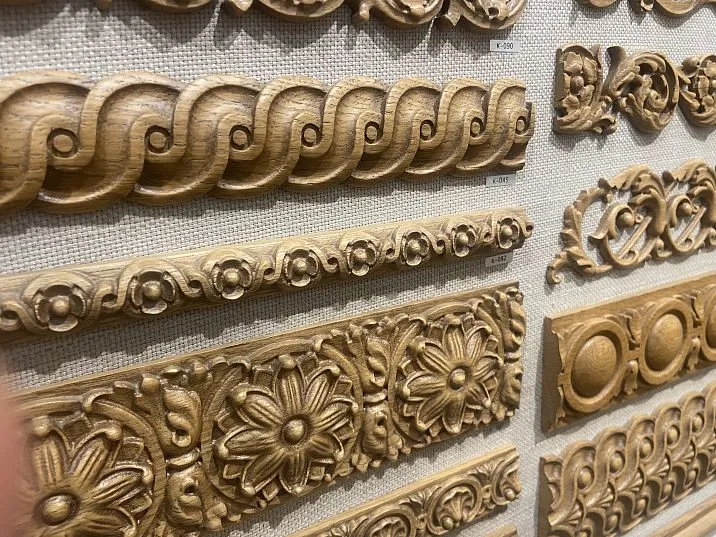
Interior details often become key elements that define the overall character and atmosphere of a space. This is especially true for furniture design — from kitchen cabinets to door panels and bookshelves. One of the most elegant ways to give furniture individuality and sophistication is by usingdecorative molding for furnitureSuch molding not only emphasizes architectural lines and textures but also creates a sense of completion, tying all interior elements into a unified harmonious composition.
In this article, we will thoroughly examine what decorative molding for furniture is, the types, materials, and manufacturing technologies available, as well as provide recommendations for selection, installation, and maintenance. We will also discuss how molding can transform not only furniture but the entire interior, highlighting your unique taste and style.


1. Role of decorative molding for furniture




1.1. Aesthetic function
Decorative molding for furniture is not just a decorative element. It performs an important decorative function, which includes the following:
● Framing and accenting. Molding creates a visual "frame" for furniture, highlighting it against walls and other interior elements. It helps form a complete composition and makes the furniture facade more expressive.
● Emphasizing style. Classical, minimalist, or modern moldings can dramatically change the appearance of furniture, highlighting its individuality and harmony with the overall interior style.
● Adding texture. Carved elements, patinated finishes, or composite materials in molding add depth and dimension to furniture, making the space more visually engaging.
Our factory also produces:

1.2. Functional role
In addition to its decorative function, molding also performs practical tasks:
● Protecting furniture facades. Molding can prevent damage and wear to furniture edges, especially in high-traffic areas.
● Concealing seams and joints. When furniture is made from multiple materials, molding helps hide the junctions between them, creating an illusion of continuity.
● Zoning space. When it comes to built-in furniture, moldings can be used to visually separate functional zones, which is especially relevant for open-plan layouts.
2. Materials for decorative moldings for furniture
Material selection plays a key role in the longevity and aesthetics of molding. Let’s consider the main materials used for manufacturing decorative moldings for furniture.
Get Consultation
2.1. Natural wood
Natural wood is traditionally considered one of the best materials for molding. It has the following advantages:
● Natural beauty. Each wood species has a unique texture and color, making the molding one-of-a-kind.
● Strength and durability. With proper care, wooden molding can retain its appearance for decades.
● Eco-friendliness. Natural wood is a material that does not emit harmful substances, which is especially important for living spaces.
● Restorability. Wooden items can be sanded, repainted, or varnished to restore their original appearance.
Popular wood species for molding include oak, beech, ash, pine, and others. The choice of species depends on desired style and budget.
2.2. Polyurethane
Polyurethane moldings are becoming increasingly popular due to their light weight and ease of installation. They have the following characteristics:
● Lightness. Polyurethane products are significantly lighter, making their installation easier even on fragile surfaces.
● Moisture resistance. These moldings do not absorb moisture, making them ideal for use in kitchens and bathrooms.
● Affordable price. Polyurethane moldings are usually cheaper than natural wood products, while still being able to imitate wood texture.
● Ease of processing. Easily cut and painted, allowing them to be adapted to any stylistic solution.
2.3. Gypsum
Gypsum moldings are traditionally used in classical interiors:
● High detail. Gypsum allows creating complex decorative patterns, carved ornaments, and moldings.
● Attractive for restoration projects. Gypsum items are often used in historic buildings where restoring the original design is required.
● Limited durability. Gypsum is more fragile and requires careful handling, limiting its use in high-traffic rooms.
2.4. Combined materials
Modern technologies allow creating moldings that combine the advantages of several materials:
● Wood + Polyurethane. This option allows achieving a natural wood appearance with the lightness and moisture resistance of polyurethane.
● Wood + Metal. Combined moldings with metal inserts look modern and stylish, ideal for industrial interiors.
● Wood + Acrylic. Allows creating bright color accents while preserving the natural wood texture.
These combined solutions allow designers to create unique interior elements that highlight the individuality of the space.
3. Technologies for manufacturing decorative moldings
3.1. Traditional methods
Hand carving, sanding, and polishing are traditional methods used by craftsmen to create classical moldings. Such items have a unique charm and individuality, especially valued in projects with classical or vintage design.
● Hand carving. Allows creating complex decorative patterns that cannot be reproduced by machine.
● Brushing and patination. Techniques that give moldings an aged effect, making them especially attractive in country, Provence, or shabby chic interiors.
3.2. Modern technologies
Modern wood processing methods include using laser cutting, 3D modeling, and computer design, allowing achieving incredible precision and uniformity of products.
● Laser cutting. Ensures high precision and clean lines, allowing to create moldings with detailed patterns.
● 3D modeling. Allows designers to experiment with shapes, create unique profiles and ornaments tailored to specific client needs.
● Computer design. Guarantees that each item will meet specified parameters, ensuring high quality and reproducibility even of complex decorative elements.
3.3. Finish coating
Finish coating plays a key role in the durability and appearance of moldings:
● Lacquers, oils, paints. These coatings protect wood from moisture, UV rays, and mechanical damage, and also highlight the natural wood texture or allow changing its color.
● Low-emission coatings. Modern technologies allow using eco-friendly compositions, which is especially important for residential spaces.
4. How to choose decorative moldings for furniture
4.1. Determine the purpose of use
The first step is to understand where you intend to use decorative moldings:
● Furniture facade decoration. Moldings can be used to finish kitchen cabinets, chests, display cases, and built-in furniture.
● Door and window framing. Creating a unified stylistic composition where moldings harmoniously combine with door and window casings.
● Decorative panels and moldings. Using moldings to create complex compositions on walls or ceilings, especially relevant in interiors with high ceilings or open floor plans.
4.2. Style and design selection
Consider what style you want to give your interior:
● Classical style. Moldings with rich carving, patterns, gold or patina elements are ideal. They add elegance and sophistication to furniture and walls.
● Modern minimalism. For modern interiors, simple, straight moldings without unnecessary embellishments in neutral tones are suitable.
● Loft and industrial style. Moldings with aged elements imitating rough wood texture can create an interesting contrast with industrial materials.
● Provence and country. Moldings with light decorative elements in pastel tones or with an aged effect will give the interior a warm and cozy atmosphere.
4.3. Size and proportions
The size of the decorative molding should be proportional to the size of the furniture and room:
● Thickness and width. Avoid overly bulky moldings in small rooms to avoid 'overloading' the interior.
● Molding height. When choosing, consider door frame height, cabinet facade height, and overall harmony with other finishing elements.
● Geometry. Choose moldings that will naturally fit into the architectural lines of your interior, whether strict straight lines for minimalist solutions or intricate carved patterns for classical interiors.
4.4. Material and finish quality
Pay attention to the quality of the raw material:
● If choosing wooden moldings, ensure the wood has undergone quality treatment and the finish coating is applied evenly.
● If referring to polyurethane or gypsum items, check that they have no cracks or deformations.
● It is also important to pay attention to ecological certification (e.g., FSC, PEFC), which guarantees the use of wood from sustainable sources.
5. Where to buy decorative moldings: purchasing channels
5.1. Specialized stores and showrooms
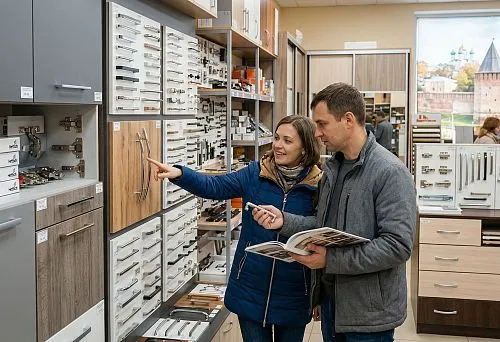
In specialized stores of finishing materials, you can find a wide range of decorative moldings for furniture. Advantages of purchasing in offline stores:
● Opportunity to personally assess the quality, texture, and color of the items.
● Consultations from experienced sales staff who can help select the optimal option for your interior.
● Opportunity to order samples and compare different models.
5.2. Online stores
Online platforms offer a vast selection of decorative moldings, as well as convenient purchasing conditions:
● Buy decorative moldings on the website 'Pogonazh iz Massiva' — a proven resource offering a wide range of products from leading manufacturers.
● Convenient filters and categories allow selecting moldings by material, style, color, and size.
● Customer reviews and detailed descriptions help make an informed choice.
● Delivery is performed within the shortest time, which is especially important when implementing large-scale projects.
5.3. Custom orders
For those aiming for exclusivity, ordering decorative moldings individually from craftsmen is the optimal solution:
● Possibility to manufacture moldings according to your sketches, with unique profiles and ornaments.
● Choice of wood species, processing method, and finish according to your requirements.
● This approach allows creating truly unique elements that highlight the individuality of your interior.
6. Installing decorative moldings for furniture
6.1. Surface Preparation
Before installing moldings, ensure the surface to which they will be attached is clean, flat, and dry:
● Clean walls or doorways of dust and old finishing materials.
● If necessary, perform preliminary spackling or plastering to level the surface.
● Mark with a level and tape measure to accurately determine mounting locations.
6.2. Installation Tools
For quality installation of decorative moldings, you will need:
● Tape measure, level, pencil;
● Circular saw or hacksaw for precise cutting;
● Miter box for accurate cutting of angles;
● Installation adhesive or fasteners (nails, screws, clips);
● Sealant or spackling compound for filling joints;
● Painter's tape to protect surfaces from excess adhesive or paint.
6.3. Installation Steps
- Marking.
Mark mounting lines on the surface using a level and tape measure. Pay attention to corners and joints.
- Cutting.
Carefully cut moldings to the required length using a circular saw. For precise cuts, use a miter box to ensure clean angles (typically 45° for standard corners).
- Applying Adhesive.
If using installation adhesive, evenly distribute it on the back of the molding. If using fasteners, prepare them according to the manufacturer's instructions.
- Installation.
Carefully press the molding against the surface, ensuring it lies flat. If using adhesive, allow it to fully set. When using nails or screws, ensure fasteners are evenly distributed and do not deform the molding.
- Joint Filling.
After installation, fill small gaps with sealant or spackling compound, then sand and paint (if necessary) to achieve a perfectly smooth surface.
- Final Finishing.
If the molding requires additional finishing (varnish, paint, or oil), apply it after the adhesive has fully dried. This will protect the molding and enhance its decorative qualities.
6.4. Installation Tips
● Carefully monitor levelness and symmetry during installation to ensure a neat final result.
● If the surface is not ideal, use additional fasteners to ensure secure installation.
● When installing on curved or non-standard surfaces, consult professionals to avoid mistakes.
7. Care for Decorative Moldings
7.1. Daily Maintenance
To maintain moldings in their original condition, it is sufficient to:
● Regularly wipe them with a soft dry cloth to remove dust.
● For stains, use a slightly damp cloth, avoiding aggressive cleaning agents that may damage the finish.
7.2. Maintaining Optimal Microclimate
Wood is sensitive to changes in humidity and temperature:
● Maintain stable humidity in the room (40–60%).
● Avoid placing moldings in areas exposed to direct sunlight or near heat sources.
● Regularly inspect the finish and renew varnish or paint as needed.
7.3. Restoration and Refreshing
Over time, decorative moldings may require restoration work:
● Light sanding and refreshing the protective finish will help preserve their original appearance.
● If cracks or chips appear, fill them with wood spackling compound, then carefully sand and repaint.
● For moldings used in high-traffic areas, preventive maintenance is recommended at least once every few years.
8. Combining Decorative Moldings with Other Interior Elements
8.1. Walls and Ceilings
Decorative moldings can be used to create accent zones on walls and ceilings:
● Ceiling moldings. Moldings installed along the junction of wall and ceiling create a 'floating' ceiling effect and add depth to the space.
● Wall panels. Moldings can divide walls into sections, creating decorative or false panels, especially effective in large rooms.
8.2. Door and Window Openings
Framing doors and windows with moldings helps create a unified decorative composition in the interior:
● Moldings matching the style of window and door casings unify different elements of the room’s decor, giving the space a finished look.
● They can serve as standalone accents or as a backdrop for other decorative elements.
8.3. Furniture
Decorative moldings are actively used to finish furniture facades:
● Cabinets, chests, tables. Framing doors or edges of furniture with moldings gives it an elegant look and highlights the quality of craftsmanship.
● Built-in structures. Moldings can be used to create decorative niches, panels, and partitions in the interior, making the space more structured and stylish.
9. Examples of Successful Projects
9.1. Classic Living Room
In a classic interior, decorative moldings play an important role. In one luxurious living room, moldings made of oak with rich carving and gilding were used to decorate the ceiling and create wall panels. The result was an atmosphere of elegance and refinement, where every detail emphasized the sophistication of the space.
9.2. Modern Minimalism
In a minimalist interior, moldings can serve as a subtle accent, emphasizing the purity of lines and functionality of the space. In one modern apartment, simple, straight moldings painted white were used to frame the ceiling. This created a 'floating' ceiling effect, visually increasing the room’s height and adding freshness and lightness to the interior.
9.3. Loft and Industrial Style
In a loft, decorative moldings can become a contrasting element, softening the harshness of industrial materials. In one office space, moldings made of natural wood with a light aged effect were used to frame brick walls, creating a harmonious combination of 'cold' concrete and 'warm' wood. This approach highlights the originality and individuality of the interior.
9.4. Provence and Country Style
In interiors in the Provence style, decorative moldings with patina and brush effects create an atmosphere of coziness and romance. In one cozy bedroom, moldings were used to decorate the walls, giving the room a sense of lightness and naturalness, emphasizing traditional motifs and the softness of the color palette.
10. Modern Trends and Innovations
10.1. Processing Technologies
Modern wood processing methods allow creating moldings with high precision and complex decorative elements:
● Laser carving. Ensures clean lines and high pattern detail.
● 3D modeling and computer design. Allow creating individual profiles and unique ornaments that are easily reproduced in mass production.
10.2. Eco-friendly finishes
Manufacturers increasingly use eco-friendly varnishes, oils, and paints that contain no harmful substances. This is especially important for living spaces, where safety and air quality play a key role. When selecting decorative moldings, pay attention to certificates confirming the ecological purity of the materials used.
10.3. Composite materials
The trend toward combining materials allows creating moldings that combine natural wood with elements of metal, glass, or acrylic. Such solutions enable achieving an original design, adding modernity and innovation to interiors, and creating interesting visual effects.
11. Practical recommendations for designers and homeowners
11.1. Create a detailed project plan
Before purchasing decorative moldings, it is important:
● Determine which surfaces will be adorned with moldings (walls, ceilings, doorways, furniture facades).
● Conduct precise measurements and calculate the required length with a reserve.
● Prepare sketches or a plan to visualize the final result.
11.2. Consult with specialists
Consult professionals:
● Interior designers will help select moldings that perfectly fit your space’s concept.
● Retailers in specialized stores will share their experience and inform you about the latest processing technologies.
● Craftsmen who produce decorative elements will offer custom solutions that take into account all your preferences.
11.3. Optimize your budget
Compare offers from different stores and platforms, considering not only the cost of moldings but also additional expenses for fasteners, installation, transportation, and finishing materials. When possible, purchase material in bulk or participate in promotions, which will allow you to save significantly.
12. Ecological and cultural aspects
12.1. Ecological responsibility
Modern trends require responsible behavior toward nature. When choosing decorative moldings, pay attention to:
● Use wood sourced from sustainable sources;
● Presence of FSC or PEFC certificates confirming ecological purity;
● Use of safe, eco-friendly finishes and coatings.
12.2. Preservation of cultural heritage
Decorative moldings played an important role in historical architecture. Re-creating classical decorative elements allows preserving traditions while adapting them to modern requirements. Using moldings in interiors can become a tribute to cultural heritage, giving spaces a unique atmosphere of elegance and historicity.
13. The future of decorative moldings in interior design
13.1. Innovative technologies and individual approach
With technological development, manufacturers of decorative moldings actively introduce new processing methods:
● Laser carving and 3D modeling allow creating items with high precision and unique ornaments.
● Computer design ensures stable quality even with complex designs.
● Custom orders allow creating exclusive elements perfectly adapted to specific projects.
13.2. Integration with "smart home" systems
In the future, decorative moldings may be integrated into "smart home" systems. For example, moldings with built-in LED strips will allow creating unique lighting effects that change the room’s atmosphere depending on the time of day or mood.
14. Conclusion
Decorative moldings for walls are a universal and powerful tool in the interior designer’s arsenal. They not only add elegance, refinement, and completeness to a space, but also perform important practical functions: hiding joints, protecting surfaces, and helping to zone a room. Choosing where tobuy decorative moldingsallows you to realize the boldest design solutions, whether it’s a classic interior, modern minimalism, loft, or cozy country style.
Natural wood used to make moldings possesses unmatched aesthetic value, durability, and ecological purity. Modern technologies allow creating items that preserve traditional motifs while adapting to contemporary requirements for functionality and style. Decorative moldings can serve as standalone accents or seamlessly integrate into the overall interior concept, unifying all design elements.
When choosing moldings, it is important to consider not only aesthetic preferences but also functional requirements, room dimensions and proportions, material quality, and finish level. Detailed project planning, precise measurements, consultations with professionals, and proper installation — all of this is the key to successfully using decorative moldings that will delight you with their beauty and longevity for many years.
In today’s market, where variety of styles and materials allows implementing almost any design idea, decorative moldings become an indispensable element capable of transforming interiors and making them unique. Investing in quality items creates a space where every detail contributes to harmony, comfort, and individuality.
Thus, if you want to give your interior a special charm, highlight its status, and create an atmosphere of completeness,buy decorative moldings for walls — is the right choice. Let every element of your home tell a story, reflect your individuality, and become part of your unique style, creating a space that inspires and delights your eyes every day.