Article Contents:
- 1. Historical Context and Cultural Heritage
- 1.1 Role of Wood in Traditional Crafts
- 1.2 Evolution of Decorative Wood Processing
- 1.3 Significance of Decorative Materials in Contemporary Art
- 2.1 Solid Wood and Veneers
- Solid wood
- Veneer
- 2.2 Plywood and Laminated Products
- Plywood
- Laminated Products
- 2.3 Composite Materials
- 2.4 Art Panels and Decorative Inlays
- 3.1 Drying and Conditioning
- 3.2 Mechanical Processing
- 3.3 Laminating and Finishing
- 3.4 Thermal Treatment
- 3.5 Impregnation and Finishing
- 4.1 Interior Finishing
- Wall and ceiling cladding
- Decorative Panels and Mouldings
- Furniture and Accessories
- 4.2 Exterior
- Façades and cladding
- Entrances and balconies
- Landscape Design
- 4.3 Commercial and Public Spaces
- Restaurants and Cafes
- Hotels and offices
- 5.1 Ecological Purity and Safety
- 5.2 Certification and Sustainable Development
- 5.3 Social Significance of Crafts
- 6.1 Integration of Traditional Methods with Modern Technologies
- 6.2 Personalization and Custom Projects
- 6.3 Ecological Minimalism and Natural Tones
- 6.4 Global Collaboration and Experience Exchange
- 7.1 Criteria for Material Selection
- 7.2 Care for Decorative Materials
- 7.3 Integration with Other Materials
- 8.1 Residential Interiors
- 8.2 Commercial Projects
- 8.3 Art objects and designer installations
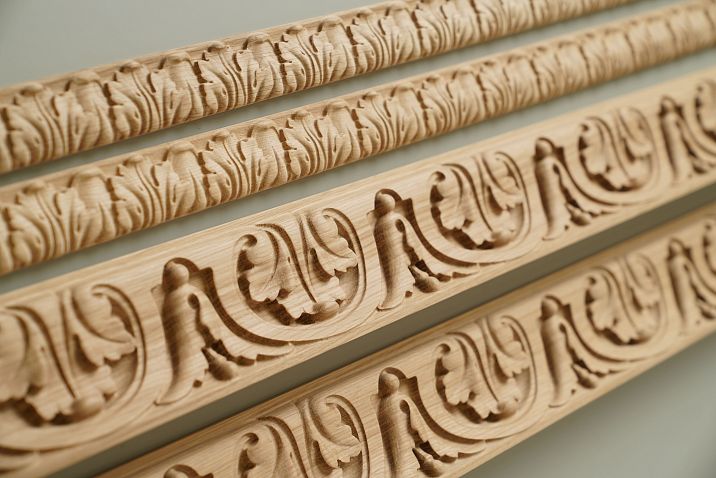
Natural wood has always been a symbol of beauty, warmth, and eternal elegance. In the world of design and interior decoration, decorative wood materials occupy a special place, transforming any space into a work of art. They are capable of giving walls, ceilings, furniture, and accessories a unique charm, highlighting the individuality of the interior and creating an atmosphere of comfort and harmony. Modern wood processing technologies allow not only to preserve the natural charm of the material, but also significantly expand its application possibilities in decorative design.
In this article, we will thoroughly examine decorative wood materials, their varieties, processing methods, and practical applications in interior and exterior design. You will learn how natural wood can transform your space, add originality to it, and become a reflection of the owner's style. To explore the product range, we recommend visiting decorative wood materials.


1. Historical Context and Cultural Heritage




1.1 Role of Wood in Traditional Crafts
Wood has been and remains the primary material for creating decorative items for many centuries. In ancient civilizations, artisans created carved panels, ornamental columns, decorative moldings, and even entire architectural ensembles, where wood played a key role. Wood carving, one of the oldest forms of folk art, was passed down from generation to generation and became a reflection of the nation's cultural heritage.
Our factory also produces:


1.2 Evolution of Decorative Wood Processing
Over time, wood processing technologies have significantly evolved. From traditional hand tools to modern computer numerical control (CNC) machines — artisans have gained the ability to create items with unprecedented precision and complexity. Traditional carving and planing techniques combine with innovative methods such as laser engraving and digital modeling, enabling the production of decorative wood materials capable of meeting even the most demanding requirements of contemporary designers.
Get Consultation
1.3 Significance of Decorative Materials in Contemporary Art
Today, decorative wood materials are not just serving utilitarian purposes, but becoming objects of artistic creation. They are actively used in both classic interiors and ultra-modern projects, where wood serves not only as a decorative element but also as a basis for creating unique art objects. The natural texture, rich tones, and unique grain pattern make each item exceptional and give it individuality.
2. Types of decorative wood materials
2.1 Solid wood and veneers
Solid wood
Solid wood is a classic choice for creating decorative elements. Made from solid boards and beams, solid wood items have a unique texture and rich tones that only become more beautiful over time. These materials are often used for wall cladding, decorative panels, moldings, and other finishing elements.
● Advantages:
○ High strength and durability.
○ Unique texture and natural tones.
○ Possibility of restoration if needed.
Veneer
Veneer is a thin layer of natural wood obtained by planing or peeling the trunk. It allows creating the effect of expensive wood at significantly lower costs. Veneer is often used for furniture, decorative panels, and walls, enabling visual similarity to solid wood.
● Advantages:
○ Economy.
○ Rich decorative solutions due to variety of textures.
○ Ease of processing and combining with other materials.
decorative wood materials Stavros catalog offers a wide selection of veneers, allowing to realize the most daring design ideas.
2.2 Plywood and laminated products
Plywood
Veneer is a multi-layer material obtained by gluing thin sheets of veneer, oriented perpendicularly to each other. Due to its structure, veneer has high stability and strength, making it an ideal choice for creating decorative panels and cladding.
● Advantages:
○ Dimensional stability and resistance to deformation.
○ Wide range of applications.
○ Cost-effectiveness compared to solid wood.
Laminated items
Laminated decorative wood materials are created by covering a base (such as MDF or particleboard) with a decorative veneer or laminate layer. These items offer a wide range of designs, allowing them to imitate the appearance of expensive wood at a lower price.
● Advantages:
○ Rich color solutions and textures.
○ Increased resistance to mechanical damage.
○ Ease of maintenance and accessibility.
2.3 Composite materials
Composite decorative materials are a combination of natural wood with synthetic components such as polymers or resins. These materials are characterized by high strength, resistance to moisture and ultraviolet radiation.
● Advantages:
○ High resistance to external influences.
○ Easy to work with and capable of creating complex shapes.
○ Durability and minimal maintenance requirements.
Composites are actively used in modern projects where both the aesthetics and functionality of decorative elements are important.
2.4 Art panels and decorative overlays
Art panels and decorative overlays are special items designed to add elegance and originality to interiors. They can be made from solid wood, veneer, veneer, or composite materials and often become central decorative elements.
● Advantages:
○ Unique design solutions.
○ Possibility of creating complex patterns and ornaments.
○ High aesthetic value.
in the catalog of decorative overlaysyou will find a variety of items capable of transforming any space and becoming the highlight of the interior. You will find a variety of items capable of transforming any space and becoming the highlight of the interior.
3. Technologies for Processing Decorative Wood Materials
3.1 Drying and Conditioning
One of the most important stages of wood processing is proper drying. Modern drying chambers allow maintaining optimal conditions for each type of wood, preventing cracks, warping, and deformations. Conditioning wood ensures stable dimensions of the finished product, which is especially important when creating decorative panels and overlays.
3.2 Mechanical Processing
After drying, the wood undergoes planing, milling, and sanding. CNC machines allow creating complex decorative patterns, ornaments, and profiles with incredible precision. Such processing not only improves the appearance of the item but also enhances its functionality, enabling the realization of the most daring design concepts.
3.3 Laminating and Veneering
Laminating is the process of applying a protective and decorative layer to the surface of the item. Covering with veneer or laminate not only improves the appearance of decorative materials but also protects them from moisture, ultraviolet radiation, and mechanical damage. Modern laminating technologies allow achieving perfect surface smoothness and preserving the natural wood tones.
3.4 Thermal Treatment
Thermal treatment is an innovative method that allows improving the performance characteristics of wood without using chemical substances. When heated to a certain temperature, the fiber structure changes, making the material more resistant to rot, moisture, and insects. Thermally modified wood retains its natural appearance but becomes stronger and more durable — a quality especially valued when creating decorative items.
3.5 Impregnation and Finishing
The final stage of processing decorative wood materials is applying protective coatings: varnishes, oils, waxes, or paints. These compositions create a thin protective layer on the surface that highlights the natural beauty of the wood and extends the lifespan of the item. Eco-friendly compositions with low toxicity guarantee safety for health and allow maintaining the original appearance of the decorative material for many years.
4. Application of Decorative Wood Materials in Interior and Exterior Spaces
4.1 Interior Finishing
Decorative wood materials are a universal solution for interior design. They can be used for wall and ceiling cladding, creating decorative panels, moldings, and picture frames.
Wall and Ceiling Cladding
Natural wood panels give interiors a special warmth and depth. Using decorative overlays, you can create unique compositions, emphasizing the individuality of the space. Digital carving and laser engraving technologies allow realizing the most complex patterns, which will become the central element of the design.
Decorative Panels and Moldings
Decorative panels made of solid wood or veneer serve not only as functional finishing elements but also as striking interior accents. They can be used to create striking combinations, combining natural wood with other materials such as metal, glass, or stone. Such solutions allow achieving harmony and elegance in any interior.
Furniture and Accessories
Wooden materials allow creating unique furniture that not only looks stylish but also possesses high strength. Decorative overlays, inserts, and carved elements make each detail exclusive, adding a unique character to the space. Natural wood in interiors is always a sign of refined taste and commitment to ecological purity.
4.2 Exterior
Natural wood is actively used not only indoors but also for exterior building cladding. It can harmoniously blend into the natural landscape, giving the structure a natural and authentic appearance.
Façades and cladding
Facade cladding with wood is an effective solution that highlights the ecological nature and natural beauty of the structure. Glued panels, solid boards, and decorative overlays create a unique exterior appearance while simultaneously providing protection against atmospheric influences and aesthetic appeal.
Entrances and balconies
Doors, windows, and balcony structures made of natural wood not only enhance the status of the building but also create a sense of coziness and elegance. Impregnation and varnishing ensure the longevity of the finish, allowing wooden elements to retain their original appearance even under variable weather conditions.
Landscape Design
In the exterior, natural wood is used to create pergolas, gazebos, garden furniture, and decorative fences. Wooden finishing elements naturally blend with the surrounding environment, creating harmonious relaxation zones and emphasizing the ecological orientation of the project.
4.3 Commercial and Public Spaces
In restaurants, cafes, hotels, and offices, decorative wood materials contribute to creating a cozy and inviting atmosphere. Natural wood highlights the brand's individuality and adds status to the interior, demonstrating care for quality and ecological safety.
Restaurants and Cafes
Wooden decorative panels, tables, chairs, and finishing elements create a warm and welcoming atmosphere in restaurants and cafes. Natural wood helps establish a unique style of the establishment, attracting visitors with its natural beauty and eco-friendliness.
Hotels and offices
In commercial interiors, using natural wood contributes to creating comfortable and stylish spaces. Decorative wood elements highlight the high status of the object and create a favorable microclimate, promoting productive work and relaxation for guests.
5. Ecological and Social Aspects of Using Decorative Wood Materials
5.1 Ecological Purity and Safety
Natural wood is an eco-friendly material, free of toxic substances, which is especially important for creating a safe and healthy interior. With proper forest management, wood is a renewable resource capable of retaining its properties for many years. Eco-friendly wood finishing materials contribute to forming a favorable microclimate and protecting the environment.
5.2 Certification and Sustainable Development
When choosing decorative wood materials, pay attention to certificates confirming the origin of the raw material and compliance with ecological standards (e.g., FSC or PEFC). This guarantees that the material was produced according to the principles of sustainable development, which is an important aspect for modern consumers striving for ecological responsibility.
5.3 Social Significance of Crafts
Supporting traditional crafts and woodworking technologies contributes to preserving cultural heritage. Each item, whether handmade or produced using modern technologies, reflects the richness of traditions and the skill of generations. Using decorative wood materials not only decorates space but also supports local production, creating jobs and strengthening the economies of regions rich in forest resources.
6. Modern Trends and Innovations
6.1 Integration of Traditional Methods with Modern Technologies
Modern masters and designers actively use digital technologies such as CNC milling, laser cutting, and digital modeling to create wooden decorative items with incredible precision and complexity. These methods allow even the most daring design ideas to be realized while preserving the natural beauty of wood.
6.2 Personalization and Custom Projects
Modern clients increasingly seek unique solutions that reflect their individuality. Custom wood finishing, executed according to the designer's sketch, allows creating an exclusive item that becomes not only a functional interior element but also a work of art. Such projects demonstrate how traditional crafts can be integrated into modern trends, creating unique and personalized spaces.
6.3 Ecological Minimalism and Natural Tones
Modern interiors are increasingly characterized by a striving for minimalism and naturalness. Natural wood, with its soft tones and natural texture, fits perfectly into such concepts, creating coziness and harmony. Decorative wood materials help create a space where every detail breathes nature and adheres to principles of sustainable development.
6.4 Global cooperation and experience exchange
The global market for decorative wood materials is actively developing due to global cooperation between manufacturers, designers, and architects. Exchange of experience and implementation of advanced technologies allow creating items that meet the highest standards of quality and ecological safety. Catalogs, such asdecorative veneer catalog, demonstrate the variety of solutions capable of meeting the needs of clients around the world.
7. Practical Recommendations for Choosing and Caring for Decorative Wood Materials
7.1 Material Selection Criteria
When choosing decorative wood materials, it is important to consider several key factors:
● Wood species. Determine which type of wood best suits the style of your interior. For classic interiors, oak, walnut, or beech are suitable, while for modern interiors, birch or pine are preferred.
● Processing methods. Find out how the material was produced: solid wood, veneer, plywood, or composite. The quality of processing directly affects the appearance and longevity of the item.
● Ecological certification. Choose materials with FSC or PEFC certificates to ensure ecological purity and sustainable production.
7.2 Care for Decorative Materials
To ensure decorative wooden elements retain their beauty for many years, it is necessary to follow care rules:
● Regular cleaning. Wipe surfaces with a soft dry cloth, avoiding aggressive cleaning agents that may damage the protective coating.
● Renewing protective layer. Periodically renew varnish or apply oils and waxes to protect the wood from moisture and ultraviolet rays.
● Climate control. Avoid sudden temperature and humidity changes in the room to prevent wood warping and cracking.
7.3 Integration with Other Materials
Decorative wood materials combine beautifully with metal, glass, stone, and textiles. Proper combination of different materials helps create a harmonious and stylish interior. Experiment with combinations—for example, wooden panels combined with metallic elements or glass accents can give the space a modern and dynamic look.
8. Examples of Successful Projects and Inspiration
8.1 Residential Interiors
In luxury homes and apartments, decorative wood materials are used to create luxurious and cozy interiors. Wall cladding, decorative panels, carved moldings, and furniture elements—all help create an atmosphere of warmth and harmony. Each item made from natural wood becomes a work of art reflecting the unique style of the owner.
8.2 Commercial Projects
In restaurants, cafes, hotels, and offices, the use of decorative wood materials creates an atmosphere of comfort and exclusivity. Natural wood helps highlight the brand's individuality and improves the perception of space by visitors. Decorative panels, tables, and chairs made using eco-friendly finishing materials contribute to creating a positive image of the establishment.
8.3 Art Objects and Designer Installations
Modern artists actively use natural wood to create art objects, installations, and decorative elements. Carving, laser engraving, and digital modeling allow them to bring even the boldest ideas to life, making each item unique and memorable. Such works not only decorate space but also become symbols of culture and ecological responsibility.
9. Conclusion
Decorative wood materials are more than just decorative elements. They represent a true philosophy that combines centuries of tradition, advanced technologies, and a commitment to creating a harmonious, ecological, and aesthetically perfect space. Natural wood has the power to transform any interior, bringing warmth, coziness, and unique character, making the home a place where every detail is thoughtfully considered.
Modern wood processing technologies, innovative lamination, thermal modification, and digital carving methods allow artisans to create decorative materials meeting the highest standards of quality and durability. At the same time, using ecologically clean raw materials and adhering to principles of sustainable development have become an indispensable part of every project, which is especially important in today's world.
Choosing decorative wood materials means investing in quality, style, and ecological responsibility. Each item, whether solid wood, veneer, plywood, or composite, carries the richness of natural material, its unique texture, and inherent beauty. May your home be filled with an atmosphere of coziness, harmony, and inspiration, and may every piece of wood used in decoration become a symbol of eternal beauty and natural perfection.
For more detailed information and to explore the product range, visitthe catalog of solid wood products. Here you will find the best solutions to realize your design ideas and make an informed choice in favor of natural decorative materials capable of transforming any space.
Natural wood is the choice of those who value not only aesthetics but also warmth, durability, and ecological purity. Let your space always be filled with the harmony of nature, and wooden decorative elements inspire you to create a unique and stylish interior that will delight you and your loved ones for many years.