Article Contents:
- Why are wooden decorative compositions so popular?
- 1. Wall decorative compositions
- How to choose a wooden decorative composition?
- 4. Functionality: combination of aesthetics and utility
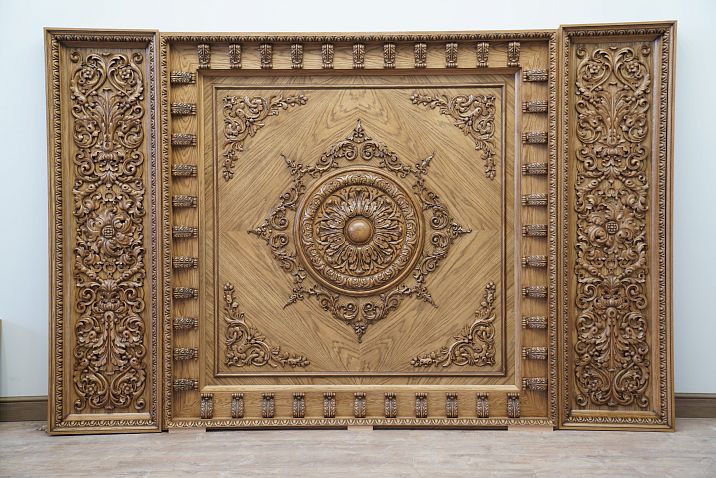
Wooden decorative compositions are not just interior decoration, but an important element that can give space uniqueness, style, and expressiveness. Natural wood, with its natural texture and aesthetic possibilities, allows creating refined decorative elements that harmoniously fit into various interior styles—from classic to modern trends.
STAVROS company offers a wide range of carved solid wood items, including moldings, capitals, rosettes, overlays, and decorative panels, which help give interiors completeness and individuality.


Why are wooden decorative compositions so popular?
Wood is one of the most universal and sought-after materials in interior decorative design. Its natural beauty, eco-friendliness, and artistic processing potential allow creating unique compositions that give space a special style and atmosphere. Wooden decorative elements can become a key interior accent, highlight architectural features of a room, and harmoniously complement the ambiance. Let's consider the main reasons why wood remains a favorite among decorative materials.
1. Ecological safety and health
Using natural materials in interior design is not just a trendy fashion, but a conscious choice for health and comfort. Wood is an ecologically clean raw material, contains no harmful impurities, and is completely safe for humans. Unlike plastic or synthetic decorative elements, wooden items do not emit toxic substances and do not cause allergic reactions, which is especially important for living rooms, children's rooms, and bedrooms.
Moreover, wood has natural antibacterial properties, and its pleasant natural aroma creates an atmosphere of coziness and tranquility. In interiors where ecological and natural qualities are important, wooden decorative compositions will become not only decoration, but also a useful element.
2. Durability and resistance to wear
One of the main arguments in favor of wooden decorative elements is their high strength and resistance to external influences. Natural wood, with proper processing and maintenance, retains its attractiveness for decades without losing its original appearance.
High-quality wooden items:
● Withstand mechanical loads and do not deform over time.
● Do not lose color saturation, especially when using special protective coatings.
● Resistant to moisture and temperature fluctuations with proper treatment.
● Capable of enduring restoration and repair, which extends their service life.
Thus, wooden decorative compositions are an investment in the longevity and quality of interior design, making them an excellent choice for decorating residential and commercial spaces.
3. Aesthetic value and expressiveness
Wood has a unique natural texture that makes each item one-of-a-kind. Even simple wooden elements can add elegance and charm to an interior, while intricate carved compositions transform a space into a true work of art.
● Texture and patterns – wood fibers create unique patterns that become a natural decorative element.
● Variety of species – from light beech and ash to deep tones of oak and walnut, allowing to choose the perfect combination for any interior style.
● Artistic processing – carving, patination, staining, and other techniques help create decorative elements with different character – from classic luxury to modern minimalism.
● Natural warmth of the material – wooden compositions create coziness and fill the room with harmony, making them especially valuable for home interiors.
Using wood in interior design gives it status and elegance, highlighting the taste and individuality of the owner.
4. Flexibility in design and versatility
One of the main advantages of wooden decorative compositions is their versatility. They suit various interior styles and can be used in different areas of a room.
● Classic interiors – include luxurious carved elements, capitals, moldings, and cornices that create a palace-like elegance atmosphere.
● Modern styles (minimalism, high-tech, Scandinavian design) – involve the use of strict geometric forms and smooth wooden surfaces.
● Eco-style and country – emphasize the natural texture of wood, its unfinished edges, and natural tones.
● Loft and industrial style – combine wood with metal and glass, creating striking decorative solutions.
Decorative wooden compositions can be used to decorate walls, doors, furniture, ceilings, and even building facades. The possibilities of working with this material are practically limitless.
5. Possibility of custom design
Each wooden composition can be made in an individual style, allowing any designer ideas to be realized. Unlike factory-made plastic decorations, wood can be hand-processed to create unique patterns, unusual shapes, and complex ornaments.
● Original carving – exclusive compositions with unique patterns.
● Combination of different techniques – combining flat and relief carving, inlays, and relief elements.
● Flexibility in processing – possibility of creating compositions of different sizes, shapes, and levels of complexity.
Thanks to these features, wooden decorative elements become not just decoration, but true works of art, giving the interior individuality.
Decorative wooden compositions – a unique combination of natural beauty, durability, eco-friendliness, and aesthetic expressiveness. They help create a stylish, harmonious interior where every element looks complete and thoughtfully designed.
Types of decorative wooden compositions
Decorative wooden elements can have various shapes and purposes. Let's consider the main types of such compositions and their features.
1. Wall decorative compositions
Wooden wall panels and elements help create expressive accent zones, decorate walls, and add dynamism to the interior.
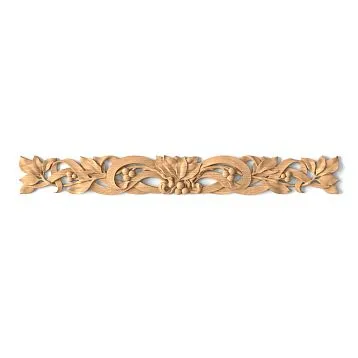
● carved appliqués – used for decorating walls, furniture, door and window openings.
● Outlets – add luxury to the interior and serve as central decorative elements.
● Decorative panels – help create an eye-catching textured surface on walls, adding depth and relief.
Such compositions are especially relevant in classic interiors, where detail and refinement of forms are important.
2. Decor for furniture and doors
Decorative wooden elements are widely used to decorate furniture, doors, and facades. They help refresh the appearance of interior items and give them individuality.
● Moldings – create volumetric finishes on door and furniture facades.
● capitals and pilasters – highlight the architectural expressiveness of door openings.
● Carved panels and inserts – used for decorating cabinets, chests, and other furniture items.
Such decoration can transform even the simplest items, giving them exclusivity and elegance.
3. Architectural elements
Wood is actively used in architectural decoration, creating expressive interior details.
● cornices and moldings – used for decorating ceilings, walls, and door openings.
● Columns and pilasters – create monumental accents, adding a classical character to the interior.
● Decorative beams – add expressiveness to rooms, especially in country, Provence, and loft styles.
These elements help highlight the architectural features of the room, making it visually more harmonious.




How to choose a wooden decorative composition?
Choosing a wooden decorative composition is an important stage in interior design that affects the harmony of the space, its visual integrity, and the atmosphere of coziness. Wood is a universal material that can be used in various styles, but for the composition to fit perfectly into the design, several key factors must be considered.
1. Size and proportions: how to choose the right dimensions
One of the most important aspects when choosing a wooden decorative element is its size. Incorrect proportions can make the interior either overloaded or too empty.
● Large compositions are suitable for spacious rooms, halls, living rooms with high ceilings. They become a central accent, drawing attention and emphasizing the interior style. For example, carved panels, massive moldings, large rosettes create a monumental and noble effect.
● Medium elements are versatile and can be used in both large and small rooms. They complement the interior but do not dominate the space. These can be furniture appliqués, decorative wall inserts, panel elements.
● Compact details are ideal for small rooms such as bedrooms, corridors, and home offices. They allow you to add elegance without weighing down the interior. For example, small carved appliqués, miniature moldings, or shaped elements on furniture.
● Narrow vertical compositions help visually increase ceiling height, while horizontal ones make the room appear wider.
When choosing the size of the composition, it is important to consider not only the room's area but also its lighting, the number of other decorative elements, and the color palette.
2. Style compatibility
The style of the composition should harmoniously match the overall interior design. Different design directions require different forms, textures, and finishes for wooden elements.
● Classic style – rich carving, complex ornaments, refined shapes. Suitable for capitals, rosettes, moldings, pilasters, which emphasize the luxury and elegance of the interior.
● Baroque and Rococo – dynamic, ornate shapes with curved lines, carved patterns, and gilding.
● Modern style (minimalism, modern, high-tech) – strict geometric lines, smooth surfaces, minimal details. Here, simple molding shapes, minimalist wooden panels, and neutral shades are appropriate.
● Loft and industrial style – combination of rough natural materials, untreated wood, massive structures. Wooden beams, panels with a weathered wood effect, and large geometric shapes are ideal.
● Provence and country – carved wooden elements in light shades, delicate patterns, pastel palette. Suitable for carved appliqués, decorative wooden frames, latticework panels.
When choosing a decorative composition, it is important to consider the overall interior style to ensure the elements complement rather than clash with it.
3. Color and texture
Wood has its natural texture and color palette, but it can be adapted to a specific interior through processing and staining.
● Natural wood without finish preserves the natural pattern of wood grain and is ideal for eco-style, Scandinavian design, country, and Provence interiors.
● Dark shades (wenge, walnut, mahogany, rosewood) give the interior depth and aristocracy. They are most often used in classic and strict modern interiors.
● Light and bleached wood species (oak, beech, ash) make the space airy and light, suitable for minimalism, Provence, and Scandinavian styles.
● Staining in pastel and bright colors helps adapt decorative elements to modern design solutions.
● Glossy surface creates a light reflection effect, visually expanding the space.
● Matte finish highlights the natural wood texture, giving the interior coziness and natural harmony.
When choosing color and texture, it is important to consider how decorative elements coordinate with furniture, walls, and overall room lighting.
Our factory also produces:


4. Functionality: combining aesthetics and utility
In addition to decorative value, wooden compositions can also serve a practical purpose:
● Space zoning – large wooden elements can divide functional zones within a room (for example, separating the living room from the dining room).
● Adjusting room proportions – vertical compositions visually increase height, while horizontal ones make the space appear wider.
● Concealing imperfections – wooden panels, moldings, and appliqués help hide unevenness on walls, ceilings, and doors.
● Creating accent zones – expressive decorative elements attract attention and make the interior more interesting.
When choosing a decorative composition, consider its practical purpose so that it not only decorates but also helps create a functional and comfortable interior.
Conclusion
Decorative wooden compositions are not just interior elements, but real art capable of transforming any space, making it more stylish, harmonious, and individual. They add depth to the interior, create expressive accent zones, highlight architectural features of the room, and help achieve a unified design concept. Using natural wood in decoration fills the space with warmth, coziness, and elegance, creating an atmosphere of respectability and aesthetic comfort.
Each wooden composition is the result of skilled craftsmanship, bringing to life ideas dictated by various interior styles. Whether you are decorating a classic interior with intricate patterns and carved elements or prefer modern minimalism with sleek forms, decorative wooden items will help create a unique atmosphere in your home.
STAVROS Company offers a wide range of decorative elements made from natural solid wood. The catalog includes:
● Appliqués – stylish carved details for furniture, walls, doors, and other interior elements.
● Rosettes – refined compositional accents for walls and ceilings.
● Moldings – elegant details allowing to create harmonious framed compositions.
● Capitals – expressive elements that give aristocratic elegance to door and window openings, columns, and pilasters.
● Decorative panels – unique elements capable of turning any wall into a work of art.
STAVROS products are available for order and delivery throughout Russia, including Moscow, Saint Petersburg, Kazan, Yekaterinburg, Nizhny Novgorod, Samara, Rostov-on-Don, Chelyabinsk, Ufa, Perm, Volgograd, and other cities. Regardless of your location, you can place an order and receive exclusive decorative elements crafted with impeccable quality.
Create the interior of your dreams with decorative compositions from STAVROS. Highlight your taste, style, and pursuit of perfection by adding the beauty of natural wood, elegance, and artistic craftsmanship to your space. Place your order today and fill your home with aesthetics, uniqueness, and coziness!