Article Contents:
- Anatomical and structural features of beech wood
- Premium-class physical and mechanical properties
- Exceptional formability
- Excellent workability and technological advantages
- Application of beech timber in furniture manufacturing
- Beech timber in interior design and construction
- Specialized Areas of Application
- Drying and protective treatment technology
- Ecological Safety and Healthy Microclimate
- Comparison with alternative wood species
- Dimensions, standards, and grading of beech timber
- Care and maintenance of beech timber products
- Pricing and economic efficiency
- FAQ: Frequently Asked Questions about beech timber
- Conclusion

In the world of natural building materials and furniture production, where impeccable quality and durability are valued, the opportunityBeech beam for lathingopens access to a material that has long served as a benchmark of European craftsmanship. Beech wood embodies the ideal balance between premium-class technical characteristics and reasonable cost, making it a universal choice for professional carpenters, furniture manufacturers, interior designers, and discerning clients. This noble material, formed over decades in European forests, carries natural energy and technical properties capable of meeting the highest demands of modern projects.
Why professionals striveBeech beam for lathingto use beech for their projects? The answer lies in the unique combination of characteristics bestowed upon this wood by nature. Density of 680-730 kg/m³ ensures exceptional strength and stability of structures, hardness of 3.8-4.1 on the Brinell scale guarantees outstanding surface wear resistance, and a uniform fine-pored texture without abrupt color transitions creates a calm elegance that harmonizes with any stylistic solution.wood trim itemsBeech timber products become true masterpieces of carpentry, capable of serving for decades without losing their original qualities or aesthetic appeal.

Anatomical and structural features of beech wood
European beech grows in temperate forests over 80-120 years of slow growth, accumulating unique physical and mechanical properties that make it one of the most valuable materials in woodworking. Trees reach heights of 30-40 meters with trunk diameters up to 2 meters, creating an extensive base of high-quality raw material for producing timber of various purposes. Growth in temperate climate conditions with adequate moisture and rich soils ensures uniform wood density and absence of internal stresses, critically important for the stability of finished products.
The microscopic structure of beech wood is characterized by uniform construction without clear distinction between heartwood and sapwood. This unique feature creates visual harmony throughout the entire volume of the timber, eliminating the blotchiness and color irregularities typical of many other species. The wood has a diffuse-porous structure with small pores of 0.016-0.1 mm diameter, evenly distributed across the entire cross-sectional area, ensuring a smooth surface after mechanical processing.
Heartwood rays in beech wood are well-defined and create a distinctive decorative effect on radial and tangential cuts. On radial cut, they appear as shiny bands up to 1 mm wide, creating a shimmering effect under changing lighting angles and adding depth to the texture. On tangential cut, heartwood rays appear as brownish spindle-shaped streaks, adding artistic quality and elegance without excessive visual aggression.
The color palette of beech wood ranges from light yellow to pinkish-brown with a slight reddish tint. Heartwood and sapwood are practically indistinguishable in color, significantly simplifying material selection for large projects requiring visual unity. Under natural lighting, the wood gradually acquires a warmer honey tone, adding nobility and patina to products over time — a feature especially appreciated by connoisseurs of natural materials.




Premium-class physical and mechanical properties
The density of beech wood in dry state reaches impressive 680-730 kg/m³, placing it in the same category as oak and other premium hardwoods. This high density ensures exceptional strength and ability to withstand significant mechanical loads without deformation, cracking, or other damage. For comparison, the density of popular pine is only 520 kg/m³ — nearly 30% lower, which significantly affects the longevity of structures.
The static bending strength reaches 104 MPa, guaranteeing the reliability of beech timber structures even under significant static and dynamic loads. The modulus of elasticity is impressive at 14.1 GPa — one of the highest values among European hardwoods available on the market. Practically, this means that beech beams, posts, and other structural elements retain their shape under load, returning to their original state after load removal without residual deformation or loss of strength characteristics.
Hardness by Brinell method is 3.8-4.1 units, providing exceptional surface wear resistance for decades of intensive use. Beech floors, staircases, countertops, and furniture frames do not wear even under active use, maintaining their original appearance for 50-80 years. This hardness exceeds birch by 1.5 times and is practically equal to oak’s values at significantly more accessible material cost, making beech an economically advantageous choice for demanding projects.
Beech timber withstands the most severe operational loads without loss of functionality.Wooden trimBeech timber withstands the most severe operational loads without loss of functionality.
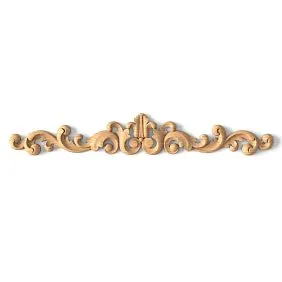
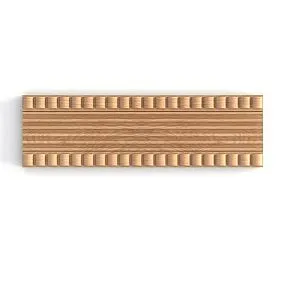
Our factory also produces:



Exceptional shaping ability
Beech wood possesses a unique ability to bend after steaming, surpassing all other European species, including oak, ash, and elm, in this regard. When processed with steam at 100-120 degrees Celsius for several hours, the wood becomes remarkably pliable and easily takes the desired shape with a bending radius many times greater than the thickness of the blank. After slow drying in the formed shape, the material reliably retains the acquired configuration without loss of strength characteristics, as confirmed by centuries of furniture manufacturing practice.
This unique technological property opens up limitless possibilities for creating bent furniture elements, decorative interior details, curved structures of complex geometry. Famous Viennese chairs with their elegant curved backs and legs, produced for over 150 years, are made exclusively from steamed beech. Staircase handrails with complex radii, bent furniture facades, arched architectural decorative elements, curved details of yachts and boats — all of this is made possible by the flexibility of beech wood for shaping.
The technology of bending beech timber requires professional knowledge, experience, and special equipment, but the result fully justifies the effort. Properly selected steaming regime taking into account the thickness of the blank, precise temperature and humidity control, use of special fixtures for fixing the shape during drying — all this ensures obtaining high-quality bent elements without cracks or fiber breaks. Solution
for subsequent bending opens up the possibility of creating unique design solutions impossible with other available wood species.Beech beam for lathingFor subsequent bending, it opens the possibility of creating unique design solutions impossible with other available wood species.
Get Consultation
Excellent workability and technological advantages
The uniform dense structure of beech wood ensures excellent workability with all types of woodworking tools. Planing provides an ideally smooth surface with a natural silk-like gloss, requiring no additional sanding before final finishing. Milling allows creating complex profiles of any configuration with sharp edges and smooth transitions without chips, scratches, or other defects. Turning forms cylindrical and figured parts with precision down to fractions of a millimeter, which is valued in manufacturing balusters, furniture legs, and decorative elements.
Drilling beech wood occurs without difficulty — drill bits of any diameter easily enter the material without causing cracking, delamination, or fiber tearing around the hole. Holes are clean with smooth walls, which is critically important for quality assembly of furniture structures and dowel joints. Turning beech wood also does not present special difficulty due to its uniform dense structure, allowing the creation of delicate decorative details without risk of breakage even at significant depths of cut.
Beech wood parts bond reliably and strongly when using standard woodworking adhesives based on polyvinyl acetate or polyurethane. The absence of resinous substances characteristic of coniferous species ensures ideal adhesion of the adhesive joint to the wood. Glued beech constructions match solid wood in strength, allowing the creation of large-format items from individual laminates using gluing. Glued beech timber has increased dimensional stability compared to solid material due to compensation of internal stresses.
Beech wood surface finishing does not require special effort or expensive materials. The wood excellently accepts varnishes, oils, stains, and paints due to its uniform fine-pored structure and complete absence of resin pockets. Coatings lay evenly, without spots, streaks, or other defects, creating a uniform protective-decorative layer. Staining beech wood with stains allows obtaining a wide range of shades from light natural to dark tones, imitating valuable exotic species such as wenge or padauk.
Application of beech timber in furniture manufacturing
Beech timber chairs and armchairs — unparalleled furniture design classics, proven by centuries of use. Famous Viennese chairs by the Thonet company, produced for over 150 years and manufactured in a run of more than 50 million units, are made exclusively from bent beech. Modern designers continue to use this noble material to create both classic and ultra-modern minimalist designs. The strength of beech allows making elegant thin legs with a diameter of 25-30 millimeters and delicate backs without risk of breakage even under active use.
Beech timber tables combine reliable functionality with timeless aesthetics. Massive dining tables on thick beech legs serve as the center of family meals, enduring daily loads of dishes, hot dishes, and elbows of people sitting at the table. Work tables and writing desks made of beech create a comfortable atmosphere for productive work and study. Coffee tables on elegant beech legs add lightness and refinement to the interior.
Beech log tables combine reliable functionality with timeless aesthetics. Heavy dining tables on thick beech legs serve as the centerpiece of family meals, enduring daily loads of dishes, hot food, and elbows of people seated at the table. Work tables and writing desks made of beech create a comfortable atmosphere for productive work and study. Coffee tables on elegant beech legs add lightness and refinement to the interior.Furniture moldingBeech timber beds with a frame ensure reliable mattress support and exceptional longevity of the structure for decades. The sturdy base does not sag under the weight of sleeping people, does not creak during movement, and maintains geometric stability for decades. Children's furniture made of beech is especially popular due to the ecological safety of the material, absence of harmful emissions, and ability to withstand active use by restless children. Beech timber loft beds, bunk beds, and staircases to them guarantee children's safety due to the high strength of the structure.
Beds with beech log frames provide reliable mattress support and exceptional structural longevity for decades. The sturdy base does not sag under the weight of sleeping people, does not creak during movement, and maintains geometric stability for decades. Beech children's furniture is especially popular due to the material's ecological safety, absence of harmful emissions, and ability to withstand active use by restless children. Beech loft beds, bunk beds, and their staircases guarantee children's safety thanks to the high structural strength.
Beech timber in interior design and construction
Beech timber staircases — embodiment of strength, safety, and aesthetic perfection. Stringers and treads made of solid beech with a cross-section of 100x200 or 150x200 millimeters provide absolute rigidity of the structure, steps with a thickness of 40-50 millimeters withstand intensive foot traffic without surface wear, balusters and handrails combine the functionality of safe guardrails with decorative qualities. Beech timber staircases do not creak due to the dense uniform structure of the wood and precise fitting of parts, maintain geometry during fluctuations in humidity and temperature, and serve as interior decoration throughout the building's entire service life.
Decorative beams made of beech timber on the ceiling create architectural expressiveness and volume in the interior. False beams imitate load-bearing structures, adding character and individuality to the space. The contrast of light natural beech against walls of various shades creates interesting compositional solutions that attract attention. Open beams in country, chalet, and Provence styles form the atmosphere of a countryside home even in an urban apartment, introducing notes of natural aesthetics and eco-friendliness.
Built-in storage systems with a beech timber frame combine constructive strength with the aesthetics of natural wood. Wardrobes, bookshelves, storage rooms, storage systems in hallways — everywhere where significant weight of clothing, books, and various items must be supported while maintaining the elegance of the structure, beech timber finds ideal application. Open shelves made of beech with a thickness of 30-40 millimeters demonstrate the beauty of natural material, while closed cabinets provide practical functionality of organized storage.
Window and door constructions made of beech timber are distinguished by dimensional stability and longevity with proper protective treatment. Beech timber window and door frames do not deform due to humidity fluctuations, ensuring tight fitting of panels for decades of service. Door panels made of beech or on a beech frame with veneer filling serve for decades, maintaining geometry and silent operation of hinges.Wooden profileFor windows and doors made of beech — a rational choice of quality.
Specialized application areas
Kitchenware made of beech timber — a traditional and ecologically safe choice for food preparation and serving. Beech cutting boards do not dull knives due to optimal wood hardness, easily clean with hot water and detergents, do not absorb food odors, and possess natural antibacterial properties. Wooden spatulas, mashers, scrapers, and mixers made of beech are safe for contact with hot food, durable, and pleasant to use due to smooth surfaces. Bread baskets, serving trays, salad bowls, and fruit vases made of beech timber combine practical functionality with decorative qualities.
Sports equipment and gear widely use beech timber due to the combination of strength and comfort. Gymnastic apparatus — parallel bars, gymnastic logs, Swedish wall bars — are made of beech to ensure athlete safety. Handles of sports equipment — squash and badminton rackets, hockey sticks, oars for academic rowing — made of beech provide a secure grip without slipping and durability under intensive loads. Components of exercise equipment requiring wear resistance and ability to withstand cyclic loads are also produced from beech wood.
Musical instruments use beech timber for manufacturing bodies, decks, necks, and tuning mechanisms. Acoustic properties of beech ensure pure sound without parasitic resonances and rich overtones. Piano and organ keys, elements of wind instruments, drumsticks, guitar bodies — everywhere where a combination of strength, workability, and acoustic qualities is required, beech finds ideal application. Uniform dense structure ensures stable sound performance across a wide range of temperature and humidity conditions during operation.
Technology of drying and protective treatment
Drying beech wood — a critically important process determining the quality of the final product and its stability during operation. Freshly sawn beech has a moisture content of about 80 percent and belongs to highly drying species with a tangential shrinkage coefficient of 11.4-11.8 percent. However, when strictly following multi-stage drying technology, beech demonstrates greater stability than oak — it is less prone to warping and internal cracking, allowing a greater volume of quality material to be preserved without defects.
Beech timber drying is carried out in special drying chambers with automatic precise control of temperature, relative air humidity, and air exchange rate. The process takes 2 to 4 weeks depending on the initial moisture content of the wood, the cross-section of the timber, and the required final moisture content of 8-12 percent. Slow controlled reduction of moisture at a specified rate prevents the appearance of internal cracks, warping, and other defects. Final moisture content corresponds to the equilibrium moisture of wood in heated rooms with relative air humidity of 40-60 percent.
Beech timber drying is carried out in special drying chambers with automatic precise control of temperature, relative air humidity, and air exchange rate. The process takes 2 to 4 weeks depending on the initial moisture content of the wood, the cross-section of the timber, and the required final moisture content of 8-12 percent. Slow controlled reduction of moisture at a specified rate prevents the appearance of internal cracks, warping, and other defects. Final moisture content corresponds to the equilibrium moisture of wood in heated rooms with relative air humidity of 40-60 percent.
Protective treatment of beech wood is necessary to extend the service life of products, especially in rooms with high humidity or variable conditions. Oil-based impregnation using linseed, tung, or tallow oil penetrates deeply into the wood structure to 3-5 millimeters, protecting it from moisture internally and enhancing its natural texture beauty. Polyurethane or acrylic lacquering creates a durable protective film 80-120 microns thick on the surface, preventing water and dirt penetration.
Thermal modification of beech timber is a modern innovative technology for improving performance without using chemicals. Treatment at 160-220 degrees Celsius in a steam environment without oxygen access reduces wood hygroscopicity by 40-50 percent, increases biological resistance to fungi and mold, and imparts a noble, uniform dark-brown color without using stains. Thermally treated beech acquires dimensional stability and moisture resistance comparable to tropical species, while retaining the full ecological purity of European wood.
Ecological and healthy microclimate
Natural beech wood is an absolutely ecological material without synthetic additives, formaldehyde, volatile organic compounds, and other harmful substances. The complete absence of toxic components makes beech timber an ideal choice for residential spaces, children’s rooms, educational institutions, and medical centers, where a healthy environment is critically important. The hypoallergenic nature of the material allows its use even for people with heightened sensitivity to chemicals, asthmatics, and allergy sufferers without fear of adverse bodily reactions.
The ability of wood to naturally regulate air humidity creates a comfortable, healthy microclimate in a room. Beech absorbs excess moisture when air humidity exceeds 60 percent and releases it when air is too dry (below 40 percent), automatically maintaining the optimal human balance of 45-55 percent. This natural conditioning operates without energy expenditure around the clock, creating a healthy living environment.Wood skirting boardBeech contributes to creating a comfortable microclimate.
Thermal insulation properties of beech wood significantly exceed most modern construction materials. Thermal conductivity is only 0.17 watts per meter-Kelvin, which is 8-9 times lower than concrete and 4 times lower than brick. Beech structures effectively retain heat in winter and coolness in summer, reducing heating and air conditioning costs by 15-25 percent. The tactile warmth of wood creates psychological comfort — beech surfaces are pleasant to the touch year-round, not scorching in summer and not cold in winter.
Acoustic properties of beech are beneficial for room sound environments. Wood naturally absorbs sharp sounds in the human speech frequency range of 500-2000 Hz, reducing noise levels by 15-20 decibels compared to concrete or brick structures. Beech floors, walls, and ceilings create comfortable acoustics without echo or unpleasant resonances. Sound insulation in rooms with beech finishes is significantly higher, which is especially valued in urban areas with high external noise levels.
Comparison with alternative wood species
Oak wood is the main competitor to beech in the premium market segment. Oak density (690-750 kg/m³) is comparable to beech, hardness (3.7 Brinell units) is slightly lower than beech. Oak surpasses beech in moisture resistance and biological durability due to higher tannin content (up to 10-15 percent). However, beech is significantly more flexible after steaming and costs 30-40 percent less than oak for comparable mechanical properties and durability, making it a more economically advantageous choice.
Ash, in terms of physical-mechanical properties, is close to beech — density 680-750 kg/m³, high bending strength and elasticity. Ash has a lighter color with a distinct contrastive grain pattern of annual rings, whereas beech displays a uniform, calm texture without sharp transitions. Ash is more elastic, which is valued in sports equipment and flexible structures, but beech surpasses it in flexibility after steaming. Ash pricing is comparable to beech or slightly higher depending on the region of origin.
Birch is an affordable alternative to beech for budget projects in mass production. Birch density is 630-650 kg/m³, hardness 3.0 Brinell units significantly lower than beech. Birch noticeably lags behind beech in strength, wear resistance, and dimensional stability under humidity changes. However, birch is 40-50 percent cheaper than beech and is easy to process, making it a popular choice for producing economy-class furniture and temporary structures.
Glued beech timber exceeds solid timber in dimensional stability and complete absence of defects such as knots or cracks. The technology of gluing lamellas with opposite fiber orientation compensates for internal wood stresses, preventing warping and cracking during use. Glued beech timber can be manufactured in large cross-sections up to 300x300 mm and lengths up to 6 meters, which is unattainable with solid timber. The price of glued timber is 30-40 percent higher than solid timber for comparable wood volume, but the advantages justify the difference for critical applications.
Dimensions, standards, and grading of beech timber
The standard dimensional range of beech timber on the Russian market includes cross-sections from 30x30 to 200x200 mm with 10-20 mm intervals between sizes. The most in-demand sizes are 40x40, 50x50, 60x60, 80x80, 100x100, 150x150 mm for various furniture, construction, and interior applications. Solid timber length varies from 1 to 3 meters, while glued timber can reach up to 6 meters. The ability to order non-standard sizes for specific projects significantly expands the application scope of beech timber and reduces waste.
Dimensional tolerances for quality beech timber are ±2 mm for standard planed material and up to ±0.5 mm for precision-calibrated timber of the highest accuracy class. Perpendicularity of adjacent faces should not exceed 1 mm deviation per 100 mm length to ensure correct structural geometry. Straightness along the length — not more than 2 mm per 1 meter — guarantees the absence of visually noticeable warping in finished products.
The moisture content of finished beech timber for use in furniture and interiors should be strictly 8-12 percent, corresponding to the equilibrium moisture content of wood in heated rooms with relative air humidity of 40-60 percent. For structural applications in unheated rooms, moisture content up to 15-18 percent is permitted. Moisture control is mandatory and performed using electronic moisture meters at the final quality control stage of each batch. The quality certificate must contain accurate information on the actual moisture content of the batch with the measurement date indicated.
Grading of beech timber is determined by the presence and nature of wood defects according to standards. Grade 'Extra' does not allow knots, cracks, insect holes, rot, resin pockets, or discoloration — this is ideal material for prestigious projects. Grade A allows healthy light knots up to 10 mm in diameter, no more than 2 per linear meter, and minimal surface cracks. Grade B permits knots up to 25 mm and cracks up to 100 mm — suitable for hidden structures. The decisionBeech beam for lathingof the highest grade guarantees a flawless result.
Care and maintenance of beech timber products
Regular care of beech timber products is simple and does not require special professional skills or expensive tools. Dry cleaning with soft, non-woven microfiber cloth removes dust and surface dirt without risking damage to the protective coating. Frequency of dry cleaning depends on the intensity of room use — for furniture and interior elements in living rooms, once a week is sufficient. Wet cleaning is performed as needed using specialized neutral cleaning agents for natural wood.
Updating protective coatings maintains the decorative and protective qualities of beech products for decades of use. Oil coating is renewed every 1-2 years by light sanding with fine-grit sandpaper (220-320 grit) and applying a fresh thin layer of oil with a brush or pad. Lacquer coating is more durable and requires renewal every 3-5 years depending on usage intensity and initial application quality. Wax coatings are renewed every 6-12 months by rubbing in special wax paste in circular motions.
Protection from adverse environmental factors extends the service life of beech products without loss of quality. Direct sunlight may cause gradual fading and uneven darkening of wood — use curtains, blinds, or protective films on windows during peak sun hours. Excessive dryness in the heating season below 35 percent may cause cracking and warping — maintain optimal humidity of 40-60 percent using humidifiers. Sudden temperature and humidity fluctuations are undesirable for any wood, creating internal stresses.
Local repair of minor beech surface damage is relatively simple without the need to replace the entire element. Minor scratches less than 0.5 mm deep are removed by light sanding with fine sandpaper and reapplying protective coating to the damaged area. Dents from impacts are removed by steaming the damaged area with a hot iron through a damp cloth — the wood swells and restores its original surface shape. Deep damage is filled with special repair putties in wood color or wooden inserts, followed by sanding and finishing.
Pricing and economic efficiency
The cost of beech timber on the Russian market is determined by several key factors. Grading is the main pricing parameter, determining up to 60 percent of the final price. 'Extra' grade timber without visible defects costs 2.5-3 times more than 'B' grade timber with acceptable healthy knots. Moisture content also significantly affects price — dry kiln-dried timber at 10 percent moisture is 40-50 percent more expensive than naturally air-dried timber at 18-20 percent moisture due to energy consumption and processing time. Cross-section size determines cost per linear meter proportionally to cross-sectional area — 100x100 mm timber costs 4 times more than 50x50 mm timber for the same length.
The origin of raw material affects the final cost of finished timber. European beech from Germany, France, Romania is traditionally considered a quality standard due to slow growth in a cool climate and costs more than Eastern European beech. Transportation costs for delivering raw material and finished products from Europe to the final consumer add 10-15 percent to the cost depending on the Russian region. Seasonal price fluctuations for beech wood are relatively small due to stable forestry practices in Europe and long-term supply contracts between producers and suppliers.
Economic efficiency of using beech timber becomes evident in the long term when analyzing total ownership cost. The durability of properly treated beech products is 50-80 years with minimal regular maintenance, which is 2-3 times longer than products made from coniferous species. The absence of costly repairs and replacements reduces total ownership cost by 30-40 percent compared to cheaper alternatives. The prestige and aesthetic value of beech furniture and finishes increase the market value of real estate by 10-15 percent compared to similar properties made from cheaper materials.
The price-to-quality ratio makes the decisionBeech beam for lathingan optimal choice for mid- and premium-level projects. Premium-class characteristics at a price 25-35 percent lower than oak equivalents provide an excellent market position for natural materials. Versatility of application reduces costs for selecting and purchasing different materials for various purposes within a single project. High liquidity of quality beech products on the secondary market for antiques and used furniture preserves 40-60 percent of initial investment value.
FAQ: Frequently Asked Questions about Beech Log
What distinguishes beech timber from timber of other wood species?
Beech timber has a unique combination of high density (680-730 kg/m³), hardness (3.8-4.1 Brinell units), uniform fine-grained structure without sharp color transitions, and exceptional flexibility after steaming, surpassing all European species including oak and ash in this regard, while being priced 25-35 percent lower than oak equivalents at comparable mechanical properties and durability.
Can beech timber be used in wet areas and outdoors?
Beech wood requires mandatory quality protective treatment for use in wet areas and is categorically not recommended for outdoor use without a cover, as it belongs to wood species susceptible to variable humidity and biological damage. However, with proper treatment using specialized water-repellent oils or varnishes and ensuring adequate ventilation, beech timber successfully serves for decades in bathrooms and kitchens.
What are the most popular and available sizes of beech timber?
The most popular and always available on stock are cross-section sizes 40x40, 50x50, 60x60, 80x80, 100x100 mm with standard length 2-3 meters for furniture production and interior work. For structural applications, larger cross-sections of 150x150 and 200x200 mm are used. The option to order non-standard sizes for specific projects allows selecting the optimal solution for any task with minimal material waste.
How long do beech timber products last with proper care?
With proper protective treatment using modern oils or varnishes, regular minimal maintenance, and protection from excessive humidity over 70 percent, beech timber products last 50-80 years of active use, retaining their strength and aesthetic qualities. Numerous antique pieces of beech furniture over 100-150 years old clearly confirm the material’s potential longevity when proper usage conditions are maintained.
Does beech timber require special complex drying before use?
Beech wood belongs to highly shrinkable species with a volumetric shrinkage coefficient of 11.4-11.8 percent and requires mandatory professional kiln drying to an operational moisture content of 8-12 percent with precise temperature and process speed control to prevent cracking and warping. However, with strict adherence to multi-stage drying technology, beech demonstrates greater stability than oak with a lower percentage of defective finished products.
Can beech timber be bent for creating curved furniture elements?
Beech timber possesses a unique exceptional ability to bend after steaming at 100-120 degrees Celsius for several hours, surpassing all other European species including oak, ash, and elm. Steamed wood easily takes on the desired complex shape with a small bending radius and retains it reliably after slow drying without losing strength characteristics — a technique widely used in bent furniture production for over 150 years.
What is the advantage of glued beech timber over solid block?
Glued beech timber significantly surpasses solid block in dimensional stability under humidity changes due to compensation of internal stresses during gluing of lamellas with opposite fiber orientations. It practically does not crack or warp during drying, can be manufactured in large cross-sections up to 300x300 mm and lengths up to 6 meters, which are unattainable for solid material, but costs 30-40 percent more for comparable volume of clear wood.
What protective treatment is required for beech timber to ensure longevity?
Beech timber requires mandatory quality protective treatment with special compounds to prevent excessive moisture absorption and protect against biological damage. Oil impregnation with natural oils provides deep protection up to 3-5 mm while preserving open pores and the wood’s ability to breathe. Urethane varnishes create a durable surface protective film 80-120 microns thick. Wax coatings provide water-repellent properties while preserving the wood’s tactile warmth.
How much does beech timber cost and what factors affect its price?
The cost of beech timber on the Russian market varies from 1200 to 4500 rubles per linear meter depending on wood grade, material moisture content, cross-section size, and origin of raw material. Grade 'Extra' kiln-dried beech with 10% moisture content from European beech costs 2.5-3 times more than material of Grade 'B' from natural drying with 18% moisture content. Bulk purchases of 1 cubic meter or more receive 15-25 percent discounts from retail prices.
Where is the best place to buy high-quality beech timber at a good price?
Purchasing from a specialized reliable manufacturer with its own woodworking production guarantees material quality, proper professional kiln drying, precise dimensions with minimal tolerances, presence of all necessary conformity certificates, option to order non-standard sizes for specific projects, professional consultation from experienced specialists on optimal application, convenient delivery to the site. STAVROS offers a full range of high-quality beech timber.
Conclusion
SolutionBeech beam for lathing— a conscious choice in favor of European quality, natural perfection, ecological safety, and reasonable economic efficiency. This noble material embodies the ideal balance between premium-class technical characteristics and accessible pricing, making it a universal choice for various projects — from handmade luxury furniture to large-scale interior solutions and structural building elements. The unique combination of strength, durability, excellent workability, and exceptional formability after steaming opens boundless opportunities for realizing designers', architects', and carpenters' creative visions.
For centuries, European masters have chosen beech wood to create their unparalleled masterpieces of furniture art, and modern professionals continue this honorable tradition, appreciating the enduring merits of this unique material. Uniform dense structure, calm elegant texture, ecological safety without harmful emissions, longevity measured in decades — all these outstanding qualities transformBeech beam for lathinginto the first-choice material for creating spaces with distinct character and individuality, reflecting the owner’s taste and demands. An investment in quality beech products pays off many times over for decades of flawless service without repair or replacement, preserving aesthetic qualities and significantly increasing the market value of real estate.
STAVROS — a recognized market leader and leading producerwood trimof premium-class products — offers a full range of high-quality beech timber for the most demanding and responsible projects of any scale. Decades of rich experience working with valuable European wood species, modern high-precision woodworking equipment from leading European manufacturers, meticulous multi-stage quality control at every stage of the technological process — from careful raw material selection to careful packaging of finished products, professional team of experienced qualified specialists with deep knowledge of woodworking technologies and extensive practical experience — all this reliably ensures flawless quality of every product leaving the company’s production facilities. By choosing STAVROS, a discerning buyer receives not just construction material or furniture blanks, but a comprehensive professional solution with official quality guarantee, detailed expert consultations on optimal size and grade selection for specific tasks, technical project support at all stages of implementation — from planning to final finishing — prompt delivery to Moscow, St. Petersburg, throughout Russia and CIS countries with all necessary conditions for transporting valuable cargo. Choose proven European standard quality, confirmed by time and thousands of satisfied customers, trust professionals with impeccable long-standing reputation in the competitive woodworking market, create quality furniture, reliable structures, and exquisite interiors that will serve faithfully for many generations of your family and become a source of deserved pride and enduring admiration for guests of your home.