Article Contents:
- Introduction
- Market Analysis and Target Audience Definition
- Market Trends in Furniture Production
- Target Audience Definition
- Main Sections of the Business Plan
- 1. Project Summary
- 2. Market Analysis and Competitive Environment
- 3. Product Description and Technological Process
- 4. Marketing Strategy
- 5. Financial Plan
- 6. Organizational Structure and Management
- 7. Legal and Regulatory Aspects
- Practical Recommendations for Developing a Business Plan
- Raw Material Selection and Procurement
- Processing and Assembly Technologies
- Organization of Production Space
- Implementation of ERP Systems and Digitalization of Production
- Creating a Strong Brand
- Digital Marketing and SEO Optimization
- Offline Events and Participation in Exhibitions
- Cost Forecasting and Calculation
- Financial Flow Management
- Scaling and Diversification Strategies
- Building a Team of Professionals
- Corporate Culture and Leadership
- Business Registration and Licensing
- Intellectual Property Protection
- Analysis of Potential Risks
- Risk Mitigation Strategies
- Success Story of the Company STAVROS
- Key Success Factors
- Examples of Implemented Projects
- Business Scaling Strategies
- Introduction of Innovations and New Technologies
- Forecasts and Challenges
- Business Registration and Obtaining Permit Documentation
- Intellectual Property Protection
- Forming an Effective Team
- Leadership and Corporate Culture
- Main Risks of Furniture Production
- Measures to Minimize Risks

In the context of rapid technological development, changing consumer demands, and increasing competition in the furniture market, creating and implementing a well-thought-out business plan for a furniture workshop becomes a fundamental step on the path to successful production. The article covers all aspects of developing a business plan, from market analysis to scaling strategies and innovative approaches that enable reaching a new level. For additional information, please refer tofurniture workshop business plan andbusiness plan for furniture production.


Introduction
Today, the furniture business is undergoing qualitative changes, driven by the emergence of new materials, the adoption of digital technologies, and shifts in consumer preferences. As we approach 2025, furniture industry enterprises are not only required to follow trends but must actively shape them. In this context, a well-crafted business plan for furniture production becomes a guarantee of success, enabling efficient resource allocation, risk minimization, and full utilization of market opportunities.
Creating a successful enterprise begins with a clear understanding of the goals set for the company, the tasks that need to be solved, and the resources required. For a furniture workshop, the business plan must include market trend analysis, a description of the production process, a marketing strategy, and financial planning. Only such a comprehensive approach allows creating a competitive production capable of meeting even the highest client expectations.
This article is devoted to a detailed examination of all stages of creating a furniture workshop business plan. The content is presented in a structured format, with each section accompanied by practical recommendations and examples of successful cases. The reader will learn how to properly organize production, optimize costs, and implement innovative solutions to make furniture production profitable and sustainable.




Market Analysis and Target Audience Definition
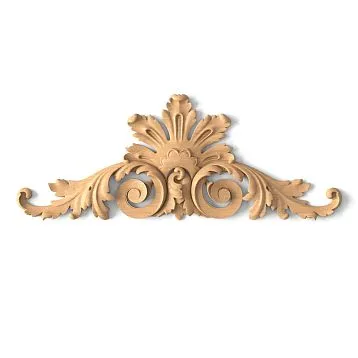
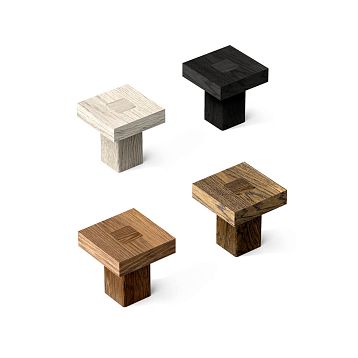
Our factory also produces:


Market Trends in Furniture Production
The modern furniture market is characterized by high competition, dynamically changing trends, and growing demand for individualized solutions. In the context of globalization and active development of e-commerce, companies are forced to adapt to new realities, offering not just products but comprehensive solutions for interior design. Among the key trends, the following can be identified:
● Personalization of products. Modern consumers increasingly seek uniqueness, preferring furniture designed according to their individual needs. This means that the furniture workshop business plan must include the possibility of customization and flexibility in production.
● Environmental sustainability. Use of natural and recycled materials, energy-efficient production, and care for the environment are becoming increasingly important to customers. Including environmental standards in the business plan helps gain customer trust and achieve a competitive advantage.
● Integration of digital technologies. Implementing ERP systems, 3D modeling, virtual reality, and automated production lines allows optimizing processes, reducing costs, and improving product quality. Digitalization has become an indispensable part of modern furniture production.
● Growth of online sales. Online stores, B2B platforms, and active use of social media make digital marketing the primary channel for attracting customers. Proper SEO optimization and content marketing allow reaching a new level of sales.
Get Consultation
Target Audience Definition
Every company must clearly understand who its potential customers are. For a furniture workshop, the target audience may be diverse and include both private individuals and corporate clients. When developing a business plan for furniture production, it is important to segment the audience based on the following criteria:
● Demographic parameters. Age, gender, income, place of residence — these data help form a basic customer profile.
Psychographic characteristics. Values, interests, lifestyle, and design preferences. These data allow creating products that match customer tastes and expectations.
Consumer behavior. Purchase frequency, preferred channels for making purchases, and brand loyalty level. This helps determine which marketing strategies will be most effective.
Correct understanding of the target audience not only allows developing a product that meets market demands, but also creating an effective marketing strategy aimed at attracting the specific group of consumers ready to invest in quality and stylish furniture.
Business plan structure for furniture production
Main sections of the business plan
Creating a detailed business plan is the foundation for successful launch and further development of a furniture workshop. Such a document must include several key sections, each covering a specific aspect of the business:
1. Project Summary
The summary is a brief overview of the project's main goals and tasks. It should include a description of the company's concept, mission, key competitive advantages, and general financial indicators. The summary serves as a starting point for investors and partners, allowing them to quickly assess the project's potential.
2. Market Analysis and Competitive Environment
In this section, a thorough analysis of the current situation in the furniture market must be conducted, identifying key trends, determining competitors' strengths and weaknesses, and defining the target audience. Detailed analysis will help justify the chosen strategy and identify key development directions.
3. Product Description and Technological Process
Here, it is detailed what products are planned to be produced, what materials will be used, how the production process will be organized, and which technologies will be implemented. It is important to describe all production stages — from raw material procurement to the delivery of finished products. This section should demonstrate how the enterprise will achieve high product quality and comply with modern standards.
4. Marketing Strategy
The marketing plan must include a product promotion strategy, selection of sales channels, methods for attracting customers, and ways to build a loyal audience. Special attention is given to digital marketing, SEO website optimization, and social media usage. A well-developed marketing strategy will help enter the market with a strong brand and gain consumer trust.
5. Financial Plan
The financial section includes revenue forecasting, cost calculation, break-even point determination, investment analysis, and financial resource attraction strategy. Here, it is important to calculate the required sales volumes to achieve profitability, as well as assess risks related to market fluctuations and unforeseen expenses.
6. Organizational Structure and Management
Description of the enterprise's organizational structure, distribution of responsibilities among key employees, incentive systems, and quality control methods are important elements of the business plan. This section demonstrates how the enterprise will be managed and how tasks will be ensured to be completed.
7. Legal and Regulatory Aspects
This section addresses issues of enterprise registration, obtaining necessary licenses and certificates, compliance with safety and environmental standards. Proper legal business documentation is a guarantee of its stable and long-term operation.
Practical recommendations for developing a business plan
When developing a business plan for furniture production, the following recommendations should be followed:
● Detail each section. The more precisely all business stages are described, the lower the risk of unexpected problems in the future.
● Use real data. Forecasts and calculations must be based on current statistical data and market analysis.
● Be flexible. The business plan must remain a living document, adjusted according to market changes and internal company dynamics.
● Involve experts. Consultations with specialists in finance, marketing, and production will help make the plan more reliable and realistic.
● Emphasize innovation. Implementing new technologies and methods of production optimization should become an important element of the company's strategy.
Such a comprehensive approach allows creatingfurniture workshop business plan andbusiness plan for furniture productionwhich will become the foundation for successful enterprise development and market capture.
Organization of the production process
Raw material selection and procurement
The quality of the final product largely depends on the raw materials used in production. For a furniture workshop, careful selection of materials such as natural wood, high-quality composites, metals, and fabrics is crucial. Raw material procurement should be conducted only from verified suppliers with quality certificates and stable deliveries.
● Raw material quality control. Implementing a quality control system at the procurement stage helps reduce the likelihood of defects and ensure the stability of the production process.
● Supplier diversification. To minimize risks associated with supply disruptions, it is recommended to enter into contracts with multiple suppliers.
● Environmental responsibility. Using materials obtained through sustainable technologies is becoming increasingly important for modern consumers and helps strengthen the company's reputation.
Technology for processing and assembling products
Implementing modern material processing technologies significantly increases the accuracy and quality of furniture manufacturing. In a furniture workshop, the following methods are used:
● Laser cutting. Allows performing precise and complex cuts with minimal material waste.
● CNC machines. Modern CNC machines ensure high speed and precision in processing, which is especially important in mass production.
● Automated assembly lines. Automating assembly processes reduces production time and lowers the likelihood of errors, improving the quality of the final product.
● Manual finishing. Despite high automation, many processes, such as decorative finishing, require skilled specialists capable of giving the product an individual style and uniqueness.
Organization of the production space
Proper planning of the production workshop is the foundation for optimizing working processes. It is important to ensure logical distribution of equipment, organize storage of raw materials and finished products, and create comfortable conditions for employees. Effective space organization allows:
● Reduce material transportation time between production areas.
● Optimize working processes and minimize downtime.
● Ensure compliance with safety and labor hygiene standards.
Implementation of ERP systems and digitalization of production
Modern information technologies play a decisive role in managing production processes. ERP systems allow integrating all production stages, from raw material procurement to delivery of finished products. Advantages of digitalization include:
● Increased productivity. Automation of processes allows reducing the time required to manufacture products.
● Cost reduction. Optimizing enterprise operations and controlling financial flows contribute to cost reduction.
● Process transparency. The ability to monitor each production stage in real-time helps promptly identify and resolve issues.
● Flexibility and adaptability. Rapid response to changes in demand and adjustment of the production process become possible thanks to modern technologies.
Integration of digital tools allows creating a solid foundation for sustainable enterprise development and ensures high competitiveness in the market.
Marketing strategy for furniture production
Creating a strong brand
One of the key factors of success is building a recognizable brand. For a furniture workshop, it is important not only to offer quality products but also to create an emotional connection with customers. An effective marketing strategy should be based on the following principles:
● Unique Selling Proposition (USP). The brand must clearly position itself as a provider of innovative, high-quality, and eco-friendly products. This will help stand out against competitors.
● Corporate style and visual identity. Developing a logo, corporate colors, and communication style helps create a recognizable image associated with high quality and reliability.
● Emphasis on quality and innovation. Promotion should demonstrate that the enterprise continuously implements new technologies and improves production processes, guaranteeing high product quality.
● Use of case studies and testimonials. Publishing successful case studies, project implementation examples, and satisfied customer reviews helps build audience trust and increase brand loyalty.
Digital marketing and SEO optimization
In the context of active internet development, promoting products through digital channels has become a necessary condition for success. Proper SEO optimization allows the company's website to rank highly in search engines, attracting the target audience. It is important to use keywords such asfurniture workshop business plan andbusiness plan for furniture productionwhich help convey information about the company's products and services to potential customers.
Main directions of digital marketing include:
● Content marketing. Publishing analytical articles, blogs, videos, and infographics not only informs the audience but also builds an expert image of the company.
● SMM (Social Media Marketing). Active presence on social networks such as Instagram, Facebook, Pinterest, and TikTok helps form a loyal community and increase brand recognition.
● Email marketing. Regular newsletters, offers, and analytical materials help maintain contact with customers and inform them about new products and promotions.
● Video content. Creating videos about production processes, presenting new collections, and conducting interviews with industry experts allows visually conveying the value of products and demonstrating a high level of production.
Offline events and participation in trade shows
In addition to digital marketing, the furniture business must actively use traditional promotion channels. Participation in industry exhibitions, conferences, and seminars not only allows presenting products but also establishing direct contact with potential clients, partners, and investors. Such events facilitate experience exchange, business relationship building, and strengthening brand positioning in the market.
Financial planning and resource management
Cost forecasting and calculation
One of the key elements of a business plan for a furniture workshop is detailed financial planning. This process includes:
● Revenue forecasting. Analyzing market trends and assessing sales potential allows creating a realistic revenue forecast.
● Calculating variable and fixed costs. It is important to consider all expense categories: raw material procurement, energy resources, rent, labor payment, marketing expenses, and other costs.
● Determining the break-even point. Calculating the sales volume required to cover all expenses is a key indicator for determining the project's viability.
● Investment planning. External investments may be required to launch and scale production. A detailed plan for attracting financial resources, whether bank loans, angel investor investments, or grants, is necessary.
Financial flow management
Effective financial flow management allows optimizing expenses and ensuring stable business development. Modern ERP systems are used for this purpose, enabling real-time tracking of all financial operations, budget reviews, and adjusting expenses according to market conditions.
Scaling and diversification strategies
To further grow the furniture production, scaling strategies must be developed, including expanding production capacities, entering new markets, and diversifying the product range. This can be achieved through:
● Franchise models. Creating a franchise system allows rapidly expanding the brand's geographic presence.
● Partnership programs. Strategic cooperation with other companies, suppliers, and distributors helps optimize supply chains and reduce costs.
● Innovative business models. Implementing subscription-based furniture or customized production models allows meeting unique customer needs and creating additional revenue streams.
Organizational structure and personnel management
Team of professionals
A key factor of success for any enterprise is a qualified and motivated team. For a furniture workshop, it is important to hire specialists with experience in design, engineering, production, and marketing. Companies capable of building a strong team have a clear advantage in the market.
● Personnel selection. Careful selection of employees who align with the company's corporate culture and values is a guarantee of success.
● Training and development. Regular professional development, training, and master classes allow employees not only to master new technologies but also to develop their creative potential.
● Motivational programs. Implementing a system of bonuses, rewards, and career advancement helps form a loyal and effective team.
Corporate culture and leadership
Effective enterprise management is impossible without a developed corporate culture. In the furniture business, leadership must be based on principles of openness, responsibility, and a drive for innovation. Company management must be ready to engage in dialogue with employees, encourage initiative, and create conditions for creative self-expression.
Legal aspects and regulatory compliance
Business registration and licensing
For successful operation of a furniture production, all legal documents must be properly prepared. This includes:
● Business registration. Choosing the organizational and legal form, preparing founding documents, and registering with tax authorities.
● Obtaining necessary licenses and certificates. Compliance with product quality, safety, and environmental standards is a mandatory condition for entering the international market.
● Compliance with regulatory acts. Monitoring changes in legislation, regulating labor relations, and ensuring legal protection of intellectual property.
Intellectual Property Protection
Developing innovative solutions and unique designs requires intellectual property protection. Patenting new technologies, registering trademarks, and securing copyrights help prevent copying and maintain a competitive advantage.
Risks and Methods of Their Minimization
Risk Analysis
Any business faces a range of risks, and furniture manufacturing is no exception. Key risks include:
● Raw material risks. Fluctuations in material prices, supply disruptions, and changes in raw material quality may negatively impact product cost.
● Technological risks. Equipment breakdowns, failures in automated systems, and outdated technologies require continuous updating of the production base.
● Competitive risks. An increase in market players, aggressive pricing policies, and shifts in consumer preferences may reduce profitability.
● Economic and political risks. Changes in legislation, currency exchange rate fluctuations, and global economic crises affect the financial stability of the enterprise.
Risk Minimization Strategies
To successfully run a business, it is necessary to develop a comprehensive set of measures that allow reducing risks:
● Supplier diversification. Signing long-term contracts with multiple raw material suppliers helps reduce dependence on a single source.
● Investments in technical maintenance and equipment modernization. Regular updating of the technological base reduces the likelihood of failures and increases production efficiency.
● Risk insurance. Using insurance policies to protect material assets and financial flows helps minimize potential losses.
● Flexible financial planning. Continuous analysis of budget indicators and adjusting strategy according to market changes allows timely response to external challenges.
Case Studies of Successful Enterprises: Example of the Company STAVROS
The Success Story of the Company STAVROS
CompanySTAVROS is a clear example of how a well-developed furniture workshop business plan can serve as the foundation for creating a successful furniture production. The company's story begins with a small production facility, where, based on passion for quality craftsmanship and innovative technologies, the first product was created. Gradually, thanks to continuous improvement of production processes, implementation of automated lines, and sound marketing strategy,STAVROS it became an industry leader.
Key Factors of Success
The company STAVROS achieved success due to the following key factors:
● Innovative approach. Continuous introduction of advanced technologies, automation of production processes, and digitalization of management allowed reducing costs and improving product quality.
● Quality of raw materials. Using only high-quality raw materials and strict control over their delivery to the enterprise became the foundation for creating durable and stylish products.
● Strong brand. Developing a unique corporate style, active participation in international exhibitions, and effective use of digital marketing allowed creating a recognizable brand valued by consumers worldwide.
● Environmental responsibility. Commitment to sustainable development, use of eco-friendly materials, and energy-efficient technologies contributed to forming a positive company image.
Implemented Projects
CompanySTAVROS implemented a series of successful projects that demonstrate the effectiveness of a well-crafted business plan for furniture production:
● Production of exclusive furniture for luxury interiors. High-tech processing lines, individual approach to each order, and attention to detail allowed creating products that earned trust even from the most demanding clients.
● Modular systems for small apartments. Adaptive solutions enabling efficient use of limited space received high market ratings in the urban real estate sector.
● Corporate projects. Creation of functional office interiors for large companies, where special attention was paid to ergonomics, design, and technological innovations.
Prospects for development and scaling of furniture production
Business scaling strategies
To further grow furniture production, it is necessary to develop scaling strategies that include:
● Expanding production capacities. Investments in equipment modernization and process automation allow increasing the volume of produced goods.
● Entering new markets. Geographic expansion, participation in international exhibitions, and creating partner networks help capture new audiences.
● Product line diversification. Developing new product lines targeted at different market segments allows satisfying diverse consumer demands.
● Franchising models. Creating a franchising system enables rapid expansion of brand presence at regional and international levels.
Introduction of innovations and new technologies
Furniture business in 2025 cannot do without continuous introduction of innovative solutions. Among the promising directions are:
● Use of artificial intelligence. Demand forecasting, optimization of production processes, and product personalization become possible thanks to analytical systems and machine learning algorithms.
● Virtual and augmented reality. VR/AR technologies allow customers to "try on" furniture in interiors before purchase, increasing satisfaction and reducing returns.
● Internet of Things (IoT). Integration of sensors and monitoring systems into production lines ensures timely management and quality control at every stage.
● New materials. Research in nanotechnology and composite materials opens opportunities for creating products with improved performance characteristics.
Forecasts and challenges
Despite positive forecasts, the furniture business faces several challenges:
● Global competition. The growing number of companies on the market requires continuous improvement of technologies and marketing strategies.
● Economic instability. Fluctuations in exchange rates and economic changes may affect product cost.
● Regulatory changes. Changes in legislation and new environmental norms require prompt adaptation of production processes.
companies that can quickly adapt to these challenges will be able to occupy leading positions in the market. A well-craftedfurniture workshop business plan andbusiness plan for furniture production is not only a strategic document but also a tool that allows forecasting business development and promptly responding to changes in the external environment.
Legal aspects and regulatory compliance
Business registration and obtaining permits
Launching furniture production requires compliance with all legal norms and obtaining necessary licenses and certificates. This stage includes:
● Company registration. Choosing the organizational and legal form, preparing founding documents, and registering with tax authorities.
● Obtaining quality certificates. Compliance with national and international standards (e.g., ISO) is necessary for entering export markets.
● Licensing production. Obtaining permits for equipment use, compliance with labor and safety regulations.
Intellectual Property Protection
Protecting unique developments and designs is an important aspect that allows maintaining a competitive advantage. Patenting new technologies, registering trademarks, and securing copyrights help prevent unauthorized copying and ensure stable business development.
Organizational structure and personnel management
Forming an effective team
The success of furniture production largely depends on the competence and motivation of employees. Organizing work begins with forming a team of professionals, including specialists in design, engineering, production, and marketing.
● Selecting qualified personnel. Careful selection of employees based on their experience, professional skills, and alignment with corporate culture is key to success.
● Training and development. Regular training, seminars, and workshops contribute to improving qualifications and implementing innovative work methods.
Motivational programs. Developing a reward system and career growth helps create a positive work atmosphere and motivates employees to achieve high results.
Leadership and corporate culture
Effective enterprise management requires not only professionalism but also the ability to inspire employees, foster team spirit, and maintain a high level of motivation. A corporate culture based on principles of honesty, responsibility, and a drive for innovation contributes to the company's stable growth and sustainable development.
Risks and Methods of Their Minimization
Main risks of furniture production
Any business faces risks, and furniture production is no exception. Main risks include:
● Raw material risks. Fluctuations in material prices, supply disruptions, and quality issues with raw materials may negatively impact product cost.
● Technological risks. Equipment malfunctions, outdated production lines, and technical issues require continuous updating and monitoring.
● Competitive risks. Increasing number of competitors, aggressive pricing policies, and changing consumer preferences may reduce the company's market share.
● Economic and political risks. Global changes, currency fluctuations, and legislative changes may significantly impact the company's financial stability.
Risk mitigation measures
To successfully run a business, it is necessary to develop strategies that allow reducing possible risks:
● Supplier and raw material diversification. Signing contracts with multiple suppliers allows minimizing dependence on a single source.
● Investment in equipment upgrades. Regular technical maintenance and modernization of the production base help prevent operational disruptions.
● Business insurance. Using insurance policies to protect material assets and financial flows reduces the likelihood of significant losses.
● Flexible financial planning. Continuous monitoring of budget indicators and timely response to market changes help maintain business stability.
Conclusion
Furniture manufacturing business is a complex, multifaceted, and dynamic industry requiring entrepreneurs to conduct deep analysis, adopt an innovative approach, and strategic planning. A well-craftedfurniture workshop business plan andbusiness plan for furniture production serves as the foundation for successful business launch and further development, enabling optimization of production processes, minimizing risks, and gaining consumer trust.
Based on long-term experience in journalism, SEO, and design, it can be concluded that the success of furniture production depends on the ability to integrate traditional methods with modern technologies, building a strong brand, and effective resource management. The example of the companySTAVROS demonstrates that by investing in innovation, optimizing production processes, and adhering to strategic goals, one can not only enter the market but also become an industry leader.
The future of furniture production promises to be bright and filled with new opportunities. Only those enterprises that are willing to change, adapt, and implement innovative solutions will be able to maintain their market positions and meet growing consumer expectations. It is important to continuously improve production processes, develop marketing strategies, and pay attention to every aspect of the business—from raw material procurement to delivery of finished products.
In conclusion, success in the furniture business requires courage, professionalism, and an unwavering pursuit of perfection. Entrepreneurs should rely on proven methodologies but not fear experimenting, implementing new technologies, and adapting to changing market conditions. A well-crafted business plan will serve as a reliable guide on this path, and the example of the companySTAVROS is a vivid proof that with a clear strategy and high quality standards, it is possible to create an enterprise capable of conquering the market and becoming an industry leader.
For anyone planning to start or optimize a furniture production business, it is important to remember: every successful business begins with a thoroughly developed plan based on market analysis, an innovative approach, and professional resource management. May the provided recommendations and practical examples help you capture the market, reduce risks, and achieve outstanding results in the furniture manufacturing business.