Article Contents:
- Chapter 1. Basics of Creating a Furniture Business Plan
- 1.1. Importance of a Business Plan in the Modern Industry
- 1.2. Structure of a Business Plan
- 1.3. Role of Analytics and Research
- 2.1. Current Situation in the Furniture Market
- 2.2. Target Audience Segmentation
- 2.3. Competitor Analysis
- 2.4. Niche Selection: Innovations or Traditions?
- 3.1. Selection of Production Technologies
- 3.2. Planning of Production Capacity
- 3.3. Quality Management
- 3.4. Implementation of Modern Technologies
- 4.1. Brand Creation and Market Positioning
- 4.2. SEO and Digital Marketing
- 4.3. Offline and B2B Promotion
- 4.4. Working with Reviews and Customer Service
- 5.1. Creating a Financial Model
- 5.2. Attracting Investments and Financing
- 5.3. Budgeting and Expense Control
- 6.1. Short-Term and Long-Term Goals
- 6.2. Business Scaling
- 6.3. Implementing Innovations
- 6.4. International Development
- 7.1. Registration and Licensing
- 7.2. Intellectual Property
- 7.3. Organizational Structure and Personnel Management
- 8.1. Risk Analysis
- 8.2. Risk Mitigation Strategies
- 9.1. Success Stories
- 9.2. Expert Practical Advice
- 10.1. Current Trends and Forecasts
- 10.2. International Markets and Global Expansion
- 10.3. Development Through Partnerships and Franchising
- 10.4. Investment in Research Projects
In the context of rapid changes in the modern market, where consumer demands become increasingly sophisticated and competition tougher, the furniture business occupies a unique position within entrepreneurial activity. Developing a well-craftedfurniture business plan and sound strategicfurniture business development today is the key to successfully capturing the market and achieving sustainable success.
In this article, based on 50 years of experience in journalism, design, SEO, and copywriting, I will share my knowledge and practical recommendations that will help you build a successful enterprise in the furniture industry. We will examine key stages of creating a business plan, market analysis specifics, current trends, marketing strategies, production organization issues, financial planning, and implementation of digital technologies. Sometimes my tone will be bold and provocative, and sometimes gentle and supportive, as I aim to win your audience and convey the full depth of experience accumulated over decades in this field.
Regardless of whether you are a beginner entrepreneur or already have business experience, this guide will help you structure your thoughts, identify weaknesses in your current strategy, and, most importantly, build a solid foundation for the future development of your furniture business.


Chapter 1. Basics of Creating a Furniture Business Plan




1.1. The Importance of a Business Plan in the Modern Industry
Creating a quality business plan is not just a formality—it is a fundamental step upon which the success of a company is built. A well-developedfurniture business plan serves as a strategic roadmap, enabling you to define goals, assess risks, forecast financial flows, and develop pathways for scaling the business. For successful business development, it is crucial to have a clear understanding of where you are headed, what resources you will need, and what steps must be taken to achieve desired results.
Our factory also produces:


1.2. Business Plan Structure
A furniture business plan must include the following sections:
- Project Summary: brief description of the idea, mission, and key performance indicators of the enterprise.
- Market Analysis: research of the current market situation, analysis of competitors, audience segmentation, and definition of Unique Selling Proposition (USP).
- Product and Service Description: detailed description of furniture assortment, product characteristics, materials used, and technologies.
- Production Strategy: selection of technologies, description of production process, plan for workshop organization and raw material procurement.
- Marketing Strategy: promotion strategy, sales channels, methods for attracting and retaining customers, as well as digital marketing strategy.
- Financial Plan: revenue and expense forecast, break-even point calculation, investment requirements, and risk analysis.
- Organizational Structure: description of the team, distribution of responsibilities, and partnership relations.
- Legal Aspects: licensing, certification, business registration, and intellectual property issues.
Each of these sections requires careful elaboration, as only a comprehensive approach allows creating a realistic and viable strategy.
Get Consultation
1.3. Role of Analytics and Research
When developing a business plan, it is critically important to conduct a thorough market analysis. You must study trends in furniture production, understand which market segments remain unoccupied, and identify the needs of end consumers. Collecting statistical data, conducting surveys, and interviewing potential clients will help determine competitors' strengths and weaknesses. This approach will enable you to formulate a unique offering that becomes your competitive advantage.
Chapter 2. Market Analysis and Niche Selection in the Furniture Business
The furniture market is constantly evolving, and its dynamics are determined by several factors: the country's economic situation, changes in consumer lifestyles, new technologies, and even global interior design trends. In recent years, there has been an increase in demand for customized solutions, eco-friendly materials, and innovative production technologies.
● Project ROI calculation and break-even timelines.
2.2. Target Audience Segmentation
To run your business effectively, you must understand who your customer is. Audience segmentation can be conducted based on several criteria:
● Socio-demographic indicators: age, income level, place of residence.
● Psychographic characteristics: lifestyle, values, design preferences.
● Behavioral factors: purchase frequency, ways of using furniture, level of interest in custom design.
The more precisely you define your target audience, the easier it will be to create a product that meets their expectations and develop a marketing strategy that attracts exactly those customers who are ready to become your loyal buyers.
2.3. Competitor Analysis
Competition in the furniture business is quite high, and to stand out, you need to conduct a detailed analysis of competitors. Study their offerings, pricing, marketing strategies, customer reviews, and innovative solutions. Identify which niches remain unoccupied or are poorly served. This will allow you to formulate your unique selling proposition and correctly position your brand in the market.
2.4. Niche Selection: Innovation or Tradition?
When choosing a niche for a furniture business, you can take one of two main approaches:
● Innovative approach: use of the latest technologies, automation of production, implementation of digital solutions (e.g., 3D modeling, virtual and augmented reality).
● Traditional approach: reliance on artisanal techniques, exclusive design, high-quality materials, and personalized approach to each customer.
An optimal solution may be a hybrid model, combining traditional values with innovative technologies, enabling the creation of products that meet the highest demands of the modern market.
Chapter 3. Production Organization: Technologies and Process Optimization
3.1. Selection of Production Technologies
A key aspect in implementing a furniture business plan is selecting optimal production technologies. Here, you must consider factors such as product quality, production cost, scalability potential, and environmental safety.
Modern technologies allow automating many processes, reducing the likelihood of errors and increasing productivity. However, traditional artisanal methods, especially in the exclusive furniture segment, remain in demand. Find a balance between automation and manual labor to ensure high product quality and meet the demands of the most demanding customers.
3.2. Planning Production Capacity
When organizing production, it is important to clearly define what capacities are required to achieve planned volumes. Determine:
● Required equipment and its technical specifications.
● Layout of the production workshop: optimal equipment placement, storage of raw materials and finished products.
● Requirements for qualified personnel and the possibility of their training.
Planning production capacity must be closely linked with the financial plan to avoid overspending and ensure stable production.
3.3. Quality Management
Quality control is the key to a successful furniture business. Implementing quality control systems, such as ISO certification, not only helps improve product quality but also builds consumer trust. Regular inspections at all production stages, from raw material procurement to packaging of finished goods, allow minimizing defects and increasing customer satisfaction.
3.4. Implementation of Modern Technologies
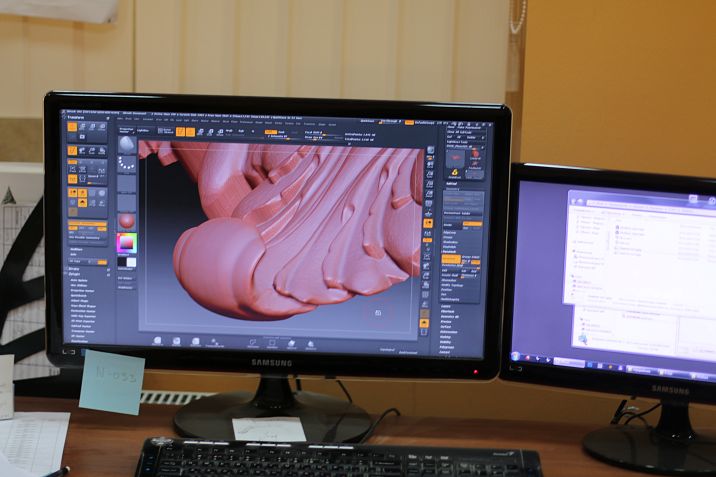
Innovative solutions such as 3D modeling, computer-aided design, and use of ERP systems allow optimizing production processes and ensuring high accuracy at every stage. Integration of digital technologies helps reduce costs, increase productivity, and improve product quality. Do not forget that modern customers value the opportunity to see the product creation process: virtual factory tours or 3D model demonstrations can become an additional competitive advantage.
Chapter 4. Marketing Strategy and Promotion of Furniture Business
4.1. Brand Creation and Market Positioning
The success of a furniture business directly depends on a strong and recognizable brand. To achieve this, you need to develop a concept reflecting the company’s values, product quality, and unique features. Your brand should inspire trust, be associated with high quality and innovation. Here it is important:
● Define the company’s mission and vision.
● Develop a corporate style, logo, and slogan.
● Formulate a unique selling proposition (USP) that will distinguish you from competitors.
4.2. SEO and Digital Marketing
In the modern world, online promotion plays a decisive role. To attract your target audience, use modern SEO and content marketing tools. Regularly publish high-quality content on the topic offurniture business plan, link to useful resources, publish case studies and analytical reviews. This approach not only improves your website’s ranking in search engines but also helps gain trust from potential customers.
Develop an SMM (social media marketing) strategy for social networks where visual content is the main asset. Regularly post photos, video reviews, behind-the-scenes stories of product creation, and reviews from satisfied customers. Using platforms such as Instagram, Facebook, Pinterest, and TikTok will help reach a broad audience and elevate your brand to a new level.
4.3. Offline and B2B Promotion
Do not forget about traditional promotion methods: participation in trade shows, conferences, business forums, collaboration with interior designers and architectural firms. Such events allow establishing personal contact with potential partners and clients, demonstrating product quality, and discussing cooperation opportunities.
4.4. Working with Reviews and Customer Service
Customer service and working with reviews are key elements in developing a furniture business. Every customer opinion is important, as it allows improving the product and adjusting the marketing strategy. Use feedback to improve service quality, regularly conduct satisfaction surveys, organize loyalty programs, and encourage repeat purchases.
Chapter 5. Financial Planning and Investment Management
5.1. Creating a Financial Model
Financial planning is one of the most complex, yet most critical stages of creating a business. A properly constructed financial model allows forecasting revenues, controlling expenses, and calculating the break-even point. Yourfurniture business plan should include:
● Forecasted sales volumes.
● Analysis of variable and fixed costs.
● Plans for attracting investments and managing financial flows.
● Plans for attracting investments and managing financial flows.
5.2. Attracting investments and securing financing
At the start of any business, a common question arises: where to get funds for development? There are several financing options:
● Own funds and savings.
● Bank loans and equipment leasing.
● Attracting investors through venture funds or business angels.
● Government subsidies and grants for small and medium-sized businesses.
When preparing for negotiations with investors, it is important to have a clear, transparent, and well-justified plan, supported by real figures and risk analysis.
5.3. Budgeting and expense control
Organized financial planning requires regular monitoring and adjustment of the budget. It is necessary to set key performance indicators, conduct regular expense reviews, analyze investment effectiveness, and promptly respond to changes in the economic situation. Strict adherence to financial discipline will help avoid unnecessary expenses and ensure stable business development.
Chapter 6. Strategies for developing the furniture business
6.1. Short-term and long-term goals
The strategy for developing the furniture business should include both short-term and long-term goals. In the initial stages, priority is given to establishing market positions, refining production processes, and building a customer base. In the long term, it is necessary to plan for expanding the product range, entering new markets, achieving international presence, and implementing innovations.
Developing a growth strategy requires a clear understanding of the company's mission and vision, analysis of opportunities and threats, as well as continuous monitoring of market trends. Plan your business development in stages, so that each stage becomes a stepping stone for further growth.
6.2. Scaling the business
Scaling the furniture business is a process that allows expanding production, increasing market share, and enhancing brand recognition. For successful scaling, it is necessary:
● Automate production processes.
● Implement modern ERP systems for resource management.
● Expand the network of distributors and partners.
● Invest in marketing campaigns targeting new market segments.
Effective scaling requires not only technical and financial investments, but also a well-structured organizational framework capable of promptly responding to changes in demand and customer needs.
6.3. Implementing innovations
Innovative solutions are the driving force behind modern furniture business. Implementing new technologies, developing unique designs, and using modern materials not only improve product quality but also create additional value for customers. Investments in research and development (R&D) will help your business remain competitive and in demand.
Examples of innovative solutions:
● Use of eco-friendly materials and recycled components.
● Integration of "smart home" technologies into furniture items.
● Development of modular systems that allow easy adaptation of furniture to different needs.
● Implementation of digital platforms for customizing orders, where the customer can independently create a product design using interactive tools.
Entering international markets opens new horizons for the furniture business. For successful expansion, it is necessary to adapt products to foreign market requirements, study local trends, and establish partnerships with distributors in other countries. International development also requires knowledge of regulatory and certification requirements, which will help gain trust from overseas clients.
Chapter 7. Legal and Organizational Aspects
Chapter 7. Legal and Organizational Aspects
Chapter 7.1. Registration and Licensing
Proper business structuring is a mandatory step to ensure its legality and protect the entrepreneur's interests. For the furniture business, it is important:
● Register the business in accordance with legislation.
● Obtain all necessary licenses and permits.
● Ensure product certification according to international and domestic standards.
Legal expertise will help avoid numerous future problems related to tax audits, disputes with suppliers and clients.
Chapter 7.2. Intellectual Property
Protection of intellectual property is an important aspect, especially if you plan to implement innovative solutions or develop unique designs. Patenting new technologies, registering trademarks, and securing copyrights will help protect your developments from being copied by competitors and maintain a competitive advantage.
Chapter 7.3. Organizational Structure and Personnel Management
To successfully develop the furniture business, it is necessary to create a sound organizational structure. This includes:
● Forming a management team capable of making timely decisions.
● Hiring qualified personnel for production, sales, marketing, and customer support departments.
● Organizing a system of employee motivation and training.
Smooth team operation becomes a guarantee not only of high-quality production, but also of overall business success.
Chapter 8. Risks and Ways to Minimize Them
Chapter 8.1. Risk Analysis
Like any business, the furniture industry faces various risks: economic, production, market, and technological. A key stage in developing a business plan is analyzing potential threats. Identify:
● Potential problems with raw material supply.
● Risks associated with currency exchange rate fluctuations.
● Possible changes in legislation.
● Competitive threats and changes in consumer preferences.
Chapter 8.2. Risk Minimization Strategies
To successfully develop the furniture business, it is necessary to develop a risk minimization strategy:
● Diversify supply sources and enter into long-term contracts with verified suppliers.
● Use insurance to protect against unforeseen losses.
● Implement quality control systems and promptly respond to customer feedback.
● Regularly update financial models and adjust the development strategy based on market changes.
Chapter 9. Examples of Successful Cases and Practical Recommendations
9.1. Success Stories
Let us consider several examples of successful furniture business development that can serve as a source of inspiration:
Case 1: Traditions with Innovations
A small workshop specializing in exclusive wooden furniture managed to integrate traditional craftsmanship methods with modern 3D modeling technologies. The result was a unique product that received recognition not only in the local market but also abroad.
Case 2: Environmental Responsibility
A young entrepreneur decided to focus on using eco-friendly materials and recycled components. Thanks to an innovative approach and active work on social networks, his brand gained the trust of an audience oriented toward sustainable development and became a leader in the segment of eco-friendly furniture.
Case 3: Scaling Through Digitization
A company that started as a small manufacturer successfully scaled up thanks to the implementation of ERP systems and an active digital marketing strategy. Transparency of processes, prompt response to customer requests, and efficient resource management enabled it to reach an international level.
9.2. Practical Advice from Experts
- Develop a clear strategy:
Yourfurniture business plan should not be just a document, but a living tool that can be adjusted depending on market changes. - Invest in technology:
Do not be afraid to implement innovations — automation, digital management tools, and modern marketing strategies will help reduce costs and improve product quality. - Follow trends:
Regularly analyze the market, stay updated on new technologies, changes in consumer behavior, and work on improving your product. - Create a strong brand:
Your brand is the face of your company. Develop it by investing in quality design, thoughtful marketing, and high-level customer service. - Be flexible:
Changing market conditions require prompt responses. Prepare contingency plans, adjust your strategy, and do not be afraid to experiment. - Build partnerships:
Cooperation with suppliers, designers, marketing agencies, and logistics operators will help you significantly reduce operational risks and optimize business processes.
Chapter 10. Prospects for the Furniture Business
10.1. Current Trends and Forecasts
The future of the furniture business is linked to the continuous adoption of innovative technologies and changing consumer preferences. Key trends that will shape the industry’s development in the coming years:
● Integration of smart home technologies: furniture equipped with sensors, automated control systems, and the ability to integrate with other devices is becoming increasingly popular.
● Environmental sustainability: use of natural and recycled materials, waste minimization, and care for the environment are becoming key criteria for product selection.
● Personalization and customization: modern consumers want to see unique solutions tailored to their individual needs. The ability to order furniture with a unique design becomes a significant competitive advantage.
● Digital sales: online stores, virtual showrooms, and active use of social networks allow brands not only to sell products but also to build an emotional connection with customers.
Entering international markets is an opportunity for the furniture business to significantly expand its audience and increase sales volume. For successful expansion, it is necessary to consider local specifics, adapt products to cultural and climatic requirements, and comply with all regulatory requirements of foreign countries.
Entering international markets is an opportunity for the furniture business to significantly expand its audience and increase sales volume. For successful expansion, it is necessary to consider local specifics, adapt products to cultural and climatic requirements, and comply with all regulatory requirements of foreign countries.
10.3. Development through partnership and franchising
Another effective way of development is franchising and strategic partnerships. Transferring the business model to trusted partners allows for rapid expansion of the sales network without significant investments in opening new production facilities.
10.4. Investments in research projects
Innovative research and development (R&D) not only improves product quality but also creates new furniture categories that meet the most modern market requirements. Continuous investment in R&D becomes a guarantee of sustainable development and competitive advantage.
Conclusion
In summary, it should be noted that creating and developing a successful furniture business requires a comprehensive approach, deep analysis, strategic planning, and readiness for constant changes. Yourfurniture business plan should become a solid foundation for making correct management decisions, while the strategyfor developing the furniture business — a dynamic tool capable of adapting to new challenges and opportunities.
The path to success is never easy—it requires courage, boldness, a creative approach, and discipline. However, armed with knowledge, experience, and a clear strategy, you will not only conquer the market but also create a brand that becomes a benchmark for quality and innovation.
I urge you not to fear experimenting, learning from your mistakes, and continuously refining your approaches. Use all modern tools, whether digital marketing, ERP systems, or innovative production technologies, to create a competitive advantage and ensure stable development of your business.
Every successful story begins with an idea, a bold decision, and perseverance. May this guide become your reliable compass in the world of the furniture business, help you avoid typical mistakes, and direct your efforts toward outstanding results.
Now more than ever, the furniture business represents a unique opportunity for those ready to keep pace with time, combine tradition and innovation, create quality products, and win consumer trust. May your business become a project that not only generates profit but also leaves a significant mark on the industry, contributing to market development and improving people's quality of life.
Wishing you creative victories, steady growth, and boundless success in your venture. Remember: every great business begins with a clear plan, an ambitious idea, and an unwavering pursuit of perfection. Good luck to you and until we meet again in the world of entrepreneurship and innovation!