Article Contents:
- Composition of the bio-polymer and applicable standards
- Base composition of the bio-polymer
- What is NOT in the composition
- Applicable safety standards
- Production quality control
- Flammability classes and fire safety
- Flammability classes: what the letters mean
- Flammability class of the bio-polymer Hi Wood
- Fire-retardant mechanism
- Toxicity of combustion products
- Practical recommendations
- Emissions of volatile organic compounds (VOCs)
- Sources of VOCs in building materials
- Level of VOCs in the bio-polymer Hi Wood
- Odorless
- Emission dynamics over time
- Effect of temperature on emissions
- Safety in children's rooms
- Hypoallergenicity of the bio-polymer
- Absence of fine particles and dust
- Mechanical safety
- Antibacterial Properties
- Pediatricians' recommendations
- What parents say
- Certification: safety guarantees
- Korea Eco-Label: gold standard
- European certifications
- Russian certifications
- How to verify certification authenticity
- Periodic confirmation
- Waste Management: Closed Ecological Cycle
- Ecological production
- Recycling Opportunities
- Waste Management in Daily Life
- Biodegradability
- Ecological Balance
- Practical Recommendations for Safe Use
- Installation: Minimizing Impact
- Operation: Maximum Benefit
- Special Cases
- FAQ: Safety Questions
- Advantages of Purchasing Through STAVROS
- Conclusion

In today's world, questions of safety and ecological soundness of building materials are paramount. We spend 80-90% of our time indoors, and air quality directly affects health, well-being, and productivity. Safety of materials is especially critical in children's rooms, bedrooms, and spaces where allergy sufferers or individuals with sensitive respiratory systems are present.
Odorless Phytopolymer Skirting Boardfrom STAVROS's partner - manufacturer Hi Wood - is a modern material developed in accordance with the strictest ecological requirements. The Korea Eco-Label A+ certification confirms that the material is safe for humans and the environment at all stages of its life cycle - from production to disposal.
In this article, we will thoroughly examine the composition of the phytopolymer and the safety standards applied, evaluate the fire resistance class and fire safety, analyze volatile organic compound emissions, consider the specifics of use in children's rooms, study the certification system, and address questions of eco-friendly disposal. Residents of Moscow, the Moscow Region, Saint Petersburg, and Leningrad Oblast can obtain full documentation on the safety of Hi Wood products through STAVROS's official partner.


Composition of Phytopolymer and Applied Standards
Understanding the composition of the material is the first step toward assessing its safety. Phytopolymer is not merely a marketing term, but a technically grounded composition of materials.




Basic Composition of Phytopolymer
Phytopolymer Hi Wood consists of three main components: polyurethane matrix (60-65% by mass), natural plant fillers (30-35%), and functional additives (5-8%).
The polyurethane matrix provides strength, elasticity, and moldability of the material. It uses medical-grade polyurethane based on diisocyanates, fully polymerized - after curing, it is chemically inert and does not emit toxic substances. This is the same polyurethane used in medical implants, indicating its biological safety.
Plant-based fillers - ground wood fibers, cellulose, starch - increase material density (up to 680 kg/m³ compared to 400-500 kg/m³ for standard polyurethane), improve thermal insulation properties, and make the material more eco-friendly. These are natural, renewable components that do not cause allergies.
Functional additives include UV stabilizers (protection against sun fading), flame retardants (reduced flammability), and antiseptics (protection against mold and fungi). Only certified additives approved for use in residential spaces are used.
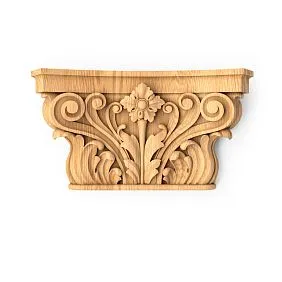
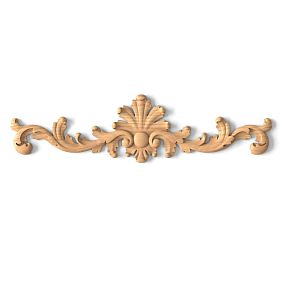
Our factory also produces:




What is NOT in the Composition
It is important not only what is included in the composition, but also what is not. Phytopolymer Hi Wood does not contain:
-
Formaldehyde and methanol - toxic substances present in MDF, particleboard, and some types of insulation materials
-
Heavy metals (lead, cadmium, mercury) - used as stabilizers in cheap plastics
-
Phthalates - plasticizers suspected of being carcinogenic, used in PVC
-
Halogen compounds (chlorine, bromine) - present in PVC and some older-generation flame retardants
-
Asbestos - a carcinogenic mineral still used in some construction materials
The absence of these substances is confirmed by chemical analyses conducted by independent laboratories.
Get Consultation
Applied Safety Standards
Hi Wood products comply with the following standards:
Korea Eco-Label (Class A+) — the highest degree of ecological safety according to the Korean certification system, one of the strictest in the world. This certificate confirms minimal VOC emissions, absence of toxic components, and safety during use.
EN 13501-1 — European standard for fire safety of building materials. Defines flammability class, smoke production, and emission of burning droplets.
ISO 16000 — international standard for determining volatile organic compounds (VOCs) in materials and indoor air.
SanPiN 2.1.3684-21 (Russia) — sanitary rules and safety norms for building and finishing materials in residential premises. Fitopolymer fully complies with Russian requirements.
Quality control during production
Hi Wood applies a multi-stage safety control system:
Incoming raw material inspection — verification of certificates for all components, random batch analyses to confirm compliance with declared composition.
Production process control — monitoring of temperature, pressure, and polymerization time. Deviations from the technology may result in incomplete polymerization and emission of residual monomers.
Outgoing product inspection — checking each batch for density, strength, and absence of defects. Random samples undergo full chemical analysis.
Periodic tests in independent laboratories — product is tested annually in accredited laboratories to confirm stability of quality and safety.
Flammability classes and fire safety
Fire safety is a critical aspect when selecting finishing materials. Statistics show that 70% of fire-related deaths are caused not by fire itself, but by toxic fumes from burning plastics.
Flammability classes: what the letters mean
According to the European standard EN 13501-1, building materials are classified by flammability from A1 (non-combustible) to F (highly flammable).
Class A1, A2 — non-combustible materials (stone, metal, glass, concrete). Decorative polymer profiles cannot achieve this class by definition.
Class B — difficult-to-ignite materials with very limited contribution to fire. Achieved through special flame retardants in the composition.
Class C — materials with limited flammability. Ignite upon direct contact with flame, but do not sustain combustion after removal of the ignition source.
Class D — materials of medium flammability. Burn upon contact with flame and may sustain combustion for some time.
Class E — easily ignitable materials.
Class F — materials that have not passed testing or have not been classified.
Flammability class of Hi Wood's fitopolymer
Fire-resistant cornice made of fitopolymerHi Wood has a flammability class of B-s2, d0 according to EN 13501-1. Breakdown:
B — difficult-to-ignite material with very limited contribution to fire development. This is one of the best indicators for polymer materials.
s2 — moderate smoke production. Scale from s1 (minimal smoke) to s3 (significant smoke). Level s2 is acceptable for residential premises.
d0 — absence of burning droplets/particles. The material does not produce burning droplets that could spread fire to other surfaces.
For comparison:
-
Standard polyurethane without flame retardants: Class E (easily ignitable)
-
PVC: Class D-s2, d0 (worse than fitopolymer in terms of flammability)
-
MDF: class D-s2, d2 (worse in all parameters)
-
Unprocessed wood: class E-F
Fire-retardant mechanism
High flame resistance of the bio-polymer is achieved due to special flame retardants in its composition. Hi Wood uses halogen-free flame retardants of the new generation based on phosphorus-containing compounds.
When heated, flame retardants decompose to form a non-flammable protective layer on the material's surface. This layer prevents oxygen from reaching the polymer matrix, slowing combustion. Simultaneously, water (from the flame retardant composition) is released, cooling the material.
Important: flame retardants do not make the material completely non-flammable. When directly and continuously exposed to fire, the bio-polymer will burn. However, the flame spread rate is 3-5 times lower than in unprocessed polymers, providing critically important evacuation time.
Toxicity of combustion products
Any polymer releases toxic substances when burning. Critically important is which specific substances and in what quantities. The bio-polymer Hi Wood releases the following when burning:
-
Carbon dioxide (CO2) - main product of organic combustion, relatively safe in the first minutes
-
Carbon monoxide (CO) - toxic, but concentration is 2-3 times lower than when burning wood
-
Water vapor (H2O)
-
Small amounts of aromatic hydrocarbons
The bio-polymer does NOT release the following when burning:
-
Hydrogen chloride (HCl) - corrosive gas released by PVC
-
Cyanides - strong poisons released when burning certain plastics
-
Dioxins - carcinogens formed when burning PVC
The toxicity index of combustion products of the bio-polymer Hi Wood - HCl 25 (conditionally hazardous), which meets requirements for residential premises.
Practical Recommendations
Under normal conditions: bio-polymer profiles are completely fire-safe. They do not ignite from cigarettes, candles, fireworks, or electrical sparks.
In case of fire: class B profiles do not contribute to fire spread. They will ignite only upon direct contact with flame and will extinguish when the fire source is removed.
For maximum safety: install smoke detectors and fire extinguishers in rooms. Bio-polymer is safer than most alternatives, but does not replace fire safety systems.
Emissions of volatile organic compounds (VOCs)
VOCs - volatile organic compounds capable of evaporating at room temperature and polluting indoor air. Prolonged exposure to VOCs may cause headaches, fatigue, allergic reactions, and in severe cases - liver and nervous system damage.
Sources of VOCs in building materials
Residual monomers - unreacted polymer components. During incomplete polymerization, some monomers remain in the material and slowly evaporate.
Solvents - used in the production of some materials, may remain as traces.
Plasticizers - additives to provide flexibility to plastics, which evaporate over time (especially phthalates in PVC).
Formaldehyde - used in the production of MDF, particleboard, and plywood, slowly released over years.
Styrene - component of some polymers, has a characteristic unpleasant odor.
Level of VOCs in Hi Wood bio-polymer
According to ISO 16000 tests, the total VOC (TVOC) emission from Hi Wood bio-polymer is less than 0.1 mg/m³ at 23°C after 72 hours of installation. This is 3-10 times lower than regulatory limits:
-
Residential space standard (Russia): 0.4 mg/m³
-
Finland M1 standard (one of the strictest): 0.2 mg/m³
-
Korea Eco-Label A+ standard: 0.15 mg/m³
For comparison, typical TVOC levels:
-
E1 grade MDF: 0.3–0.6 mg/m³
-
PVC with plasticizers: 0.4–0.8 mg/m³
-
Regular polyurethane: 0.2–0.4 mg/m³
-
Fitopolymer Hi Wood: less than 0.1 mg/m³
Odor-free
Odorless Phytopolymer Skirting Board— not a marketing claim, but a verified characteristic. When unpacking fresh profiles, a slight neutral polymer odor may be perceived, which completely disappears within 2–4 hours of airing.
For comparison:
-
MDF has a characteristic formaldehyde odor, especially noticeable upon unpacking
-
PVC smells like plastic (phthalate odor), intensifies with heating
-
Regular polyurethane has a chemical odor that persists for several days
The odor-free nature of fitopolymer is due to complete polymerization — the material contains no free monomers or solvents that could evaporate.
Emission dynamics over time
It is critically important how VOC emissions change over time. For some materials, emissions remain high for years (formaldehyde from MDF, phthalates from PVC).
Fitopolymer Hi Wood:
-
0–24 hours after installation: 0.15–0.2 mg/m³ (light traces from manufacturing process)
-
72 hours: less than 0.1 mg/m³
-
1 week and beyond: less than 0.05 mg/m³ (background level, indistinguishable from clean air)
Emissions rapidly decrease and stabilize at a minimal level. After one week of installation, profiles are completely neutral.
Effect of temperature on emissions
When heated, VOC emissions from most materials increase. This is critical for skirting boards near radiators and sun-facing cornices.
Tests showed that even when heated to 50°C (temperature on sunlit windows), VOC emissions from fitopolymer remain below 0.15 mg/m³ — within the strictest standards. The material is thermally stable and does not degrade at operating temperatures.
Safety in children’s rooms
Children’s rooms impose the highest safety requirements on materials. A child’s body is more sensitive to toxins, the immune system is less developed, and the risk of allergies is higher.
Hypoallergenicity of fitopolymer
Fitopolymer moldingis a hypoallergenic material. This is confirmed by dermatological tests according to ISO 10993-10 (biological evaluation of medical devices).
Material does not contain:
-
Latex (common allergen)
-
Formaldehyde (allergen and irritant)
-
Phthalates (endocrine disruptors)
-
Heavy metals
-
Aromatic hydrocarbons
Polyurethane polymer is chemically inert - it does not react with other substances and does not release allergenic compounds. Plant-based fillers - cellulose, wood fibers - are also hypoallergenic.
Over 15+ years of using Hi Wood phytopolymer, no case of allergic reaction to the material has been recorded. This speaks to its exceptional safety.
No fine particles or dust
Some materials (MDF, gypsum) produce fine dust upon mechanical impact, which may cause respiratory problems in children. Phytopolymer does not produce dust - it forms large sawdust particles easily removable with a vacuum cleaner.
Profile surfaces are dense, do not flake, and do not produce micro-particles during use. This is important for children prone to asthma or bronchitis.
Mechanical safety
Children actively interact with surrounding objects - touching, hitting, chewing (in early age). Phytopolymer is safe under such contact:
-
Contains no toxic surface coatings - even if a child licks the profile, it is safe
-
Does not produce sharp fragments - upon accidental damage, it does not form sharp edges like glass or ceramic
-
Elastic - does not crack upon impact, absorbs impact energy
-
Smooth surface - no splinters like wood, no sharp edges like cheap plastic
Antibacterial properties
Hi Wood phytopolymer contains antimicrobial additives that prevent the growth of bacteria, mold, and fungi on the surface. This is especially important in children's rooms where hygiene is critical.
Tests showed that bacteria (Escherichia coli, Staphylococcus aureus) do not multiply on the phytopolymer surface within 24 hours, even under favorable conditions (warmth, humidity). For comparison, on untreated wood or MDF, bacterial count increases 100-1000 times within 24 hours.
Pediatricians' recommendations
Leading pediatricians recommend using materials with environmental safety certifications for children's rooms. Hi Wood phytopolymer with Korea Eco-Label A+ certification fully meets these requirements.
Studies show that replacing materials with high VOC levels in children's rooms with eco-friendly alternatives reduces respiratory illness frequency by 30-40%, improves sleep and overall well-being of children.
What parents say
Parents who installed phytopolymer profiles in children's rooms are unanimous: no odor, no allergic reactions, the material withstands children's activity without damage. Many note that after replacing MDF baseboards with phytopolymer, the characteristic chemical smell previously present in the room disappeared.
Certification: safety guarantees
Certifications are not just paper - they are independent laboratory confirmation that the material meets stated safety characteristics.
Korea Eco-Label: gold standard
Certification of phytopolymer decorHi Wood includes the prestigious Korea Eco-Label A+ certification. This is the highest level of environmental safety in the Korean system, one of the strictest in the world.
To obtain this certification, the material undergoes testing on over 40 parameters:
-
VOC emissions (8 categories of substances)
-
Formaldehyde Emission
-
Heavy Metals Content
-
Radioactivity
-
Biological Safety
-
Fire Safety
-
Durability and Stability of Properties
Class A+ means the material exceeds basic requirements in all parameters. Only 5-7% of materials on the market reach this level.
European Certificates
Hi Wood products have a CE (Conformité Européenne) certificate, confirming compliance with European directives:
-
EN 13501-1 - Fire Safety (Class B-s2, d0)
-
EN 15102 - Decorative Wall Coverings (Mechanical Properties, Durability)
-
EN ISO 16000 - VOC Emission
CE marking is mandatory for sale in EU countries and guarantees high safety standards.
Russian Certificates
For the Russian market, the product has:
Declaration of Conformity TR CU 025/2012 "On Safety of Furniture Products" - Technical Regulation of the Customs Union, establishing requirements for product safety.
Test protocols from accredited Russian laboratories for:
-
Sanitary-chemical indicators (SanPiN 2.1.3684-21)
-
Fire safety (NПБ 244-97)
-
Mechanical properties
All products supplied by STAVROS to Moscow, Moscow Oblast, Saint Petersburg, and Leningrad Oblast have a complete set of Russian regulatory documents.
How to verify certificate authenticity
Unfortunately, counterfeit certificates are encountered on the market. Authenticity can be verified:
-
Certificate number must be unique and verifiable on the issuing organization's website
-
Holograms and security features on originals
-
Test protocols - the certificate must be accompanied by laboratory test protocols with seals and signatures
-
Request from the seller - an official partner will provide certified copies of all certificates
STAVROS, as an official Hi Wood partner, guarantees the authenticity of all documentation and provides certificate copies upon customer request.
Periodic Confirmation
Certificates have an expiration date (usually 3-5 years) and require periodic confirmation. Hi Wood regularly undergoes re-certification, confirming the stability of product quality and safety.
The last recertification of Korea Eco-Label was conducted in 2024 - all parameters confirmed, class A+ retained.
Waste Management: Closed ecological cycle
Material eco-friendliness is assessed not only by safety during use, but also by its environmental impact during production and disposal.
Ecological production
The production of Hi Wood biopolymer is carried out at facilities compliant with ISO 14001 (Environmental Management) standard. This means:
-
Minimization of production waste (technological losses less than 3%)
-
Closed water circulation cycle (purification and reuse of water)
-
Energy-efficient equipment (40% less energy consumption compared to analogs)
-
Industrial emissions filtration (compliance with air quality standards)
The carbon footprint of biopolymer production is 30-40% lower than that of conventional polyurethane, thanks to the use of renewable plant-based components instead of some petroleum-based products.
Recycling possibilities
Thermoplastic polymers (PVC, polyethylene) are easily recyclable - they melt and can be reshaped. Thermosetting polymers (polyurethane, including biopolymer) do not melt after curing, which complicates recycling.
However, there are recycling technologies for biopolymer:
Mechanical recycling - grinding into granules and using as filler for new products. Biopolymer granules are used in the production of composite materials and soundproof panels.
Chemical recycling (glycolysis) - breaking down polyurethane back into original components (polyols) using chemical reagents. Obtained polyols are used for producing new polyurethane. The technology is expensive and is used by large-scale recyclers.
Energy recovery - incineration with heat recovery. Biopolymer has high calorific value (close to coal) and can be used as fuel at modern waste incineration plants with filters.
Waste disposal in household settings
When removing old biopolymer profiles, owners have several options:
Transfer to secondary recycling - in major cities (Moscow, St. Petersburg) there are collection points for polymer waste. Biopolymer is accepted as polyurethane.
Delivery to construction waste collection points - profiles will be sorted, potentially for recycling or energy recovery.
Disposal with municipal solid waste - if other options are unavailable. Biopolymer is safe on landfills - does not emit toxic substances and does not contaminate groundwater (unlike PVC).
Secondary use - removed profiles in good condition can be used in utility buildings, garages, workshops.
Biodegradability
Fully biodegradable polymer profiles with required mechanical properties do not yet exist. Biopolymer, like other polyurethanes, degrades in nature very slowly (tens to hundreds of years).
However, the presence of 30-35% plant-based components makes biopolymer partially biodegradable. Cellulose and wood fibers degrade over time by microorganisms, while the polyurethane matrix slowly oxidizes and fragments.
For comparison:
-
PVC: practically does not degrade, releases toxins during decomposition
-
MDF: degrades over 10-20 years, but releases formaldehyde
-
Biopolymer: partially degrades over 50-100 years without toxic emissions
Ecological balance
When assessing eco-friendliness, it is important to consider the entire life cycle. Biopolymer profiles last 40-50 years - during this time, MDF will require replacement 3-4 times, PVC - 4-5 times. Each replacement entails:
-
Production of new profiles (resources, energy, emissions)
-
Delivery
-
Demolition and removal of old
-
Waste disposal
Over 50 years, the environmental impact of the bio-polymer is 2-3 times lower than that of short-lived alternatives. Durability is the main contribution to its eco-friendliness.
Practical recommendations for safe use
Installation: Minimizing impact
Ventilation: After installing profiles, ventilate the room for 24-48 hours. Although the bio-polymer practically does not emit VOCs, ventilation will remove any traces of glue or paint.
Adhesives: Use water-based or low-solvent adhesives (EC1 or EC1 Plus marking). They are safer than traditional adhesives.
Paints: For painting, choose water-based latex or acrylic paints with a safety certificate. They are odorless, dry quickly, and are safe.
Protection during installation: When cutting profiles, use an FFP1-class respirator—not because the material is hazardous, but to protect against any dust.
Operation: Maximum benefit
Regular cleaning: Removing dust from profiles every 2-3 weeks maintains room hygiene. Use a dry cloth or vacuum cleaner with a soft brush attachment.
Wet cleaning: Every 2-3 months, wipe profiles with a slightly damp cloth using neutral detergent. This removes grease and allergens.
Prevent mold: In rooms with high humidity, ensure good ventilation. Although the bio-polymer is resistant to mold, mold may develop on contaminated surfaces.
Special cases
Allergies: Even for people with multiple allergies, the bio-polymer is safe. If in doubt, ask the seller for a profile sample, keep it at home for several days—to confirm no reaction occurs.
Asthmatics: The bio-polymer does not emit irritants and does not produce dust—safe for asthmatics. More importantly, ensure general air cleanliness in the room—regular ventilation and absence of dust.
Pregnancy: No restrictions. The bio-polymer is safe for pregnant women and the fetus due to the absence of toxic emissions.
Newborns: Can be installed in rooms for newborns. It is recommended to install 1-2 weeks before the baby’s birth to allow sufficient time for complete ventilation of glue and paint.
FAQ: Safety questions
Is it true that 'polyurethane = toxic plastic'?
No, it's a myth. Unreacted components of polyurethane (isocyanates) are toxic, but in the cured material, they are absent—they have fully reacted. Medical implants are made from the same polyurethane.
Can the bio-polymer emit formaldehyde?
No. The bio-polymer does not contain formaldehyde or its derivatives. Formaldehyde is present in MDF, particleboard, and plywood, but not in polyurethane materials.
Is the bio-polymer safe for people with chemical sensitivity?
Yes, due to minimal VOC emissions (less than 0.1 mg/m³), the bio-polymer is suitable even for people with multiple chemical sensitivities (MCS).
What happens in case of fire—do toxic substances emit?
During combustion, CO2, CO, water vapor, and a small amount of aromatic hydrocarbons are released. This is less toxic than combustion products of PVC, wood, or MDF. Class B-s2, d0 guarantees a limited contribution to fire development.
Is special permission required for installation in a kindergarten or school?
No special permissions are required. Possession of Korea Eco-Label A+, CE, and Russian certification documents is sufficient for use in any premises, including childcare facilities.
Can it be installed in an apartment with pets?
Yes, the phytopolymer is safe for animals. It does not emit substances harmful to cats, dogs, rodents, or birds. The material's durability protects profiles from damage by claws and teeth.
How long does the material's eco-friendliness last?
The phytopolymer does not degrade over time and does not start emitting toxins after years of use (unlike some materials). Ecological safety is maintained throughout the entire service life — 40-50+ years.
Is there a risk of getting a counterfeit when purchasing online?
When purchasing through an official STAVROS partner, the risk is eliminated — supplies come directly from the Hi Wood manufacturer. When purchasing from unknown sellers, request certificates and verify the numbers.
Advantages of purchasing through STAVROS
STAVROS, as the official Hi Wood partner in Moscow, the Moscow region, Saint Petersburg, and Leningrad region, guarantees:
Product authenticity — direct shipments from the manufacturer eliminate counterfeits. Each batch is accompanied by certificates of quality and safety.
Complete set of documents — provision of notarized copies of all certificates (Korea Eco-Label, CE, Russian permits, test protocols) upon customer request.
Safety consultations — STAVROS specialists will answer any questions about the material's composition, safety in specific conditions (children's rooms, allergy sufferers, asthmatics).
Recommendations for safe adhesives and paints — selection of compatible materials with low VOC levels, compatible with phytopolymer.
Quality guarantee — 25 years on maintaining the material's physical and ecological properties. In case of non-conformity, free replacement.
Informational support — provision of up-to-date safety passports, technical descriptions, installation and usage recommendations.
Conclusion
Safety and ecology are not secondary characteristics, but the foundation for choosing materials for the home.Odorless Phytopolymer Skirting Board, Fire-resistant cornice made of fitopolymerclass B-s2, d0,Fitopolymer moldingwith minimal VOC emissions — these are materials created with care for human health and the environment.
Certification of phytopolymer decorHi Wood meets the highest international standards (Korea Eco-Label A+, CE, Russian SanPiN), confirming safety at all stages of the life cycle — from production to disposal. Hypoallergenicity, absence of toxic emissions, fire safety make phytopolymer the optimal choice for residential spaces, especially children's rooms.
Choosing phytopolymer profiles from Hi Wood through the official STAVROS partner in Moscow, the Moscow region, Saint Petersburg, and Leningrad region, you get not just high-quality decor, but also a guarantee of safety for yourself, your family, and future generations. Invest in materials that care for your health and preserve nature — choose certified phytopolymer from reputable manufacturers.