Article Contents:
- Historical evolution of stucco art
- Material innovations of the modern era
- Technological processes of creating perfection
- Stylistic typology of three-dimensional decoration
- Functional capabilities in architectural space
- Artistic techniques and execution methods
- Color solutions and decorative effects
- Integration of lighting into stucco compositions
- Installation Technologies and Fastening Systems
- Economic aspects of stucco decoration
- Care and preservation of artistic value
- Russian traditions of wooden architecture
- Prospects for the development of stucco art
- Conclusion
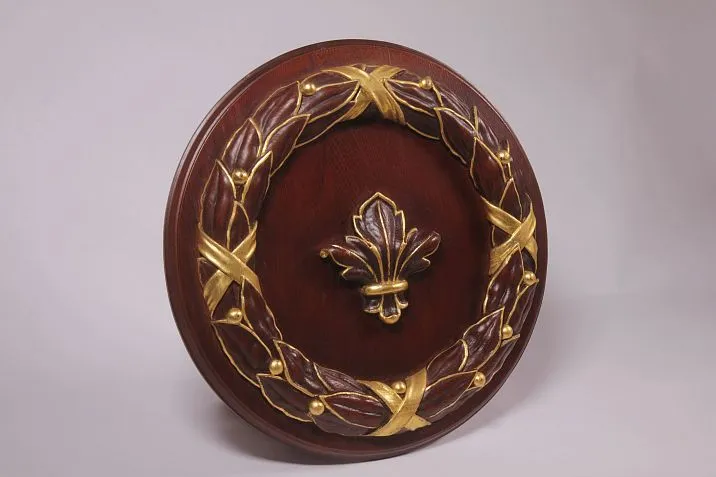
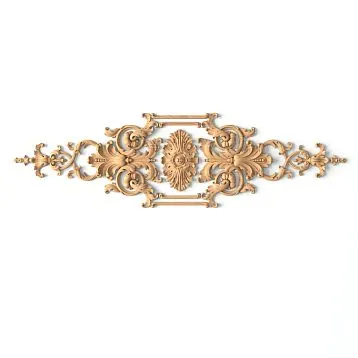
The art of three-dimensional decoration is experiencing a true renaissance in the era of individualized living space. Relief stucco It represents an exquisite combination of sculptural craftsmanship and architectural solutions, capable of radically transforming any interior. This ancient form of decorative art has found new life thanks to modern materials and innovative production technologies, opening up boundless opportunities for designers and property owners to create unique spaces.
In the world of mass production and standardized solutions, stucco decoration has become a symbol of exclusivity, reflecting refined taste and cultural level of the owner. Each element carries deep artistic meaning, creating a unique atmosphere of aristocracy and sophistication.


Historical evolution of stucco art
A journey through centuries reveals the remarkable evolution of relief craftsmanship. Ancient civilizations laid the foundations that continue to inspire modern masters.
Ancient heritage gifted the world with perfection of proportions and harmony of forms. Greek temples and Roman palaces demonstrated virtuosity in three-dimensional plastic techniques, where each element adhered to strict mathematical laws of beauty. Corinthian capitals with acanthus leaves, friezes depicting mythological scenes, medallions with portraits — all this created a unified artistic system that continues to influence architecture to this day.
Byzantine traditions brought spirituality and symbolism into stucco art. Christian motifs, stylized plant ornaments, geometric patterns created a unique sacred atmosphere. Byzantine masters developed unique techniques for creating multi-layered compositions, where each level of relief carried a specific semantic load.
The Gothic period revolutionized the approach to three-dimensional decoration. The upward striving characteristic of Gothic architecture found expression in vertically oriented stucco compositions. Stone carving reached unprecedented delicacy and complexity, turning cathedrals into stone books telling biblical stories.
The Renaissance became the golden age of relief art. The revival of ancient ideals combined with Christian symbolism, creating works of unparalleled beauty. Florentine masters achieved such perfection in technique that their works remain benchmarks of artistic craftsmanship to this day.




Material innovations of the modern era
A revolution in materials science has fundamentally changed the possibilities for creating stucco decoration. Modern composites surpass traditional materials in all parameters — from durability to artistic potential.
High-tech polyurethane represents a breakthrough in the production of decorative elements. Material with density of 200-400 kg/m³ ensures perfect reproduction of the finest details at minimal weight of the finished product. The unique molecular structure of the polymer allows creating items with wall thickness from 2 mm to 200 mm, opening boundless opportunities for architectural creativity.
Nanocomposite additives impart fantastic properties to modern materials. Titanium dioxide provides self-cleaning surfaces under ultraviolet exposure, silver nanoparticles create antibacterial protection, fullerenes increase strength by dozens of times. These innovations make stucco decoration not only beautiful, but also a functional interior element.
Thermally stable compositions withstand extreme temperature loads from -60°C to +120°C without deformation or cracking. This is especially important for Russian climatic conditions, where daily and seasonal temperature fluctuations may reach critical levels.
Ecological safety of modern materials is confirmed by international ISO 14001 and GREENGUARD certifications. Absence of formaldehyde, heavy metals, volatile organic compounds makes polyurethane stucco safe for use in children's and medical facilities.
Our factory also produces:


Technological Processes of Creating Perfection
Behind every outstanding work of stucco art stand hours of meticulous craftsmanship and precise technological processes. Modern relief production combines centuries-old traditions of handcraftsmanship with high-precision computer equipment.
Conceptual development begins with a deep analysis of architectural space and stylistic requirements of the project. Designers study room proportions, lighting characteristics, interior color palette, creating a concept where each element of stucco decoration seamlessly integrates into the overall composition.
Three-dimensional modeling in specialized programs allows creating virtual models of any complexity. Modern systems ensure modeling accuracy down to 0.01 mm, which is critically important for reproducing the finest details of classical samples or creating original works.
Prototyping using 3D printing has revolutionized the process of creating master models. High-precision printers with 25-micron resolution allow creating forms of unprecedented complexity, opening new horizons for artistic creativity.
Casting processes in vacuum chambers at 3-5 atmospheres pressure exclude the formation of pores, cavities, and other defects. Controlled temperature of 65-85°C and humidity of 45-55% provide ideal conditions for polymerization of the material.
Creation relief stucco Requires understanding of both traditional techniques and modern technological capabilities.
Get Consultation
Volumetric Decoration Stylistic Typology
The diversity of artistic styles in modern sculptural art reflects the richness of cultural traditions and current design trends. Each style offers its own understanding of beauty and methods of its embodiment in three-dimensional forms.
Neoclassicism remains the standard of aristocratic taste and intellectual refinement. Strict proportions based on the golden ratio, symmetrical compositions, traditional classical motifs create an atmosphere of eternal beauty. Ionic and Corinthian capitals, acanthus leaves, palmettes, rosettes, executed with jewel-like precision, transform ordinary walls into galleries of high art.
Baroque opulence is embodied in dynamic compositions, rich in detail and emotional expressiveness. Sinuous lines, complex ornament interweavings, theatrical effects of light and shadow create an atmosphere of luxury and grandeur. Baroque compositions with gilding are especially striking, where each element glows with its own light.
Rococo introduces playfulness and elegance into interiors. Asymmetric compositions, marine motifs — shells, pearls, coral, pastoral scenes — create an atmosphere of the Age of Gallantry. Delicate detailing, soft color solutions, use of mother-of-pearl effects make rocaille stucco especially appealing for feminine interiors.
Empire demonstrates imperial grandeur through military symbolism and triumphal motifs. Eagles with outstretched wings, laurel wreaths, fasces, military trophies create an atmosphere of victory and glory. Strict geometric compositions, monumental forms, use of contrasting color combinations emphasize the solemnity of the style.
Modernism opens new horizons of artistic expression through natural forms and organic lines. Stylized images of flowers — irises, lilies, poppies, female figures in flowing garments, abstract compositions create a poetic atmosphere full of lyricism and romance.
Functional capabilities in architectural space
Modern Relief stucco It performs multiple functions far beyond simple decoration. It becomes an active element in organizing space, solving practical design tasks, and creating a unique atmosphere.
Spatial zoning is achieved through vertical sculptural compositions that create visual boundaries between functional zones. Columns with capitals, pilasters, arched openings adorned with relief elements allow dividing an open space into private zones while preserving the sense of unity and spaciousness.
Architectural correction of proportions is achieved through the proper selection of direction and scale of sculptural elements. Vertically oriented compositions visually increase ceiling height, creating a sense of solemnity and grandeur. Horizontal friezes and borders expand narrow spaces, making them more comfortable for perception.
Masking structural flaws is an important practical function of sculptural decoration. Poorly placed beams are transformed into decorative elements with applied rosettes and ornaments. Protruding utilities are concealed behind elegant panels with relief compositions. Height variations are played up with multi-level cornices and moldings.
Acoustic optimization is achieved through the relief surface of sculptural elements, which helps in proper sound wave dispersion. This is especially important for home theaters, music rooms, and conference halls, where acoustic quality critically affects the comfort of space usage.
Climate control of modern sculptural elements includes functions of thermal regulation and moisture exchange. Special additives in the material create a microclimate conducive to maintaining optimal humidity and temperature in the room.
Artistic techniques and execution methods
The mastery of creating sculptural decoration includes numerous specialized techniques, each requiring deep knowledge and years of experience. Understanding these techniques helps assess the true value of a work and make an informed choice.
High relief or haut-relief is characterized by significant protrusion of figures above the background plane — more than half of their actual volume. This technique allows creating highly expressive, almost sculptural compositions with deep detailing and complex play of light and shadow. Haut-reliefs are especially effective under directional lighting, which emphasizes the volume of forms.
Low relief or bas-relief implies minimal protrusion of the image above the background — no more than one-third of the actual volume of figures. This technique requires special skill in conveying volume at minimal relief height. Bas-reliefs create refined tonal play and barely noticeable shadows, especially appealing under diffused lighting.
Counter-relief represents the opposite approach — the image is recessed into the material thickness, creating a "negative" volume effect. This rare technique requires special understanding of the perception of volumetric forms and masterful control of chiaroscuro modeling.
Round sculpture in sculptural decoration is presented as standalone elements — statuettes, busts, decorative figures — which are organically integrated into the overall interior composition.
Openwork carving creates transparent compositions, either fully or partially lacking a background. Such elements serve as decorative partitions, screens, or grilles, creating complex play of light and shadow in space.
Color solutions and decorative effects
Final finishing of sculptural decoration determines its final artistic impact and harmony with the overall interior style. Modern coloring technologies allow creating effects of astonishing beauty and realism.
Classic white execution emphasizes the purity of forms and perfection of proportions. White color is universal, harmoniously combines with any interior color palette, creating a sense of freshness and aristocratic refinement. Various shades of white — from warm ivory to cool Arctic — allow precisely tuning the color tone of the composition.
Patination gives sculptural decoration a noble antique appearance. The technique of artificial aging includes a multi-step process of applying special compounds that create an effect of long-term patina. Greenish patina of copper, brownish — bronze, grayish — tin create various emotional effects and historical associations.
Gilding remains the pinnacle of decorative craftsmanship. Using various karats of gold — from 12-karat to 24-karat — creates coatings of varying intensity and hues. The gilding technique requires the highest level of master’s skill and creates an effect of luxury unattainable by other finishing methods.
Silvering creates a cooler, more aristocratic atmosphere. Silver coatings are especially effective in interiors in the Art Deco or modern neoclassical styles, where the cool metal palette combines with crystal elements and mirrored surfaces.
Polychrome painting transforms sculptural decoration into works of painting. Artistic painting can be stylized, emphasizing the ornamental character of the composition, or realistic, creating an illusion of three-dimensional sculpture made of colored marble or other natural materials.
Modern Sculptural bas-reliefs offer unlimited possibilities for color solutions in any interior.
Integration of lighting into relief compositions
Proper lighting can transform sculptural decoration into a living, breathing work of art. Modern lighting technologies open new possibilities for creating dramatic effects and highlighting the artistic merits of three-dimensional compositions.
Directional accent lighting creates clear, expressive shadows that highlight every detail of the relief. The optimal lighting angle of 30–45 degrees ensures maximum form readability with minimal number of lighting fixtures. Using LED sources with adjustable color temperature allows creating various emotional effects throughout the day.
Contour backlighting transforms sculptural elements into self-illuminating objects. Hidden LED strips installed along the perimeter of panels or in recesses of the relief create an effect of internal illumination. This technique is especially effective for highlighting architectural elements — arches, niches, cornices.
Dynamic lighting with programmable controllers allows creating lighting scenarios for various occasions. Smooth intensity transitions, color temperature changes, synchronization with "smart home" systems transform static moldings into interactive artworks.
Hidden projectors create additional visual effects, projecting colorful spots, ornaments, even moving images onto relief surfaces. This technology is especially effective for thematic interiors and festive decorations.
Mounting technologies and fastening systems
Professional installation of molding decoration requires deep knowledge of construction technologies and specialized equipment. The quality of installation directly affects the durability and aesthetic qualities of decorative elements.
Foundation preparation includes careful analysis of wall load-bearing capacity, determination of construction materials, identification of hidden utilities. Modern inspection methods — ground-penetrating radar, thermal imaging, ultrasonic thickness gauges — allow obtaining a complete picture of the foundation's condition without destructive impacts.
Marking works are performed using laser levels and tacheometers, ensuring positioning accuracy of up to 1 mm per 10 meters. For complex multi-element compositions, a detailed assembly drawing to scale is created.
New-generation adhesive systems provide joint strength up to 4 MPa while maintaining joint elasticity. Two-component polyurethane adhesives compensate for thermal deformations, prevent crack formation, and ensure long-term durability of up to 30-35 years.
Mechanical fasteners are used for particularly heavy elements. Stainless steel anchor systems ensure reliable fastening under any load. Fastening elements are concealed within the molding decoration, becoming invisible after installation completion.
Joint sealing prevents moisture penetration and ensures an ideal appearance of the composition. Modern sealants retain elasticity at temperatures from -40°C to +80°C and do not change color under UV exposure.
Economic aspects of relief decoration
Investments in quality molding decoration should be considered as long-term investments in beauty, comfort, and prestige. Modern materials and technologies ensure an operational lifespan of more than 30 years without loss of aesthetic qualities.
Pricing structure includes material costs (25-35%), artist-modeler labor (30-40%), production processes (20-25%), installation and finishing (15-20%). Understanding this structure helps optimize project budgets without compromising quality.
Operational cost savings are achieved due to the longevity of modern materials. Unlike traditional finishes requiring renewal every 5-8 years, quality molding retains its original appearance for decades, significantly reducing overall property ownership costs.
Increase in property market value — a key economic effect. Unique artistic solutions increase property attractiveness by 20-35%, providing additional profit upon sale or higher rental rates.
Tax advantages in certain jurisdictions allow considering investments in artworks as tax-deductible expenses, further enhancing the economic attractiveness of molding decoration projects.
Care and preservation of artistic value
Modern molding elements require minimal maintenance due to the use of high-tech materials and coatings. Proper maintenance ensures preservation of original beauty for many decades.
Regular preventive maintenance involves gentle dust removal using specialized anti-static brushes or vacuum cleaners with adjustable power. Complex relief requires special attention to hard-to-reach areas where dirt may accumulate.
Wet cleaning is permitted only with pH-neutral cleaning agents and soft materials. Aggressive chemicals, abrasive materials, and high water pressure are strictly prohibited.
Climate control in the room contributes to maximum longevity of decorative elements. Optimal parameters: temperature 19-23°C, relative humidity 45-60%, absence of sharp fluctuations, quality ventilation without drafts.
Professional restoration, if necessary, is performed by specialists using original materials and technologies. Timely elimination of minor defects prevents development of serious damage.
Regional characteristics and cultural traditions
Different regions of the world have developed their own traditions of molding art, reflected in modern interior solutions. Understanding these features helps create works resonating with the cultural context of clients.
European traditions are based on classical heritage of antiquity and the Middle Ages. French classicism, Italian baroque, English neo-Gothic style — each direction has its distinctive features in molding decoration use. European interiors tend toward strict hierarchy of decorative elements, where each element has its place within the overall composition.
Eastern influences introduce into molding art philosophy of harmony and unity with nature. Chinese dragons, Japanese cherry blossoms, Indian lotuses create a meditative atmosphere conducive to spiritual purification and inner peace.
American pragmatism is reflected in a functional approach to molding decoration. American designers often use decorative elements to solve practical tasks — concealing utilities, improving acoustics, creating additional lighting.
Russian traditions were shaped under the influence of Byzantine heritage, European styles, and unique cultural features. Russian molding is characterized by special warmth, use of natural motifs, Orthodox symbolism, and folk ornaments.
Perspectives of stucco art development
Modern technological development opens new horizons for the evolution of molding art. Integration of digital solutions, ecological principles, and product personalization shapes the industry's future appearance.
Interactive technologies transform molding elements into components of a "smart home." Built-in motion, temperature, and humidity sensors allow creating adaptive systems that respond to human presence by adjusting lighting, color, even reproducing scents.
Biomimetic materials replicate properties of living organisms. Self-healing coatings, materials with changing properties, bioluminescent elements open fantastic possibilities for creating living decor.
Ecological innovations are becoming a priority for development. Biodegradable polymers, materials from recycled raw materials, closed-loop technologies form a new production philosophy focused on environmental preservation.
Mass production personalization reaches unprecedented levels. Artificial intelligence systems analyze client preferences, creating unique design solutions tailored to a specific individual and space.
Modern moldings become not just decorative elements, but intelligent components of living space.
Conclusion
Art relief stucco is experiencing a true renaissance in the modern world, combining centuries-old traditions with innovative technologies. Each piece becomes a unique reflection of the owner's personality, cultural level, aesthetic preferences, and life philosophy.
Modern materials and production technologies make high art accessible to a wide circle of admirers of beauty. The durability, practicality, and ecological safety of modern molded decoration combine with unparalleled aesthetic qualities, creating an optimal balance of beauty and functionality.
Investing in quality moldings is an investment in quality of life, emotional comfort, and cultural development. Artworks do not merely decorate a home — they shape worldview, cultivate artistic taste, and bring daily joy from contemplating beauty.
Choosing molded decoration for your interior means choosing not just decorative elements, but loyal companions of life who will delight you and your descendants for decades. Beauty is eternal, and properly created works of decorative art become worthy custodians of that beauty.
The future of molded art is linked to further technological development while preserving the core — the pursuit of beauty, harmony, and perfection. Each new work becomes another step on humanity’s endless journey toward creating an ideal living space.
Technological progress opens new horizons for creativity, but the one thing that remains unchanged is the desire to surround oneself with beauty, to create a space that inspires, calms, and elevates the soul. This is precisely the mission fulfilled by quality moldings in modern interiors.
STAVROS, recognized as a leading company in creating exclusive molded compositions, offers a full range of services for designing, manufacturing, and installing decorative elements of any complexity. A team of highly skilled sculptors, designers, and technicians brings the most daring creative visions to life, creating works that become true masterpieces of decorative art.
Decades of experience working with various styles and materials, deep understanding of modern design trends, use of advanced manufacturing technologies, individual approach to each project, guaranteed quality of execution — all of this makes STAVROS the ideal partner for creating unique interior solutions. From the first consultation to the grand completion of the project — every stage is accompanied by maximum professionalism and impeccable attention to detail, worthy of true works of art.