Article Contents:
- History of the emergence and development of railings in architecture
- From antiquity to the present day: evolution of railings
- Symbolic meaning of railings in various cultures
- Structural components of classical balustrade
- Technical features and construction solutions
- Technical requirements for balcony railings
- Wood: warmth and nobility of natural material
- Classic materials: stone, wood, metal
- Modern materials and technologies
- Styles and design of railings: from classicism to avant-garde
- Historical styles of railings and their distinctive features
- Modern trends in railing design
- Designing and installing railings: from concept to realization
- Stages of designing a balcony railing
- Installation technology and features of installing various types of railings
- Maintenance and restoration of railings: preserving beauty and functionality
- Regular maintenance of various types of railings
- Restoration of historical railings: methods and approaches
- Railings in modern architecture: functionality and aesthetics
- Role of railings in forming the architectural appearance of a building
- Innovative solutions and experiments with form and materials
- Economic aspects of choosing railings: cost, durability, investment attractiveness
- Comparative analysis of the cost of various types of railings
- Impact of railing quality on the overall property value
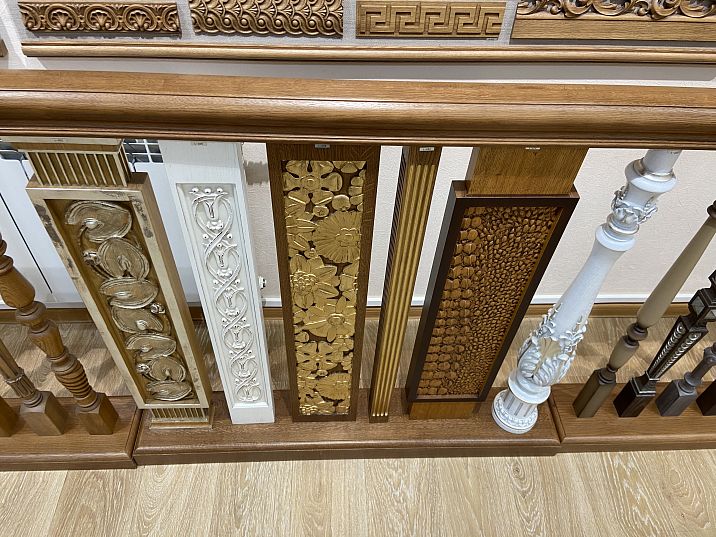
In the world of architectural elements, there are details capable of transforming the appearance of a building, giving it elegance and nobility. One such element, undoubtedly, is balcony railing a structure combining the functionality of a barrier with the aesthetic perfection of architectural decoration. This element, originating in the Renaissance era, remains relevant in modern design, bringing notes of classical elegance and aristocracy.
A railing is not just a barrier—it is the house’s calling card, reflecting the taste and status of its owner. It can radically change the perception of the facade, create a unique architectural ensemble, and highlight the building’s individuality. In this article, we will delve into the wonderful world of railings, uncovering their historical significance, technical features, materials of manufacture, and modern design trends.


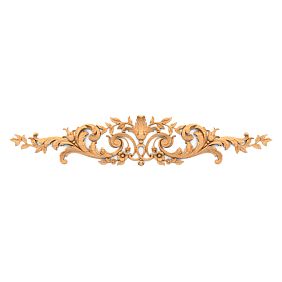

History of the emergence and development of balustrades in architecture




From antiquity to the present day: evolution of balustrades
Balustrades have a rich history dating back to ancient times. The earliest prototypes of these structures can be found in the architecture of ancient Assyria and Persia, where columns were used not only as supporting elements but also as decorative railings. However, the true heyday of balustrades came during the Renaissance in Italy in the 15th-16th centuries.
The term 'balustrade' comes from the Italian word 'balaustro', meaning 'wild pomegranate'. It was precisely the shape of the pomegranate flower that inspired architects to create the characteristic shape of balusters—the vertical elements that form the basis of balustrades. Great Renaissance masters such as Michelangelo and Palladio actively used balustrades in their architectural projects, giving them refined forms and proportions.
became an indispensable part of the lavish decorative furnishings of palaces and mansions. Masters of that time created true works of art, decorating balustrades with intricate carvings, sculptural elements, and gilding. balcony railing became even more decorative and ornate. Masters of that time created true works of art, decorating balusters with intricate carvings, floral motifs, and sculptural elements. Classicism, on the contrary, returned balustrades to strictness and simplicity of forms based on ancient models.
In the 19th century, with the development of industrial production, balustrades became more accessible and widespread. They adorned not only aristocratic palaces but also bourgeois mansions, public buildings, and even homes of the middle class. During this period, cast iron balustrades gained wide popularity, distinguished by their strength and ability to create intricate ornamental patterns.
Modernism of the early 20th century brought a fresh breeze to balustrade design, filling them with flowing, fluid lines and natural motifs. Constructivism and functionalism of the mid-20th century temporarily pushed balustrades to the background, favoring simpler, more utilitarian railings.
However, since the end of the 20th century, there has been a revival of interest in classical architectural forms, and balustrades have once again occupied a worthy place in modern architecture. Today, they successfully combine with the latest materials and technologies, creating a unique symbiosis of tradition and innovation.
Our factory also produces:





Symbolic meaning of balustrades in various cultures
Over centuries, balustrades have acquired deep symbolic meaning in various cultures. In European tradition, they became symbols of aristocracy and refined taste. It is no coincidence that balustrades adorned royal palaces and residences of the nobility, emphasizing the status of their owners.
In Eastern cultures, especially in China and Japan, balustrades of temples and palaces were often decorated with symbolic images carrying deep philosophical meaning. Thus, dragons symbolized imperial power, while lotus flowers represented purity and enlightenment.
In Russia, balustrades gained widespread popularity from Peter the Great’s time, when the country actively adopted European architectural traditions. The magnificent balustrades of Peterhof, Tsarskoye Selo, and other imperial residences became an indispensable part of 'Russian Baroque' and Classicism.
Get Consultation
Anatomy of the Balustrade: Main Elements and Their Functions
Structural Components of a Classical Balustrade
balcony railing represents a complex architectural structure composed of several interconnected elements. Understanding their purpose and interaction allows one to appreciate both the technical perfection and aesthetic harmony of these structures.
- Balusters - vertical supporting elements, which are the 'heart' of the balustrade. It is precisely they that form the characteristic silhouette of the structure and bear the main decorative load. A classical baluster has a symmetrical shape with expansion in the middle (urn-shaped). However, there are numerous variations: from simple turned posts to complex sculptural compositions.
- Handrail (rail) - the horizontal element located at the top of the balustrade. It serves not only as support and safety but also visually unifies the entire structure. The shape of the handrail may vary from a simple rectangular form to a complex profiled one with various decorative elements.
- Base (plinth) - the lower horizontal part of the balustrade, on which balusters are mounted. It ensures the stability of the structure and protects the lower parts of the balusters from damage and atmospheric influences.
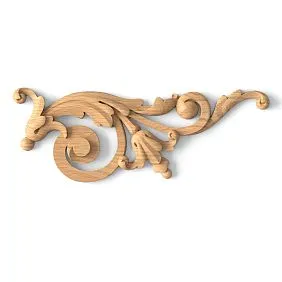
- Tumbls (pedestals) - massive vertical elements installed at the beginning and end of the balustrade, as well as at turns. They give the structure completeness and monumentality, often serving as a base for decorative elements: vases, sculptures, lanterns.
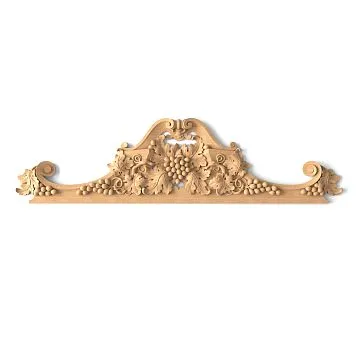
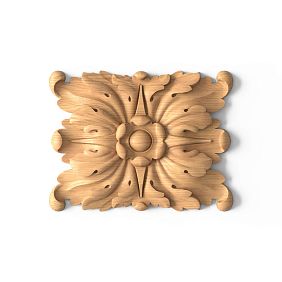
- Decorative elements - additional details enriching the composition: rosettes, cartouches, garlands, mascarons, and other ornamental motifs that can decorate both balusters and other parts of the balustrade.
Each of these elements must be carefully designed and manufactured, taking into account not only aesthetic requirements but also constructive features ensuring the strength, durability, and safety of the balustrade.
Technical requirements for balcony balustrades
Beyond decorative function, balcony railing performs the crucial task of ensuring safety, therefore strict technical requirements are imposed on it:
- Height - according to building codes, the height of the balustrade should be at least 90-100 cm from the balcony floor level. This is the minimum height required to prevent accidental falls.
- Strength - the balustrade must withstand significant horizontal loads (at least 50 kg/m according to norms). Especially important is the strength of the baluster attachment to the base and handrail.
- Distance between balusters - this parameter is regulated by safety norms and should usually not exceed 10-15 cm to prevent penetration through the railing (particularly relevant for families with children).
- Resistance to atmospheric influences - balustrades located on open balconies must be made from materials resistant to temperature fluctuations, humidity, ultraviolet radiation, and other adverse environmental factors.
- Durability - a quality balustrade should retain its operational and aesthetic properties for decades, achieved through proper selection of materials and manufacturing technologies.
- Repairability - the structure must allow for replacement of individual elements in case of damage without dismantling the entire balustrade.
Adhering to these technical requirements ensures not only the safe use of the balustrade but also its longevity, which is especially important for an element playing such a prominent role in the building’s exterior appearance.
Materials for Railing Construction: Traditions and Innovations
Classic materials: stone, wood, metal
Over centuries, three main materials have been used to manufacture balustrades, each possessing unique properties and aesthetic characteristics.
Stone - historically the first and most monumental material for balustrades. Marble, limestone, granite, and other stone types allow creating majestic, durable structures capable of withstanding time and elements. Stone balustrades are characterized by:
- Unmatched durability (service life may be measured in centuries)
- High strength and resistance to mechanical impacts
- Natural beauty and elegance of texture
- Ability for fine artistic treatment (especially true for marble)
However, stone balustrades have drawbacks: high cost, significant weight requiring reinforced foundations, complexity of installation and repair.
Wood is a material combining natural beauty with relatively easy processing. Wooden balustrades look especially harmonious in country houses, creating an atmosphere of warmth and coziness. They are primarily made from hardwoods: oak, beech, ash, larch, teak. Advantages of wooden balustrades:
- Ecological and natural properties
- Wide possibilities for carving and decorative processing
- Relatively low cost (compared to stone)
- Pleasant tactile sensations
- Possibility of restoration and updating
Disadvantages include susceptibility to moisture, ultraviolet radiation, and biological pests, requiring regular treatment with protective compounds.
Metal is a material that gained widespread use in the 19th century. Cast iron, wrought iron, bronze, and later aluminum and stainless steel allow for creating both massive and lightweight, intricate structures. Metal balustrades are characterized by:
- High strength with relatively low weight
- Plasticity, enabling the creation of complex shapes (especially in wrought forms)
- Resistance to atmospheric effects (with proper treatment)
- Durability and minimal maintenance requirements
- Ability to create both classical and modern designs
Disadvantages of metal balustrades: susceptibility to corrosion (except stainless steel and aluminum), high thermal conductivity, making them uncomfortable to touch in cold weather.
Modern Materials and Technologies
Advancements in technology have led to the emergence of new materials, expanding the design and functional possibilities of balustrades.
Polymer composites are materials that imitate traditional ones but surpass them in several characteristics. Polyurethane, fiberglass, and fiber-cement balustrades are becoming increasingly popular due to:
- Lightweight (3–5 times lighter than stone equivalents)
- Resistance to moisture, ultraviolet radiation, and temperature fluctuations
- No need for regular maintenance
- Ease of installation and replacement of components
- Ability to precisely imitate stone or wood texture
- Relatively low cost
Glass and acrylic are materials enabling the creation of visually light, 'floating' structures that do not obstruct views from balconies. Modern technologies for producing laminated tempered glass ensure high strength and safety for such balustrades. Their advantages:
- Maximum transparency and visual lightness
- Resistance to atmospheric effects
- Easy maintenance (sufficient to periodically clean the surface)
- Ability to decorate (matting, engraving, colored glass)
- Modern, minimalist appearance
Composite materials — combining different materials in one structure — allow for utilizing the best properties of each. Popular combinations:
- Metal + glass (strong frame and transparent infill)
- Stone + metal (monumental pedestals and lightweight metal balusters)
- Wood + metal (warmth of wood and strength of metal elements)
- Polymer composites + traditional materials (for optimizing cost and operational characteristics)
Modern material processing technologies also expand the possibilities for creating unique balustrades:
- 3D modeling and CNC machining allow creating complex shapes with high precision
- Laser cutting of metal enables manufacturing delicate, intricate panels
- Aging and patination technologies give new items the noble appearance of antiquity
- Special coatings (powder coating, anodizing, galvanizing) ensure durability and decorative effects
Balustrade styles and design: from classicism to avant-garde
Historical balustrade styles and their distinctive features
Each historical era created balustrades with unique characteristics reflecting the aesthetic ideals and technical capabilities of the time.
Renaissance - the cradle of classical balustrades. The balusters of this period have a characteristic vase-like shape with clear proportions based on ancient models. Marble or limestone were most commonly used. Decoration is restrained, emphasizing perfection of form and proportions.
Baroque - an era of opulence and theatricality. Balustrades of this style are characterized by:
- Complex, dynamic baluster forms
- Abundance of decorative elements (scrolls, cartouches, garlands)
- Contrasts of convex and concave surfaces
- Use of colored marble and gilding
- Inclusion of sculptural elements
Rococo - a style that developed baroque ideas toward even greater refinement and lightness. Rococo balustrades are characterized by:
- Asymmetrical compositions
- Elegant, "lace-like" forms
- Motifs of shells, flowers, leaves
- Light, pastel tones
- Predominance of wrought metal over stone
Classicism - a return to ancient ideals of clarity and harmony. Balustrades of this period are characterized by:
- Strict symmetry and rhythmicity
- Lack of ornamentation, based on ancient motifs
- Minimal decoration based on ancient motifs
- Predominantly white color (marble or painted wood)
- Mathematically precise proportions
Empire - an imperial style that developed classicism toward greater monumentality. Characteristic features of balustrades:
- Massive forms
- Military symbolism (laurel wreaths, eagles, trophies)
- Egyptian motifs (sphinxes, palmettes)
- Use of bronze and gilding
- Contrast of dark stone and light details
Eclecticism of the 19th century - a period of mixing various historical styles. Balustrades of this era could combine elements of different styles, but became especially popular:
- Neo-Gothic balustrades with pointed arches and ornate decoration
- Neo-Renaissance with classical proportions but richer decoration
- Neo-Baroque with lavish forms and abundant ornamentation
Modern (Art Nouveau) - a style of the late 19th to early 20th century, bringing a new aesthetic:
- Smooth, flowing lines reminiscent of plant forms
- Asymmetrical compositions
- Use of new materials (cast iron, concrete)
- Floral motifs (lilies, irises, seaweed)
- Integration of balustrade into the overall organic composition of the building
Modern Trends in Balustrade Design
Modern architecture offers new approaches to balustrade design, combining respect for traditions with innovative solutions.
Minimalism - one of the dominant directions in modern balustrade design:
- Extremely simple geometric forms
- Absence of decorative elements
- Emphasis on material quality and line purity
- Use of glass, stainless steel, concrete
- Integration of lighting into balustrade structure
High-tech - a style emphasizing technology and functionality:
- Use of industrial materials (metal, glass, composites)
- Exposed structural elements
- Complex engineering solutions (cantilevered supports, cable systems)
- Integration of electronic components (lighting, sensors)
- Polished, shiny surfaces
Eco-style - a direction emphasizing ecological sustainability and connection with nature:
- Use of natural materials (wood, stone, bamboo)
- Organic forms resembling natural objects
- Integration of live plants into balustrade structure
- Unpainted, natural surfaces
- Use of recycled materials
Fusion - a style freely combining elements from various cultures and eras:
- Blending of Eastern and Western motifs
- Combination of traditional and modern materials
- Game of contrasts (rough/smooth, matte/glossy)
- Unexpected color solutions
- Individuality and uniqueness of each project
Neoclassicism - modern reinterpretation of classical forms:
- Simplified classical proportions
- restrained decoration based on historical motifs
- Modern materials imitating traditional ones
- Light, neutral colors
- Combination with modern interior and exterior elements
Design and installation of balustrades: from concept to realization
Stages of designing a balcony balustrade
Creating the ideal balustrade for balcony - complex process requiring a professional approach at all stages:
- Analysis of architectural context - the first and most important stage of design. It is necessary to carefully study:
- Building's architectural style
- Facade and balcony proportions
- Surrounding buildings
- Historical context (especially for restoration projects)
- Functional purpose of the balcony
- Style and materials selection - based on the conducted analysis, the following is chosen:
- Stylistic solution for the balustrade
- Main material and possible material combinations
- Color palette
- Character and degree of ornamentation
- Engineering calculations - critically important stage ensuring the safety and durability of the structure:
- Load calculation (static and dynamic)
- Determination of required strength of fastening elements
- Wind load consideration (especially for high-rise buildings)
- Calculation of thermal deformations
- Determination of optimal spacing between balusters
- Creating sketches and 3D models - visualization of the project, allowing to assess:
- Overall appearance of the balustrade in the context of the facade
- Proportions and scale of elements
- Decor details
- Compatibility with other balcony elements
- Various solution options for selecting the optimal one
- Development of technical documentation - creation of detailed drawings:
- General views and cross-sections of the structure
- Detailed drawings of each element
- Connection and fastening nodes
- Material specifications
- Manufacturing and installation process maps
- Project coordination - a necessary stage, especially for:
- Historical buildings (coordination with monument protection authorities)
- Multi-apartment buildings (coordination with the managing company)
- Buildings in protected zones (coordination with architectural committees)
- Checking compliance of the project with construction norms and regulations
Installation technology and specific features of installing various types of balustrades
The installation process of the balustrade depends on the selected material and structural solution, but general stages and features can be identified:
- Preparatory work:
- Cleaning and leveling the balcony surface
- Waterproofing (for open balconies)
- Marking locations for installing elements
- Preparing holes for fasteners
- Surface treatment with primer or protective coatings
- Installation of the base (plinth):
- Installation level with strict horizontal alignment
- Secure attachment to the base (anchors, embedded parts)
- Sealing joints and seams
- Installation of waterproofing gaskets (for wooden elements)
- Installation of newels and balusters:
- Precise positioning according to layout
- Ensuring vertical alignment of each element
- Secure mounting to base (adhesives, bolts, anchors)
- Maintaining equal spacing between balusters
- Handrail installation:
- Installation ensuring smooth lines and transitions
- Secure mounting to balusters and newels
- Joint and Connection Processing
- Final finishing of ends and transitions
- Finishing work:
- Sanding and finishing surfaces
- Joint and seam filling
- Application of protective coatings (varnish, paint, stains)
- Installation of decorative elements
- Cleaning from construction dust and contaminants
Features of installing stone balustrades:
- Require reinforced base due to heavy weight
- Need for special lifting equipment
- Joining elements with cement mortar and reinforcement
- Mandatory waterproofing of joints and seams
- Need for expansion joints for thermal expansion
Features of installing wooden balustrades:
- Pre-treatment of all elements with protective compounds
- Use of concealed fasteners to preserve aesthetics
- Ensuring ventilation gaps to prevent rotting
- Compensation for possible wood swelling/shrinking
- Final finishing after installation (sanding, varnishing)
Features of installing metal balustrades:
- Pre-anticorrosion treatment
- Use of welding or bolted connections
- Insulation of contact points between dissimilar metals to prevent electrochemical corrosion
- Ensuring compensation for thermal deformations
- Final coating or patination after installation
Features of installing glass balustrades:
- Use of special clamping profiles or point fasteners
- Installation of elastic gaskets between glass and metal elements
- Ensuring gaps to compensate for thermal deformations
- Thorough cleaning of glass after completion of installation work
- Checking the reliability of all fasteners with applied test load
Maintenance and restoration of balustrades: preserving beauty and functionality
Regular maintenance of various types of balustrades
Proper care of balustrade of the balcony significantly extends its service life and preserves its original beauty. Care recommendations depend on the material of manufacture:
Stone balustrades:
- Regular cleaning of dust and dirt with a soft brush or cloth
- Periodic washing with water and neutral pH detergent (1-2 times per year)
- Avoiding use of acidic and abrasive cleaning agents
- Checking and sealing joints and cracks (annually)
- Application of hydrophobic compounds for moisture protection (every 3-5 years)
- Removal of biological contaminants (moss, lichen) with special compounds
- Checking the strength of fasteners (annually)
Wooden balustrades:
- Regular cleaning of dust with dry or slightly damp cloth
- Checking for signs of rot or insect damage (twice a year)
- Renewing protective coatings (varnish, oil, paint) as they wear (typically every 2-3 years)
- Sanding surfaces before applying new protective coating
- Immediate repair of protective layer damage to prevent moisture penetration
- Tightening fasteners as needed
- Special attention to connection points and contact areas with metal elements
Metallic balustrades:
- Regular cleaning of dust and dirt
- Removal of oxidation and corrosion traces (for black metals)
- Checking the integrity of protective coatings (paint, galvanization)
- Touching up damaged areas to prevent corrosion spread
- Lubricating movable elements (if any)
- Checking and tightening fastening elements
- Polishing decorative elements made of colored metals with special compounds
Glass railings:
- Regular cleaning of glass surfaces with special glass cleaning agents
- Checking the integrity of glass and absence of cracks
- Checking the reliability of glass panel mounting
- Cleaning and checking the condition of seals
- Removing dirt from metal fastening elements
- Checking for play and tightening fasteners as needed
Composite balustrades:
- Cleaning with water and mild detergent
- Checking the integrity of the surface and absence of cracks
- Checking the condition of joints and connections
- Removing stains with special agents recommended by the manufacturer
- Checking the reliability of element mounting
Restoration of historical balustrades: methods and approaches
Restoration of historical balustrades is a complex process requiring specialized knowledge, skills, and careful handling of cultural heritage. Main stages and restoration methods:
- Research stage:
- Studying historical documents and photographs
- Determining the original appearance of the balustrade
- Identifying later modifications and additions
- Analyzing the condition of materials and structures
- Determining causes of damage and destruction
- Development of restoration methodology
- Preparatory work:
- Photodocumentation of current condition
- Marking all elements for subsequent assembly
- Disassembly with maximum preservation of original elements
- Cleaning of contaminants and old coatings
- Treatment with biocidal compositions (if necessary)
- Restoration of stone elements:
- Structural reinforcement of stone with special compositions
- Replenishment of losses by means of domastic method (selection of composition closest to the original)
- Bonding fragments using special adhesives
- Recreation of lost elements based on surviving analogs
- Toning of restored areas to achieve visual unity
- Restoration of wooden elements:
- Structural reinforcement of wood with preservative compositions
- Removal of insect and fungal damage
- Replenishment of losses by means of inserts from similar wood
- Recreation of carved details based on surviving samples
- Protective treatment preserving historical texture and color
- Restoration of metallic elements:
- Removal of corrosion by mechanical or chemical means
- Restoration of lost fragments by means of forging or casting
- Restoration of historical connections (rivets, forge welding)
- Application of protective coatings taking into account historical authenticity
- Patination to achieve visual unity
- Assembly and installation:
- Recreation of historical fastening system
- Assembly using original technologies
- Minimal intervention in historical material
- Ensuring structural strength while preserving authenticity
- Final finishing and protection against atmospheric effects
- Documentation:
- Preparation of detailed report on conducted works
- Photodocumentation of all restoration stages
- Development of recommendations for further care and maintenance
- Creation of a passport for the restored object
When restoring historical balustrades, it is extremely important to adhere to the principles of scientific restoration:
- Minimal intervention in historical material
- Reversibility of applied methods and materials
- Documentation of all changes
- Distinguishability of new elements from historical ones upon close inspection
- Use of traditional technologies and materials
Balustrades in modern architecture: functionality and aesthetics
Role of balustrades in forming the architectural appearance of a building
In modern architecture balcony railing Continues to play an important role in forming the appearance of the building, although its functions and aesthetics have undergone significant changes.
Compositional role:
- Creation of horizontal divisions on the facade, emphasizing the structure of the building
- Formation of a rhythmic pattern that enlivens the wall surface
- Accentuation of important architectural elements (entrance groups, central axes)
- Creation of transitional elements between different volumes of the building
- Visual lightening of massive structures
Style-defining function:
- Determination of the stylistic affiliation of the building
- Creation of historical allusions and references to architectural traditions
- Formation of the building's individual character
- Integration of the building into the existing architectural context
- Emphasis on the status and functional purpose of the object
Scaling:
- Creation of human-scale elements on the facade of a large building
- Formation of a transitional scale between human and architectural volume
- Visual reduction of the height of multi-story buildings through horizontal divisions
- Creation of scale references that help perceive the size of the building
Light and shadow plasticity:
- Formation of expressive play of light and shadow on the facade
- Creation of depth and volume on flat surfaces
- Changing the perception of the building at different times of day
- Visual effects under different lighting
- Creating a dynamic image of a static structure
Innovative solutions and experiments with form and materials
Modern architects actively experiment with traditional balustrade forms, creating innovative solutions that respond to the aesthetics of the 21st century:
Parametric architecture:
- Use of computer modeling to create complex, mathematically precise forms
- Balustrades with variable element density, responding to functional requirements
- Organic, biomimetic forms, imitating natural structures
- Gradient transitions between different types of railings
- Individualization of each element while preserving the composition's integrity
Interactive balustrades:
- Integration of LED lighting, changing color and intensity
- Use of smart glass with variable transparency
- Built-in sensor elements responding to touch or proximity
- Systems that change their configuration depending on time of day or weather conditions
- Integration of information displays and media facades
Ecological innovations:
- Use of recycled materials (plastic, metal, glass)
- Integration of live plants into the balustrade structure (vertical greening)
- Photovoltaic elements converting solar energy into electricity
- Rainwater collection systems for plant irrigation
- Materials with negative carbon footprint (CO₂ absorbing)
Hybrid constructions:
- Combining railing and furniture functions (built-in seats, tables)
- Integration of storage and technical elements systems
- Transformable constructions, changing configuration by user preference
- Multi-functional elements combining protective, aesthetic, and utilitarian functions
- Balustrades integrated with climate control systems (shading, wind protection)
Experimental materials:
- Carbon fiber and composites enabling ultra-lightweight and strong constructions
- Aerogel and other ultra-lightweight materials with high insulation properties
- Self-healing polymers, "healing" minor damages
- Shape-memory materials responding to temperature changes
- Biodegradable composites for temporary structures
Economic aspects of balustrade selection: cost, durability, investment attractiveness
Comparative analysis of costs of different balustrade types
The choice of balustrade type significantly affects the project budget, and it is necessary to consider not only initial costs but also long-term operating expenses:
Stone balustrades:
- High initial cost (marble, granite)
- Significant transportation and installation costs due to heavy weight
- Minimal maintenance costs
- Exceptional durability (up to 100+ years)
- Possibility of restoration upon damage
- Preservation of high resale value of the property
Wooden balustrades:
- Average initial cost (depends on wood species)
- Relatively low installation costs
- Regular maintenance costs (protective treatments)
- Average durability (15-30 years with proper care)
- Possibility of restoration and partial replacement of elements
- Moderate impact on property value upon resale
Metallic balustrades:
- Wide range of initial costs (from inexpensive steel to exclusive wrought or bronze)
- Average installation costs
- Periodic costs for anti-corrosion treatment and painting
- High durability (30-50+ years)
- Good repairability
- Positive impact on property value (especially for wrought items)
Glass railings:
- High initial cost (especially for tempered laminated glass)
- Complex and expensive installation requiring high precision
- Minimal maintenance costs
- Good durability (20-30+ years)
- Difficulty of partial repair (usually requires replacement of entire sections)
- Modern appearance, enhancing the property's appeal to certain buyer categories
Composite balustrades:
- Average initial cost
- Low installation costs due to lightweight design
- Minimal maintenance costs
- Good durability (20-40 years)
- Ease of replacing damaged components
- Neutral impact on property value upon resale
Impact of railing quality on overall property value
Investments in quality balcony railing can significantly enhance the attractiveness and value of the property:
Factors influencing the s