Article Contents:
- History and Evolution of Balusters: From Antiquity to Modernity
- Functional Role of Balusters in Staircase Construction
- Variety of Materials: From Classic to Innovations
- Wooden Balusters: Eternal Classic
- Metal Balusters: Strength and Modernity
- Glass Balusters: Transparent Elegance
- Variety of Forms and Styles: From Classicism to Avant-Garde
- Classic Turned Balusters
- Carved Balusters: Art of Woodworking
- Flat and Cut Balusters: Modern Geometry
- Wrought Iron Balusters: Uniqueness of Handcrafted Work
- Technical Specifications and Selection Parameters
- Sizes and proportions
- Material Quality and Finishing
- Compatibility with Other Staircase Elements
- Installation and Mounting Methods for Balusters
- Mounting in Grooves
- Mounting on Bolts
- Mounting Using Special Fasteners
- Installation Features of Balusters Made from Different Materials
- Care and Maintenance of Balusters
- Care for Wooden Balusters
- Care for Metal Balusters
- Care for Glass Balusters
- Balusters in Various Architectural Styles
- Classic style
- Baroque and Rococo
- Modern and art deco
- Modern minimalism
- Loft and Industrial Style
- How to Properly Choose Balusters for Your Home
- Considering the Architectural Style of the House
- Practical Considerations for Selection
- Budget considerations
- Consultation with specialists
- Trends and Innovations in Baluster Design
- Modern Trends in Baluster Design
- Innovative materials and technologies
- Personalization and individual approach
- Conclusion: Balusters as an Investment in the Beauty and Safety of Your Home
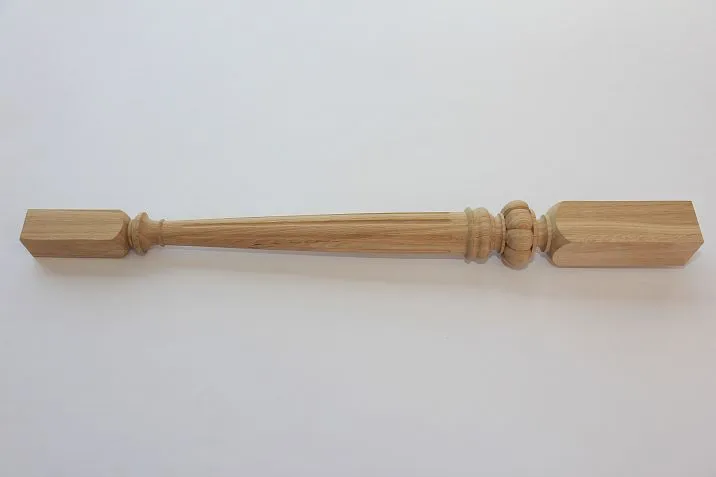
The architectural space of a home is a canvas on which every detail matters. Among the many elements that shape the appearance of a residence, the staircase holds a special place. It does not merely connect floors but becomes the central accent of the interior, its signature feature. And within this complex structure, there are components that determine both the safety and the aesthetics of the entire construction— Balusters for staircase.
Imagine a staircase without these elegant vertical elements. It would appear unfinished, lacking character, and critically—unsafe. Balusters are not merely decorative posts; they are functional components that protect against falls, provide structural rigidity, and create a unique look for the entire stair run.
choice of the right balusters for staircase becomes an art. This decision will define the character of your home for years to come. That is why it is so important to approach this matter with full seriousness, armed with knowledge and understanding of all the nuances.


History and Evolution of Balusters: From Antiquity to the Present Day
Amazingly, the history of balusters dates back thousands of years. The earliest references to these architectural elements were found on Assyrian reliefs. However, the true golden age of balusters came during the Renaissance in Italy, when architects actively incorporated them into their projects.
Initially, balusters were used primarily for balcony railings, and only in the 15th century did they begin to be applied in staircase structures. From the end of the 15th century, their popularity grew rapidly, and they became an indispensable part of the architectural language of various epochs and styles.
Interestingly, the word 'baluster' has several origins. One theory links it to the name of a flower, whose closed bud resembles the shape of this element. Another version suggests that balusters are miniature copies of columns, although balusters did not exist in ancient Rome or Greece, unlike columns and pilasters.
As styles and fashions changed over time, so too did the decoration of balusters. Yet these elements have firmly entered the architectural lexicon and remain in demand today, adapting to modern design trends.




Functional Significance of Balusters in Staircase Construction
Before diving into the world of aesthetics and design, it is important to understand the functional role that Balusters for staircase plays in the overall structure. Their significance goes far beyond that of a decorative element:
Safety Comes First
The primary function of balusters is to ensure safety when using the staircase. They create a protective barrier that prevents accidental falls, which is especially important in homes with young children or elderly residents. Properly installed balusters with optimal spacing between them (usually no more than 15 cm) minimize the risk of accidents.
Structural Support for Handrails
Balusters serve as support for handrails, providing the necessary rigidity and stability to the entire structure. They evenly distribute the load that occurs when using the handrails, which is critically important for the longevity and safety of the staircase.
Architectural Integrity
In addition to practical functions, balusters play an important role in creating the architectural integrity of the staircase. They fill the space between steps and handrails, giving the structure a finished look and harmonious proportions.
Space zoning
In modern interior design, balusters can serve as zoning elements, visually dividing space without creating physical barriers. This is especially relevant in open-plan layouts, where the staircase becomes a connecting element between different functional zones.
Our factory also produces:


Variety of Materials: From Classic to Innovations
Choosing a material for balusters is not only an aesthetic question but also one of durability, practicality, and alignment with the overall interior style. Let's consider the main options, each with its unique characteristics and advantages.
Get Consultation
Wooden Balusters: Eternal Classic
Wood remains the most popular material for manufacturing balusters, and there are good reasons for this. Wooden balusters have several undeniable advantages:
Ecological and Natural
In an era of growing environmental awareness, wooden balusters become especially attractive. They are made from renewable natural material, do not emit harmful substances, and create a healthy microclimate in the home.
Aesthetic Appeal
The natural texture and warmth of wood give the staircase a unique charm and coziness. Each wood species has its own unique grain pattern, color, and character, allowing for truly unique compositions.
Versatility in Processing
Wood is easily processed using various methods: carving, turning, milling. This opens up limitless possibilities for creating balusters of the most diverse shapes and styles—from strict classicism to refined baroque or minimalist modernism.
Wide Range of Wood Species
For making balusters, various types of wood are used, each with its own characteristics:
- Oak - symbol of strength and durability, has an expressive texture and high resistance to mechanical impacts.
- Beech - distinguished by uniform structure, easily processed, and has a pleasant light tone.
- Ash - valued for its elasticity and strength, has a beautiful wood grain pattern.
- Spruce - a more affordable option, easy to process, with a distinctive pattern and aroma.
- Larch - has high resistance to moisture and decay, making it ideal for rooms with high humidity.
Restoration possibility
Unlike many other materials, wooden balusters can be restored, extending their service life. Scratches, dents, or fading can be easily removed by sanding and re-finishing.
Metal balusters: strength and modernity
Metal balusters are becoming an increasingly popular choice, especially in modern interiors. They offer a range of unique advantages:
Exceptional strength and durability
Metal provides unmatched strength and structural stability. Steel or wrought iron balusters can withstand significant loads and serve for decades without losing their qualities.
Variety of design solutions
Modern metal processing technologies allow creating balusters of the most diverse shapes - from strict geometric to complex wrought patterns. This opens up wide opportunities to realize any design ideas.
Compatibility with other materials
Metal balusters combine beautifully with wooden elements of the staircase, creating interesting contrasts and accents. Such material combination allows achieving a unique visual effect.
Minimal maintenance
Unlike wood, metal does not require regular treatment with protective coatings. It is sufficient to periodically clean the surface from dust and renew the coating if necessary.
Glass balusters: transparent elegance
For those seeking truly modern and unconventional solutions, glass balusters will be an ideal choice:
Visual lightness
Glass creates an effect of weightlessness and visually expands the space. This is especially valuable in small rooms, where it is important to preserve the feeling of openness and light.
Unlimited design possibilities
Modern glass processing technologies allow creating balusters with various textures, patterns, matte finishes, or colored tints. This opens new horizons for design experiments.
Safety
Contrary to common belief, glass balusters are absolutely safe, as they are made from tempered or laminated glass, which has high strength and does not produce sharp shards upon breakage.
Compatibility with light
Glass balusters interact beautifully with light, creating interesting optical effects and shadow play. Using backlighting can achieve stunning decorative effects.
Variety of forms and styles: from classicism to avant-garde
The shape of balusters plays a key role in defining the style of the entire staircase and, consequently, the overall interior. Let's consider the main types of shapes and their stylistic features.
Classic turned balusters
Turned balusters are made by turning and have a symmetrical shape with characteristic bulges and tapers. This type of baluster is associated with classic style and creates an atmosphere of elegance and tradition.
Features and advantages:
- Symmetrical shape with smooth lines
- Rich decorative elements
- Perfect match for classic interiors
- Ability to create unique patterns and profiles
Classic turned balusters combine particularly well with heavy wooden railings and steps, creating a cohesive and harmonious look.
Carved balusters: the art of carving
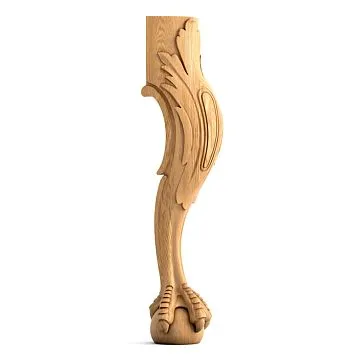
Carved balusters feature intricate carvings made using milling equipment. They allow for the realization of the most refined and detailed patterns, from floral motifs to geometric ornaments.
Features and advantages:
- High detail and complexity of patterns
- Ability to create unique original designs
- Compatibility with baroque, rococo, and neoclassical styles
- Expressive relief creating play of light and shadow
Carved balusters become true works of art and a central decorative element in interior design.
Flat and pierced balusters: modern geometry
Flat balusters are boards with straight or shaped edges, often featuring pierced elements. This type of baluster is characteristic of modern styles and minimalism.
Features and advantages:
- Clear geometric forms
- Lack of ornamentation and functionality
- Ability to create interesting silhouettes and pierced patterns
- Economy and simplicity of manufacture
Flat balusters combine particularly well with modern materials and minimalist interior design.
Wrought iron balusters: uniqueness of handcrafted work
Wrought iron balusters are handmade by blacksmiths and feature a unique character and individuality for each piece.
Features and advantages:
- Uniqueness of each element
- High artistic value
- Compatibility with Gothic, Renaissance, and modern styles
- Ability to create complex three-dimensional compositions
Wrought iron balusters give stairs a special charm and become true works of art.
Technical specifications and selection parameters
When choosing balusters for staircase It is necessary to consider not only aesthetic preferences but also technical parameters that ensure the safety and longevity of the structure.
Dimensions and Proportions
Standard baluster sizes may vary, but there are certain recommendations ensuring optimal safety and aesthetics ratio:
Height
Baluster height is determined by the height of the handrail, which is usually 90-100 cm from the step level. The balusters themselves may be slightly shorter, as they are mounted on the baluster base and connected to the handrail.
Section
The section of balusters depends on their shape and material. For turned wooden balusters, the following dimensions are typical:
- Square section: 40x40 mm, 50x50 mm
- Round section: diameter 25-50 mm
Distance between balusters
From a safety standpoint, especially in homes with children, the distance between balusters should not exceed 15 cm. This prevents the possibility of a child slipping between the railing elements.
Material quality and processing
When selecting wooden balusters, special attention should be paid to the quality of the wood and its processing:
Moisture
The optimal moisture content for balusters is 8-10% with an allowable deviation of ±2%. Too dry wood may crack, while overly moist wood may deform upon drying.
Wood grade
For visible staircase elements, it is recommended to use higher-grade wood (A, Extra), free of visible defects, knots, and inconsistencies.
Processing quality
The baluster surface should be carefully sanded, free of burrs and roughness. This is important not only for aesthetics but also for safe usage.
Compatibility with other staircase elements
When selecting balusters, it is necessary to consider their compatibility with other elements of the staircase structure:
Style compatibility
Balusters should harmonize in style with the handrail, steps, and overall staircase design. Incompatibility of styles may disrupt the composition's integrity.
Technical compatibility
It is important to ensure that the selected balusters are compatible with the mounting system that will be used in your staircase. Different types of balusters may require different installation methods.
Color harmony
The color and tone of balusters should match other wooden elements of the staircase and the interior as a whole. If necessary, staining or painting can be used to achieve perfect harmony.
Mounting and fastening methods for balusters
Proper installation of balusters is essential not only for the aesthetic appearance but also for the safety of the entire staircase structure. There are several main methods of mounting balusters, each with its own features and advantages.
Mounting in grooves
This method involves creating special grooves in the steps (or baluster base) and handrail, into which the ends of the balusters are inserted.
Advantages:
- High connection reliability
- No visible fastening elements
- Aesthetic appearance
- Ability to dismantle if necessary
Mounting specifics:
- Creating precise mortises of the appropriate size in handrails and steps/underbalusters
- Trimming baluster ends to fit the mortise size
- Securing balusters in mortises using glue or small wedges
- Additional fastening with dowels if necessary
Fastening with screws
This method involves using metal screws that are screwed into the ends of balusters and secured in handrails and steps/underbalusters.
Advantages:
- High-strength connection
- Ability to adjust baluster position
- Relative ease of installation
- Suitable for most types of balusters
Mounting specifics:
- Drilling holes in baluster ends for screws
- Screwing screws into balusters
- Drilling corresponding holes in handrails and steps/underbalusters
- Securing balusters with glue and/or nuts
Fastening with special fasteners
The modern market offers a wide range of specialized fasteners for balusters, simplifying the installation process and ensuring secure fastening.
Advantages:
- Ease and speed of installation
- High connection reliability
- Ability to dismantle and replace individual balusters
- Universality of application
Mounting specifics:
- Installing fasteners on handrails and steps/underbalusters
- Preparing balusters according to the type of fastener
- Securing balusters in fasteners
- Final adjustment and tightening of fasteners
Features of installing balusters made of different materials
Wooden balusters
- Require preliminary treatment with protective compounds before installation
- Must account for possible dimensional changes due to humidity fluctuations
- It is recommended to use adhesives compatible with wood
Metal balusters
- Often require preliminary preparation of mounting locations (drilling, threading)
- Corrosion protection is required at connection points with other materials
- Special fasteners may be required
Glass balusters
- Require special care during installation
- Use special clamping or spot fasteners
- Rubber or silicone gaskets are required to prevent "glass-metal" contact
Care and maintenance of balusters
Proper care of balusters not only preserves their attractive appearance but also significantly extends the service life of the entire staircase structure.
Care for wooden balusters
Wooden balusters require regular care to maintain their aesthetic and functional qualities:
Regular cleaning
- Remove dust with a soft cloth or brush
- Clean stains with a slightly damp cloth
- Avoid using abrasive materials and aggressive cleaning agents
Protective treatment
- Periodic renewal of protective coating (varnish, oil, wax)
- Monitor the condition of the coating and promptly repair damages
- Protection from direct sunlight to prevent fading
Maintain optimal microclimate
- Control indoor humidity level (40-60%)
- Prevent sudden temperature fluctuations
- Protection from direct water contact
Care for metal balusters
Metal balusters require less intensive care, but also require certain attention:
Regular cleaning
- Remove dust with a soft cloth
- Clean stains using special metal cleaning agents
- Polishing to maintain shine (if necessary)
Corrosion protection
- Monitoring of protective coating condition
- Timely repair of coating damage
- Use special compounds for corrosion protection
Check fasteners
- Periodic reliability check of all connections
- Tightening fasteners as needed
- Replacement of damaged or worn fastener parts
Care for glass balusters
Glass balusters require special care:
Regular cleaning
- Use of special glass cleaning agents
- Use of soft microfiber cloths
- Avoid abrasive materials and stiff brushes
Check fasteners
- Regular inspection of fasteners and clamps
- Timely replacement of worn rubber or silicone gaskets
- Check for cracks or chips
Prevention of damage
- Caution when cleaning or moving objects near glass elements
- Protection against impacts and mechanical damage
- Use of special decals or markings to increase glass visibility
Balusters in various architectural styles
Baluster selection should match the overall architectural style of the house and interior. Let's consider which types of balusters fit most naturally into various stylistic directions.
Classic style
The classical style is characterized by elegance, symmetry, and restrained luxury. It suits:
Turned balusters with symmetrical profile
- Clear proportions and symmetrical shape
- Moderate decoration without excess
- Traditional materials (oak, walnut, mahogany)
- Natural tones with possible tinting
Columnar balusters
- Shapes resembling classical architectural orders
- Clear division into base, shaft, and capital
- Proportionality and harmony of all elements
Baroque and Rococo
Baroque and Rococo styles are characterized by opulence, ornamentation, and dynamic forms.
Carved balusters with intricate decoration
- Rich carving with plant motifs
- Dynamic, asymmetrical forms
- Gilding or patination
- Complex profiles with multiple decorative elements
Twisted and spiral balusters
- Dynamic forms creating a sense of movement
- Complex interweaving of lines and patterns
- Rich finish using gilding or silvering
Modern and Art Deco
Modern and Art Deco styles combine elegance with functionality and are characterized by smooth lines or geometric forms:
Smooth, organic forms for modern style
- Balusters with plant motifs
- Asymmetrical but harmonious forms
- Natural materials with emphasized texture
- Subdued, natural tones
Geometric forms for Art Deco
- Clear geometric lines and shapes
- Contrasting material combinations (wood and metal)
- Use of exotic wood species
- Glossy surfaces and metallic accents
Modern minimalism
Modern minimalist style is characterized by simplicity, functionality, and clean lines:
Simple geometric forms
- Straight, square, or rectangular balusters
- Minimal decorative elements
- Clear, straight lines
- Monochromatic color solutions
Combined materials
- Combination of wood with metal or glass
- Contrasting textures and finishes
- Emphasis on material quality and craftsmanship
- Functionality and practicality of all elements
Loft and industrial style
Loft and industrial styles are characterized by rawness, open construction, and use of industrial elements:
Metal balusters
- Simple forms made of metal profile
- Open connections and fasteners
- Unfinished or roughly processed surfaces
- Patina or artificial aging
Combined solutions
- Combination of metal with untreated wood
- Use of industrial elements (pipes, fittings)
- Rough textures and finishes
- Minimal decorative treatment
How to choose balusters for your home
Choosing the ideal balusters for staircase This is a complex process requiring consideration of multiple factors. Following these recommendations, you will be able to make the optimal choice that will please you for many years.
Consider the architectural style of the house
The first and most important factor - compatibility of balusters with the overall architectural style of your house:
Analyze the existing interior
- Determine the dominant style of your interior
- Pay attention to other wooden elements (doors, furniture)
- Consider the color palette and textures used in the interior
Perspective of design development
- Consider planned changes to the interior
- Choose balusters that will remain relevant for several years
- Prefer classic forms if in doubt
Practical aspects of selection
In addition to aesthetic considerations, practical aspects must also be taken into account:
Functionality
- Assess the intensity of staircase usage
- Consider the presence of children or elderly people in the house
- Determine the required level of safety
Longevity
- Choose materials suitable for the operating conditions
- Consider the microclimate in the room (humidity, temperature)
- Assess resistance to wear and mechanical damage
Ease of maintenance
- Consider your ability to maintain regularly
- Choose materials and finishes matching your lifestyle
- Assess the complexity of repair or replacement in case of damage
Budget considerations
It is important to find the optimal balance between quality, aesthetics, and cost:
Estimate the overall project budget
- Determine what portion of the budget you are willing to allocate for balusters
- Consider that quality balusters are a long-term investment
- Consider the total cost of ownership, including installation and maintenance
Comparison of different options
- Compare not only price, but also quality, durability, and aesthetics
- Consider the possibility of combining different materials
- Assess the price-to-quality ratio, not just the absolute cost
Possibility of phased implementation
- Consider the possibility of temporarily using simpler balusters
- Evaluate the cost of future replacement or modernization
- Consider the possibility of gradually improving the staircase structure
Consultation with specialists
Do not hesitate to seek professional help:
Interior designers
- Can help with choosing the style and shape of balusters
- Will take into account the overall interior concept
- Will suggest optimal color and texture solutions
Manufacturers and suppliers
- Will provide information on technical specifications
- Will explain the advantages and limitations of different materials
- Will assist with calculating the required quantity and configuration
Installation specialists
- Will assess the complexity of installing the selected balusters
- Will advise on the optimal mounting method
- Will warn about possible technical limitations
Trends and innovations in baluster design
The world of design is not static, and balusters, as an important interior element, are also subject to the influence of modern trends and innovations.
Modern trends in baluster design
Minimalism and clean lines
- Simple geometric forms
- No unnecessary decoration
- Focus on material quality and craftsmanship
- Functionality as the main design principle
Eclectic style allows combining carved balusters with modern handrails, creating an unexpected and dynamic contrast. For example, wooden carved balusters can be complemented by metal or glass handrails. Such a combination of materials brings freshness and originality to the interior, highlighting the uniqueness of your design.
- Combining wood with metal, glass, and composite materials
- Contrasting combinations of textures and finishes
- Playing with the contrast between traditional and modern materials
- Creating unique, original compositions
Ecological and Natural
- Use of Eco-Friendly Materials
- Minimal processing, highlighting natural beauty
- Use of non-toxic finishing materials
- Focus on sustainable development and responsible consumption
Innovative materials and technologies
Composite materials
- Combination of strength, lightness, and durability
- Resistance to moisture, temperature fluctuations, and UV radiation
- Wide possibilities for imitating various materials
- Minimal maintenance requirements
3D printing and digital manufacturing
- Creating unique, personalized designs
- High precision and repeatability of elements
- Ability to realize complex geometric forms
- Reduced production time and minimized waste
Integration of lighting
- Built-in LED lighting in balusters
- Creating additional lighting accents
- Improved safety when using stairs at night
- New decorative possibilities and effects
Personalization and Individual Approach
Customization for specific projects
- Development of unique baluster designs
- Adapting standard solutions to individual requirements
- Creating a unified ensemble with other interior elements
- Taking into account the client's personal preferences and lifestyle
Artistic finishing
- Hand-carved and custom elements
- Unique finishes and detailing
- Integration of personal symbols or motifs
- Creating true works of art
Conclusion: balusters as an investment in the beauty and safety of your home
Choosing and installing quality balusters for staircase It is not just the purchase of a functional element, but a long-term investment in the aesthetics, safety, and value of your home.
Balusters chosen with taste and professionally installed will delight you and your guests for many years, creating a unique atmosphere and character for your home. They will become the detail that transforms an ordinary staircase into a work of art, and your home into a unique space reflecting your individuality.
Remember, quality never goes out of style. Investing in high-quality balusters from reliable manufacturers ensures not only beauty, but also safety, durability, and practicality of your staircase.
STAVROS offers a wide range of balusters made from various materials, crafted with impeccable quality and attention to detail. Years of experience, modern equipment, and professional approach allow STAVROS to create items that become true ornaments of any interior and serve their owners for many years.
Choosing balusters from STAVROS means choosing not just a product, but a comprehensive solution including professional consultation, individual approach, and flawless execution quality. It is a choice for beauty, reliability, and confidence for tomorrow.