Article Contents:
- Historical heritage and modern embodiment
- Functional purpose: beauty and safety in harmony
- Constructive role
- Safety Above All
- Material Science: Choosing Wood Species
- Fine oak: symbol of strength and longevity
- Ash: flexibility and elegance
- Beech: accessibility and practicality
- Coniferous species: economy and aroma
- Manufacturing technologies: from traditions to innovations
- Turning: The Genre’s Classic
- Carving: complexity of forms
- Wood carving: art in every detail
- Stylistic Directions and Design Solutions
- Classic style: Eternal elegance
- Modern minimalism: simplicity and functionality
- Ethnic motifs: cultural heritage
- Technical specifications and quality standards
- Geometric parameters
- Wood moisture
- Material Grade
- Installation process: professional approach
- Preparatory work
- Mounting methods
- Final finishing
- Protective coatings and maintenance
- Coating finishes
- Special stains
- Economic Aspects and Pricing
- Factors Affecting Cost
- Economic efficiency
- Trends and innovations
- Modern Processing Technologies
- Ecological Aspects
- Regional specifics of the Saint Petersburg market
- Climate Conditions
- Architectural traditions
- Supplier Selection: Quality Criteria
- Production capacities
- Certification and Guarantees
- Individual design and exclusive solutions
- Author's design
- Restoration work
- Comprehensive solutions for staircases
- Unified style
- Functional additions
- Conclusion
A staircase in a house is not just a functional structure connecting floors. It is an architectural centerpiece that sets the tone for the entire interior, reflects the owner's taste, and creates a unique atmosphere. If steps are the foundation of a staircase, then balusters are its soul, transforming an ordinary structure into a work of art.
In today's world, where technology is rapidly advancing and synthetic materials dominate the market, natural wood remains a symbol of nobility, eco-friendliness, and eternal beauty. Wooden balusters embody centuries-old craftsmanship traditions, conveying the warmth of nature and creating a sense of coziness in any space.


Historical heritage and modern embodiment
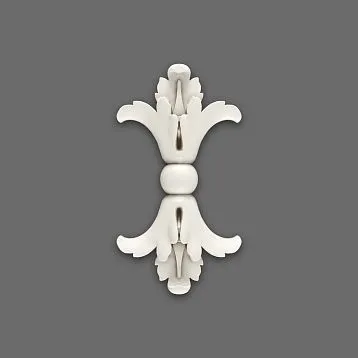
Balusters appeared in architecture not by chance. Their history traces back to the Renaissance era, when craftsmen first began using these elements to fence balconies. The word 'baluster' comes from the name of a flower, the shape of whose bud resembles an elegant column. Gradually, these architectural elements transferred to staircases, where they acquired new life and functionality.
In the 15th century, balusters first adorned staircase treads, and since then they have become an indispensable part of architectural ensembles. Each era brought its own characteristics to the design of these elements: from strict classicism to lavish baroque, from minimalist modernism to eclectic contemporary solutions.
Today, when we talk about where to buy balusters in Saint Petersburg, there are many options available. It is important to understand that choosing these elements is choosing a lifestyle, a philosophy of home, and reflecting the personality of the owner.




Functional purpose: beauty and safety in harmony
Our factory also produces:


Constructive Role
Balusters perform several critically important functions in staircase construction. Primarily, they ensure the rigidity and stability of the entire railing system. Positioned between steps and handrails, these vertical elements bear lateral loads, preventing deformation of railings and ensuring safe movement.
The supporting function of balusters is especially important for long staircase runs, where the distance between main posts can reach several meters. In such cases, intermediate supports become critically necessary to maintain the geometry of the structure.
Get Consultation
Safety above all
Modern building codes establish clear requirements for the distance between balusters. The optimal interval is 10-15 centimeters, which eliminates the possibility of slipping between elements for children or pets. This safety measure is especially relevant for families with young children.
height of balusters Also regulated by standards. Standard height is 70-100 centimeters, ensuring comfortable handrail placement for people of different heights. Properly selected height guarantees convenient staircase use and prevents accidental falls.
Wood Science: Choosing Wood Species
Fine oak: symbol of strength and longevity
Oak rightfully ranks as the king among wood species for making balusters. This species possesses unique characteristics that make it an ideal choice for load-bearing structures. Oak density reaches 700 kg/m³, ensuring exceptional strength and durability of products.
Oak balusters exhibit natural resistance to moisture, temperature fluctuations, and biological factors. Tannins present in oak wood have antiseptic properties, preventing the growth of fungi and mold.
The color range of oak varies from light golden to rich brown tones, allowing balusters to be matched to any interior style. The expressive wood texture with distinctive growth rings creates a unique pattern on every piece.
Ash: Flexibility and Elegance
Ash is an excellent alternative to oak, especially for those who appreciate lighter wood tones. Ash's flexibility allows creating balusters of complex shapes without the risk of cracking or warping.
This species has high impact resistance and the ability to withstand significant dynamic loads. Ash balusters are especially popular in modern interiors, where the combination of functionality and aesthetics is valued.
Beech: accessibility and practicality
Beech holds a special place among species used for making balusters. This wood has a uniform structure and lacks a pronounced texture, making it ideal for various types of finishing.
The workability of beech allows creating items of the most complex shapes with a high degree of detail. The species takes staining well, offering wide possibilities for color decoration of balusters.
Coniferous species: economy and aroma
Spruce and larch represent a budget segment of materials for balusters, not inferior in quality to more expensive species. The resinous nature of coniferous species provides natural protection against insects and fungal damage.
Larch is especially valued for its moisture resistance and ability to maintain geometry even under high humidity. This species is ideal for staircases in saunas, baths, and other rooms with special microclimates.
Manufacturing technologies: from traditions to innovations
Turning: the classic of the genre
Turned balusters represent a classic variant that never goes out of style. Turning technology allows creating items with perfectly symmetrical shapes and smooth surfaces.
The manufacturing process of turned balusters requires high lathe operator skill. The blank is secured in the lathe chuck and processed with cutters of various shapes. The rotation speed and tool feed are carefully controlled to achieve a quality surface without chips or scratches.
Modern CNC lathes allow producing balusters with a high degree of repeatability, which is especially important when manufacturing large batches of items.
Milling: complexity of forms
Milled balusters open up limitless possibilities for realizing design ideas. Milling technology allows creating items with complex profiles, helical grooves, and decorative elements.
Multi-axis milling centers can process blanks simultaneously from several sides, creating highly complex three-dimensional forms. The accuracy of processing reaches tenths of a millimeter, ensuring perfect geometry of the items.
Wood carving: art in every detail
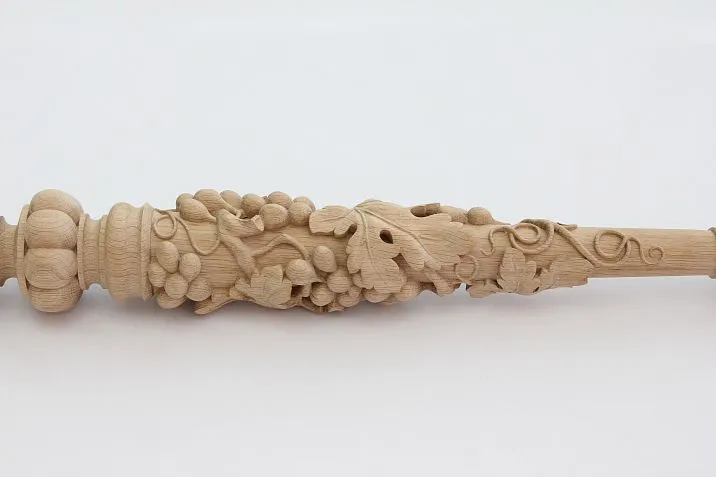
Carved balusters represent the pinnacle of woodworking craftsmanship. Each item is handmade by experienced carvers, making it a unique work of art.
Wood carving technique requires not only technical skills but also artistic taste. The master must feel the material, understand its structure and possibilities. The depth of carving, ornament detail, and overall composition — all these elements require careful refinement.
Stylistic directions and design solutions
Classic Style: Eternal Elegance
Classic balusters are characterized by strict proportions and noble forms. The basis of classic design consists of geometric elements: spheres, cylinders, cones, combined into a harmonious composition.
The golden ratio is often used in designing classic balusters, ensuring visual harmony and attractiveness of the items. The proportions of elements are calculated with mathematical precision, creating a sense of perfection.
Modern minimalism: simplicity and functionality
Modern interior design trends dictate specific requirements for balusters. Minimalist forms, clean lines, and absence of excessive decoration characterize balusters in the modern style.
Flat rectangular-section balusters are becoming increasingly popular in modern interiors. Their simplicity and geometric nature fit perfectly into the minimalism concept.
Ethnic motifs: cultural heritage
Balusters in ethnic style reflect the cultural traditions of various peoples. Russian style is characterized by the use of traditional ornaments, carved elements, and natural motifs.
Scandinavian style implies using light wood species with minimal processing, highlighting the natural beauty of the material. Simplicity of forms combines with high-quality execution.
Technical Specifications and Quality Standards
Geometric Parameters
Standard baluster sizes are determined by functional requirements and aesthetic considerations. height of balusters Usually 900–1200 mm, providing optimal handrail height.
Baluster cross-sections vary from 40×40 mm for light structures to 80×80 mm for heavy staircases. Round balusters have diameters from 40 to 80 mm depending on stylistic requirements.
Wood Moisture
Wood moisture is a critical parameter affecting the quality and longevity of balusters. The optimal moisture level for items intended for use in heated rooms is 8–12%.
Exceeding the allowable moisture level may lead to deformation of items, cracking, and distortion of geometry. Therefore, quality manufacturers pay special attention to the wood drying process.
Grade of material
The grade of wood determines the appearance and cost of balusters. Grade 'Extra' implies the complete absence of visible defects, uniform texture, and an ideal surface.
The first grade allows for the presence of small knots and minor texture deviations, which do not affect the strength characteristics of the products but may influence their appearance.
Installation process: professional approach
Preparation Work
Installing balusters requires careful preparation and a professional approach. Marking the installation locations must be done with high precision, taking into account the structural features of the staircase and safety requirements.
Surface preparation includes cleaning from dust and contaminants, checking the horizontal alignment of steps and vertical alignment of support elements. Any deviations must be corrected before starting installation.
Methods of mounting
There are several main methods of attaching balusters to the base. Attachment using self-tapping screws is the simplest and most accessible method, suitable for wooden bases.
Through-fastening through steps ensures maximum connection reliability. This method involves using special bolts that pass through the entire thickness of the step and are secured from the opposite side.
Attachment using dowels is a traditional carpentry method, providing strong and aesthetic connections without visible fasteners.
Final finishing
After installation, balusters require finishing treatment to protect against external influences and achieve a finished appearance. Sanding the surface removes minor defects and prepares the wood for applying protective coatings.
Priming ensures better adhesion of the finish and additional protection for the wood. The choice of primer depends on the type of finish and operating conditions.
Protective Coatings and Maintenance
Paint and varnish coatings
Polyurethane varnishes provide maximum protection for wood against mechanical damage and moisture. These coatings are characterized by high wear resistance and longevity.
Oil-based finishes highlight the natural beauty of wood, preserving its natural texture. They are easily restorable when needed and do not form a film on the surface.
Wax finishes give wood a noble matte sheen and a pleasant tactile surface. Wax is easy to apply and renew, but requires more frequent maintenance.
Special impregnations
Antiseptic impregnations protect wood from biological damage, preventing the growth of fungi, mold, and wood-boring insects.
Fire-retardant compounds reduce the flammability of wood and slow down the spread of fire. These impregnations are especially important for staircases in public buildings.
Economic aspects and pricing
Factors Affecting Cost
The cost of balusters depends on many factors. The type of wood is the primary pricing factor. Oak balusters are significantly more expensive than pine ones, but they also last much longer.
Processing complexity directly affects the price of the products. Simple turned balusters are cheaper than carved ones, which require manual craftsmanship.
The grade of the material also affects the cost. Balusters made from 'Extra' grade wood may cost 2-3 times more than those made from second-grade material.
Economic Efficiency
When choosing balusters, it is important to consider not only the initial cost but also the total cost of ownership. High-quality products made from hardwoods can serve for decades without losing their appearance or functionality.
Repairability of wooden balusters allows restoring their appearance by sanding and reapplying the finish. This significantly extends the service life of the products.
Trends in development and innovation
Modern Processing Technologies
Laser cutting opens new possibilities for creating balusters with complex shapes and high detail. This technology allows creating delicate elements that cannot be manufactured using traditional methods.
3D milling allows creating balusters according to individual projects with precision down to fractions of a millimeter. The technology is especially in demand for restoring historical objects.
Ecological aspects
Modern consumers are paying more attention to the ecological properties of materials. Wooden balusters made from certified wood are becoming a preferred choice for environmentally conscious buyers.
Recycling waste from wood processing allows creating composite materials for manufacturing balusters, combining ecological properties with improved performance characteristics.
Regional characteristics of the Saint Petersburg market
Climate conditions
The climate of Saint Petersburg imposes special requirements on wooden products. High humidity and temperature fluctuations require the use of specially treated wood and high-quality protective coatings.
The heating season in the city lasts more than half a year, creating significant fluctuations in room humidity. Balusters must be adapted to these conditions.
Architectural traditions
Saint Petersburg is a city with rich architectural traditions. The classical style remains popular for decorating interiors of historical buildings and modern homes styled in the classical manner.
The Petersburg Empire style dictates specific requirements for baluster design: strict forms, noble materials, and high-quality craftsmanship.
Supplier selection: quality criteria
Production Facilities
When selecting a supplier, it is important to evaluate its production capabilities. The presence of modern equipment, qualified personnel, and a quality control system are key criteria for a reliable manufacturer.
Warehouse stock enables rapid delivery of standard items, while flexible production allows for custom balusters to be manufactured according to individual orders.
Certification and Guarantees
Quality balusters must be accompanied by certificates of conformity confirming their safety and compliance with construction standards.
Manufacturer's warranty obligations indicate confidence in product quality and willingness to assume responsibility for their products.
When considering where to buy quality balusters in St. Petersburg, many options are available. It is important to choose proven suppliers with an impeccable reputation. The right supplier choice guarantees receiving quality products that meet all requirements and expectations.
Custom Design and Exclusive Solutions
Original Design
Modern technologies allow creating unique balusters according to individual projects. Designers can realize any client's ideas, creating distinctive interior solutions.
Computer modeling allows visualizing future products even during the design stage, enabling necessary adjustments before production begins.
Restoration work
Restoring historical balusters requires a special approach and deep knowledge of traditional techniques. Master restorers recreate lost elements while preserving historical authenticity.
Copying antique samples allows creating new balusters in historical style, indistinguishable from original pieces of past centuries.
For those seeking where to buy top-quality balusters in St. Petersburg, it is important to consult specialists with experience in exclusive projects and restoration work.
Comprehensive Solutions for Stairs
Unified Style
Creating a harmonious staircase ensemble requires a comprehensive approach to selecting all elements. Balusters must harmonize with steps, handrails, treads, and other staircase components.
Color selection plays an important role in creating a cohesive look. The ability to tone wood allows achieving the perfect harmony among all elements.
Functional Additions
Modern staircases may be equipped with lighting systems integrated into balusters. LED strips embedded in the structure create an eye-catching illumination and enhance safety during nighttime use.
The handrail system may include additional elements for people with disabilities, making the staircase more accessible and safer for all user categories.
Conclusion
In a world where every interior detail matters, balusters hold a special place. They combine functionality and beauty, tradition and innovation, practicality and aesthetics. Choosing quality wooden balusters is an investment in comfort, safety, and beauty of your home for many years.
St. Petersburg, with its rich architectural traditions and high quality standards, offers wide opportunities for those who appreciate true craftsmanship and quality. Properly selected and professionally installed balusters will become not just staircase elements, but genuine interior ornaments highlighting the individuality and taste of the owner.
For many years, STAVROS has been a reliable partner for those seeking quality solutions in woodworking. Combining traditional craftsmanship methods with modern technologies, STAVROS creates products that serve as benchmarks of quality and beauty. Choosing STAVROS means selecting not just a supplier, but a partner who shares your pursuit of perfection and is ready to bring even the boldest design ideas to life.