Article Contents:
- Evolution of baluster application: from staircases to furniture
- Historical retrospective
- Modern revival of traditions
- Technical aspects of creating tables with balusters
- Structural Solutions
- Load and strength calculations
- Material science: selection of wood for dining balusters
- Hardwood species
- Exotic species
- Stylistic directions in design of tables with balusters
- Classic style: Eternal elegance
- Baroque: luxury and theatricality
- Modern: natural forms and smooth lines
- Modern minimalism: beauty of simplicity
- Manufacturing technologies: from traditions to innovations
- Turning: the heart of craftsmanship
- Milling: Precision and Complexity
- Hand carving: the art of individuality
- Functional features of tables with balusters
- Durability and strength
- Ergonomic advantages
- Variability of placement
- Application areas: from home to office
- Home interiors
- Commercial interiors
- Care and maintenance: Preserving beauty for years
- Daily care
- Periodic maintenance
- Restoration and repair
- Economic aspects: investment in quality
- Pricing factors
- Long-Term Economic Efficiency
- Impact on interior cost
- Trends in development: looking into the future
- Ecological trends
- Technological Innovations
- Personalization and customization
- Conclusion

The world of furniture design is undergoing a true revolution, where traditional architectural elements find new life in interior design. Balusters for wooden tables have become a vivid example of how classical staircase elements transform into exquisite furniture supports, creating unique interior pieces. This trend combines historical craftsmanship heritage with modern demands for exclusive and functional furniture.
Imagine a table that not only performs its utilitarian function but becomes a central element of the interior, attracting attention and evoking admiration. Such an effect is created by tables with balusters — items where each support is a miniature work of art, turned from noble wood.
In an era of mass production and standardization, individuality and uniqueness are especially valued. Tables with balusters respond to this demand, offering owners the opportunity to possess truly exclusive furniture that reflects their taste and status.


Evolution of baluster application: from staircases to furniture
The history of using balusters in furniture production dates back to the Renaissance, when master carpenters began adapting architectural elements to create interior items. However, the true flourishing of this direction occurred in the 17th-18th centuries, when European furniture makers created luxurious tables for palace interiors.




Historical retrospective
The first tables with balusters appeared in Italian palazzi of the Renaissance. Masters of that time understood that the beauty of architectural forms could be successfully transferred to furniture art. Balusters gave tables monumentality and solemnity, emphasizing the owner's status.
French furniture makers of the time of Louis XIV perfected this art, creating console tables with intricately turned balusters, adorned with gilding and inlays. These works of art became the standard of luxury and elegance.
In Russia, the tradition of using balusters in furniture developed under the influence of European masters, but acquired its unique characteristics. Russian master carpenters created tables with balusters reflecting national motifs and features of local wood species.
Our factory also produces:


Modern revival of traditions
The 21st century has brought a new wave of interest in furniture with balusters. Modern designers and furniture makers reinterpret classical forms, adapting them to contemporary needs and aesthetic preferences.
Today Balusters for wooden tables are created using both traditional handcrafting methods and modern precision machining technologies. This allows achieving ideal quality while preserving the authentic character of the items.
Get Consultation
Technical aspects of creating tables with balusters
Manufacturing a table with balusters is a complex technological process requiring deep knowledge of materials science, mastery of various woodworking techniques, and understanding of furniture construction features.
Constructive Solutions
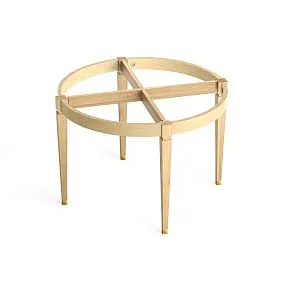
The foundation of a table with balusters is a carefully designed structure where each element performs a specific function. Balusters serve not only as decorative elements but also as load-bearing supports that must withstand significant loads.
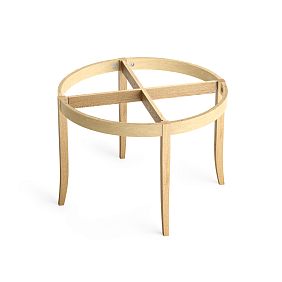
The standard construction includes a tabletop, a baluster base, and connecting elements. The tabletop can be made of solid wood, veneered panels, or even glass. The choice of material depends on the table's style and functional requirements.
The base represents a frame integrated with balusters. This frame ensures structural rigidity and even load distribution. Balusters can be connected to the frame using various methods: dowels, tenons, or metal fasteners.
Load and strength calculation
When designing a table with balusters, special attention is paid to load calculations. Each baluster must withstand not only static loads from the tabletop's weight and items placed on it, but also dynamic loads during table use.
For dining tables, the calculated load is 150-200 kg/m², for work tables — 100-150 kg/m². These values account not only for the weight of items but also for additional loads from leaning on the table or placing heavy objects.
The strength of balusters depends on the wood species, cross-section of the element, and quality of processing. Oak balusters with a diameter of 80-100 mm can withstand up to 500 kg each, providing a significant safety margin.
Materials science: selection of wood for dining balusters
Choosing the wood species for manufacturing table balusters is a key decision that determines not only the appearance of the product but also its operational characteristics. Each species has unique properties that must be considered during design.
Hardwood Species
Oak remains the superior material for manufacturing dining balusters. Its density of 650-750 kg/m³ ensures exceptional strength and dimensional stability. Oak is highly workable, allowing the creation of complex decorative elements without compromising strength.
A distinctive feature of oak is its ability to patina — natural aging that gives products a noble appearance. Tannins in oak provide natural protection against moisture and pests, which is especially important for furniture.
Ash is attracted by its contrasting texture and high strength characteristics. This species is ideal for creating tables in a modern style, where the expressiveness of natural grain is valued. Ash has the ability to bend without fiber damage, allowing the creation of balusters with complex curved forms.
Beech is characterized by uniform structure and excellent workability. This species is ideal for creating intricately turned balusters of complex shapes. The pinkish hue of beech creates a warm, cozy atmosphere, especially pronounced when treated with oils.
Exotic species
Teak is an elite species valued for its exceptional resistance to moisture and mechanical impacts. Teak balusters do not require additional protective treatment and retain their properties for decades.
Wenge is attracted by its dark, almost black color and expressive texture. This species is ideal for creating tables in high-tech or minimalist styles, where contrast and expressiveness are important.
Padauk is distinguished by its unique purple-brown coloration and complex wood grain pattern. Balusters made of padauk become true works of art, highlighting the exclusivity of the furniture.
Stylistic directions in the design of tables with balusters
Modern design of tables with balusters encompasses a wide range of stylistic directions — from strict classicism to avant-garde solutions. Each style imposes specific requirements on the form, proportions, and decorative elements of the balusters.
Classic Style: Eternal Elegance
Classic tables with balusters follow canons developed over centuries. The classic baluster consists of three elements: base (15-20% of total height), shaft (60-70%), and capital (10-15%). These proportions create a harmonious composition, pleasing to the eye.
The base of the baluster provides visual stability and creates a smooth transition from the supporting surface to the main body of the element. The shaft of the baluster is the main decorative element, where the craftsman can demonstrate their artistry in creating complex profiles.
The capital completes the composition and serves as support for the tabletop. In classical balusters, the capital is often adorned with plant motifs or geometric ornaments, creating a visual connection with architectural traditions.
Baroque: luxury and theatricality
Baroque tables with balusters are distinguished by rich decoration and complex forms. Twisted columns, plant ornaments, cartouches create a sense of luxury and grandeur. Balusters in the Baroque style are often adorned with gilding, patination, or inlay.
A distinctive feature of Baroque balusters is their dynamism — spiral grooves, curved profiles, three-dimensional decorative elements create play of light and shadow, giving the table a painterly and expressive quality.
Modern: natural forms and smooth lines
Tables in the modern style are distinguished by the use of natural motifs and smooth, flowing forms. Balusters may imitate tree trunks, plant stems, or ocean waves. This style requires special craftsmanship, as each element must be unique.
The color palette of modern tables is usually restrained — natural wood tones, sometimes with light tinting. Emphasis is placed on the beauty of the material and perfection of forms.
Modern minimalism: beauty of simplicity
Minimalist tables with balusters are characterized by simplicity of form and absence of decorative excesses. Simple geometric profiles — cylindrical, square, conical — create strict, orderly compositions.
The beauty of minimalist design lies not in the complexity of decoration, but in the perfection of proportions and quality of processing. Every line must be precise, every surface flawless. Beauty is achieved through the harmony of simple forms.
Manufacturing technologies: from traditions to innovations
Modern Production baluster for wooden table Combines traditional wood processing methods with advanced technologies. This allows achieving the highest quality while preserving the authentic character of the items.
Turning: the heart of craftsmanship
Turning remains the primary method for creating round balusters for tables. Modern CNC turning machines allow creating complex profiles with high precision and repeatability.
The process begins with preparing the blank — a square block, which is secured in the machine's chuck. The master turner, following the technical drawing, gradually shapes the blank using various cutters.
Special attention is paid to surface quality. Each transition between profile elements must be smooth, without chips or scratches. Final sanding with abrasive paper of various grits ensures a perfectly smooth surface.
Milling: Precision and Complexity
To create square and rectangular balusters, CNC milling machines are used. This technology allows creating items of any complexity with high precision. 3D milling opens up possibilities for creating unique decorative elements.
Programming a milling machine requires high qualification. Each tool movement trajectory must be calculated taking into account the direction of wood grain, material hardness, and required surface quality.
Hand carving: the art of individuality
Hand carving remains the unmatched method for creating unique decorative elements. Each carved baluster is a work of art bearing the imprint of the craftsman's individuality.
The hand carving process requires not only technical skill but also artistic taste. The master must feel the material, understand its possibilities and limitations. Each cut with the chisel must be precise and meaningful.
Functional features of tables with balusters
Tables with balusters are not only beautiful but also functional. Their structural features provide several advantages compared to traditional legged tables.
Stability and strength
The construction with balusters ensures exceptional table stability. Multiple supports evenly distribute the load, preventing deformation and wobbling. This is especially important for large tables subjected to significant loads.
The rigidity of the construction is achieved by connecting balusters to the tabletop. Each baluster acts as an individual support, but together they form a single load-bearing system capable of withstanding heavy loads.
Ergonomic advantages
Balusters provide freedom in positioning legs under the table, which is especially important for dining tables. Unlike traditional legs, balusters do not restrict space and allow comfortable seating for people of any height.
For work tables, this advantage is even more significant. The ability to freely adjust leg positions reduces fatigue and increases comfort during prolonged work.
Variability of placement
Tables with balusters easily adapt to various interiors. They can be placed in the center of a room or against a wall. The construction allows creating tables of any size — from compact coffee tables to large dining tables for 12-16 people.
Areas of application: from home to office
Tables with balusters are used in various interiors — from residential to commercial. Each area of application imposes specific requirements on design and functionality.
Home interiors
In residential interiors, tables with balusters are most often used as dining tables. Their formal appearance creates a special atmosphere for family meals, emphasizing the importance of these moments in family life.
Coffee tables with balusters become central elements in living rooms. Their elegant forms attract attention and create a focal point in the interior. Their smaller size allows using more complex decorative elements.
Work tables in home offices with balusters highlight the owner's status and create a work atmosphere. Their solid appearance promotes concentration and increases motivation for work.
Commercial interiors
In restaurants and cafes, tables with balusters create an atmosphere of elegance and comfort. Their use allows standing out among competitors and attracting customers who value quality and style.
Office interiors can also benefit from using tables with balusters. Conference tables of this type highlight the company's status and create an impression of reliability and stability.
Hotels and guesthouses use tables with balusters in lobbies and restaurants to create an atmosphere of luxury and hospitality. These furniture items become part of the overall design concept and contribute to forming a positive image of the establishment.
Care and Maintenance: Preserving Beauty for Years
Tables with balusters require a special approach to care and maintenance. The complex shape of supports creates additional surfaces that require regular cleaning and protection.
Daily Care
Daily care for a table with balusters includes removing dust and dirt with soft cloth. Special attention should be paid to recesses and decorative elements of balusters, where dust may accumulate.
For cleaning, specialized wood care products are used, which not only clean but also nourish the material. It is important to avoid using abrasive materials and aggressive chemicals.
Periodic maintenance
Every 3-6 months, the table requires more thorough care. This includes complete cleaning of all surfaces, checking the condition of finishes, and updating them if necessary.
Special attention is paid to the areas where balusters connect to the pedestal. Gaps may appear here due to natural wood shrinkage. Timely repair of these defects prevents weakening of the structure.
Minor damage to oak balusters can be repaired yourself using special wax pencils or wood putty. It is important to select the material to match the wood tone precisely for an undetectable repair.
With proper care, tables with balusters serve for decades. However, over time, restoration of individual elements may be required. The advantage of wooden furniture is that most damage can be repaired without replacing the entire piece.
Minor scratches and chips are removed by sanding and applying a new finish. More serious damage may require replacing individual balusters, which is significantly cheaper than replacing the entire table.
Economic Aspects: Investment in Quality
Tables with balusters represent a significant investment, but these costs are justified by the longevity, functionality, and aesthetic qualities of the items.
Pricing Factors
The cost of a table with balusters depends on many factors: wood species, design complexity, size, and finish quality. Simple pine tables may cost from 30-50 thousand rubles, exclusive pieces made from exotic woods — from 200-500 thousand rubles.
Handmade work significantly increases the cost. Carved balusters made by hand may cost 3-5 times more than machine-turned elements. However, the uniqueness and artistic value of such items justify the high price.
Long-term economic efficiency
Quality tables with balusters serve for decades, maintaining their functionality and attractiveness. This makes them economically advantageous in the long term compared to cheap furniture that requires frequent replacement.
The possibility of restoration allows maintaining the table in ideal condition throughout its entire service life. Restoration costs usually amount to 15-25% of the cost of a new item.
Impact on interior cost
Quality tables with balusters significantly increase the overall cost of the interior. They become an investment that not only brings aesthetic pleasure but also increases property value.
Trends in development: looking toward the future
The industry producing furniture with balusters continues to develop, adapting to changing needs and technological capabilities.
Ecological trends
Growing attention to ecological issues influences material and production technology choices. Using wood from certified forests and applying eco-friendly finishes has become an industry standard.
Reusing wood is also gaining popularity. Tables made from reclaimed wood have a unique history and character, which is especially valued in modern design.
Technological Innovations
Digital technologies open new possibilities for designing and producing tables with balusters. 3D modeling allows creating complex shapes, while CNC machines realize them with high precision.
Virtual and augmented reality help clients visualize the future table in their interior even during the design stage. This reduces the risk of errors and increases customer satisfaction.
Personalization and Customization
Modern consumers increasingly demand customized solutions. The ability to create a unique table based on an individual project has become an important competitive advantage for manufacturers.
Modular systems allow clients to independently choose the size, baluster shape, tabletop type, creating furniture perfectly suited to a specific interior.
Conclusion
Balusters for wooden tables represent a unique combination of functionality, beauty, and craftsmanship. These elements transform ordinary furniture into works of art capable of decorating any interior and highlighting the owner's individuality.
Choosing a table with balusters is an investment in quality, beauty, and longevity. Such furniture not only fulfills its utilitarian function but also creates a special atmosphere, contributes to interior style formation, and reflects the owner's taste and status.
Modern manufacturing technologies allow creating tables with balusters of any complexity, from simple classic forms to avant-garde designer solutions. At the same time, the best traditions of carpentry craftsmanship are preserved, ensuring the highest quality of products.
Correct material selection, professional manufacturing, and quality maintenance ensure longevity and preservation of the table's original beauty for many years. This makes tables with balusters not only furniture items but also family heirlooms passed down from generation to generation.
In a world of mass production and standardization, tables with balusters remain islands of individuality and craftsmanship. They remind us of the value of handcrafted work, the beauty of natural materials, and the importance of creating items that will delight not just one generation.
STAVROS is a recognized leader in creating exclusive furniture using balusters. Over more than 20 years of operation, the company has accumulated unique experience in adapting architectural elements for furniture production. The 6,000-square-meter production facility is equipped with modern equipment, including 19 CNC machines, enabling the creation of items of any complexity with the highest precision. A team of 150 skilled specialists masters all wood processing technologies and can bring even the most daring design concepts to life. STAVROS products are supplied to 25 countries worldwide, confirming the international recognition of the company's quality and craftsmanship. By contacting STAVROS specialists, you receive a guarantee of creating a unique table with balusters that will become a true decoration of your interior and serve for many decades.